Research Articles

Physiological Artifacts in EEG Signals: A Comprehensive Guide for Biomedical Research and Clinical Applications
This article provides a comprehensive overview of physiological artifacts in electroencephalography (EEG), a critical challenge for researchers and clinicians in neuroscience and drug development.
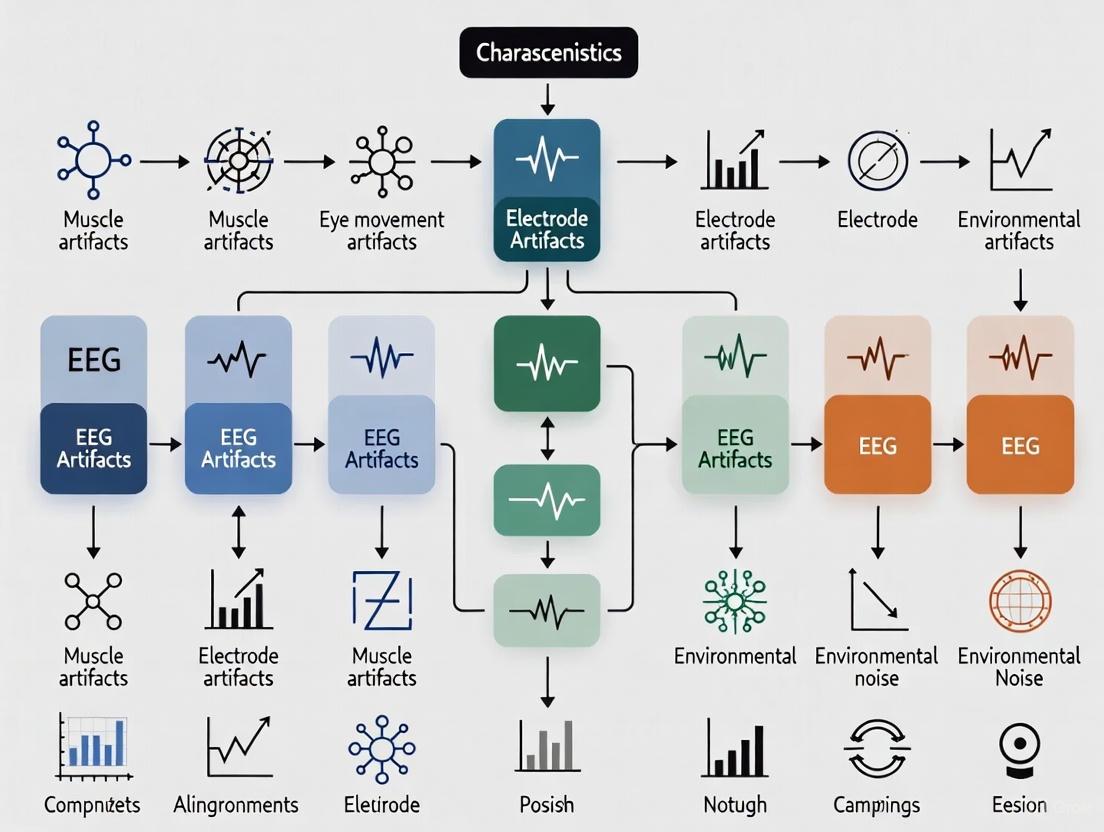
EEG Artifacts: A Comprehensive Guide to Types, Characteristics, and Advanced Removal Techniques for Biomedical Research
This article provides a detailed overview of electroencephalographic (EEG) artifacts, addressing a critical challenge in neurophysiological research and clinical trials.
Statistical Validation of BCI Communication Accuracy in Locked-In Syndrome: Methods, Metrics, and Clinical Translation
This article provides a comprehensive analysis of statistical frameworks for validating brain-computer interface (BCI) communication accuracy in locked-in syndrome (LIS).
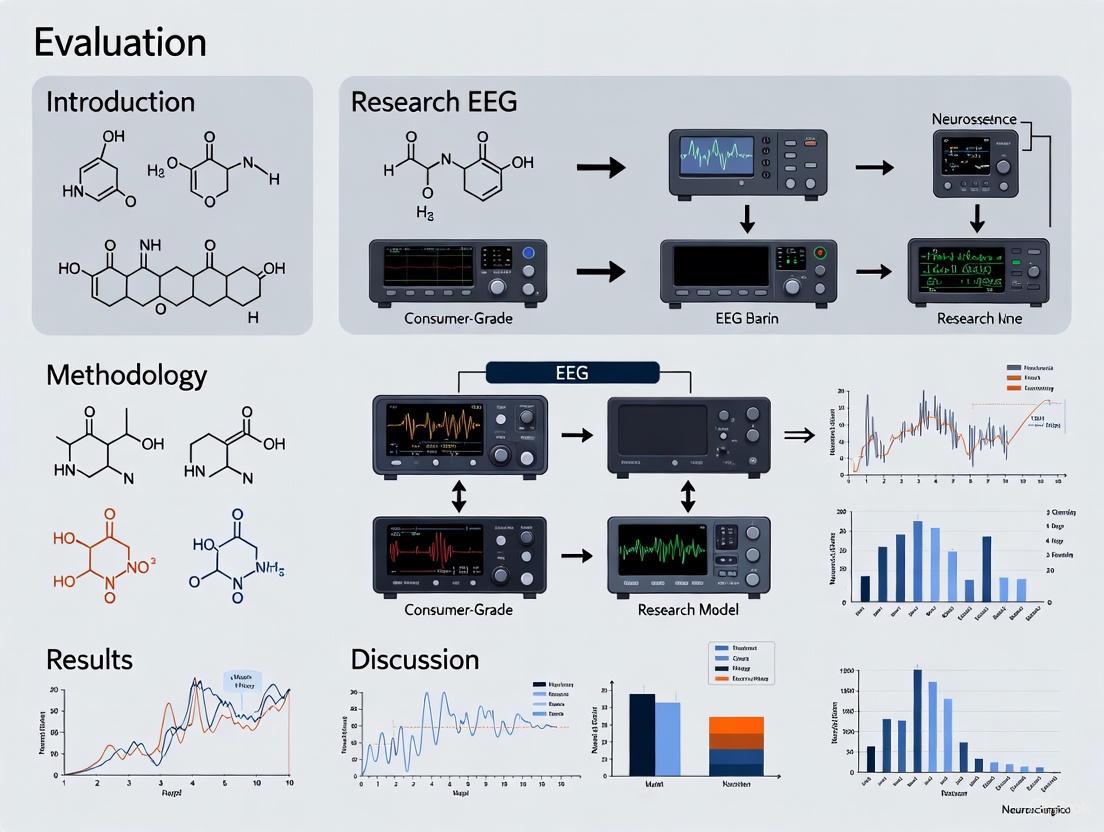
Consumer-Grade vs. Research EEG Equipment: A Data-Driven Guide for Clinical and Research Professionals
This article provides a comprehensive evaluation of consumer-grade and research-grade EEG equipment, tailored for researchers, scientists, and drug development professionals.
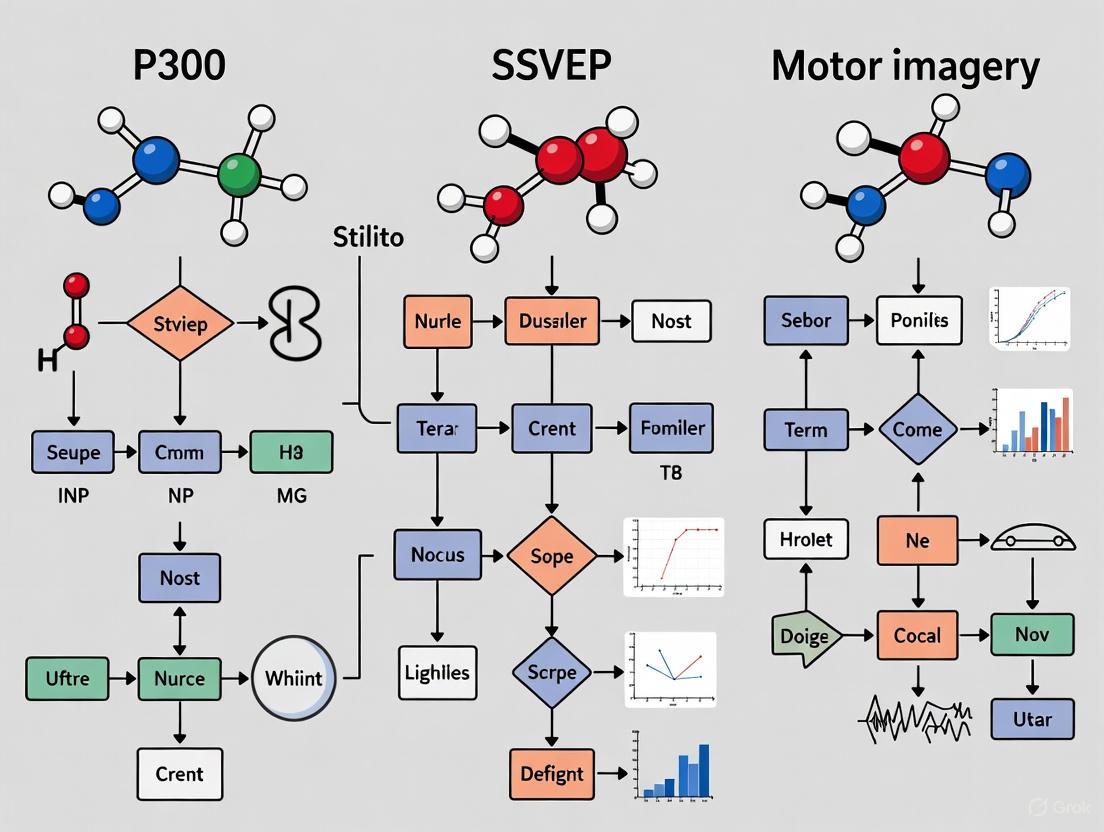
Comparing BCI Paradigms: A Comprehensive Analysis of P300, SSVEP, and Motor Imagery for Research and Clinical Applications
This article provides a systematic comparison of the three primary non-invasive Brain-Computer Interface (BCI) paradigms: P300 event-related potentials, Steady-State Visual Evoked Potentials (SSVEP), and Motor Imagery (MI).
Long-Term Stability of Implanted Brain-Computer Interfaces: Assessing Biocompatibility, Performance, and Future Frontiers
This article provides a comprehensive analysis of the long-term stability assessment of implanted Brain-Computer Interface (BCI) systems, a pivotal challenge for their clinical translation and commercial viability.
Cross-Subject vs. Subject-Specific BCI Models: Validation Strategies, Clinical Applications, and Future Directions
This article provides a comprehensive analysis of validation paradigms for brain-computer interface models, contrasting subject-specific and cross-subject approaches.
BCI Competition Datasets 2025: A Guide to State-of-the-Art Results and Methodologies
This article provides a comprehensive analysis of current Brain-Computer Interface (BCI) competition datasets and the state-of-the-art methodologies achieving top performance on them.
Benchmarking BCI Performance: A 2025 Analysis of Invasive vs. Non-Invasive Technologies for Biomedical Research
This article provides a comprehensive analysis of performance benchmarks for invasive and non-invasive Brain-Computer Interfaces (BCIs), tailored for researchers and drug development professionals.
EEG Channel Selection Algorithms: A Comprehensive Comparative Analysis for Biomedical Research
This article provides a systematic comparative analysis of Electroencephalography (EEG) channel selection algorithms, tailored for researchers, scientists, and drug development professionals in biomedical fields.