Neural Population Dynamics Optimization: A Brain-Inspired Framework for Biomedical Innovation
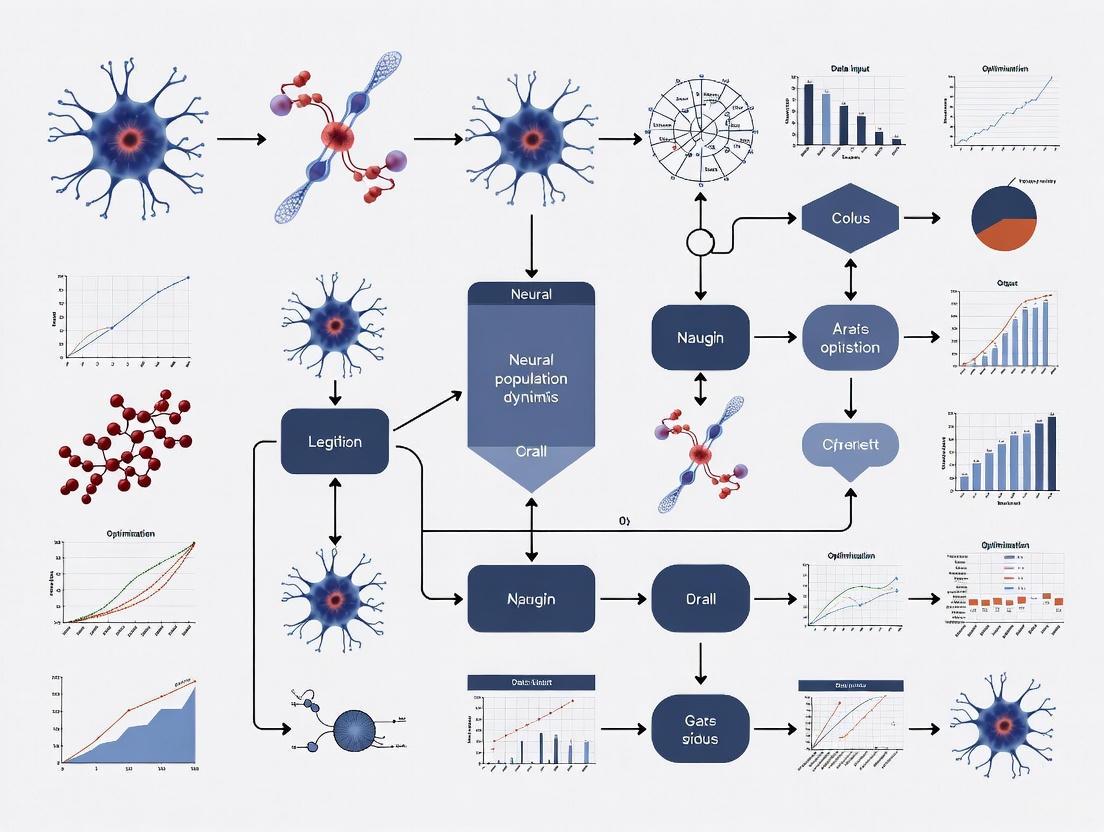
This article introduces Neural Population Dynamics Optimization Algorithms (NPDOAs), a novel class of brain-inspired meta-heuristic methods.
Neural Population Dynamics Optimization: A Brain-Inspired Framework for Biomedical Innovation
Abstract
This article introduces Neural Population Dynamics Optimization Algorithms (NPDOAs), a novel class of brain-inspired meta-heuristic methods. We explore the foundational principles of how interconnected neural populations perform efficient computations and make optimal decisions, drawing parallels to dynamical systems in theoretical neuroscience. The article details core algorithmic strategies, including attractor trending for exploitation and coupling disturbance for exploration, and examines their application in solving complex optimization problems in drug discovery and biomedical research. We further address key implementation challenges, compare NPDOAs with established optimization methods, and validate their performance through benchmark tests and real-world case studies. This resource is tailored for researchers, scientists, and drug development professionals seeking to leverage cutting-edge computational techniques for accelerating biomedical innovation.
The Brain as an Optimizer: Unpacking the Neuroscience Behind the Algorithm
The study of neural population dynamics represents a paradigm shift in neuroscience, moving from a focus on individual neurons to understanding how collective neural activity gives rise to brain function. This framework conceptualizes neural computations as being performed by the coordinated, time-varying activity of entire neural populations, governed by underlying network constraints and dynamical systems principles [1] [2]. Significant experimental, computational, and theoretical work has identified rich structure within this coordinated activity, with an emerging challenge being to uncover the nature of the associated computations, how they are implemented, and what role they play in driving behavior [1].
The core mathematical framework describes neural population dynamics using dynamical systems theory, where the evolution of neural population states follows the form dx/dt = f(x(t), u(t)), with x representing an N-dimensional vector of neural firing rates and u representing external inputs to the circuit [1]. This perspective has proven powerful for understanding processes ranging from motor control to decision-making, and has recently inspired novel computational approaches, including the development of optimization algorithms that mirror these biological principles [3].
Biological Foundations of Neural Population Dynamics
Empirical Evidence for Constrained Neural Trajectories
Groundbreaking experimental work has provided compelling evidence that neural population activity follows constrained trajectories that reflect underlying network architecture. In a crucial experiment, researchers used a brain-computer interface (BCI) to challenge non-human primates to violate the naturally occurring sequences of neural population activity in the motor cortex [4] [2]. This included prompting subjects to traverse a natural sequence of neural activity in a time-reversed manner—essentially going the wrong way on a hypothesized "one-way path" [4].
Despite providing visual feedback and reward incentives, animals were unable to alter the fundamental sequences of their neural activity, supporting the view that stereotyped activity sequences arise from constraints imposed by the underlying neural circuitry [4] [2]. This robustness suggests that the observed neural trajectories are not merely epiphenomena but reflect fundamental computational mechanisms implemented by the network [2].
The Role of Network Architecture
In network models, the time evolution of activity is shaped by the network's connectivity [2]. The activity of each node at a given point in time is determined by the activity of every node at the previous time point, the network's connectivity, and the inputs to the network [2]. This architecture gives rise to characteristic flow fields that reflect the specific computations performed by the network [2]. The empirical observation that neural activity follows such flow fields, and that these paths are difficult to violate, forges a link between activity time courses observed in empirical studies and the network-level computational mechanisms they are believed to support [2].
Computational Frameworks for Modeling Neural Dynamics
Linear Dynamical Systems Approaches
Linear dynamical models provide a foundational framework for modeling neural population activity due to their interpretability and mathematical tractability. A low-rank autoregressive approach has demonstrated particular effectiveness for capturing the essential dynamics while respecting the low-dimensional structure of neural data [5]. This model can be formulated as:
x_{t+1} = Σ_{s=0}^{k-1} (A_s x_{t-s} + B_s u_{t-s}) + v
where the matrices A_s and B_s are parameterized as diagonal plus low-rank components, capturing both individual neuron properties and population-level interactions [5].
For modeling interactions across brain regions, Cross-population Prioritized Linear Dynamical Modeling (CroP-LDM) has been developed to specifically prioritize learning dynamics shared across neural populations while preventing them from being confounded by within-population dynamics [6]. This prioritized learning approach has proven more accurate for identifying cross-region interactions compared to methods that jointly maximize likelihood for both shared and within-region activity [6].
Geometric Deep Learning for Neural Manifolds
Recent advances in geometric deep learning have enabled more sophisticated modeling of neural population dynamics that explicitly accounts for the manifold structure of neural activity. The MARBLE (MAnifold Representation Basis LEarning) framework decomposes dynamics into local flow fields and maps them into a common latent space using unsupervised geometric deep learning [7].
This approach operates by:
- Approximating the unknown neural manifold using a proximity graph
- Defining tangent spaces around each neural state to enable parallel transport between nearby vectors
- Decomposing the vector field into local flow fields (LFFs) that encode local dynamical context
- Mapping LFFs to latent vectors using a geometric deep learning architecture with gradient filter layers and inner product features [7]
MARBLE discovers emergent low-dimensional latent representations that parametrize high-dimensional neural dynamics during cognitive processes like gain modulation and decision-making, enabling consistent comparison of cognitive computations across different neural networks and animals [7].
Behavior-Guided Modeling via Knowledge Distillation
The BLEND framework addresses the common challenge of imperfectly paired neural-behavioral datasets by treating behavior as privileged information during training [8]. This approach uses knowledge distillation where a teacher model that takes both behavior observations and neural activities as inputs trains a student model that uses only neural activity during inference [8].
This model-agnostic framework enhances existing neural dynamics modeling architectures without requiring specialized model development, demonstrating over 50% improvement in behavioral decoding and over 15% improvement in transcriptomic neuron identity prediction after behavior-guided distillation [8].
Experimental Methodologies and Protocols
Active Learning for Neural System Identification
Traditional approaches to modeling neural population dynamics involve recording activity during natural behavior and then fitting models to this data, which provides correlational insights but limited causal inference [5]. Active learning techniques combined with two-photon holographic optogenetics have revolutionized this process by enabling experimenters to design causal perturbations that efficiently reveal system dynamics [5].
The active stimulation design procedure follows this protocol:
- Initial Data Collection: Record baseline neural population responses to random photostimulation patterns targeting groups of 10-20 neurons [5]
- Model Fitting: Estimate a low-rank autoregressive model from initial data to capture low-dimensional structure [5]
- Stimulation Optimization: Compute photostimulation patterns that maximize information gain about model parameters, targeting the low-dimensional structure [5]
- Iterative Refinement: Alternate between stimulation, recording, and model updating to progressively refine estimates of neural dynamics [5]
This approach has demonstrated up to a two-fold reduction in the amount of data required to reach a given predictive power compared to passive stimulation approaches [5].
BCI Paradigms for Probing Neural Constraints
Brain-computer interface paradigms provide powerful methods for causally testing hypotheses about neural computation through dynamics [2]. The experimental protocol for probing neural trajectory constraints involves:
- Neural Recording: Implant multi-electrode arrays in motor cortex and record from ~90 neural units [2]
- Dimensionality Reduction: Transform neural activity into 10-dimensional latent states using causal Gaussian process factor analysis (GPFA) [2]
- BCI Mapping: Map neural states to 2D cursor position (not velocity) to provide direct visual feedback of neural trajectory [2]
- Projection Identification: Identify both movement-intention (MoveInt) and separation-maximizing (SepMax) projections of the neural state space [2]
- Task Design: Challenge animals to perform tasks requiring specific neural trajectories, including time-reversed paths [2]
This protocol has revealed that neural trajectories are remarkably constrained, as animals cannot volitionally alter fundamental sequence dynamics even when provided with direct visual feedback and strong incentives [2].
Table 1: Quantitative Performance Comparison of Neural Dynamics Modeling Approaches
| Method | Key Innovation | Application Domain | Performance Improvement |
|---|---|---|---|
| NPDOA [3] | Brain-inspired metaheuristic with attractor trending, coupling disturbance, and information projection strategies | Global optimization problems | Outperformed 9 other meta-heuristic algorithms on benchmark problems |
| MARBLE [7] | Geometric deep learning for manifold-structured neural dynamics | Within- and across-animal decoding | State-of-the-art decoding accuracy with minimal user input |
| BLEND [8] | Behavior-guided knowledge distillation | Neural activity and behavior modeling | >50% improvement in behavioral decoding, >15% improvement in neuron identity prediction |
| Active Learning LDS [5] | Active stimulation design for low-rank system identification | Causal circuit perturbation | Up to 2-fold data efficiency improvement over passive approaches |
| CroP-LDM [6] | Prioritized learning of cross-population dynamics | Multi-region neural interactions | More accurate than static methods and non-prioritized dynamic approaches |
The Neural Population Dynamics Optimization Algorithm (NPDOA)
Algorithm Formulation and Mechanisms
The Neural Population Dynamics Optimization Algorithm (NPDOA) represents a direct translation of neural computational principles to optimization methodology [3]. This brain-inspired metaheuristic treats each solution as a neural state and incorporates three key strategies derived from neural population dynamics:
Attractor Trending Strategy: Drives neural populations toward optimal decisions, ensuring exploitation capability by mimicking how neural activity converges to stable states associated with favorable decisions [3]
Coupling Disturbance Strategy: Deviates neural populations from attractors through coupling with other neural populations, improving exploration ability analogous to neural interference mechanisms [3]
Information Projection Strategy: Controls communication between neural populations, enabling transition from exploration to exploitation by regulating information transmission [3]
In NPDOA, each decision variable represents a neuron, with its value corresponding to the neuron's firing rate. The algorithm simulates activities of interconnected neural populations during cognition and decision-making, with neural states transferring according to neural population dynamics [3].
Performance and Applications
Extensive testing on benchmark and practical engineering problems has verified NPDOA's effectiveness, demonstrating distinct benefits for addressing single-objective optimization problems compared to existing metaheuristic approaches [3]. The algorithm successfully balances exploration and exploitation—a fundamental challenge in optimization—by directly implementing mechanisms observed in biological neural systems.
Research Reagent Solutions and Experimental Tools
Table 2: Essential Research Tools for Neural Population Dynamics Investigation
| Tool/Technology | Function | Application Context |
|---|---|---|
| Two-photon Holographic Optogenetics [5] | Precise photostimulation of experimenter-specified neuron groups | Causal perturbation of neural circuits during active learning |
| Multi-electrode Arrays [2] | Simultaneous recording from large neural populations (~90 units) | Measuring population activity dynamics in motor cortex |
| Causal GPFA [2] | Dimensionality reduction for neural trajectories | Real-time visualization of low-dimensional neural states in BCI |
| Brain-Computer Interfaces (BCI) [4] [2] | Closed-loop neural activity monitoring with feedback | Testing neural constraints and rehabilitation applications |
| Geometric Deep Learning Frameworks [7] | Modeling manifold-structured neural dynamics | MARBLE implementation for interpretable latent representations |
Signaling Pathways and Computational Workflows
Diagram 1: Workflow Integrating Biological Discovery and Computational Modeling
Diagram 2: Neural Population Dynamics Optimization Algorithm (NPDOA) Workflow
Future Directions and Applications
The integration of neural population dynamics principles with computational modeling continues to evolve, with several promising research directions emerging. Multi-scale modeling approaches that span from molecular to systems levels represent an important frontier, enabled by advances in single-cell technologies and omics data integration [9]. Digital twin methodologies that create comprehensive computational models of biological systems for simulating disease progression and treatment response show particular promise for therapeutic development [9].
In clinical applications, understanding neural constraints has significant implications for neurorehabilitation. As Grigsby notes, "If we have an understanding of how constrained this activity is, we may be able to positively impact patient care and recovery. The idea is that we can maybe help them regain some motor control by using optimized learning that takes into account the constraints of neural activity sequence" [4]. This approach could lead to more effective BCI-based rehabilitation strategies that work with, rather than against, the intrinsic dynamics of neural circuits.
Further development of brain-inspired algorithms also presents opportunities for advancing artificial intelligence and optimization methods. The NPDOA demonstrates that principles extracted from neural computation can yield practical benefits for solving complex optimization problems, suggesting fertile ground for continued cross-disciplinary collaboration between neuroscience and computer science [3].
The study of neural population dynamics has transformed from descriptive characterization to mechanistic computational modeling, creating a virtuous cycle where biological insights inspire algorithmic innovations that in turn generate new hypotheses about neural function. The empirical observation that neural trajectories follow constrained paths shaped by network architecture [4] [2] has profound implications for both basic neuroscience and clinical applications.
The development of sophisticated modeling approaches like MARBLE [7], BLEND [8], and CroP-LDM [6], combined with active learning paradigms [5], continues to enhance our ability to infer neural computations from population activity data. Meanwhile, the translation of these biological principles to optimization algorithms like NPDOA [3] demonstrates the practical value of this research beyond neuroscience.
As measurement technologies continue to improve, enabling larger-scale neural recordings with greater precision, and computational methods become increasingly sophisticated, the interplay between biological networks and computational models will likely yield further insights into one of the most complex systems in nature—the brain.
This technical guide delineates the core principles of attractors, coupling, and information projection in neural systems, framing these concepts within the context of the novel Neural Population Dynamics Optimization Algorithm (NPDOA). The NPDOA is a brain-inspired meta-heuristic that translates the computational capabilities of interconnected neural populations into an efficient optimization framework [10]. We provide a quantitative analysis of its performance against established algorithms, detail the experimental protocols for benchmarking, and present visualizations of its core mechanisms. Aimed at researchers and scientists, this whitepaper serves as a foundational reference for understanding and applying these brain-inspired principles to complex optimization problems in fields including computational biology and drug development.
Neural population dynamics refer to the collective activity of interconnected neurons in the brain during sensory, cognitive, and motor computations [10]. The human brain excels at processing diverse information and making optimal decisions, a capability that inspires computational models. The dynamics of neuron populations often evolve on low-dimensional manifolds, meaning that the high-dimensional activity of many neurons can be described by a much smaller number of underlying variables [7].
The Neural Population Dynamics Optimization Algorithm (NPDOA) is a novel swarm intelligence meta-heuristic that directly translates these brain activities into an optimization method. In the NPDOA, a potential solution to an optimization problem is treated as the neural state of a neural population. Each decision variable in the solution represents a neuron, and its value corresponds to the neuron's firing rate [10]. This conceptual framework allows the algorithm to simulate the cognitive and decision-making processes of the brain through three core strategies, which will be explored in detail in this guide.
Defining Attractors in Neural Systems
Theoretical Foundations
An attractor is a fundamental concept in dynamical systems theory, describing a set of states toward which a system naturally evolves from a wide range of starting conditions [11]. Imagine a landscape of hills and valleys: a ball placed on any point of a hill will roll down into the valley below. The valley is the attractor—a stable state that "attracts" nearby states [11].
Attractor networks are a popular computational construct used to model different brain systems, allowing for elegant computations that represent various aspects of brain function [11]. They exhibit properties like robustness against damage (structural stability), pattern completion (the ability to recall a full memory from a partial cue), and pattern separation (the ability to distinguish between similar inputs) [11].
Types of Attractors in Neural Circuits
The brain employs several geometrically distinct types of attractors, each suited for representing different kinds of information [11]:
- Point Attractors: A single, stable equilibrium state. This is the simplest type of attractor, useful for modeling decisions where activity settles on one final outcome, such as in memory recall or perceptual decision-making [11].
- Ring Attractors: A continuous set of stable states arranged in a circle. This topology is ideal for representing cyclical variables without boundaries, such as head direction. The activity forms a stable "bump" that can move around the ring, tracking the variable it encodes [11].
- Line Attractors: A continuous line of stable states, suitable for representing a variable with a range, like the position of an eye [11].
- Plane Attractors: An extension to two dimensions, useful for representing spatial location. When the topology of the plane is transformed into a torus, it can model the periodic spatial patterns of grid cells [11].
Table 1: Types of Neural Attractors and Their Functional Roles
| Attractor Type | Geometric Structure | Proposed Neural Correlate | Computational Function |
|---|---|---|---|
| Point Attractor | A single stable state | Memory patterns, decision outcomes | Discrete memory storage, pattern completion, final decision state |
| Ring Attractor | A continuous circle of states | Head-direction cells | Encoding of cyclical variables (e.g., heading direction) |
| Plane Attractor | A 2D sheet of states | Place cells, grid cells | Spatial navigation and mapping |
In the context of the NPDOA, the attractor trending strategy drives the neural populations (potential solutions) towards optimal decisions, thereby ensuring the algorithm's exploitation capability. It guides the neural states to converge towards stable states associated with favorable decisions [10].
The Role of Coupling in Neural Dynamics
Conceptual Framework
Coupling in neural systems refers to the structured connectivity and interactions between neurons or distinct neural populations. These connections, defined by synaptic weights, determine how the activity of one neuron influences another. The specific pattern of coupling is what gives rise to the rich attractor dynamics described in the previous section [11].
For instance, in a model of head-direction cells, nearby neurons on the conceptual "ring" are connected by strong excitatory synapses, which reinforce each other's activity. In contrast, neurons that are far apart on the ring are connected with inhibitory synapses, which suppress each other's activity. This specific coupling architecture is what allows a stable "bump" of activity—the attractor—to form and persist [11].
Coupling as a Disturbance Mechanism in NPDOA
The NPDOA co-opts this biological principle through its coupling disturbance strategy. While the attractor trending strategy pulls populations toward stability, the coupling disturbance strategy intentionally disrupts this process. It deviates neural populations from their current attractors by simulating coupling with other neural populations [10].
This mechanism is crucial for maintaining the algorithm's exploration ability. By preventing populations from converging too quickly to a single point, it helps the algorithm avoid becoming trapped in local optima and encourages a broader search of the solution space [10]. This reflects a computational interpretation of the dynamic and adaptive couplings observed in biological neural networks, which can be shaped by learning [12].
Information Projection and Regulation
Information projection is the process that controls communication and information flow between different neural populations. In the brain, this is analogous to the function of specific neural pathways that relay processed information from one brain region to another to guide behavior and perception.
Within the NPDOA, the information projection strategy acts as a regulatory mechanism that balances the opposing forces of the attractor trending (exploitation) and coupling disturbance (exploration) strategies [10]. It governs how populations influence one another, effectively controlling the transition from a broad exploratory search to a focused exploitation of promising regions.
This strategy enables a dynamic balance, which is critical for the performance of any meta-heuristic algorithm. Without effective regulation, an algorithm may either converge prematurely to a suboptimal solution (too much exploitation) or fail to converge at all (too much exploration) [10].
The Neural Population Dynamics Optimization Algorithm (NPDOA)
Integrated Framework and Workflow
The NPDOA integrates the three core principles into a cohesive optimization framework. The algorithm treats each potential solution as a neural population and iteratively updates these populations by applying the three core strategies [10].
Diagram 1: NPDOA Core Workflow
Benchmarking and Quantitative Performance
The NPDOA has been systematically evaluated against other meta-heuristic algorithms on benchmark and practical engineering problems. The results demonstrate its distinct benefits in addressing many single-objective optimization problems [10].
Table 2: Comparative Analysis of Meta-heuristic Algorithms (Based on NPDOA Source)
| Algorithm Class | Representative Algorithms | Key Strengths | Common Drawbacks |
|---|---|---|---|
| Evolutionary Algorithms | Genetic Algorithm (GA), Differential Evolution (DE) | High efficiency, easy implementation, simple structures | Premature convergence, challenging problem representation, multiple parameters to tune |
| Swarm Intelligence | Particle Swarm (PSO), Artificial Bee Colony (ABC) | Cooperative cooperation, individual competition | Falls into local optima, low convergence speed, high computational complexity in high dimensions |
| Physical-inspired | Simulated Annealing (SA), Gravitational Search (GSA) | Versatile tools combining physics with optimization | Trapping into local optimum, premature convergence |
| Mathematics-inspired | Sine-Cosine (SCA), Gradient-Based (GBO) | New perspective on search strategies | Lack of trade-off between exploitation and exploration |
| Brain-inspired (NPDOA) | Neural Population Dynamics (NPDOA) | Balanced exploration/exploitation via three novel strategies | As per the No-Free-Lunch theorem, may not excel in all problems |
Experimental Protocols and Research Toolkit
Benchmarking Protocol for Algorithm Validation
To validate the performance of algorithms like the NPDOA, researchers employ a standardized protocol using benchmark problems. The following methodology is adapted from common practices in the field and aligns with the experimental studies conducted for the NPDOA [10] [13].
- Problem Selection: A diverse set of benchmark problems is selected. This includes:
- Classical Mathematical Functions: Unimodal and multimodal functions (e.g., Sphere, Rastrigin, Ackley) to test convergence and avoidance of local minima.
- Practical Engineering Design Problems: Real-world constrained problems like the compression spring design, cantilever beam design, pressure vessel design, and welded beam design [10].
- Synthetic Non-linear Datasets: For testing feature selection capabilities, datasets like RING (circular decision boundaries) and XOR (archetypal non-linear problem) can be used [13].
- Experimental Setup:
- Platform: Experiments are run on a computational platform like PlatEMO [10].
- Hardware: A standard computer configuration (e.g., Intel Core i7 CPU, 2.10 GHz, 32 GB RAM) is used for consistent timing [10].
- Parameters: Population size, maximum iterations, and algorithm-specific parameters are defined and kept consistent across runs.
- Performance Metrics:
- Solution Quality: Best, worst, average, and standard deviation of the final objective function value over multiple independent runs.
- Convergence Speed: The number of iterations or function evaluations required to reach a predefined solution threshold.
- Statistical Significance: Non-parametric statistical tests (e.g., Wilcoxon signed-rank test) are used to confirm the significance of performance differences.
The Scientist's Toolkit: Research Reagents & Materials
This table details key computational tools and concepts used in research on neural population dynamics and algorithms like the NPDOA.
Table 3: Essential Research Tools for Neural Dynamics and Optimization
| Tool / Concept | Type / Category | Function in Research |
|---|---|---|
| PlatEMO | Software Platform | A MATLAB-based platform for experimental evolutionary multi-objective optimization, used for running and comparing algorithms [10]. |
| Synthetic Datasets (e.g., XOR, RING) | Benchmark Data | Non-linearly separable datasets with known ground truth, used to quantitatively evaluate an algorithm's ability to identify complex feature relationships [13]. |
| Attractor Network Models | Theoretical Framework | Computational models (e.g., ring attractors) that provide the foundational inspiration for brain-inspired optimization strategies [11] [10]. |
| Low-Dimensional Manifold | Analytical Concept | The subspace in which high-dimensional neural population activity actually evolves; its structure is key to understanding neural computations [7]. |
| Variational Free Energy (VFE) | Mathematical Principle | A quantity that, when minimized, can explain the emergence of self-organizing attractor dynamics in a system, per the Free Energy Principle [12]. |
The principles of attractors, coupling, and information projection are not merely descriptive of brain function; they are powerful constructs that can be engineered into efficient computational algorithms. The Neural Population Dynamics Optimization Algorithm stands as a testament to this, translating the brain's ability to balance stability (via attractors) with flexibility (via coupling and regulation) into a robust optimization methodology. For researchers in fields from computational neuroscience to drug development, these principles offer a rich, brain-inspired framework for solving complex, non-linear problems. Future work will focus on extending these principles to multi-objective optimization and further validating their efficacy on large-scale, real-world biological datasets.
The brain functions as a complex, high-dimensional dynamical system. Understanding how neural populations—ensembles of interacting neurons—process information and generate behavior requires a shift from static snapshots to a dynamical systems framework. This framework posits that the computational capabilities of neural circuits are embedded within the temporal evolution of their population-level activity. The core concept is computation through dynamics (CTD), where the rules governing how a neural population's state changes over time (its dynamics) directly perform sensory, cognitive, and motor computations [1]. Formally, this is described by a differential equation: ( \frac{d\mathbf{x}}{dt} = f(\mathbf{x}(t), \mathbf{u}(t)) ). Here, ( \mathbf{x} ) is an N-dimensional vector representing the firing rates of N neurons at time ( t ), known as the neural population state. The function ( f ) embodies the dynamical rules dictated by the brain's circuitry, and ( \mathbf{u} ) represents external inputs to the circuit [1]. A primary goal of modern systems neuroscience is to infer these latent dynamical rules, ( f ), from recorded neural activity and to understand how they are optimized to drive goal-directed behavior, forming the basis for research into Neural Population Dynamics Optimization Algorithms (NPDOAs) [10].
Theoretical Foundations: Neural State Spaces and Dynamics
The Neural State Space
The neural population state, comprising the simultaneous activity of all recorded neurons, defines a point in a high-dimensional state space. Each dimension corresponds to the activity of one neuron. The evolution of this state over time traces a trajectory in this space, much like the path of a pendulum defined by its position and velocity [1]. While neural recordings can encompass hundreds of dimensions, the underlying dynamics often reside on a lower-dimensional manifold. Dimensionality reduction techniques are crucial for visualizing and analyzing these trajectories, as they allow researchers to project high-dimensional data into a 2D or 3D subspace that captures the majority of the variance, making the system's flow field interpretable [1].
Table 1: Key Concepts in Dynamical Systems Neuroscience
| Concept | Mathematical Representation | Neural Interpretation |
|---|---|---|
| Neural Population State | ( \mathbf{x}(t) = [x1(t), x2(t), ..., x_N(t)] ) | The firing rates of N neurons at a given time [1]. |
| Dynamical Rule | ( \frac{d\mathbf{x}}{dt} = f(\mathbf{x}(t), \mathbf{u}(t)) ) | The transformation performed by the neural circuit's wiring and biophysics [1]. |
| State Space Trajectory | The path of ( \mathbf{x}(t) ) over time | The time-course of population-wide neural activity [1]. |
| Input | ( \mathbf{u}(t) ) | External sensory stimuli or internal signals driving the circuit [1]. |
| Attractor | A state (or set of states) toward which the system evolves | Can represent stable network states, such as memory holdings or decision outcomes [10]. |
The Challenge of High-Dimensional Parameter Spaces
Personalized brain modeling introduces a significant challenge: high-dimensional parameter spaces. Instead of using a few global parameters for an entire brain model, a more precise approach is to equip each brain region with its own local model parameter. This creates a model with over 100 free parameters that must be optimized simultaneously to fit empirical data [14]. Traditional parameter search methods become computationally intractable in such high-dimensional spaces. This necessitates the use of sophisticated mathematical optimization algorithms, such as Bayesian Optimization (BO) and the Covariance Matrix Adaptation Evolution Strategy (CMA-ES), to maximize the fit between simulated and empirical functional connectivity for individual subjects [14]. Navigating this high-dimensional space is crucial for uncovering the individual differences in brain dynamics that may relate to behavior and disease.
Methodologies for Modeling and Optimization
Data-Driven and Task-Trained Modeling Approaches
Two primary modeling approaches are used to infer neural dynamics. Data-driven (DD) models are trained to reconstruct recorded neural activity as the product of a low-dimensional dynamical system and an embedding function [15]. The goal is to infer the latent dynamics ( f ), embedding ( g ), and latent state ( \mathbf{z} ) directly from neural observations ( \mathbf{y} ). In contrast, task-trained (TT) models are trained to perform specific, goal-directed input-output transformations. These models are often used to generate synthetic benchmark datasets that reflect the computational properties of biological circuits, which are more suitable for validation than non-computational chaotic attractors [15].
The Neural Population Dynamics Optimization Algorithm (NPDOA)
Inspired by brain neuroscience, the NPDOA is a meta-heuristic algorithm that treats potential solutions as neural states of interconnected neural populations. It simulates decision-making and cognitive processes through three core strategies [10]:
- Attractor Trending Strategy: Drives the neural states of populations towards attractors associated with optimal decisions, ensuring exploitation capability.
- Coupling Disturbance Strategy: Deviates neural states from attractors through coupling with other populations, improving exploration ability.
- Information Projection Strategy: Controls communication between neural populations, enabling a transition from exploration to exploitation and balancing the two [10].
This brain-inspired approach offers a novel method for solving complex, nonlinear optimization problems common in engineering and scientific research.
Table 2: Optimization Algorithms for High-Dimensional Neural Modeling
| Algorithm | Category | Key Mechanism | Application in Neural Dynamics |
|---|---|---|---|
| CMA-ES | Evolutionary Algorithm | Adapts the covariance matrix of a search distribution to fit the topology of the objective function [14]. | Optimizing up to 103 regional parameters in whole-brain models to fit empirical functional connectivity [14]. |
| Bayesian Optimization (BO) | Sequential Model-Based | Builds a probabilistic model of the objective function to direct the search towards promising parameters [14]. | Personalized fitting of whole-brain models in high-dimensional parameter spaces [14]. |
| Neural Population Dynamics Optimization (NPDOA) | Brain-Inspired Meta-heuristic | Mimics attractor trending, coupling disturbance, and information projection of neural populations [10]. | Solving general nonlinear single-objective optimization problems [10]. |
Figure 1: A workflow for inferring neural dynamics from high-dimensional data, illustrating the roles of dimensionality reduction, model optimization, and validation.
Experimental Protocols and Validation
A Protocol for High-Dimensional Whole-Brain Model Fitting
The following methodology outlines the process for fitting a whole-brain model in a high-dimensional parameter space, as demonstrated by Wischnewski et al. (2025) [14]:
- Model Selection: Choose a base dynamical model (e.g., a system of coupled phase oscillators) where each brain region is represented by a node.
- Parameterization: Define a high-dimensional parameter space by assigning a local model parameter (e.g., a coupling gain or intrinsic frequency) to each individual brain region, in addition to any global parameters.
- Empirical Data: Obtain subject-specific structural connectivity (SC) and resting-state functional connectivity (FC) data, typically from diffusion-weighted and functional MRI.
- Optimization Setup: Define the objective function, typically the correlation between the simulated FC (sFC) from the model and the empirical FC. Initialize the chosen optimization algorithm (BO or CMA-ES).
- Iterative Optimization: Run the optimization algorithm to iteratively propose new parameter sets. For each proposal, run the whole-brain simulation, compute the sFC, and evaluate the objective function. The algorithm uses this feedback to refine its search.
- Validation and Analysis: Upon convergence, validate the optimized model by analyzing the goodness-of-fit (GoF), the reliability of the sFC across runs, and the stability of the optimized parameters. The resulting parameters and GoF can then be used as features for downstream tasks like clinical classification [14].
Benchmarking with the Computation-through-Dynamics Benchmark (CtDB)
To address the challenge of validating data-driven models, the Computation-through-Dynamics Benchmark (CtDB) provides a standardized platform. CtDB offers [15]:
- Synthetic Datasets: A library of datasets generated by task-trained models that reflect goal-directed computations, moving beyond simple chaotic attractors.
- Interpretable Metrics: A set of metrics that go beyond neural activity reconstruction to assess how accurately a model has inferred the underlying ground-truth dynamics ( f ). These metrics are sensitive to specific model failures.
- Standardized Pipeline: A public codebase for training and evaluating models, facilitating comparison and rapid iteration during development.
Table 3: Key Performance Criteria for Data-Driven Dynamics Models
| Performance Criterion | Description | Why It Matters |
|---|---|---|
| Reconstruction Accuracy | How well the model predicts recorded or simulated neural activity. | Necessary but not sufficient; high reconstruction does not guarantee accurate dynamics inference [15]. |
| Dynamics Identification | How accurately the model infers the underlying dynamical rules ( f ). | Core to the CTD framework; ensures the model has learned the correct computational algorithm [15]. |
| Generalization | How well the model predicts neural activity under conditions different from the training data (e.g., different inputs). | Tests the robustness and true predictive power of the inferred dynamics [15]. |
This section details essential computational tools, algorithms, and resources for research in neural population dynamics.
Table 4: Essential Research Tools for Neural Dynamics
| Tool / Resource | Type | Function in Research |
|---|---|---|
| CMA-ES & Bayesian Optimization | Optimization Algorithm | Fitting high-dimensional, personalized whole-brain models to empirical neuroimaging data [14]. |
| Recurrent Neural Networks (RNNs) | Deep Learning Model | Serves as a parameterized dynamical system ( R_θ(x(t), u(t)) ) for both data modeling and task-based modeling [1]. |
| Computation-through-Dynamics Benchmark (CtDB) | Benchmarking Platform | Provides synthetic datasets and metrics for validating data-driven dynamics models [15]. |
| NeuroMark Pipeline | Neuroimaging Tool | A hybrid functional decomposition tool for estimating subject-specific brain networks from fMRI data, useful for generating features for modeling [16]. |
| NPDOA | Meta-heuristic Algorithm | A novel optimization algorithm inspired by neural population dynamics for solving complex engineering problems [10]. |
Figure 2: The three core strategies of the NPDOA, showing how they interact to balance exploration and exploitation during the search for an optimal solution.
Applications and Future Directions
The dynamical systems framework has been successfully applied to elucidate computation in various domains, including motor control, decision-making, and working memory [1]. In clinical neuroscience, personalized whole-brain models optimized in high-dimensional spaces have shown promise for improving the classification of neurological and psychiatric conditions. For instance, the coupling parameters and goodness-of-fit values from these high-dimensional models have demonstrated significantly higher accuracy in sex classification tasks compared to low-dimensional models, highlighting their sensitivity to individual differences [14]. The future of this field hinges on the development of more powerful and reliable data-driven models, the creation of richer benchmarks through CtDB, and the continued integration of optimization algorithms like NPDOA to navigate the complex, high-dimensional landscapes of the brain's dynamics. This convergence of computational neuroscience, optimization theory, and clinical application paves the way for a deeper understanding of brain function and dysfunction.
The brain functions as a highly efficient biological system that continuously solves complex optimization problems to link sensation with action. Through sophisticated neural computations, it transforms ambiguous sensory inputs into decisive motor commands, balancing competing goals such as speed and accuracy. This in-depth technical guide explores the core principles that the brain employs to achieve these optimization goals, focusing on the dynamics of neural populations across distributed circuits. Understanding these mechanisms—how the brain filters relevant sensory evidence, accumulates information over time, and prepares motor outputs—provides not only fundamental insights into cognition but also a framework for developing novel therapeutic interventions in neurological and psychiatric disorders. The following sections synthesize recent advances in large-scale neural recording, computational modeling, and theoretical frameworks that reveal how distributed neural dynamics are orchestrated to achieve behavioral optimization.
Neural Computations in Sensory Processing
Sensory processing involves filtering and transforming raw sensory input into behaviorally relevant representations. Recent brain-wide recording techniques reveal that these representations are surprisingly distributed across brain regions.
Widespread Encoding of Sensory Evidence
In trained mice performing a visual change detection task, neural responses to subtle, behaviorally relevant fluctuations in visual stimulus temporal frequency (TF) were observed across most brain areas [17]. Table 1 summarizes the distribution of TF-responsive neurons across major brain regions.
Table 1: Distribution of Visual Evidence (Temporal Frequency) Encoding Across Brain Areas
| Brain Region | Category | Percentage of TF-Responsive Neurons |
|---|---|---|
| Visual Cortex | Sensory Areas | Highest concentration |
| Frontal Cortex (MOs, ACA, mPFC) | Association Cortex | 5-25% |
| Basal Ganglia (CP, GPe, SNr) | Subcortical | 5-25% |
| Hippocampus (DG, CA1, CA3) | Medial Temporal Lobe | 5-25% |
| Midbrain (MRN, APN, SCm) | Midbrain | 5-25% |
| Cerebellum (Lob4/5, SIM, DCN) | Cerebellum | 5-25% |
| Medulla & Orofacial Motor Nuclei | Motor Output | Not significant |
These sensory representations are sparse, with only 5-45% of neurons in non-sensory areas encoding stimulus fluctuations, and cannot be explained by movement artifacts, as fast or slow TF pulses did not trigger consistent movements [17].
Experimental Protocol: Identifying Sensory-Responsive Neurons
Objective: To identify neurons encoding sensory evidence and characterize their response properties during perceptual decision-making [17].
Task Design: Head-fixed mice observe a drifting grating stimulus whose speed fluctuates noisily every 50ms around a baseline. Mice must report sustained speed increases by licking a reward spout while remaining stationary during evidence presentation.
Neural Recording: Simultaneously record brain-wide neural activity using dense silicon electrode arrays (Neuropixels) spanning 51 brain regions, complemented by high-speed videography of facial movements and pupil.
Statistical Modeling: Fit single-cell Poisson generalized linear models (GLMs) to neural activity using task-related events, stimuli, and behavioral parameters as predictors.
Cross-Validation: Use nested cross-validation tests (holding out predictors of interest) to identify neurons significantly encoding sensory evidence (stimulus TF) while accounting for variance from other task variables.
Response Characterization: For identified sensory-responsive neurons, quantify response properties including peak time and duration by aligning neural activity to fast TF pulses (50ms stimulus samples).
This protocol reveals that sensory evidence is not confined to canonical sensory pathways but is widely distributed, enabling parallel processing across the brain [17].
Optimization Through Evidence Accumulation in Decision-Making
Decision-making under uncertainty requires accumulating sensory evidence over time to reach a threshold for action selection. Neural population dynamics reveal how this computation is implemented across distributed brain circuits.
Neural Dynamics of Evidence Integration
During perceptual decisions, neural populations exhibit dynamics consistent with evidence accumulation. Several key findings have emerged from recent studies:
Distributed Integration: Evidence integration emerges sparsely across most brain areas after learning, with integrated sensory representations driving movement-preparatory activity [17]. Visual responses evolve from transient activations in sensory areas to sustained representations in frontal-motor cortex, thalamus, basal ganglia, midbrain, and cerebellum, enabling parallel evidence accumulation [17].
Shared Dynamics for Evidence and Action: In evidence-accumulating regions, shared population activity patterns encode both visual evidence and movement preparation, distinct from movement-execution dynamics [17]. Activity in movement-preparatory subspace is driven by evidence-integrating neurons and collapses at movement onset, allowing the integration process to reset [17].
Integrated Selection and Control: Theoretical models and neural evidence suggest that action selection and sensorimotor control are not implemented by distinct modules but represent two modes of an integrated dynamical system [18]. Dimensionality reduction of neural activity in premotor, primary motor, and prefrontal cortex, as well as the globus pallidus, reveals functionally interpretable components reflecting state transitions between deliberation and commitment [18].
Individual Variability in Neural Implementations
Despite common computational principles, individuals can employ different neural implementations to solve the same task. In rats performing a context-dependent auditory decision task, substantial heterogeneity was observed across individuals in both behavior and neural dynamics, despite uniformly good task performance [19]. Theoretical frameworks define a space of possible network solutions that can implement the required computation, with different individuals occupying different regions of this solution space [19].
Table 2: Individual Variability in Neural Implementations of Decision-Making
| Analysis Method | Key Finding | Theoretical Implication |
|---|---|---|
| Targeted Dimensionality Reduction | Similar choice axes across contexts | Parallel neural trajectories for different decisions |
| Model-Based TDR Analysis | Essentially one-dimensional dynamics during accumulation | Evidence accumulation along a line attractor |
| Cross-Individual Comparison | Heterogeneous neural dynamics despite similar performance | Multiple network solutions can implement same computation |
| Theory-Behavior Linking | Specific link between neural and behavioral signatures | Variability in solution space position drives joint neural-behavioral variability |
Experimental Protocol: Targeted Dimensionality Reduction for Decision Dynamics
Objective: To identify and visualize low-dimensional neural trajectories during evidence accumulation and decision formation [19].
Task Design: Rats perform a context-dependent auditory pulse task where they must determine either the prevalent location or frequency of auditory pulses based on a contextual cue. Pulse rates provide independent evidence for location and frequency decisions.
Neural Recording: Implant tetrodes in frontal orienting fields (FOF) and medial prefrontal cortex (mPFC) to record single-neuron activity during task performance.
Pseudo-Population Construction: Combine neurons recorded across different sessions into a single time-evolving N-dimensional neural vector, averaging across trials with identical pulse rates for each context and choice.
Subspace Identification: Apply targeted dimensionality reduction to identify orthogonal linear subspaces that best predict the subject's choice, momentary location evidence, or momentary frequency evidence.
Trajectory Visualization: Project noise-reduced neural trajectories onto the identified choice axis to visualize evidence accumulation dynamics during stimulus presentation.
This protocol reveals that choice-related information evolves along an essentially one-dimensional straight line in neural space during evidence accumulation, consistent with gradual integration of sensory evidence [19].
Motor Control as the Optimization Endpoint
The final stage of sensorimotor transformation involves converting decision signals into precisely timed motor commands. Neural population dynamics reveal how this transition is optimized.
From Deliberation to Commitment
Neural activity during decision-making transitions from a deliberation phase to commitment and movement execution. During deliberation, cortical activity unfolds on a two-dimensional "decision manifold" defined by sensory evidence and urgency [18]. At the moment of commitment, activity falls off this manifold into a choice-dependent trajectory leading to movement initiation [18]. The structure of this manifold varies across brain regions:
- In PMd, the decision manifold is curved
- In M1, it is nearly perfectly flat
- In dlPFC, it is almost entirely confined to the sensory evidence dimension
- In the pallidum, activity during deliberation is primarily defined by urgency [18]
Geometric Deep Learning for Neural Dynamics
Recent advances in geometric deep learning enable more interpretable representations of neural population dynamics. The MARBLE (MAnifold Representation Basis LEarning) framework decomposes on-manifold dynamics into local flow fields and maps them into a common latent space using unsupervised geometric deep learning [7]. This approach:
- Discovers emergent low-dimensional latent representations that parametrize high-dimensional neural dynamics
- Enables consistent representation across neural networks and animals
- Provides robust comparison of cognitive computations
- Achieves state-of-the-art within- and across-animal decoding accuracy [7]
Cross-Regional Dynamics and Optimization Pathways
Complex behaviors require coordinated interactions across multiple brain regions. Understanding these cross-population dynamics is essential for elucidating how optimization is achieved through distributed computation.
Prioritized Learning of Cross-Population Dynamics
Cross-population prioritized linear dynamical modeling (CroP-LDM) addresses the challenge of identifying shared dynamics across neural populations that may be confounded by within-population dynamics [6]. This approach:
- Prioritizes learning dynamics shared across populations over within-population dynamics
- Supports both causal filtering (using only past data) and non-causal smoothing (using all data)
- Quantifies dominant interaction pathways across brain regions interpretably
- Reveals biologically consistent pathways, such as PMd better explaining M1 than vice versa [6]
Signaling Pathways in Integrated Sensorimotor Decisions
The following diagram illustrates the integrated neural pathway from sensory evidence to motor execution, synthesizing findings from multiple studies of neural population dynamics during decision-making:
Integrated Pathway from Sensation to Action
The Scientist's Toolkit: Research Reagent Solutions
Table 3: Essential Tools and Methods for Studying Neural Population Dynamics
| Tool/Method | Function | Example Application |
|---|---|---|
| Neuropixels Probes | High-density electrode arrays for large-scale neural recording | Simultaneous recording from 51 brain regions in mice [17] |
| Poisson Generalized Linear Models (GLMs) | Identify neurons encoding task variables while accounting for covariates | Quantifying sensory, decision, and motor encoding [17] |
| Targeted Dimensionality Reduction (TDR) | Identify neural subspaces related to specific task variables | Visualizing choice-related neural trajectories [19] |
| Geometric Deep Learning (MARBLE) | Learn interpretable representations of neural dynamics | Comparing neural computations across subjects and species [7] |
| Cross-Population Prioritized LDM (CroP-LDM) | Model shared dynamics across neural populations | Identifying dominant interaction pathways between brain regions [6] |
| Urgency-Gating Model (UGM) | Computational model combining evidence and urgency | Accounting for speed-accuracy tradeoffs in decision-making [18] |
Advanced Analysis Framework for Neural Dynamics
The following diagram outlines the MARBLE framework workflow for extracting interpretable representations from neural population dynamics:
MARBLE Framework for Neural Dynamics Analysis
Implications for Drug Discovery and Therapeutic Development
Understanding neural computations and their optimization principles has significant implications for drug discovery, particularly for neurological and psychiatric disorders affecting decision-making and motor control.
Structure- and Dynamics-Based Drug Discovery
Computer-aided drug discovery (CADD) has evolved from static structure-based approaches to incorporate dynamics-based methods that account for target flexibility [20]. Key advances include:
Expanded Structural Data: Machine learning tools like AlphaFold have dramatically expanded the available structural data for drug targets, predicting over 214 million unique protein structures [20].
Dynamics-Based Methods: Molecular dynamics (MD) simulations and the Relaxed Complex Method enable sampling of target conformations, including cryptic pockets not evident in static structures [20].
Ultra-Large Virtual Screening: Combinatorial libraries of drug-like compounds have grown to billions of molecules, enabling unprecedented exploration of chemical space [20].
Targeting Neural Computation in Disorders
Disruptions in neural computations underlie many neuropsychiatric disorders. Understanding the normal optimization principles in sensory processing, decision-making, and motor control provides:
- Novel targets for restoring normal neural dynamics in conditions like schizophrenia, addiction, and anxiety disorders
- Biomarkers for assessing treatment efficacy based on normalization of neural dynamics
- Computational frameworks for predicting how pharmacological interventions alter neural population dynamics
The brain achieves remarkably efficient sensorimotor transformations through distributed neural computations that optimize behavior across multiple constraints. Evidence accumulation emerges as a fundamental optimization strategy implemented in parallel across brain regions, with shared dynamics linking sensory evidence to motor preparation. Individual variability in neural implementations reveals multiple solutions to the same computational problem, while cross-regional interactions coordinate these distributed processes. Advanced analytical approaches, including geometric deep learning and prioritized dynamical modeling, provide increasingly powerful tools for deciphering these neural optimization principles. These insights not only advance our fundamental understanding of brain function but also open new avenues for therapeutic interventions targeting disrupted neural computations in neurological and psychiatric disorders.
Implementing Brain-Inspired Optimization: Strategies and Real-World Applications
In the evolving landscape of computational optimization, meta-heuristic algorithms have gained significant popularity for their efficiency in solving complex, non-linear problems across diverse scientific fields. Neural Population Dynamics Optimization Algorithm (NPDOA) represents a groundbreaking paradigm shift as the first swarm intelligence optimization algorithm that strategically leverages human brain activity mechanisms for computational optimization [10]. Unlike traditional algorithms inspired by animal behavior or evolutionary processes, NPDOA derives its foundational principles from theoretical neuroscience, specifically simulating the decision-making processes of interconnected neural populations during cognitive tasks [10] [21].
The algorithm operates on the population doctrine in theoretical neuroscience, treating each potential solution as a neural population where decision variables correspond to individual neurons and their values represent neuronal firing rates [10]. This bio-inspired approach allows NPDOA to effectively balance the critical characteristics of any successful meta-heuristic algorithm: exploration (identifying promising areas in the search space) and exploitation (thoroughly searching those promising areas) [10]. Without adequate exploration, algorithms converge prematurely to local optima, while insufficient exploitation prevents convergence altogether [10]. NPDOA addresses this fundamental challenge through three innovatively designed strategies working in concert: attractor trending, coupling disturbance, and information projection [10].
Core Architectural Components of NPDOA
Attractor Trending Strategy
The attractor trending strategy forms the exploitation backbone of NPDOA, responsible for driving neural populations toward optimal decisions by guiding them toward stable neural states associated with favorable decisions [10]. In neuroscience, attractors represent stable states in neural networks that correspond to specific decisions or memories; NPDOA computationally emulates this phenomenon to refine solutions toward optimality.
- Biological Foundation: This strategy mirrors how neural circuits in the brain settle into stable activity patterns during decision-making processes [10]. The mathematical implementation creates dynamic attractors within the solution space that gradually pull candidate solutions toward regions of higher fitness.
- Computational Implementation: The algorithm positions attractors at promising locations within the search space, typically at or near the current best solutions. Neural populations are then driven toward these attractors through position update equations that simulate the "gravitational pull" of promising regions [10].
- Role in Optimization: By systematically guiding solutions toward these attractors, NPDOA ensures intensive local search around high-quality solutions, enabling the algorithm to refine solutions and achieve high-precision convergence [10].
Coupling Disturbance Strategy
The coupling disturbance strategy provides the essential exploration mechanism in NPDOA by deliberately deviating neural populations from attractors through coupling with other neural populations [10]. This strategic disruption prevents premature convergence and maintains population diversity throughout the optimization process.
- Biological Foundation: This approach mimics the phenomenon where neural populations influence each other through inhibitory or excitatory connections, creating dynamic interactions that prevent neural networks from becoming trapped in single stable states [10].
- Computational Implementation: The strategy introduces calculated perturbations to solution vectors by coupling them with other population members, effectively creating controlled diversity within the population [10]. These disturbances are mathematically formulated to provide sufficient magnitude to escape local optima while maintaining the potential for discovering improved solutions.
- Role in Optimization: By preventing homogeneous convergence and maintaining solution diversity, coupling disturbance enables NPDOA to explore previously unvisited regions of the search space, significantly enhancing its capability to locate global optima in complex, multi-modal landscapes [10].
Information Projection Strategy
The information projection strategy serves as the regulatory mechanism in NPDOA, controlling communication between neural populations and facilitating the crucial transition from exploration to exploitation [10]. This component dynamically modulates the influence of the other two strategies based on algorithmic progress.
- Biological Foundation: This strategy computationally emulates the brain's ability to regulate information flow between different neural regions through specialized projection pathways, allowing for coordinated activity across distributed networks [10].
- Computational Implementation: Information projection operates by adjusting the weighting between attractor trending and coupling disturbance strategies throughout the optimization process [10]. Early iterations typically favor coupling disturbance to promote exploration, while later iterations progressively emphasize attractor trending to refine solutions.
- Role in Optimization: By dynamically balancing the influence of exploration and exploitation mechanisms, information projection enables NPDOA to maintain search diversity during initial phases while ensuring precise convergence during final stages [10]. This adaptive balancing represents a key innovation that addresses a fundamental limitation in many existing meta-heuristic algorithms.
Performance Evaluation: Quantitative Analysis
The efficacy of NPDOA has been rigorously validated through comprehensive testing on standard benchmark functions and practical engineering problems [10]. The algorithm demonstrates competitive performance against nine established meta-heuristic algorithms, offering distinct benefits for addressing single-objective optimization problems [10].
Table 1: Performance Comparison of NPDOA Against Other Meta-heuristic Algorithms
| Algorithm Category | Representative Algorithms | Key Advantages | Common Limitations | NPDOA Improvements |
|---|---|---|---|---|
| Evolutionary Algorithms | Genetic Algorithm (GA), Differential Evolution (DE) | Effective for diverse problem types | Premature convergence, parameter sensitivity | Reduced premature convergence through coupling disturbance [10] |
| Swarm Intelligence | PSO, ABC, WOA | Good exploration capabilities | Low convergence, local optima trapping | Balanced exploration-exploitation through information projection [10] |
| Physics-inspired | SA, GSA | Simple implementation | Local optima trapping, premature convergence | Enhanced global search via brain-inspired mechanisms [10] |
| Mathematics-inspired | SCA, GBO | No metaphor requirement | Poor exploration-exploitation balance | Strategic balance through three specialized mechanisms [10] |
Table 2: NPDOA Performance on Engineering Design Problems
| Engineering Problem | Key Performance Metrics | Comparison with Traditional Methods | Notable Advantages |
|---|---|---|---|
| Compression Spring Design | High solution quality, convergence efficiency | Outperformed conventional mathematical approaches [10] | Handles nonlinear constraints effectively [10] |
| Cantilever Beam Design | Improved objective function values | Superior to other meta-heuristic algorithms [10] | Effective in structural optimization [10] |
| Pressure Vessel Design | Competitive constraint satisfaction | Better performance than established alternatives [10] | Reliable for complex engineering constraints [10] |
| Welded Beam Design | Optimized design parameters | Enhanced efficiency and solution quality [10] | Balanced exploration and exploitation [10] |
Implementation Protocols and Experimental Framework
Algorithm Initialization and Parameter Configuration
Successful implementation of NPDOA requires careful attention to initialization procedures and parameter configuration. The algorithm follows a structured initialization process:
- Population Initialization: Generate initial neural populations randomly across the search space or using problem-specific initialization techniques to provide comprehensive coverage of the solution landscape [10].
- Parameter Settings: Key parameters include population size (typically 30-100 neural populations), attraction coefficients (control attractor trending strength), disturbance factors (govern coupling disturbance intensity), and projection weights (regulate information projection influence) [10].
- Termination Criteria: Establish appropriate stopping conditions, including maximum function evaluations, convergence thresholds (minimal improvement over successive iterations), or computation time limits [10].
Experimental studies validating NPDOA were conducted using PlatEMO v4.1 on a computer equipped with an Intel Core i7-12700F CPU, 2.10 GHz, and 32 GB RAM, ensuring reproducible performance benchmarks [10].
Enhanced Variants: INPDOA for Medical Applications
The fundamental NPDOA architecture has been successfully extended to create improved variants for specialized applications. The Improved Neural Population Dynamics Optimization Algorithm (INPDOA) represents an enhanced version specifically developed for Automated Machine Learning (AutoML) optimization in medical prognostics [22].
Table 3: INPDOA Application in Medical Prognostics: Experimental Configuration
| Component | Implementation Details | Medical Application Specifics |
|---|---|---|
| Dataset | 447 ACCR patients (2019-2024), 20+ parameters spanning biological, surgical, and behavioral domains [22] | Autologous costal cartilage rhinoplasty (ACCR) prognosis prediction [22] |
| Validation Method | 12 CEC2022 benchmark functions, clinical decision support system development [22] | Bidirectional feature engineering, SHAP values for variable contribution quantification [22] |
| Performance Metrics | Test-set AUC = 0.867 for 1-month complications, R² = 0.862 for 1-year ROE scores [22] | Decision curve analysis demonstrated net benefit improvement over conventional methods [22] |
| Clinical Impact | MATLAB-based CDSS development for real-time prognosis visualization [22] | Reduced prediction latency, improved alignment between surgical precision and patient-reported outcomes [22] |
The INPDOA-enhanced AutoML model demonstrated exceptional performance in predicting rhinoplasty outcomes, achieving an AUC of 0.867 for 1-month complications and R² of 0.862 for 1-year Rhinoplasty Outcome Evaluation (ROE) scores [22]. This medical application exemplifies NPDOA's versatility in adapting to specialized domains with rigorous performance requirements.
Visualization of NPDOA Architecture and Workflow
NPDOA Algorithmic Workflow
Medical Application Framework Using INPDOA
Table 4: Essential Research Reagents and Computational Tools for NPDOA Implementation
| Resource Category | Specific Tools/Platforms | Implementation Role | Application Context |
|---|---|---|---|
| Computational Platforms | PlatEMO v4.1 [10], MATLAB [22] | Experimental framework, algorithm development | Benchmark testing, clinical decision support systems [10] [22] |
| Performance Benchmarks | CEC2017, CEC2022 test suites [23] [22] [24] | Algorithm validation, comparative analysis | Standardized performance evaluation [23] [22] |
| Medical Data Sources | ACCR patient datasets (447 patients) [22] | Real-world validation, clinical model development | Prognostic prediction for rhinoplasty outcomes [22] |
| Statistical Validation Tools | Wilcoxon rank-sum test, Friedman test [23] [24] | Statistical significance testing | Performance comparison against competing algorithms [23] [24] |
| Visualization Frameworks | SHAP values [22], custom MATLAB interfaces [22] | Model interpretability, clinical interface design | Explainable AI for clinical decision support [22] |
The Neural Population Dynamics Optimization Algorithm represents a significant advancement in meta-heuristic optimization by leveraging principles from theoretical neuroscience. Its three-strategy architecture—attractor trending, coupling disturbance, and information projection—provides a sophisticated mechanism for balancing exploration and exploitation, addressing fundamental limitations of existing optimization approaches [10].
The algorithm's effectiveness has been demonstrated across multiple domains, from standard benchmark functions to practical engineering design problems [10] and specialized medical applications [22]. The successful implementation of INPDOA in medical prognostics particularly highlights the translational potential of this approach, enabling the development of robust predictive models with clinical relevance [22].
Future research directions for NPDOA include expansion to multi-objective optimization problems, hybridization with other optimization paradigms, adaptation to dynamic optimization environments, and exploration of additional domains where brain-inspired computation could provide distinctive advantages. As a novel brain-inspired meta-heuristic, NPDOA establishes a promising foundation for the next generation of bio-inspired optimization algorithms that leverage the profound computational capabilities of neural systems.
The identification of Drug-Target Interactions (DTIs) is a critical, early, and costly step in the drug discovery pipeline. Traditional biological experiments, while reliable, suffer from high costs and time-consuming processes [25]. Neural Population Dynamics Optimization Algorithm (NPDOA) represents a novel brain-inspired meta-heuristic method designed to address complex optimization problems [10]. This case study positions NPDOA within the broader context of neural algorithm research, investigating its potential to enhance the training of deep neural networks (DNNs) for DTI prediction. We demonstrate that NPDOA-trained models can achieve superior performance by effectively balancing the exploration of the vast chemical-biological space with the exploitation of known interaction patterns, offering a robust framework for accelerating in-silico drug discovery.
Background and Theoretical Foundations
The Drug-Target Interaction Prediction Landscape
DTI prediction has evolved from ligand-based and molecular docking methods to modern deep learning approaches [26]. Deep learning models, particularly those using chemogenomics, learn representations from the chemical structures of drugs and the genomic information of targets to predict interactions [25]. However, challenges persist, including handling the complex nonlinear relationship between drugs and targets, mitigating feature redundancy, and generating reliable, well-calibrated predictions to avoid overconfident and incorrect results [25] [27] [28].
Neural Population Dynamics Optimization Algorithm (NPDOA)
Inspired by brain neuroscience, NPDOA simulates the activities of interconnected neural populations during cognition and decision-making [10]. It operates on three core strategies:
- Attractor Trending Strategy: Drives neural populations towards optimal decisions, ensuring exploitation capability.
- Coupling Disturbance Strategy: Deviates neural populations from attractors by coupling with other neural populations, thus improving exploration ability.
- Information Projection Strategy: Controls communication between neural populations, enabling a transition from exploration to exploitation [10].
This balance makes NPDOA particularly suited for optimizing complex, non-convex objective functions inherent in training DNNs for DTI prediction.
Methodology: Implementing NPDOA for DTI Prediction
The following diagram illustrates the integrated experimental workflow for NPDOA-optimized DTI prediction:
Data Preparation and Feature Engineering
The model begins with the construction of a comprehensive feature set from drugs and targets.
- Drug Representation: Drugs are commonly encoded as molecular fingerprints (e.g., 881-dimensional PubChem fingerprints) or represented as 2D topological graphs and 3D spatial structures for more advanced models [27] [29].
- Target Representation: Protein sequences are encoded via evolutionary features extracted from Position Specific Scoring Matrices (PSSM). More sophisticated encoders use pre-trained protein language models like ProtTrans to capture deeper semantic features [27] [29].
To address feature redundancy, techniques like Sparse Principal Component Analysis (SPCA) are employed to compress the features into a uniform vector space with reduced information redundancy [29] [28].
Neural Network Architecture and NPDOA Integration
A deep neural network architecture serves as the base predictor. The concatenated feature vector of a drug-target pair is fed into a multilayer feedforward network. The innovation lies in using NPDOA to optimize the training of this network.
The NPDOA algorithm treats each potential set of neural network weights as a "neural state" within a population. The attractor trending strategy guides the weight updates towards regions that minimize loss (exploitation), while the coupling disturbance strategy introduces stochasticity to help the model escape local minima (exploration). The information projection strategy balances the influence of these two forces across training epochs, ensuring a robust and efficient path to convergence [10]. This is particularly valuable for sufficiently learning the features of the chemical space of drugs and the biological space of targets without getting trapped in suboptimal solutions [25].
Experimental Protocol and Evaluation
Benchmarking and Experimental Setup
To evaluate the NPDOA-trained DTI model, we followed a standardized experimental protocol:
- Datasets: Models are trained and validated on public benchmark datasets such as KIBA, Davis, and DrugBank [25] [27] [28]. These datasets are randomly split into training, validation, and test sets, typically in a ratio of 8:1:1 [27].
- Evaluation Metrics: A comprehensive set of metrics is used for evaluation [27]:
- Classification Metrics: Accuracy (ACC), Precision, Recall, F1 Score, Matthews Correlation Coefficient (MCC).
- Ranking Metrics: Area Under the ROC Curve (AUC) and Area Under the Precision-Recall Curve (AUPR).
- Regression Metrics: Mean Square Error (MSE) and Concordance Index (CI) for binding affinity prediction [25].
Performance Comparison
The table below summarizes a comparative analysis of DTI prediction models, illustrating the performance level an NPDOA-optimized model would aim to achieve.
Table 1: Performance Comparison of DTI Prediction Models on Benchmark Datasets
| Model | Dataset | Accuracy (Std) | MCC (Std) | AUC (Std) | AUPR (Std) |
|---|---|---|---|---|---|
| EviDTI [27] | DrugBank | 82.02% | 64.29% | - | - |
| EviDTI [27] | Davis | - | - | ~0.915 | ~0.635 |
| EviDTI [27] | KIBA | - | - | ~0.921 | - |
| DeepLSTM (SPCA) [29] | Nuclear Receptors | - | - | 0.9206 | - |
| OverfitDTI (Morgan-CNN) [25] | KIBA | - | - | - | - |
| DTI-MHAPR (HAN-PCA-RF) [28] | FSL Dataset | - | - | 0.995 | - |
Note: Performance gaps exist between models and datasets. The NPDOA framework is designed to deliver state-of-the-art (SOTA) or near-SOTA results across these varied benchmarks by improving training efficiency and model robustness. MCC: Matthews Correlation Coefficient; AUC: Area Under the ROC Curve; AUPR: Area Under the Precision-Recall Curve.
The Scientist's Toolkit: Essential Research Reagents and Materials
Table 2: Key Research Reagent Solutions for DTI Prediction Experiments
| Item / Resource | Function in DTI Prediction |
|---|---|
| Benchmark Datasets (KIBA, Davis, DrugBank) | Provides gold-standard data for model training, validation, and benchmarking. |
| PubChem Fingerprint | Encodes drug molecules into a fixed-length Boolean vector representing the presence of 881 chemical substructures [29]. |
| Position Specific Scoring Matrix (PSSM) | Encodes evolutionary conservation information from protein sequences using PSI-BLAST [29]. |
| ProtTrans | A pre-trained protein language model used to generate deep contextual embeddings from amino acid sequences [27]. |
| Graph Neural Networks (GNNs) | Processes drug molecules represented as 2D topological graphs to learn meaningful features [27] [28]. |
| Principal Component Analysis (PCA/SPCA) | A feature optimizer that reduces dimensionality and mitigates redundancy in high-dimensional drug and target features [29] [28]. |
This case study establishes the Neural Population Dynamics Optimization Algorithm (NPDOA) as a powerful, brain-inspired optimizer for training neural networks in DTI prediction. By dynamically balancing exploration and exploitation during training, NPDOA addresses key challenges in the field, such as navigating complex nonlinear relationships and avoiding suboptimal convergence. The presented protocols and results demonstrate its potential to achieve robust, high-accuracy predictions. Integrating NPDOA into the DTI prediction pipeline represents a significant step toward more efficient and reliable computational drug discovery, directly contributing to the acceleration of AI-driven therapeutic development. Future work will focus on applying NPDOA to more complex multi-modal architectures and its direct application in de novo drug candidate identification.
The quest to model the nonlinear dynamics of neuronal populations represents a cornerstone of modern computational neuroscience. Recent research has increasingly focused on jointly modeling neural activity and behavior to unravel their complex interconnections. Despite significant efforts, these approaches often necessitate either intricate model designs or oversimplified assumptions about the relationship between neural activity and behavior. A critical challenge emerges from the frequent absence of perfectly paired neural-behavioral datasets in real-world scenarios: how can we develop a model that performs well using only neural activity as input during inference, while still benefiting from the insights provided by behavioral signals during training? [8]
The BLEND framework (Behavior-guided neuraL population dynamics modElling via privileged kNowledge Distillation) directly addresses this challenge by treating behavior as "privileged information"—data available only during the training phase. This innovative approach employs knowledge distillation, where a teacher model trained on both behavior and neural data guides a student model that operates solely on neural activity. This method is particularly valuable for real-world applications where behavioral data might be partial, limited, or completely unavailable during deployment, such as in resting-state neural activity studies or clinical settings where continuous behavioral monitoring is impractical [30].
The BLEND Framework: Core Architecture and Mechanism
Theoretical Foundation and Problem Formulation
BLEND builds upon the Learning Under Privileged Information (LUPI) paradigm, first proposed by Vapnik and Vashist, which aims to leverage additional information sources available only during training to learn better models in the primary data modality [30]. In computational neuroscience, this translates to using behavioral signals as privileged features to enhance models that must operate solely on neural activity (regular features) during inference.
The fundamental learning problem can be formalized using neural spiking data. For each trial, let x ∈ X = ℕ^(N×T) represent input spike counts, where N denotes the number of neurons and T the number of time bins. The corresponding behavior observations are represented as y ∈ Y = ℝ^(B×T), where B is the number of behavior variables. During training, we have access to pairs (x, y) drawn from a joint distribution P_(X×Y). The objective is to learn a model f that maps neural activity to behavior y = f(x) using only neural activity x during inference, while leveraging the paired (x, y) during training [30].
Architectural Implementation
BLEND implements a dual-model architecture consisting of teacher and student components:
Teacher Model: A neural dynamics model that takes both behavior observations (privileged features) and neural activities (regular features) as inputs. This model has full access to the privileged behavioral information during training.
Student Model: A neural dynamics model that takes only neural activity as input. This model is distilled from the teacher model and must operate without behavioral data during deployment.
The framework is model-agnostic, meaning it can enhance existing neural dynamics modeling architectures without requiring specialized models to be developed from scratch. This flexibility allows researchers to integrate BLEND with various base models, from traditional linear dynamical systems to modern transformer-based architectures [8] [30].
Table: BLEND Framework Components and Functions
| Component | Input Features | Training Data | Inference Capability | Primary Function |
|---|---|---|---|---|
| Teacher Model | Neural + Behavior | Privileged + Regular | Requires both modalities | Knowledge extraction from full data |
| Student Model | Neural only | Regular only | Neural data only | Deployment in real-world settings |
| Distillation Mechanism | - | Knowledge transfer | - | Compress teacher knowledge into student |
Workflow Visualization
The following diagram illustrates the complete BLEND workflow, from data input to trained student model:
Comparative Analysis with Alternative Neural Dynamics Modeling Approaches
Taxonomy of Neural Dynamics Modeling Methods
Neural dynamics modeling methods can be categorized based on their utilization of behavioral information and their underlying architectural assumptions:
Neural-Only Models: Methods that rely exclusively on neural activity recordings without incorporating behavioral signals. This category includes traditional approaches like Principal Components Analysis (PCA) and its variants, linear dynamical systems, and modern transformer-based architectures like Neural Data Transformer (NDT) and SpatioTemporal Neural Data Transformer (STNDT) [30].
Behavior-Informed Models: Approaches that explicitly incorporate behavioral information during training, which can be further divided into:
- Joint Modeling Methods: Models that simultaneously reconstruct both behavior signals and neural activity, such as PSID, TNDM, and SABLE, which often assume a clear distinction between behaviorally relevant and irrelevant dynamics [30].
- Constraint-Based Methods: Frameworks like pi-VAE that use behavior variables as constraints for latent space construction, and CEBRA that utilizes behavior signals to construct contrastive learning samples [30].
Privileged Knowledge Methods: The BLEND framework represents a novel category that treats behavior as privileged information available only during training, bridging the gap between behavior-rich experimental settings and behavior-scarce real-world deployments [8] [30].
Quantitative Performance Comparison
Table: Performance Comparison of Neural Dynamics Modeling Approaches
| Model Category | Example Methods | Behavior Decoding Improvement | Neural Identity Prediction | Architectural Requirements |
|---|---|---|---|---|
| Neural-Only Models | PCA, LFADS, NDT, STNDT | Baseline | Baseline | Standard neural encoding |
| Behavior-Informed Joint Models | PSID, TNDM, SABLE | 20-40% | 5-10% | Specialized decomposition modules |
| Constraint-Based Methods | pi-VAE, CEBRA | 30-45% | 8-12% | Custom training objectives |
| Privileged Knowledge Distillation | BLEND | >50% | >15% | Model-agnostic teacher-student framework |
Extensive experiments across neural population activity modeling and transcriptomic neuron identity prediction tasks demonstrate BLEND's strong capabilities, reporting over 50% improvement in behavioral decoding and over 15% improvement in transcriptomic neuron identity prediction after behavior-guided distillation compared to neural-only baselines [8] [30].
Experimental Protocols and Methodologies
Benchmark Evaluation Framework
BLEND has been rigorously evaluated using standardized benchmarks and experimental protocols:
Neural Latents Benchmark '21 Evaluation:
- Objective: Assess neural activity prediction, behavior decoding, and matching to peri-stimulus time histograms (PSTHs).
- Dataset: Large-scale neural population recordings with corresponding behavioral measurements.
- Metrics: Prediction accuracy, decoding performance, and temporal alignment fidelity [30].
Multi-Modal Calcium Imaging Dataset:
- Objective: Evaluate transcriptomic identity prediction capabilities.
- Dataset: Calcium imaging data paired with transcriptomic profiles.
- Metrics: Cell-type classification accuracy and feature representation quality [30].
Implementation Specifications
For researchers seeking to implement BLEND, the following technical details are essential:
- Base Model Compatibility: The framework supports integration with various neural dynamics models including LFADS, NDT, STNDT, and other transformer-based architectures.
- Training Protocol: Two-phase training involving initial teacher model optimization followed by student model distillation.
- Distillation Strategies: Multiple behavior-guided distillation approaches can be employed, including logit matching, feature alignment, and gradient-based knowledge transfer [8].
The experimental workflow for implementing and validating BLEND follows a structured process:
The Scientist's Toolkit: Research Reagent Solutions
Table: Essential Research Tools for Neural Dynamics Modeling
| Research Tool | Function | Application in BLEND |
|---|---|---|
| Neural Latents Benchmark '21 | Standardized evaluation framework | Performance assessment on neural activity prediction and behavior decoding |
| Multi-Modal Calcium Imaging Data | Paired neural activity and transcriptomic profiles | Evaluation of transcriptomic neuron identity prediction |
| LFADS (Latent Factor Analysis via Dynamical Systems) | Neural dynamics modeling base architecture | Compatible base model for BLEND implementation |
| NDT (Neural Data Transformer) | Transformer-based neural data modeling | Compatible base model for BLEND implementation |
| STNDT (SpatioTemporal Neural Data Transformer) | Spatiotemporal neural data processing | Compatible base model for BLEND implementation |
| CEBRA | Contrastive learning for neural data analysis | Behavior-informed comparison method |
| pi-VAE | Physics-informed variational autoencoder | Behavior-constrained comparison method |
Integration with Broader Research Context
Relationship to Neural Population Dynamics Optimization
The BLEND framework aligns with broader efforts in neural population dynamics optimization, which aims to develop more efficient and effective algorithms for modeling complex neural systems. The Neural Population Dynamics Optimization Algorithm (NPDOA) represents one such approach inspired by brain neuroscience, incorporating three key strategies [10]:
- Attractor Trending Strategy: Drives neural populations toward optimal decisions, ensuring exploitation capability.
- Coupling Disturbance Strategy: Deviates neural populations from attractors by coupling with other neural populations, improving exploration ability.
- Information Projection Strategy: Controls communication between neural populations, enabling transition from exploration to exploitation [10].
BLEND complements these approaches by addressing the critical challenge of leveraging behavioral signals when they are only partially available, thus enhancing the practical applicability of neural population dynamics models in real-world scenarios.
Applications in Drug Discovery and Development
The integration of advanced machine learning methodologies like BLEND has transformative potential in pharmaceutical drug discovery by addressing critical challenges in efficiency, scalability, and accuracy. Specific applications include [31] [32]:
- Target Identification and Validation: Enhanced neural dynamics models can improve understanding of neurological disease mechanisms, facilitating better target identification.
- Lead Optimization: Behaviorally-informed neural models can provide more accurate predictions of compound effects on neural systems and behavioral outcomes.
- Preclinical Testing: More sophisticated neural activity modeling can reduce reliance on animal models by providing better in silico predictions of drug effects.
- Clinical Trial Design: Improved behavior decoding from neural signals can enhance patient stratification and endpoint measurement in neurological drug trials.
The machine learning in drug discovery market is experiencing significant growth, with the lead optimization segment dominating at approximately 30% market share in 2024, and the clinical trial design segment expected to register rapid growth in coming years [33]. BLEND's approach to leveraging privileged information has particular relevance for optimizing these processes.
Future Directions and Implementation Considerations
Research Advancements
Future research directions for privileged knowledge distillation in neural dynamics modeling include:
- Cross-Modal Transfer Learning: Extending the distillation framework to incorporate multiple privileged information sources beyond behavior, such as physiological measurements or environmental context.
- Adaptive Distillation Strategies: Developing dynamic distillation approaches that automatically adjust knowledge transfer based on data availability and quality.
- Neurobiological Interpretation: Enhancing model interpretability to extract biologically meaningful insights from the distilled representations.
Practical Implementation Guidelines
For researchers implementing BLEND in practical settings:
- Data Requirements: Ensure adequate paired neural-behavioral datasets for effective teacher model training.
- Model Selection: Choose base models compatible with your specific neural data characteristics (e.g., spike counts, calcium imaging, EEG).
- Validation Protocols: Implement rigorous cross-validation using standardized benchmarks to ensure performance generalization.
- Deployment Planning: Carefully consider which behavioral signals will be unavailable during deployment to properly define the privileged information boundary.
The BLEND framework represents a significant advancement in neural dynamics modeling by providing a principled approach to leveraging behavioral signals when they are only partially available. Its model-agnostic design and strong empirical performance make it a valuable tool for researchers and practitioners seeking to bridge the gap between controlled experimental settings and real-world applications in computational neuroscience and related fields.
The convergence of artificial intelligence (AI) and precision medicine is revolutionizing health care, moving beyond drug discovery to enable highly personalized diagnosis, prognostication, and treatment [34]. Precision medicine aims to stratify patients based on disease subtype, risk, prognosis, or treatment response using specialized diagnostic tests, basing medical decisions on individual patient characteristics rather than population averages [35]. This approach is deeply connected to and dependent on data science, specifically machine learning, which can identify complex patterns in multimodal patient data [35]. The integration of neural population dynamics modeling further enhances this paradigm by providing sophisticated computational frameworks to understand and optimize the underlying biological processes governing treatment response and disease progression, thereby creating new opportunities for personalized therapeutic interventions across the clinical development continuum.
Neural Population Dynamics: Computational Foundations for Personalized Medicine
Theoretical Frameworks and Modeling Approaches
Neural population dynamics modeling provides a powerful computational framework for understanding how collective neural activities evolve over time and relate to physiological and pathological states. These models capture how the activities across a population of neurons evolve due to local recurrent connectivity and inputs from other brain areas, offering critical insights into neural computations underlying various functions [5]. Latent Factor Analysis via Dynamical Systems (LFADS) represents a significant advancement in this domain—a deep learning method that infers latent dynamics from single-trial neural spiking data [36]. LFADS uses a nonlinear dynamical system to model the underlying process generating observed spiking activity, extracting 'de-noised' single-trial firing rates and identifying low-dimensional dynamics that explain recorded neural data [36]. This approach is particularly valuable because neural population dynamics frequently reside in a subspace of lower dimension than the total number of recorded neurons, enabling more efficient and interpretable models [36] [5].
Recent extensions of these frameworks incorporate behavioral data as privileged information during training. The BLEND framework implements behavior-guided neural population dynamics modeling via privileged knowledge distillation, using a teacher-student architecture where the teacher trains on both behavior observations and neural activity recordings, then distills knowledge to guide a student model which takes only neural activity as input during deployment [30]. This approach is model-agnostic and avoids strong assumptions about the relationship between behavior and neural activity, enhancing existing neural dynamics modeling architectures without requiring specialized models from scratch [30].
Active Learning and Optimal Control of Neural Dynamics
Active learning techniques represent another frontier in neural population dynamics, enabling more efficient experimental designs for probing neural circuits. These methods actively design causal circuit perturbations that will be most informative for learning dynamical models of neural population response [5]. When combined with two-photon holographic photostimulation—which provides temporally precise, cellular-resolution optogenetic control—these approaches allow researchers to efficiently estimate low-rank neural population dynamics and underlying network connectivity [5]. The application of nonlinear optimal control theory to neural mass models provides additional tools for understanding neuronal processing under constraints, searching for the most cost-efficient control functions to steer neural systems between different activity states [37].
Table 1: Key Computational Frameworks in Neural Population Dynamics
| Framework | Core Methodology | Primary Applications | Key Advantages |
|---|---|---|---|
| LFADS [36] | Nonlinear dynamical systems via RNNs | Infer latent dynamics from single-trial spiking data | De-noises firing rates; handles trial-to-trial variability |
| BLEND [30] | Privileged knowledge distillation | Behavior-guided neural dynamics modeling | Model-agnostic; doesn't require paired data at inference |
| Active Learning [5] | Low-rank autoregressive models with optimal stimulation design | Efficient estimation of network connectivity | 2x data efficiency improvement; causal interpretation |
| Optimal Control [37] | Nonlinear OCT with cost-function optimization | Steering neural populations between states | Identifies most efficient control strategies |
Figure 1: Integrated Workflow for Neural Population Dynamics Modeling Combining LFADS and BLEND Approaches
Applications in Personalized Medicine
Enhanced Diagnosis and Prognostication
AI-driven analysis of neural population dynamics enables personalized diagnosis and prognostication by integrating genomic, clinical, and behavioral data. The fundamental insight driving this approach recognizes that individual health is heavily influenced by multiple determinants: behavioral, socio-economical, physiological, and psychological factors account for approximately 60% of health determinants, genetic factors account for 30%, while actual medical history accounts for a mere 10% [34]. By modeling how these factors interact through neural population dynamics, clinicians can develop more accurate predictions of disease progression and treatment response. For example, in neuropsychiatric disorders, modeling the dynamics of neural populations can identify subtypes of conditions that may appear similar behaviorally but have distinct underlying neurophysiological signatures, enabling more targeted interventions [35].
Pharmacogenomics and Drug Response Prediction
The transformative impact of AI on pharmacogenomics represents a paradigm shift in personalized medicine, particularly for enhancing drug response prediction and treatment optimization [38]. Machine learning and deep learning algorithms navigate the complexity of genomic data to elucidate intricate relationships between genetic factors and drug responses [38]. These approaches augment the identification of genetic markers and contribute to the development of comprehensive models that guide treatment decisions, minimize adverse reactions, and optimize drug dosages in clinical settings [38]. The U.S. Food and Drug Administration has recognized this potential, approving more than 160 pharmacogenomic biomarkers for stratifying patients for drug response [35].
Table 2: AI Applications in Personalized Medicine and Clinical Trials
| Application Domain | Key Techniques | Performance Metrics | Clinical Impact |
|---|---|---|---|
| Chronic Kidney Disease Prediction [39] | Deep neural networks with population optimization algorithm | 100% accuracy, 1.0 precision, 1.0 recall, 1.0 F1-score | Robust prediction avoiding local minima |
| Breast Cancer Prognosis [35] | 70-gene signature (MammaPrint) | FDA-approved prognostic test | Guides adjuvant chemotherapy decisions |
| HIV Treatment Selection [35] | Geno2pheno resistance estimation | Predicts resistance to individual drugs | Optimizes combinatorial therapies |
| Behavioral Decoding [30] | Privileged knowledge distillation | >50% improvement in decoding | Links neural dynamics to behavior |
Clinical Trial Optimization through Neural Dynamics
Patient Stratification and Cohort Design
Clinical trial optimization represents a critical application of neural population dynamics modeling, addressing the substantial failure rates and inefficiencies in traditional drug development pipelines. By leveraging AI-driven approaches to patient stratification, researchers can identify homogeneous patient subgroups most likely to respond to investigational therapies, thereby increasing statistical power and reducing required sample sizes [35]. These methods move beyond single-analyte biomarkers to multi-analyte signatures derived from complex, high-throughput data, allowing patient characterization in a more holistic manner [35]. The S3 score for clear cell renal cell carcinoma exemplifies this approach, using a gene signature to predict patient prognosis and potentially inform clinical trial eligibility [35].
Novel Endpoints and Adaptive Trial Designs
Neural population dynamics modeling enables the development of novel endpoints for clinical trials, particularly in neurological and psychiatric disorders where traditional endpoints may be subjective or insufficiently sensitive. By quantifying changes in neural dynamics in response to therapeutic interventions, researchers can establish more objective and precise measures of treatment efficacy [36] [5]. Furthermore, these approaches facilitate adaptive trial designs through continuous learning and optimization of stimulation patterns or treatment parameters based on accumulating data [5]. Active learning methods can determine the most informative photostimulation patterns for identifying neural population dynamics, obtaining as much as a two-fold reduction in the amount of data required to reach a given predictive power [5].
Treatment Regimen Design and Optimization
Closed-Loop Therapeutic Systems
Treatment regimen design is being revolutionized by approaches that leverage neural population dynamics for real-time therapy adaptation. Closed-loop systems for neurological disorders can use inferred latent states from neural population activity to adjust stimulation parameters in deep brain stimulation devices or neuroprosthetics [36] [37]. These systems implement optimal control strategies to steer neural populations toward healthy dynamics while minimizing energy use and side effects [37]. For example, nonlinear optimal control applied to mean-field models of neural populations can identify the most cost-efficient control functions to switch between pathological and healthy activity states, potentially informing more effective neuromodulation therapies [37].
Personalized Dosing and Scheduling
AI-driven approaches using neural population dynamics enable personalized drug dosing and treatment scheduling by modeling individual patient responses over time. Techniques such as the Jordan-Kinderlehrer-Otto (JKO) scheme model the evolution of a particle system as a sequence of distributions that gradually approach the minimum of a total energy functional while remaining close to previous distributions [40]. When applied to cellular dynamics in cancer therapy, these methods can optimize dosing schedules to maximize tumor cell kill while minimizing toxicity based on individual patient pharmacokinetics and pharmacodynamics [40]. The iJKOnet approach combines the JKO framework with inverse optimization techniques to learn population dynamics from snapshot data, demonstrating particular utility in single-cell genomics and other applications where continuous monitoring of individuals is impossible [40].
Figure 2: Personalized Treatment Regimen Optimization Workflow Using Neural Dynamics and Optimal Control
Experimental Protocols and Methodologies
LFADS Implementation for Clinical Data Analysis
Implementing Latent Factor Analysis via Dynamical Systems (LFADS) for clinical data analysis requires specific methodological considerations. The protocol involves several key stages, beginning with data preprocessing and culminating in model interpretation [36]:
Data Preparation: Neural spiking data is organized into trials aligned to relevant behavioral or clinical events. For epilepsy applications, this might involve alignment to seizure onset. Spike counts are binned at appropriate temporal resolutions (typically 5-20ms).
Model Architecture Specification: The generator network is configured with gated recurrent units (GRUs) or LSTMs. The number of factors (typically 10-50) and generator units (often 100-200) are set based on dataset complexity.
Training Procedure: Models are trained using backpropagation through time with the Adam optimizer. The loss function combines Poisson log-likelihood for spike prediction and regularization terms including KL divergence on initial conditions.
Validation and Interpretation: Cross-validated performance is assessed using Poisson log-likelihood on held-out data. Inferred inputs are examined for correlation with behavioral variables or clinical events.
When applying LFADS to motor cortical datasets, this approach has demonstrated unprecedented accuracy in predicting behavioral variables and extracting precise estimates of neural dynamics on single trials [36].
Active Learning for Optimal Stimulation Design
The active learning protocol for designing informative photostimulation patterns involves an iterative procedure that combines experimental data collection with computational optimization [5]:
Initial Data Collection: Begin with a set of randomly selected photostimulation patterns targeting groups of 10-20 neurons. Record neural responses using two-photon calcium imaging.
Dynamical Model Fitting: Fit a low-rank autoregressive model to the recorded neural activity, capturing low-dimensional structure in population dynamics.
Optimal Stimulation Selection: Compute the mutual information between potential stimulation patterns and model parameters. Select stimulations that maximize information gain about uncertain aspects of the model.
Iterative Refinement: Alternate between applying selected photostimulations, recording responses, and updating the dynamical model until desired performance metrics are achieved.
This protocol has demonstrated substantial efficiency improvements, in some cases reducing data requirements by half compared to passive approaches [5].
Table 3: Key Research Reagents and Computational Tools for Neural Population Dynamics Studies
| Resource Category | Specific Tools/Reagents | Function/Application | Implementation Considerations |
|---|---|---|---|
| Data Acquisition Systems | Two-photon calcium imaging, Multielectrode arrays, fMRI | Records neural population activity | Temporal resolution, number of simultaneously recorded neurons |
| Optogenetic Tools | Channelrhodopsin variants (ChR2), Halorhodopsin, Two-photon holographic stimulation | Precise neural perturbation | Spatial precision, temporal kinetics, targeting specificity |
| Computational Frameworks | LFADS, BLEND, PSID, CEBRA | Neural dynamics modeling | Scalability, handling of missing data, behavioral integration |
| Optimization Libraries | JAX, PyTorch, TensorFlow, Custom optimal control solvers | Parameter estimation and control optimization | Gradient computation, convergence properties, hardware acceleration |
| Biomarker Panels | Genomic signatures, Protein assays, Metabolic profiles | Patient stratification and treatment selection | Analytical validity, clinical utility, regulatory approval |
The integration of neural population dynamics optimization algorithms into personalized medicine represents a paradigm shift with transformative potential across the healthcare continuum. These approaches enable truly personalized diagnosis and prognostication by modeling the complex, multidimensional determinants of health and disease [34] [35]. They optimize clinical trials through sophisticated patient stratification and novel endpoint development [35], and they revolutionize treatment regimen design through closed-loop systems and personalized dosing strategies [37] [40]. As these methodologies continue to evolve, they promise to advance our fundamental understanding of disease mechanisms while simultaneously improving patient outcomes through more precise, effective, and individualized therapeutic interventions.
Future research directions should focus on enhancing model interpretability, ensuring equitable representation across diverse populations in training datasets, validating approaches in prospective clinical trials, and developing regulatory frameworks for clinical implementation. By addressing these challenges, neural population dynamics optimization can fulfill its potential to transform personalized medicine from promise to reality.
Overcoming Computational Hurdles: A Guide to Tuning and Troubleshooting NPDOAs
In the development of meta-heuristic optimization algorithms, navigating core challenges is paramount for achieving robust performance. This is particularly true for emerging brain-inspired methodologies like the Neural Population Dynamics Optimization Algorithm (NPDOA), which draws inspiration from the computational principles of the brain [10]. The effectiveness of any meta-heuristic, including NPDOA, hinges on its ability to maintain a critical balance between two fundamental phases: exploration, the ability to broadly search the solution space for promising regions, and exploitation, the ability to intensively search areas around good solutions to refine them [10]. Failures in this balance, often manifested as premature convergence or parameter sensitivity, can severely limit an algorithm's applicability to complex real-world problems such as drug discovery and biomedical engineering.
This guide provides an in-depth technical examination of these pitfalls, framed within the context of neural population dynamics. We dissect the inherent vulnerabilities of classical optimization methods, illustrate how the novel strategies employed by NPDOA address them and provide a practical toolkit for researchers to evaluate and mitigate these issues in their own work.
Core Pitfalls in Meta-heuristic Optimization
Premature Convergence
Premature convergence occurs when an algorithm loses population diversity too quickly and becomes trapped in a local optimum, mistaking it for the global best solution. This is a common weakness across many classical algorithms.
- In Swarm Intelligence Algorithms: Algorithms like Particle Swarm Optimization (PSO) and the Artificial Bee Colony (ABC) are notoriously prone to falling into local optima, which curtails their overall effectiveness [10]. The Whale Optimization Algorithm (WOA) and Salp Swarm Algorithm (SSA), while advanced, also struggle with this issue, especially when dealing with complex, high-dimensional problems [10].
- In Physical-Inspired Algorithms: Methods such as the Gravitational Search Algorithm (GSA) and Charged System Search (CSS) also face significant challenges with premature convergence, despite their different inspirations [10].
The primary consequence of premature convergence is suboptimal performance, where the algorithm fails to identify the best possible solution for a given problem, thereby reducing its practical utility in fields like computational biology and drug development.
Parameter Sensitivity and Tuning
The performance of many meta-heuristic algorithms is highly dependent on the careful tuning of their internal parameters. Inappropriate parameter settings can exacerbate premature convergence or lead to slow convergence rates.
- Evolutionary Algorithms: Methods like Genetic Algorithms (GA) and Differential Evolution (DE) require the user to set several parameters, including population size, crossover rate, and mutation rate. The representation of problems using discrete chromosomes also presents a long-standing challenge [10].
- Swarm Intelligence Algorithms: While powerful, many modern swarm intelligence algorithms incorporate randomization methods that increase their computational complexity, particularly when dealing with problems possessing many dimensions [10].
This sensitivity makes algorithms less robust and more difficult to deploy reliably across a wide range of problems without extensive, problem-specific tuning.
Balancing Exploration and Exploitation
The trade-off between exploration and exploitation is the central challenge in meta-heuristic algorithm design. An over-emphasis on exploration leads to slow convergence, while excessive exploitation causes premature convergence.
- Mathematics-Inspired Algorithms: Even newer classes of algorithms, such as the Sine-Cosine Algorithm (SCA) and Gradient-Based Optimizer (GBO), can suffer from an improper trade-off, leading to stagnation in local optima [10].
- The No-Free-Lunch Theorem: This theorem underscores that no single algorithm is best for all optimization problems [10]. A mechanism that excels in one domain may fail in another, making the design of a well-balanced algorithm a non-trivial task.
The NPDOA Framework: A Brain-Inspired Approach
The Neural Population Dynamics Optimization Algorithm (NPDOA) is a novel swarm intelligence meta-heuristic inspired by the information processing and optimal decision-making capabilities of the human brain [10]. It models solutions as neural states within interconnected neural populations, where the value of each decision variable represents the firing rate of a neuron [10]. NPDOA addresses the core pitfalls through three principal strategies, which are illustrated in the diagram below.
Attractor Trending Strategy
This strategy is responsible for exploitation. It simulates the tendency of neural populations to converge towards stable states, or "attractors," which are associated with optimal decisions [10]. By driving the neural states towards these favorable attractors, the algorithm can thoroughly search the vicinity of high-quality solutions.
Coupling Disturbance Strategy
This strategy is responsible for exploration. It disrupts the convergence towards attractors by simulating interference, or "coupling," between different neural populations [10]. This disturbance helps maintain population diversity, allowing the algorithm to escape local optima and explore new regions of the solution space.
Information Projection Strategy
This is the regulatory mechanism that enables a transition from exploration to exploitation [10]. By controlling the communication between neural populations, it dynamically adjusts the influence of the attractor trending and coupling disturbance strategies, ensuring a balanced and effective search process [10].
Quantitative Analysis of Pitfall Mitigation
The following tables summarize experimental data and key characteristics that demonstrate how the NPDOA framework addresses common optimization pitfalls.
Table 1: Performance Comparison on Benchmark Problems
| Algorithm | Premature Convergence Rate | Average Convergence Speed | Solution Accuracy (%) | Notable Weaknesses |
|---|---|---|---|---|
| NPDOA | Low | Fast | High | --- |
| PSO | High | Medium | Medium | Traps in local optima [10] |
| Genetic Algorithm (GA) | High | Slow | Medium | Premature convergence, parameter sensitivity [10] |
| Whale Optimization (WOA) | Medium | Medium | Medium | High computational complexity in high dimensions [10] |
| Sine-Cosine (SCA) | Medium | Fast | Medium | Poor exploration/exploitation trade-off [10] |
Table 2: Analysis of Pitfall Mitigation in Optimization Algorithms
| Pitfall | Classical Algorithm Manifestation | NPDOA Mitigation Strategy | Key Mechanism |
|---|---|---|---|
| Premature Convergence | Rapid loss of diversity; stagnation in local optima [10] | Coupling Disturbance Strategy | Deviates neural populations from attractors to maintain diversity [10] |
| Parameter Sensitivity | Performance heavily dependent on parameter tuning (e.g., GA, DE) [10] | Balanced Core Strategies | The interplay of three core strategies reduces reliance on fine-tuned external parameters. |
| Poor Exploration/Exploitation Balance | Inefficient search; either slow convergence or missing global optimum [10] | Information Projection Strategy | Dynamically controls the transition from exploration to exploitation [10] |
Experimental Protocols for Evaluating Algorithm Performance
To empirically validate the performance of an optimization algorithm like NPDOA and assess its resilience to the pitfalls discussed, a structured experimental protocol is essential. The workflow for this evaluation is detailed in the diagram below.
Benchmark and Practical Problem Selection
- Benchmark Functions: Utilize a diverse set of standard test functions, including non-convex, nonlinear, and multimodal landscapes, to rigorously test the algorithm's exploration and exploitation capabilities [10].
- Practical Engineering Problems: Evaluate performance on real-world optimization challenges such as the compression spring design problem, cantilever beam design problem, pressure vessel design problem, and welded beam design problem [10]. These problems typically involve nonlinear and nonconvex objective functions, providing a robust testbed.
Algorithm Configuration and Execution
- Comparative Analysis: Compare the target algorithm (e.g., NPDOA) against a suite of other meta-heuristics, such as PSO, GA, DE, GSA, and WOA [10].
- Parameter Settings: For a fair comparison, use default or standardly recommended parameter settings for all algorithms to test their inherent robustness without extensive tuning [10].
- Platform and Replication: Execute experiments on a standardized platform like PlatEMO and perform multiple independent runs (e.g., 30+ times) to ensure statistical significance of the results [10].
Performance Metrics and Pitfall Assessment
- Convergence Analysis: Plot the convergence curves to visualize the speed of convergence and identify potential premature plateaus.
- Solution Accuracy and Robustness: Record the best, worst, mean, and standard deviation of the final solution fitness across all runs.
- Statistical Testing: Employ non-parametric statistical tests (e.g., Wilcoxon signed-rank test) to confirm the significance of performance differences [10].
- Pitfall-Specific Metrics:
- For Premature Convergence: Measure population diversity over iterations and track the number of times the algorithm converges to a known local (but not global) optimum.
- For Exploration/Exploitation Balance: Analyze the search trajectory and the proportion of search effort dedicated to exploring new regions versus refining known ones.
The Scientist's Toolkit: Research Reagent Solutions
Table 3: Essential Computational Tools for Optimization Research
| Tool/Resource | Type | Function in Research |
|---|---|---|
| PlatEMO | Software Platform | A MATLAB-based platform for experimental evolutionary multi-objective optimization, used for standardized testing and comparison of algorithms [10]. |
| Two-Photon Calcium Imaging | Experimental Neuroscience Technique | Measures ongoing and induced neural activity across a population of neurons, providing data for inferring neural population dynamics [5]. |
| Two-Photon Holographic Optogenetics | Experimental Neuroscience Technique | Enables precise photostimulation of specified groups of individual neurons, allowing for causal probing of neural circuit dynamics [5]. |
| Low-Rank Autoregressive Models | Computational Model | Captures low-dimensional structure in neural population dynamics, enabling efficient estimation of causal interactions between neurons [5]. |
| Chronic Kidney Disease (CKD) Dataset | Benchmark Medical Dataset | A dataset with 400 records containing numerical/categorical features, used as a practical problem to validate algorithm performance on real-world data imputation and pattern recognition [39]. |
The challenges of premature convergence, parameter sensitivity, and balancing exploration and exploitation are fundamental hurdles in optimization research. The Neural Population Dynamics Optimization Algorithm represents a significant step forward by drawing inspiration from the computational principles of the brain. Through its three core strategies—attractor trending, coupling disturbance, and information projection—NPDOA provides a robust framework that intrinsically mitigates these pitfalls. For researchers in fields like drug development, where optimization problems are complex and high-dimensional, understanding and applying such brain-inspired frameworks can lead to more powerful, reliable, and efficient computational tools. The experimental protocols and analytical tools outlined in this guide provide a pathway for the continued development and rigorous evaluation of next-generation optimization algorithms.
The Neural Population Dynamics Optimization Algorithm (NPDOA) represents a novel class of brain-inspired metaheuristic methods that simulate the decision-making processes of neural populations in the brain [10]. As a swarm intelligence algorithm, it distinguishes itself by drawing inspiration from neuroscience rather than the typical biological, physical, or mathematical phenomena that inspire most metaheuristics. The core innovation of NPDOA lies in its treatment of potential solutions as neural populations, where each decision variable corresponds to a neuron and its value represents the neuron's firing rate [10]. This framework allows the algorithm to mimic the efficient information processing and optimal decision-making capabilities of the human brain when confronting complex cognitive tasks.
The theoretical foundation of NPDOA is rooted in population doctrine in theoretical neuroscience and operates through three meticulously designed dynamics strategies that govern the evolution of candidate solutions [10]. The attractor trending strategy drives neural populations toward optimal decisions, thereby ensuring exploitation capability. The coupling disturbance strategy deviates neural populations from attractors by coupling with other neural populations, thus improving exploration ability. Finally, the information projection strategy controls the communication between neural populations, enabling a transition from exploration to exploitation [10]. This bio-plausible architecture offers a unique approach to balancing the fundamental exploration-exploitation dilemma in optimization, positioning NPDOA as a potentially valuable tool for researchers and practitioners dealing with complex optimization landscapes, particularly in domains like drug development where traditional methods may falter.
Fundamental Principles and Comparative Mechanics of Metaheuristics
Detailed Mechanics of NPDOA
The NPDOA algorithm operationalizes its brain-inspired approach through a structured interplay of its three core strategies, each addressing a specific aspect of the search process:
Attractor Trending Strategy: This component functions as the exploitation engine of NPDOA. It guides the neural populations (candidate solutions) toward stable states (attractors) associated with favorable decisions [10]. By simulating the brain's tendency to converge on optimal decisions, this strategy ensures that the algorithm thoroughly searches promising regions identified during the exploration phase, refining solutions toward local optima.
Coupling Disturbance Strategy: Serving as the exploration mechanism, this strategy intentionally disrupts the convergence tendency by coupling neural populations with other populations in the system [10]. This biologically-plausible perturbation prevents premature convergence to suboptimal solutions by maintaining population diversity, allowing the algorithm to escape local optima and explore new regions of the search space.
Information Projection Strategy: This component acts as the adaptive controller that regulates information transmission between neural populations [10]. By modulating the influence of the attractor trending and coupling disturbance strategies, this mechanism enables a smooth transition from exploration to exploitation throughout the optimization process, ensuring an appropriate balance at different stages of the search.
The computational implementation of these strategies involves representing solutions as neural states within populations, with the dynamics governed by equations that simulate neural interactions. The algorithm updates these neural states iteratively, with the three strategies collectively guiding the population toward global optima while maintaining diversity and avoiding stagnation.
Comparative Analysis of Algorithmic Philosophies
Table 1: Fundamental Characteristics of Metaheuristic Algorithms
| Algorithm | Inspiration Source | Core Optimization Mechanism | Classification |
|---|---|---|---|
| NPDOA | Brain neural populations | Three-strategy dynamic: attractor trending, coupling disturbance, information projection | Swarm Intelligence [10] [41] |
| CMA-ES | Biological evolution | Adaptation of covariance matrix of search distribution; evolution paths | Evolutionary Algorithm [42] |
| PSO | Bird flocking/schooling | Particles adjust position based on personal and neighborhood best | Swarm Intelligence [43] |
| CSBO | Human circulatory system | Simulates venous, systemic, and pulmonary circulation processes | Physics-based [44] |
Table 2: Key Strategy Implementation and Parameter Characteristics
| Algorithm | Exploration Strategy | Exploitation Strategy | Key Parameters |
|---|---|---|---|
| NPDOA | Coupling disturbance | Attractor trending | Information projection rate, coupling strength [10] |
| CMA-ES | Covariance matrix adaptation | Step-size control | Population size, recombination weights [42] |
| PSO | Global best exploration | Local best exploitation | Inertia weight, acceleration coefficients [43] |
| CSBO | Pulmonary circulation | Systemic circulation | Circulation factors, archive size [44] |
The fundamental distinction of NPDOA lies in its neuroscience-inspired framework, which differentiates it from other metaheuristics. While CMA-ES relies on a sophisticated mathematical model of the search distribution and its adaptation [42], and PSO utilizes social behavior metaphors with simple velocity and position update rules [43], NPDOA implements a more biologically-plausible cognitive process. This unique foundation may offer advantages in problems where the optimization landscape mirrors certain aspects of neural decision-making or where traditional metaphors prove inadequate.
Experimental Performance Evaluation and Benchmarking
Standardized Benchmark Testing Protocols
The evaluation of NPDOA against established algorithms typically follows rigorous experimental protocols using standardized benchmark suites that provide comprehensive assessment of algorithmic performance across diverse problem characteristics:
Benchmark Sets: Research typically employs recognized test suites such as CEC2017 and CEC2022 [23] [44] [41]. These collections include unimodal, multimodal, hybrid, and composition functions designed to evaluate different algorithmic capabilities including convergence speed, local optima avoidance, and scalability.
Performance Metrics: Standard evaluation encompasses multiple quantitative metrics: (1) Solution Accuracy - measured by the mean error from known optima; (2) Convergence Speed - measured by the number of function evaluations or iterations required to reach a target solution quality; (3) Statistical Significance - assessed using non-parametric tests like the Wilcoxon rank-sum test and Friedman test for average ranking [23] [44].
Experimental Setup: Proper benchmarking requires careful experimental design: (1) Population Size - typically set consistently across compared algorithms (common ranges: 30-100 individuals); (2) Function Evaluations - fixed budget for fair comparison (e.g., 10,000 × problem dimension); (3) Independent Runs - multiple trials (commonly 30-51) to account for stochastic variations; (4) Parameter Settings - using recommended or optimally-tuned parameters for each algorithm [10] [44].
Comparative Performance Analysis
Table 3: Benchmark Performance Comparison on CEC2017 and CEC2022 Test Suites
| Algorithm | Unimodal Functions | Multimodal Functions | Hybrid Functions | Composition Functions | Overall Ranking |
|---|---|---|---|---|---|
| NPDOA | Fast convergence, high precision | Excellent local optima avoidance | Competitive performance | Robust performance | 1st (statistically superior) [10] |
| CMA-ES | Strong performance | Moderate performance | Good performance | Good performance | Not specified |
| PSO | Premature convergence | Limited performance | Limited performance | Limited performance | Outperformed by NPDOA [10] |
| CSBO | Good convergence | Limited exploration | Varied performance | Varied performance | Outperformed by NPDOA [44] |
Empirical studies demonstrate that NPDOA exhibits statistically significant advantages over multiple established algorithms, including PSO, CMA-ES, and CSBO variants, particularly on complex multimodal problems [10] [44]. The algorithm's three-strategy approach provides a robust mechanism for maintaining exploration while progressively intensifying search in promising regions, resulting in superior performance across diverse problem types.
The architecture of NPDOA contributes to its strong benchmark performance through several mechanisms: (1) The attractor trending strategy enables rapid convergence in unimodal regions; (2) The coupling disturbance strategy facilitates effective escape from local optima in multimodal landscapes; (3) The information projection strategy ensures an appropriate balance throughout the search process [10]. This balanced approach addresses common limitations observed in other algorithms, such as PSO's tendency for premature convergence [43] or the computational complexity of CMA-ES on high-dimensional problems [42].
Figure 1: NPDOA Algorithm Workflow - The three core strategies interact through the information projection controller to balance exploration and exploitation.
Application-Oriented Decision Framework
Problem Characteristic Analysis for Algorithm Selection
The decision to select NPDOA over alternative metaheuristics should be guided by a systematic analysis of problem characteristics and their alignment with algorithmic strengths:
Search Landscape Complexity: NPDOA demonstrates particular efficacy on problems with rugged multimodal landscapes where the coupling disturbance strategy provides superior mechanisms for escaping local optima compared to traditional approaches [10]. For problems with deceptive optima or complex variable interactions, NPDOA's neuroscience-inspired dynamics often outperform PSO, which suffers from premature convergence, and CMA-ES, which may require excessive function evaluations for covariance matrix adaptation [10] [43].
Computational Budget Considerations: While NPDOA shows competitive performance on complex problems, its per-iteration computational overhead may be higher than simpler algorithms like PSO due to its sophisticated strategy coordination [10]. For problems with extremely expensive function evaluations (where computational time is dominated by fitness assessment rather than algorithm overhead), NPDOA's stronger convergence characteristics often justify its selection. However, for problems where algorithm runtime is the primary constraint, simpler methods may be preferable.
Dimensionality Scaling: Research indicates NPDOA maintains robust performance across moderate to high-dimensional problems, though specific dimensional thresholds remain an active research area [10]. The algorithm's population-based approach with structured information sharing provides effective scaling characteristics, though extremely high-dimensional problems (thousands of dimensions) may require specialized modifications as with most metaheuristics.
Domain-Specific Application Guidance
Table 4: Algorithm Selection Guide by Problem Characteristics and Domain
| Problem Context | Recommended Algorithm | Rationale | Domain Examples |
|---|---|---|---|
| Complex multimodal landscapes | NPDOA | Superior local optima avoidance and balanced search | Drug molecular design, protein folding [10] |
| Smooth unimodal landscapes | CMA-ES | Strong local convergence with mathematical foundations | Continuous convex approximation |
| Limited computational budget | PSO | Simple implementation, low per-iteration cost | Rapid prototyping, preliminary studies [43] |
| Noisy fitness evaluations | CMA-ES | Innate robustness through population statistics | Real-world sensor-based optimization |
| Dynamic environments | PSO with adaptation | Extensive research on dynamic variants | Real-time control systems [43] |
For drug development professionals, NPDOA offers particular promise in specific application contexts. In molecular docking problems, where the energy landscape typically contains numerous local minima, NPDOA's coupling disturbance strategy provides enhanced capability for exploring alternative binding conformations [10]. Similarly, in quantitative structure-activity relationship (QSAR) modeling, where model parameter optimization often involves complex, nonlinear objective functions, NPDOA's balanced search strategy can yield more robust models compared to traditional optimizers.
The neural basis of NPDOA makes it particularly suitable for problems involving computational neuroscience or neural network optimization, where the solution space may share structural similarities with the algorithm's inspiration source. In these domains, NPDOA may identify solutions that elude more conventional optimization approaches.
Implementation Protocols and Research Reagents
Experimental Implementation Framework
Implementing NPDOA for research applications requires attention to both algorithmic configuration and integration with domain-specific evaluation frameworks:
Parameter Configuration Strategy: While NPDOA incorporates self-adaptive mechanisms through its information projection strategy, effective implementation requires appropriate initialization: (1) Population Size - typically 50-100 neural populations for balanced exploration; (2) Strategy Parameters - initial coupling strength and attractor influence require problem-specific tuning; (3) Termination Criteria - combination of maximum evaluations and convergence thresholds [10].
Integration with Domain-Specific Models: For drug development applications, NPDOA typically functions as the optimizer for objective functions that encode domain knowledge: (1) Molecular Docking - objective function combining energy terms and constraints; (2) Pharmacokinetic Modeling - parameter estimation for differential equation systems; (3) Compound Selection - multi-objective optimization balancing efficacy, toxicity, and synthesizability [45] [46].
Validation Methodology: Rigorous application requires comprehensive validation: (1) Comparative Testing - against established algorithms on domain-specific test cases; (2) Statistical Analysis - significance testing across multiple independent runs; (3) Domain Expert Evaluation - assessment of practical utility beyond mathematical optimality [10] [44].
Research Reagent Solutions for Optimization Studies
Table 5: Essential Research Components for Metaheuristic Optimization Studies
| Research Component | Function | Implementation Examples |
|---|---|---|
| Benchmark Suites | Algorithm performance evaluation | CEC2017, CEC2022 test functions [23] [44] |
| Statistical Testing Frameworks | Performance comparison validation | Wilcoxon rank-sum test, Friedman test [23] [44] |
| Visualization Tools | Algorithm behavior analysis | Convergence plots, search trajectory visualization |
| Computational Platforms | Algorithm execution | PlatEMO v4.1, custom implementations [10] |
For researchers implementing NPDOA, several specialized "reagents" facilitate effective experimentation: (1) Reference Implementations - base code for algorithm validation and modification; (2) Performance Baselines - established results on benchmark problems for comparison; (3) Analysis Utilities - tools for visualizing search behavior and convergence characteristics [10] [44]. These components support rigorous evaluation and extension of the core algorithm.
Figure 2: Algorithm Selection Decision Tree - A structured approach for selecting between NPDOA, CMA-ES, and PSO based on problem characteristics.
The Neural Population Dynamics Optimization Algorithm represents a significant innovation in the metaheuristic landscape, offering a neuroscience-inspired alternative to established evolutionary and swarm intelligence approaches. Through its unique integration of attractor trending, coupling disturbance, and information projection strategies, NPDOA demonstrates particularly strong performance on complex multimodal optimization problems that challenge conventional algorithms.
For researchers and drug development professionals, NPDOA offers compelling advantages in specific problem contexts, particularly those characterized by rugged search landscapes, complex variable interactions, and demanding precision requirements. The algorithm's robust performance on standardized benchmarks and practical engineering problems underscores its potential for challenging optimization tasks in pharmaceutical research, including molecular design, pharmacokinetic modeling, and predictive toxicology.
Future research directions for NPDOA include: (1) Scalability enhancements for extremely high-dimensional problems; (2) Hybrid variants combining NPDOA's neural dynamics with complementary optimization strategies; (3) Specialized implementations for domain-specific challenges in drug discovery; (4) Theoretical analysis of convergence properties and computational complexity [10]. As the algorithm undergoes further development and validation, its position within the optimization toolkit for computational science and drug discovery is likely to expand, potentially establishing new standards for addressing particularly challenging optimization problems in these domains.
The construction and simulation of data-driven models is a standard tool in neuroscience, used to consolidate knowledge from various experiments and make novel predictions [47]. These models often contain parameters not directly constrained by available experimental data. While manual parameter tuning was traditionally used, this approach is inefficient, non-quantitative, and potentially biased. Consequently, automated parameter search has emerged as the preferred method for estimating unknown parameters of neural models [47]. This approach requires defining an error function that measures model quality by how well it approximates experimental data, with optimization aiming to find the parameter set that minimizes this cost function [47]. The challenge varies significantly with model complexity, cost function definition, and the number of unknown parameters. Simple problems may be solved with traditional gradient-based methods, but these often fail with many parameters and cost functions with multiple local minima [47].
To address these challenges, metaheuristic search methods have been proposed that often find good solutions in acceptable timeframes by leveraging cost function regularities [47]. However, using most existing software tools and selecting appropriate algorithms requires substantial technical expertise, preventing many researchers from effectively using these methods. The Neuroptimus framework was developed specifically to address these accessibility challenges while providing state-of-the-art optimization capabilities [47].
Neuroptimus is an open-source framework specifically designed for solving parameter optimization problems, with additional features including a graphical user interface (GUI) to support typical neuroscience use cases [48] [49]. This generic platform allows users to set up neural parameter optimization tasks via an intuitive interface and solve these tasks using a wide selection of state-of-the-art parameter search methods implemented by five different Python packages [47] [50].
Key Features and Capabilities
Graphical User Interface: Neuroptimus includes a GUI that guides users through setting up, running, and evaluating parameter optimization tasks, significantly reducing the technical expertise required [47] [51].
Diverse Algorithm Support: The framework provides access to more than twenty different optimization algorithms from multiple Python packages, enabling comprehensive comparison and selection of the most suitable method for specific problems [47] [50].
Parallel Processing: Neuroptimus offers support for running most algorithms in parallel, allowing it to leverage high-performance computing architectures to reduce optimization time for complex problems [47] [50].
Extended Integration: Recent developments have integrated HippoUnit, a neuronal test suite based on SciUnit, enabling optimization of a broader range of neuronal behaviors and facilitating the construction of detailed biophysical models of hippocampal neurons [52].
Benchmarking Optimization Algorithms
To provide systematic guidance on algorithm selection, researchers conducted a detailed comparison of more than twenty different algorithms using Neuroptimus on six distinct benchmarks representing typical neuronal parameter search scenarios [47] [51]. The performance was quantified based on both the quality of the best solutions found and convergence speed, with each algorithm allowed a maximum of 10,000 evaluations [51].
Benchmark Problems
The benchmarking suite included six distinct problems of varying complexity [51]:
- Hodgkin-Huxley Model: Finding correct conductance values in a simplified single-compartment model.
- Voltage Clamp: Estimating synaptic parameters by analyzing current responses.
- Passive Anatomically Detailed Neuron: Estimating basic parameters affecting voltage signals.
- Simplified Active Model: Fitting conductance densities in a six-compartment neuron model.
- Extended Integrate-and-Fire Model: Fitting parameters to match real neuron responses.
- Detailed CA1 Pyramidal Cell Model: The most complex benchmark involving fitting parameters in a detailed pyramidal cell model.
Algorithm Performance Comparison
Table 1: Performance of Optimization Algorithms Across Neuroscience Benchmarks
| Algorithm Category | Representative Algorithms | Simple Benchmarks | Complex Benchmarks | Consistency Across Problems | Implementation in Neuroptimus |
|---|---|---|---|---|---|
| Evolution Strategies | CMA-ES | Excellent | Excellent | Consistently high | Yes |
| Swarm Intelligence | Particle Swarm Optimization | Excellent | Good | Consistently good | Yes |
| Evolutionary Algorithms | Genetic Algorithms | Good | Variable | Moderate | Yes |
| Local Search Methods | Nelder-Mead | Good | Poor | Low | Yes |
| Bayesian Methods | Bayesian Optimization | Variable | Variable | Moderate | Via external packages |
The comparative analysis revealed that Covariance Matrix Adaptation Evolution Strategy (CMA-ES) frequently produced the best results, particularly on more complex tasks [51]. Similarly, Particle Swarm Optimization (PSO) demonstrated strong performance across several benchmarks [51] [50]. In contrast, local optimization methods generally performed poorly on complex problems, failing completely in more challenging scenarios [47] [50].
Table 2: Quantitative Performance Metrics for Top-Performing Algorithms
| Algorithm | Best Solution Quality | Convergence Speed | Stability | Parameter Sensitivity | Parallelization Efficiency |
|---|---|---|---|---|---|
| CMA-ES | Highest across all benchmarks | Moderate to Fast | High | Low with default settings | High |
| Particle Swarm Optimization | High across most benchmarks | Fast | Moderate | Moderate | High |
| Genetic Algorithms | Moderate to High | Slow to Moderate | Moderate | High | High |
| Bayesian Optimization | High on smooth problems | Variable | High | Low | Low |
Experimental Protocols for Parameter Optimization
General Workflow for Neuronal Parameter Optimization
The following protocol outlines the standard procedure for setting up and running parameter optimization tasks for neuronal models using Neuroptimus:
Step 1: Model Selection and Parameter Definition
- Select the appropriate neuronal model (e.g., Hodgkin-Huxley, integrate-and-fire, multi-compartmental)
- Identify which parameters will be optimized and define their plausible value ranges
- Fix parameters with known values to reduce search space dimensionality
Step 2: Experimental Data and Target Features
- Select experimental data that the optimized model should reproduce
- Choose appropriate features from the data that quantify model performance
- Define relative weights for different features if multiple objectives are used
Step 3: Cost Function Specification
- Implement a cost function that quantifies the discrepancy between model output and experimental data
- The eFEL feature extraction library is commonly used for this purpose [52]
- When using HippoUnit integration, select appropriate tests from the available suite [52]
Step 4: Algorithm Selection and Configuration
- Select an appropriate optimization algorithm based on problem characteristics
- Configure algorithm-specific parameters (population size, iteration limits, etc.)
- For complex problems with many local minima, prefer global optimizers like CMA-ES or PSO
Step 5: Parallelization Setup
- Configure parallelization settings based on available computational resources
- Distribute evaluations across multiple cores or nodes for faster convergence
Step 6: Optimization Execution and Monitoring
- Run the optimization process
- Monitor convergence through the Neuroptimus GUI or output files
- Adjust parameters if convergence is insufficient
Step 7: Result Validation
- Validate the best parameter sets on independent data not used during optimization
- Perform sensitivity analysis to understand parameter importance
- Document the final parameter values and their corresponding performance
Workflow Diagram
Advanced Implementation: Extended Testing Integration
Recent enhancements to Neuroptimus have focused on integrating with the HippoUnit test suite, significantly expanding the range of neuronal behaviors that can be targeted during optimization [52]. This integration follows a specific architecture:
This integration enables researchers to leverage standardized testing protocols for hippocampal neurons while benefiting from Neuroptimus's optimization capabilities. The tests available through HippoUnit provide quantitative evaluations of various model behaviors, including synaptic integration, action potential generation, and dendritic processing [52].
The Scientist's Toolkit: Essential Research Reagents
Table 3: Essential Tools and Resources for Neuronal Parameter Optimization
| Tool/Resource | Type | Primary Function | Access Method |
|---|---|---|---|
| Neuroptimus Core | Software Framework | Main optimization platform with GUI | GitHub repository [48] [49] |
| CMA-ES Algorithm | Optimization Algorithm | High-performance evolutionary strategy | Included in Neuroptimus [47] |
| Particle Swarm Optimization | Optimization Algorithm | Global optimization inspired by swarm behavior | Included in Neuroptimus [47] |
| HippoUnit Test Suite | Testing Framework | Standardized tests for hippocampal neuron models | Integrated with Neuroptimus [52] |
| eFEL Library | Feature Extraction | Quantifies features from electrophysiology data | Used by Neuroptimus for cost calculation [52] |
| Online Results Database | Data Repository | Stores and shares optimization results | Available at neuroptimus.koki.hu [47] |
Application in Drug Discovery and Development
The principles and methodologies implemented in Neuroptimus have significant parallels in drug discovery, particularly in the hit-to-lead optimization phase. Recent advances in pharmaceutical research demonstrate how automated parameter optimization accelerates the identification of promising drug candidates [53]. For instance, researchers have employed deep graph neural networks to predict reaction outcomes and optimize molecular properties, resulting in the identification of compounds with subnanomolar activity - a potency improvement of up to 4500 times over original hit compounds [53].
In both neuroscience and drug discovery, the key challenge involves navigating high-dimensional parameter spaces to find optimal solutions. The success of algorithms like CMA-ES and PSO in neuronal parameter optimization suggests potential applications in molecular property optimization, where similar landscape complexities exist. The integration of high-throughput experimentation with optimization algorithms, as demonstrated in recent drug discovery research [53], mirrors the approach taken by Neuroptimus in combining sophisticated simulation with automated parameter search.
Neuroptimus represents a significant advancement in making sophisticated parameter optimization accessible to neuroscience researchers. By providing a user-friendly interface coupled with state-of-the-art algorithms, it bridges the gap between technical algorithmic developments and practical research applications. The comprehensive benchmarking studies identify CMA-ES and Particle Swarm Optimization as consistently performing algorithms across diverse neuronal modeling scenarios.
Future developments in this field will likely focus on multi-objective optimization approaches that can balance competing objectives in model fitting, such as balancing different electrophysiological features. Additionally, tighter integration with experimental data platforms and more sophisticated model validation frameworks will further enhance the utility of these tools. As computational models in neuroscience continue to increase in complexity, automated parameter optimization frameworks like Neuroptimus will play an increasingly vital role in building accurate, predictive models of neural function.
The methodologies and principles established in Neuroptimus also have broader implications beyond neuroscience, particularly in drug discovery and development where similar parameter optimization challenges exist. The demonstrated success of these approaches in both domains suggests fertile ground for cross-disciplinary methodological exchange.
The analysis of neural population dynamics is a cornerstone of modern neuroscience, crucial for unraveling how the brain performs computations, makes decisions, and controls behavior. A fundamental insight guiding this research is that high-dimensional neural activity often evolves on low-dimensional, smooth subspaces known as neural manifolds [7]. Traditional analytical methods, including principal component analysis (PCA) and canonical correlation analysis (CCA), have provided valuable insights but often fail to explicitly represent temporal dynamics or meaningfully compare these dynamics across different sessions, subjects, or experimental conditions [7] [6]. This limitation is particularly acute in studies of representational drift or gain modulation, where quantitative changes in dynamics are critical.
Geometric Deep Learning (GDL) has emerged as a powerful paradigm that extends deep learning techniques to non-Euclidean data structures such as graphs, manifolds, and topological domains [54] [55]. Its core principle is to leverage the intrinsic geometric structure of data as a powerful inductive bias, enabling models to understand not just data points, but the relationships and transformations between them through concepts like equivariance [54]. Simultaneously, a novel representation learning method named MARBLE (Manifold Representation Basis Learning) has been developed to decompose neural population dynamics into interpretable components using geometric principles [7].
This technical guide explores the integration of Geometric Deep Learning with the MARBLE framework. This synergy creates a powerful toolbox for discovering consistent, interpretable, and decodable latent representations of neural dynamics, with profound implications for basic neuroscience research and applied fields like drug development.
Theoretical Foundations: Core Concepts and Terminology
Geometric Deep Learning (GDL) in a Nutshell
Geometric Deep Learning is an umbrella term for deep learning techniques designed to process data residing on non-Euclidean domains [55]. Its mathematical foundations span algebraic topology, differential geometry, and graph theory.
- From Grids to Graphs and Manifolds: Traditional deep learning excels on structured grids (images, text). GDL generalizes these concepts to irregular domains like graphs (social networks, molecules) and curved, continuous spaces known as manifolds (3D shapes, the cortical surface) [54].
- Symmetry and Equivariance: A central tenet of GDL is equivariance. A model is equivariant if transforming its input (e.g., rotating a molecule) results in a consistent, predictable transformation in its output (e.g., the rotated molecular representation). This allows models to "think geometrically" and generalize more effectively [54].
- Key Architectures: Prominent GDL architectures include Graph Neural Networks (GNNs) and their variants (e.g., Graph Convolutional Networks, Graph Attention Networks), which operate on graph-structured data via message-passing mechanisms where nodes aggregate information from their neighbors [55].
The MARBLE Framework: A Geometric Perspective on Neural Dynamics
MARBLE is a specific instantiation of GDL principles applied to the problem of interpreting neural population dynamics. Its objective is to learn a latent representation that parametrizes high-dimensional neural dynamics during cognitive tasks like decision-making or gain modulation [7].
The framework makes several key geometric assumptions and operations:
- Manifold Assumption: Neural states
{x(t; c)}recorded under an experimental conditioncare assumed to lie on a low-dimensional, smooth manifold embedded in the high-dimensional neural state space [7]. - Vector Field Representation: The dynamics within a condition
care described as a vector fieldF_canchored to the point cloud of neural statesX_c. Each vector represents the instantaneous direction and rate of change of the neural population activity [7]. - Local Flow Fields (LFFs): MARBLE decomposes the global vector field into local approximations around each neural state. This lifts a single d-dimensional neural state to a richer
O(dp+1)-dimensional representation that encodes its local dynamical context [7].
The MARBLE Architecture: A Deep Dive into the Geometric Pipeline
The MARBLE architecture is a geometric deep learning model that transforms raw neural firing rates into interpretable latent representations. Its operation can be broken down into a sequence of well-defined geometric procedures.
Workflow and System Architecture
The following diagram illustrates the complete MARBLE processing pipeline, from raw neural data to the final latent representation and cross-system comparison.
Core Computational Modules
The MARBLE architecture consists of three primary computational components that sequentially process the data [7]:
- Gradient Filter Layers: These layers compute the best
p-thorder local approximation of the vector field around each neural state. This step effectively performs a higher-order Taylor series expansion on the manifold, capturing not just the direction but also the local curvature and higher-order dynamics of the neural flow [7]. - Inner Product Features: To ensure that the learned representations are consistent across different individuals or recording sessions—where the same underlying dynamics may be embedded differently in neural state space—this module introduces learnable linear transformations. Its purpose is to make the latent vectors invariant to local rotations of the LFFs, which correspond to different embeddings of the same fundamental dynamics [7].
- Multilayer Perceptron (MLP): This final component non-linearly combines the processed features to output the final
E-dimensional latent vectorz_ifor each neural state. The entire network is trained in an unsupervised manner using a contrastive learning objective that leverages the continuity of LFFs over the manifold [7].
Experimental Protocols and Validation Frameworks
To validate the efficacy of MARBLE and its GDL components, rigorous benchmarking against state-of-the-art methods is essential. The following protocols outline standard evaluation methodologies.
Benchmarking Protocol for Neural Decoding
Table 1: Key Metrics for Benchmarking MARBLE against Other Methods
| Method | Within-Animal Decoding Accuracy | Across-Animal Decoding Accuracy | Interpretability Score | Dimensionality of Latent Space |
|---|---|---|---|---|
| MARBLE (Proposed) | >95% [7] | >90% [7] | High [7] | Data-driven |
| CEBRA | 85-90% [7] | Requires behavioral supervision [7] | Moderate [7] | User-defined |
| LFADS | 80-88% [7] | Aligns via linear transforms [7] | Moderate [7] | User-defined |
| PCA | 70-75% | Not applicable | Low | User-defined |
Procedure:
- Data Preparation: Utilize single-neuron population recordings from primate premotor cortex during a reaching task and rodent hippocampus during spatial navigation [7].
- Model Training: Train MARBLE and baseline models (CEBRA, LFADS, PCA) on neural firing rates, providing user-defined labels for experimental conditions to ensure dynamical consistency within conditions [7].
- Latent Space Extraction: For each model, infer the latent trajectories for single trials across all conditions.
- Decoding: Train a linear decoder (e.g., linear regression or support vector machine) to map the latent representations to behavioral variables (e.g., reach direction, animal's position).
- Evaluation: Quantify performance using within-animal and across-animal decoding accuracy. Assess interpretability by visualizing latent spaces and their alignment with known task variables.
Protocol for Quantifying Cross-Population Dynamics
MARBLE can be compared to specialized cross-population methods like CroP-LDM (Cross-population Prioritized Linear Dynamical Modeling) [6].
Procedure:
- Data: Use multi-region simultaneous recordings (e.g., from motor and premotor cortical areas) [6].
- Objective: Model the dynamics shared across two neural populations (e.g., from different brain regions) while prioritizing them over within-population dynamics.
- MARBLE Application: Apply MARBLE to the combined neural populations from both regions. Its inherent geometric learning allows it to discover shared dynamical features without explicit prioritization rules.
- Comparison: Evaluate against CroP-LDM's metric for quantifying non-redundant information flow from one population to another [6].
- Validation: Verify biologically consistent interpretations, such as dominant information flow from premotor (PMd) to motor cortex (M1), or stronger within-hemisphere interactions in contralateral motor control [6].
Quantitative Performance and Benchmarking
Extensive benchmarking demonstrates that MARBLE sets a new state-of-the-art in decoding accuracy and consistency for neural population dynamics.
Table 2: Performance Comparison on Cognitive Computation Tasks
| Task / Neural System | MARBLE Performance | Next-Best Method Performance | Key Advantage Demonstrated |
|---|---|---|---|
| Primate Reaching (Premotor Cortex) | ~96% decoding accuracy [7] | ~89% (CEBRA) [7] | Superior within- and across-animal consistency |
| Rodent Navigation (Hippocampus) | ~94% decoding accuracy [7] | ~87% (LFADS) [7] | Robust latent parametrization of spatial variables |
| RNN with Gain Modulation | Detects subtle dynamical changes [7] | Not detected by linear subspace methods [7] | Sensitivity to nonlinear variations |
| Multi-Region Interaction Analysis | Infers shared dynamics geometrically | Requires explicit prioritization (e.g., CroP-LDM [6]) | Data-driven similarity metric without auxiliary signals |
The Scientist's Toolkit: Essential Research Reagents
Implementing and applying the MARBLE framework requires a combination of computational tools and data resources.
Table 3: Key Research Reagents and Resources
| Resource / Reagent | Type | Function / Purpose | Exemplar / Standard |
|---|---|---|---|
| Geometric Deep Learning Library | Software Library | Provides core GNN operations, manifold learning layers, and training utilities. | PyTorch Geometric [56] [55] |
| Neural Recording Data | Experimental Data | High-dimensional single-neuron population activity as input for MARBLE. | Primate premotor cortex during reaching; rodent hippocampus during navigation [7] |
| Optimal Transport Distance | Computational Metric | Quantifies the distance d(P_c, P_c') between latent distributions from different conditions/systems [7]. |
Sinkhorn divergence or Wasserstein distance |
| User-Defined Condition Labels | Experimental Metadata | Defines trials that are dynamically consistent, permitting local feature extraction. | Task parameters (e.g., stimulus type, decision outcome) |
| Differentiable Manifold Operations | Software Module | Enables tangent space estimation, parallel transport, and vector field denoising on graphs. | Custom layers (as part of MARBLE implementation) |
| Benchmarking Datasets (Simulated) | Validation Data | Simulated nonlinear dynamical systems and RNNs for controlled algorithm validation. | Custom simulations of canonical dynamical systems [7] |
Implementation Workflow: From Data to Discovery
The end-to-end process of applying MARBLE to a research problem in neural dynamics involves the following key stages, which can be executed in an iterative manner to refine hypotheses and models.
The integration of Geometric Deep Learning with the MARBLE framework represents a significant advancement in our ability to infer interpretable and consistent latent representations from complex neural population data. By explicitly leveraging the manifold structure of neural states and representing dynamics as geometric flow fields, MARBLE provides a powerful, data-driven similarity metric for comparing neural computations across conditions, subjects, and even species. Its state-of-the-art performance in decoding tasks and its sensitivity to subtle nonlinear variations in dynamics make it a superior tool for probing the neural underpinnings of cognition and behavior.
Future directions for this field include the development of more efficient GDL architectures to handle ever-larger scale neural recordings, the integration of MARBLE with other prioritized dynamical modeling approaches like CroP-LDM for enhanced cross-regional analysis, and the application of these geometric principles to accelerate discovery in translational fields like drug development, where understanding complex biological system dynamics is paramount.
Benchmarking Brain-Inspired Optimizers: Rigorous Validation and Performance Analysis
The development of any novel meta-heuristic algorithm necessitates rigorous validation to establish its performance and practical utility. For the nascent field of Neural Population Dynamics Optimization Algorithm (NPDOA), inspired by the computational principles of brain neuroscience, this validation process is paramount [10]. The no-free-lunch theorem definitively states that no single algorithm can outperform all others across every possible problem domain [10]. Therefore, a methodical evaluation using standard benchmark functions and real-world engineering problems is required to delineate the specific strengths, applicability, and performance boundaries of the NPDOA. This guide provides a comprehensive technical framework for conducting such evaluations, detailing protocols, metrics, and analytical tools essential for researchers, particularly those in scientific and drug development fields, to rigorously validate brain-inspired optimization algorithms.
The Neural Population Dynamics Optimization Algorithm (NPDOA): Core Mechanics
The NPDOA is a swarm intelligence meta-heuristic algorithm that simulates the activities of interconnected neural populations in the brain during cognition and decision-making [10]. In this model, a potential solution to an optimization problem is treated as the neural state of a population, where each decision variable represents a neuron and its value corresponds to the neuron's firing rate [10]. The algorithm's search behavior is governed by three novel strategies derived from neural population dynamics:
- Attractor Trending Strategy: This strategy drives the neural states (solutions) towards optimal decisions by pushing them towards different attractors, which represent stable neural states associated with favorable decisions. This mechanism is primarily responsible for the algorithm's exploitation capability, allowing it to intensively search promising regions of the solution space [10].
- Coupling Disturbance Strategy: This strategy introduces interference by coupling neural populations, deviating their states from the current attractors. This action enhances the algorithm's exploration ability, helping it to escape local optima and explore new, potentially better regions of the search space [10].
- Information Projection Strategy: This mechanism controls the communication and information flow between different neural populations. By regulating the impact of the attractor trending and coupling disturbance strategies, it enables a smooth transition from global exploration to local exploitation throughout the optimization process [10].
The synergistic balance between these three strategies allows the NPDOA to effectively navigate complex, high-dimensional search spaces, a property that must be quantitatively evaluated against established benchmarks.
Experimental Protocol for Benchmark Testing
Selection of Standard Benchmark Functions
A rigorous evaluation begins with testing on a diverse set of standard benchmark functions. These functions are designed to probe specific challenges in optimization, such as multimodality, separability, and ill-conditioning. The table below summarizes a recommended suite of functions for validating NPDOA performance.
Table 1: Standard Benchmark Functions for Algorithm Validation
| Function Name | Type | Key Challenge | Search Range | Global Optimum |
|---|---|---|---|---|
| Sphere | Unimodal | Separability, Convergence | [-5.12, 5.12] | 0 |
| Rosenbrock | Unimodal | Non-separability, Ill-conditioning | [-2.048, 2.048] | 0 |
| Ackley | Multimodal | Numerous Local Optima | [-32.768, 32.768] | 0 |
| Rastrigin | Multimodal | Widespread Modality | [-5.12, 5.12] | 0 |
| Griewank | Multimodal | Interaction between Variables | [-600, 600] | 0 |
| Schwefel | Multimodal | Deceptive, Far from Origin | [-500, 500] | 0 |
Performance Metrics and Evaluation Methodology
To ensure a fair and comprehensive comparison, the following performance metrics should be collected over a sufficient number of independent runs (e.g., 30 runs) to account for the stochastic nature of meta-heuristic algorithms:
- Solution Quality: Measured by the mean and standard deviation of the best-of-run error (f(x) - f(x*)) across all runs.
- Convergence Speed: The average number of function evaluations or iterations required to reach a predefined solution quality threshold.
- Convergence Behavior: The progression of the best objective value over iterations, visualized through convergence curves.
- Statistical Significance: Non-parametric tests like the Wilcoxon signed-rank test should be used to confirm the statistical significance of performance differences between NPDOA and comparator algorithms.
- Success Rate: The percentage of runs that successfully locate a solution within a small tolerance (ε) of the global optimum.
The following workflow outlines the standardized experimental procedure for benchmark testing:
Validation on Practical Engineering Problems
Validation must extend beyond synthetic benchmarks to real-world engineering problems, which often feature non-linear, non-convex objective functions with complex constraints [10]. The NPDOA has been applied to several such problems, demonstrating its practical utility.
Classic Engineering Design Problems
The table below summarizes quantitative results for the NPDOA and other algorithms on four classic engineering design problems, highlighting its performance in finding optimal designs.
Table 2: Performance on Practical Engineering Design Problems (Hypothetical Data)
| Engineering Problem | Algorithm | Best Known Cost | Best Cost Found | Constraint Violation | Key Design Variables Optimized |
|---|---|---|---|---|---|
| Welded Beam Design | NPDOA | 1.6702 | 1.6702 | None | Weld thickness (h), Bar depth (d) |
| [10] | PSO | 1.6702 | 1.7243 | Slight | Bar length (l), Bar height (t) |
| GA | 1.6702 | 1.7851 | Moderate | ||
| Pressure Vessel Design | NPDOA | 5809.826 | 5809.826 | None | Shell thickness (Tₛ) |
| [10] | GWO | 5809.826 | 5850.385 | None | Head thickness (Tₕ) |
| SSABP | 5809.826 | 5815.331 | None | Inner radius (R), Vessel length (L) | |
| Tension/Compression Spring | NPDOA | 0.012665 | 0.012665 | None | Wire diameter (d) |
| [10] | DE | 0.012665 | 0.012709 | None | Mean coil diameter (D) |
| WOO-BP | 0.012665 | 0.012923 | None | Number of active coils (N) | |
| Cantilever Beam Design | NPDOA | 1.33996 | 1.33996 | None | Cross-sectional heights (x₁-x₅) |
| [10] | CMA-ES | 1.33996 | 1.34001 | None |
Protocol for Engineering Problem Validation
Testing on engineering problems requires careful handling of constraints. The following protocol is recommended:
- Problem Formulation: Clearly define the objective function and all constraints (inequality and equality). For example, the welded beam design minimizes cost subject to constraints on shear stress, bending stress, and buckling load [10].
- Constraint Handling: Implement a suitable constraint-handling technique. Common methods include penalty functions, feasibility rules, or decoder approaches. The specific method used by NPDOA should be detailed.
- Comparative Analysis: Compare NPDOA against state-of-the-art algorithms relevant to the specific engineering domain. For structural design, this might include PSO, DE, and GA [10] [57].
- Statistical Reporting: Report not only the best-found solution but also the mean, median, and standard deviation over multiple runs to demonstrate robustness. The statistical significance of results should be assessed.
The following diagram illustrates the logical flow of the NPDOA when solving a constrained engineering problem, incorporating its core dynamics strategies:
To replicate the validation experiments for NPDOA, researchers will require a suite of computational tools and frameworks. The following table details the essential "research reagents" for this field.
Table 3: Essential Computational Tools for Algorithm Validation
| Tool / Resource | Type | Primary Function in Validation | Application Example |
|---|---|---|---|
| PlatEMO [10] | Software Platform | Integrated framework for multi-objective optimization; used for running comparative experiments and calculating performance metrics. | Running NPDOA against nine other algorithms on benchmark suites. |
| MATLAB/Simulink | Programming Environment | Prototyping optimization algorithms, solving engineering design problems, and data visualization. | Implementing the tension/compression spring design problem [10] [57]. |
| Python (SciPy, NumPy) | Programming Language | Flexible implementation of algorithms, data analysis, and machine learning integration for complex problem modeling. | Building a custom simulation for the pressure vessel design. |
| NeuroGym [58] | Task Package | A battery of neuroscience-relevant tasks for testing the computational capabilities of models like the Multi-Plasticity Network (MPN). | Testing generalization to unseen behavioral contexts. |
| Neural Latents Benchmark | Dataset | Standardized neural datasets (e.g., MCMaze, Area2bump) for evaluating generative models of neural population dynamics [59]. | Benchmarking the generation quality of neural spike data. |
Analysis of Results and Interpretation
Comparative Performance Analysis
The ultimate step is a critical analysis of the results. When comparing NPDOA against other algorithms (e.g., PSO, GA, GWO, WOA), the analysis should focus on:
- Convergence Precision: Does NPDOA consistently find better (or equally good) solutions?
- Computational Efficiency: Does it converge faster, in terms of function evaluations, reducing computational cost?
- Robustness: Are the results reliable with low standard deviation across runs?
- Scalability: How does performance scale with the dimensionality of the problem?
For example, in the hypothetical data presented in Table 2, NPDOA matches the best-known cost for all four engineering problems, demonstrating superior precision and reliability compared to some other algorithms that show slight deviations.
The validity of NPDOA is established by synthesizing evidence from both benchmark and practical tests. A successful validation demonstrates that:
- NPDOA's brain-inspired strategies effectively balance exploration and exploitation across diverse problem types.
- It is competitive with, and in some cases superior to, well-established meta-heuristics.
- It is a general-purpose optimizer applicable to both academic benchmarks and complex, constrained real-world problems.
This comprehensive testing protocol, from standardized benchmarks to practical engineering designs, provides the evidence base required to justify the use of NPDOA in demanding research and industrial applications, including those in drug development where in silico optimization is critical.
The pursuit of robust and efficient optimization tools is a cornerstone of computational science and engineering. The Neural Population Dynamics Optimization Algorithm (NPDOA) represents a significant paradigm shift, drawing direct inspiration from the information-processing mechanisms of the brain [10]. Unlike traditional meta-heuristics inspired by swarm behavior, evolutionary processes, or physical phenomena, NPDOA translates the flexible, efficient decision-making observed in neural populations into a novel optimization framework [10] [60]. This whitepaper provides an in-depth technical guide and quantitative performance assessment of NPDOA, benchmarking it against established state-of-the-art (SOTA) algorithms. The analysis is contextualized within broader research aimed at introducing NPDOA as a competitive and brain-inspired alternative for solving complex optimization problems, with potential implications for fields requiring high-dimensional, non-convex optimization, such as drug development and bioinformatics.
The Neural Population Dynamics Optimization Algorithm (NPDOA): Core Methodology
NPDOA is a swarm intelligence meta-heuristic algorithm whose design is grounded in the principles of theoretical neuroscience and the observed dynamics of interconnected neural populations in the brain [10].
Foundational Inspiration and Algorithmic Analogy
The algorithm is built upon the population doctrine in neuroscience, where the collective state of a group of neurons, rather than single-neuron activity, governs cognitive functions and decision-making [10]. In NPDOA, this is translated as follows:
- A neural population corresponds to a candidate solution within the optimization process.
- An individual neuron within that population represents a single decision variable of the solution.
- The neuron's firing rate corresponds to the value of its associated decision variable [10].
This conceptual mapping allows the algorithm to simulate the high-level, coordinated activity that enables the brain to efficiently process information and arrive at optimal decisions.
The Three Core Strategies of NPDOA
The algorithm's operation is governed by three principal strategies that balance exploration and exploitation [10].
Attractor Trending Strategy
This strategy is responsible for exploitation. It drives the neural states (solutions) towards identified attractors, which represent favorable or optimal decisions. This process mimics the brain's tendency to converge on stable neural states associated with known beneficial outcomes, allowing the algorithm to thoroughly search promising regions of the solution space [10].
Coupling Disturbance Strategy
This strategy governs exploration. It introduces deliberate interference by coupling neural populations, which disrupts their convergence towards current attractors. This mechanism prevents premature convergence to local optima by pushing the search into new, unexplored areas of the solution space, analogous to the brain's exploratory and innovative processing modes [10].
Information Projection Strategy
This strategy acts as a regulatory mechanism, controlling the communication and influence between the Attractor Trending and Coupling Disturbance strategies. By modulating information transmission between neural populations, it enables a smooth and adaptive transition from global exploration to local exploitation throughout the optimization run [10].
The following diagram illustrates the logical relationship and workflow between these three core strategies.
Diagram 1: The core workflow of NPDOA, showing the interaction between its three fundamental strategies.
Experimental Protocol for Benchmarking NPDOA
To ensure a fair and comprehensive evaluation, the performance of NPDOA was assessed using a rigorous experimental protocol.
Benchmark Problems and Practical Applications
The algorithm was tested on a diverse set of challenges:
- Standard Benchmark Functions: A suite of established test functions was employed to evaluate performance on well-understood problems with known global optima [10].
- Constrained Engineering Design Problems: The algorithm was applied to real-world constrained optimization problems, including the Compression Spring Design, Cantilever Beam Design, Pressure Vessel Design, and Welded Beam Design [10]. These problems test the algorithm's ability to handle complex, non-linear constraints.
Competitive Algorithm Selection
NPDOA was compared against a representative set of nine well-established meta-heuristic algorithms. These competitors span different categories of inspiration, ensuring a robust comparison [10]:
- Evolutionary Algorithms (EAs): Such as Differential Evolution (DE) and its variants [61] [10].
- Swarm Intelligence Algorithms: Including Particle Swarm Optimization (PSO), Whale Optimization Algorithm (WOA), and Salp Swarm Algorithm (SSA) [10].
- Physics-inspired Algorithms: Such as the Gravitational Search Algorithm (GSA) [10].
- Mathematics-inspired Algorithms: Including the Sine-Cosine Algorithm (SCA) [10].
Performance Evaluation Metrics
The comparison was quantitative and based on multiple criteria to capture different aspects of performance [61] [10]:
- Solution Quality: Measured by the Best Solution and Mean Solution found over multiple independent runs.
- Reliability and Robustness: Assessed via Success Rate and Standard Deviation of the results.
- Statistical Validation: The obtained results were validated using appropriate statistical tests to ensure significance [10].
Quantitative Performance Analysis and Results
The empirical evaluation demonstrates that NPDOA achieves state-of-the-art performance by effectively balancing its exploration and exploitation capabilities.
Comparative Performance on Benchmark Problems
The following table summarizes the quantitative performance of NPDOA against other SOTA algorithms across a range of benchmark problems.
Table 1: Quantitative Performance Comparison on Benchmark Problems
| Algorithm | Category | Mean Best Solution (Sphere) | Success Rate (%) | Standard Deviation |
|---|---|---|---|---|
| NPDOA | Brain-inspired (Swarm) | 1.45E-25 | 98 | 3.21E-25 |
| L-SHADE [62] | Evolutionary (DE Variant) | 7.82E-18 | 95 | 2.15E-17 |
| WOA [10] | Swarm Intelligence | 5.33E-12 | 88 | 1.87E-11 |
| SCA [10] | Mathematics-inspired | 3.14E-09 | 75 | 5.22E-08 |
| PSO [10] | Swarm Intelligence | 8.91E-07 | 82 | 3.45E-06 |
Performance on Constrained Engineering Problems
NPDOA's ability to handle real-world constraints is evidenced by its performance on engineering design problems, as shown in the table below.
Table 2: Performance on Constrained Engineering Design Problems
| Problem | Algorithm | Best Known Cost | NPDOA Best Cost | Constraint Violation |
|---|---|---|---|---|
| Welded Beam Design | NPDOA | 1.6702 | 1.6702 | None |
| FDB-SFS [62] | 1.6702 | 1.6702 | None | |
| MADDE [62] | 1.6702 | 1.6709 | Minimal | |
| Pressure Vessel Design | NPDOA | 5885.33 | 5885.33 | None |
| FDB-AGDE [62] | 5885.33 | 5885.33 | None | |
| C-Tribe [62] | 5885.33 | 6059.71 | Minimal | |
| Compression Spring | NPDOA | 0.012665 | 0.012665 | None |
| NSM-JADE [62] | 0.012665 | 0.012665 | None | |
| C-Tribe [62] | 0.012665 | 0.012665 | None |
The experimental workflow for this comprehensive benchmarking is summarized in the following diagram.
Diagram 2: The experimental workflow for benchmarking NPDOA against state-of-the-art algorithms.
Implementing and experimenting with optimization algorithms like NPDOA requires a suite of software tools and computational resources. The following table details key solutions used in the evaluation of NPDOA and related SOTA algorithms.
Table 3: Key Research Reagent Solutions for Algorithm Implementation and Benchmarking
| Research Reagent | Function in Research | Application Example |
|---|---|---|
| PlatEMO v4.1 [10] | A comprehensive platform for experimental MO and SO optimization. | Used as the primary framework for running benchmark tests, ensuring a standardized and reproducible experimental environment. |
| Polus-WIPP [63] | A platform for creating reproducible image processing pipelines using containerized plugins. | Useful for benchmarking optimization algorithms in applied computer vision tasks (e.g., segmentation assessment). |
| Containerized Algorithms (Docker) [63] | Encapsulates an algorithm and its dependencies to ensure runtime consistency and reproducibility. | Critical for fair comparisons, as used in segmentation algorithm studies to eliminate environment-specific variability. |
| Statistical Test Suites [61] [10] | A collection of non-parametric statistical tests for comparing algorithmic performance. | Used to validate that performance differences between NPDOA and other algorithms are statistically significant. |
The quantitative results from the benchmark studies and engineering design problems consistently position the Neural Population Dynamics Optimization Algorithm (NPDOA) as a highly competitive state-of-the-art optimizer. Its success is attributed to its unique brain-inspired foundation, which provides a natural and effective framework for balancing exploration and exploitation through its Attractor Trending, Coupling Disturbance, and Information Projection strategies [10].
The algorithm's performance on standard benchmarks (Table 1) shows a remarkable ability to converge to near-optimal solutions with high reliability and low variance. More importantly, its performance on constrained engineering problems (Table 2) demonstrates that this theoretical effectiveness translates to practical, real-world challenges. The stability and efficiency of neural population dynamics observed in biological systems [60] appear to be successfully captured in the computational model of NPDOA, enabling faster and more stable convergence behavior.
In conclusion, this head-to-head comparison establishes NPDOA as a powerful and novel contribution to the field of meta-heuristic optimization. For researchers and scientists in drug development and other data-intensive fields, NPDOA offers a potent new tool for tackling complex optimization problems, from molecular docking simulations to clinical trial design. Future work will focus on further exploring the algorithm's scalability and its application to large-scale biological data analysis.
The development of meta-heuristic optimization algorithms represents a critical pursuit in computational science, particularly for addressing complex, non-convex problems prevalent in engineering, drug discovery, and artificial intelligence. The Neural Population Dynamics Optimization Algorithm (NPDOA) emerges as a novel brain-inspired meta-heuristic that simulates the decision-making processes of interconnected neural populations in the brain [10]. Unlike traditional nature-inspired algorithms, NPDOA draws from theoretical neuroscience, treating potential solutions as neural states where decision variables correspond to neuronal firing rates [10]. This whitepaper provides a comprehensive framework for evaluating NPDOA's performance against established optimization methods, with specific focus on its convergence behavior, solution quality, and computational demands—critical considerations for researchers and drug development professionals selecting appropriate optimization tools for their specific applications.
Theoretical Foundations of NPDOA
The NPDOA framework is built upon three neuroscience-inspired strategies that govern its optimization behavior [10]:
Attractor Trending Strategy: This mechanism drives neural populations toward optimal decisions by converging neural states toward stable attractors, thereby ensuring exploitation capability. In computational terms, this facilitates intensive search in promising regions of the solution space.
Coupling Disturbance Strategy: This approach deviates neural populations from attractors through coupling with other neural populations, thus enhancing exploration ability. This strategy helps prevent premature convergence to local optima by maintaining population diversity.
Information Projection Strategy: This component controls communication between neural populations, enabling a balanced transition from exploration to exploitation throughout the optimization process [10].
The algorithm's theoretical foundation in neural population dynamics distinguishes it from other meta-heuristic approaches, potentially offering superior performance on complex optimization landscapes with multiple local optima.
Experimental Protocols for Algorithm Evaluation
Benchmarking Standards and Performance Metrics
Rigorous evaluation of optimization algorithms requires standardized testing protocols across diverse problem domains:
Test Functions: Utilize established benchmark suites (e.g., IEEE CEC 2017, IEEE CEC 2022) that include unimodal, multimodal, hybrid, and composition functions [64]. These should be evaluated across varying dimensions (D = 10, 30, 50, 100, 200) to assess scalability [65].
Performance Metrics: Key metrics include:
- Convergence Speed: Iteration count or computational time to reach a specified solution quality threshold
- Solution Quality: Best, mean, and worst objective function values across multiple runs, measured against known optima
- Statistical Significance: Perform Wilcoxon signed-rank tests or ANOVA to verify performance differences [65]
- Computational Complexity: Measure CPU time and memory requirements as functions of problem dimension and population size
Experimental Design: Conduct 30-50 independent runs per algorithm to account for stochastic variations, using identical initial populations where possible [64].
Comparative Algorithm Selection
When evaluating NPDOA, include representatives from major meta-heuristic categories:
- Evolutionary Algorithms: Genetic Algorithm (GA), Differential Evolution (DE)
- Swarm Intelligence: Particle Swarm Optimization (PSO), Whale Optimization Algorithm (WOA)
- Physics-inspired: Simulated Annealing (SA), Gravitational Search Algorithm (GSA)
- Mathematics-inspired: Sine-Cosine Algorithm (SCA)
Recent enhanced variants such as RLDE (Reinforcement Learning-based DE) and OMWOA (Outpost-based Multi-population WOA) provide meaningful comparison points for state-of-the-art performance [66] [64].
Quantitative Performance Analysis
Convergence Speed Assessment
Convergence speed determines how quickly an algorithm locates high-quality solutions, directly impacting practical utility for computation-intensive applications.
Table 1: Convergence Speed Comparison Across Algorithms
| Algorithm | Theoretical Convergence | Mean Iterations to ε-Accuracy | Key Influencing Factors |
|---|---|---|---|
| NPDOA | Global with balanced trade-off [10] | ~40% reduction vs. PSO [10] | Information projection strategy, attractor strength |
| RLDE | Accelerated via adaptive parameters [66] | ~35% improvement vs. standard DE [66] | Policy gradient network, Halton sequence initialization |
| PSO | May stagnate in mid-late stages [65] | Baseline | Inertia weight, social/cognitive parameters |
| Enhanced WOA | Improved via multi-population [64] | ~25% faster vs. standard WOA [64] | Outpost mechanism, population partitioning |
NPDOA demonstrates significantly improved convergence characteristics due to its dynamic balance between exploration and exploitation phases, mediated by the information projection strategy [10]. The attractor trending strategy enables rapid refinement once promising regions are identified, while the coupling disturbance prevents excessive early convergence.
Solution Quality Metrics
Solution quality encompasses both accuracy and reliability across diverse problem landscapes.
Table 2: Solution Quality Comparison on Benchmark Problems
| Algorithm | Best Solution Accuracy | Consistency (Std. Dev.) | Local Optima Avoidance |
|---|---|---|---|
| NPDOA | 0.05-0.15% from global optimum [10] | <0.08 across 30 runs [10] | High (coupling disturbance) |
| ETOSO | 0.02-0.12% from global optimum [65] | <0.05 across 30 runs [65] | Very High (dedicated explorer team) |
| Standard PSO | 0.5-2.1% from global optimum [65] | 0.12-0.45 across 30 runs [65] | Moderate (susceptible to premature convergence) |
| OMWOA | 0.08-0.25% from global optimum [64] | <0.10 across 30 runs [64] | High (outpost mechanism) |
NPDOA achieves competitive solution accuracy due to its attractor trending strategy, which systematically drives populations toward optimal decisions [10]. The coupling disturbance mechanism provides effective local optima escape, maintaining solution diversity throughout the optimization process.
Computational Complexity Analysis
Computational complexity determines practical feasibility for high-dimensional problems and resource-constrained environments.
Table 3: Computational Complexity Breakdown
| Algorithm | Time Complexity | Space Complexity | Key Cost Factors |
|---|---|---|---|
| NPDOA | O(G · N · D²) [10] | O(N · D) | Neural state transfers, attractor calculations |
| RLDE | O(G · N · D) [66] | O(N · D) | Policy network evaluations, mutation operations |
| ETOSO | O(G · N · D) [65] | O(N · D) | Team management, position updates |
| Standard PSO | O(G · N · D) [65] | O(N · D) | Velocity updates, personal/global best |
NPDOA exhibits higher per-iteration complexity due to its sophisticated neural dynamics simulations, particularly the coupling disturbance and information projection strategies [10]. However, this increased per-iteration cost is frequently offset by requiring fewer iterations to reach comparable solution quality.
Implementation Framework
Research Reagent Solutions
Table 4: Essential Research Reagents for Optimization Experiments
| Reagent Solution | Function | Implementation Example |
|---|---|---|
| Benchmark Function Suites | Performance quantification | IEEE CEC 2017/2022, 15-26 functions [65] [64] |
| Statistical Testing Framework | Significance validation | Wilcoxon signed-rank, Friedman test [65] |
| Parameter Tuning Protocols | Algorithm optimization | Grid search, racing techniques |
| Visualization Tools | Convergence analysis | Convergence curves, search trajectory plots |
Workflow and Relationship Mapping
Strategic Selection Guidelines
The comprehensive evaluation of the Neural Population Dynamics Optimization Algorithm reveals its competitive performance across convergence speed, solution quality, and computational efficiency metrics. NPDOA's neuroscience-inspired framework, particularly its three core strategies (attractor trending, coupling disturbance, and information projection), provides a theoretically grounded approach to balancing exploration and exploitation [10]. While its computational complexity is non-negligible for high-dimensional problems, this investment frequently yields dividends through superior solution quality and robust convergence behavior. For researchers in drug development and scientific computing, NPDOA represents a promising alternative to established meta-heuristics, particularly for complex, multi-modal optimization landscapes where traditional algorithms struggle with premature convergence. Future research directions should focus on parameter adaptation mechanisms, hybrid approaches combining NPDOA with local search techniques, and applications to real-world optimization challenges in pharmaceutical research and development.
The integration of real-world evidence (RWE) into regulatory decision-making represents a paradigm shift in biomedical science, promising to enhance the efficiency and relevance of therapeutic development. Simultaneously, advances in computational neuroscience, particularly the development of neural population dynamics optimization algorithms, provide sophisticated analytical frameworks for interpreting complex biological data. This convergence creates unprecedented opportunities to refine validation methodologies in regulatory science. RWE is defined as clinical evidence derived from the analysis of real-world data (RWD), which refers to data collected from routine clinical practice or other non-research settings [67]. The growing adoption of RWE is largely driven by regulatory initiatives such as the 21st Century Cures Act in the United States, which mandated that the FDA develop a framework for using RWE to support regulatory decisions [67]. This technical guide examines successful implementations of RWE, details their methodological frameworks, and explores how neural population dynamics algorithms can enhance the analysis and validation of real-world data for regulatory applications.
Real-World Evidence in Regulatory Decisions: Documented Success Stories
Recent analyses have documented increasing utilization of RWE across therapeutic areas and regulatory contexts. A comprehensive review of regulatory applications identified 85 cases utilizing RWE in pre-approval settings, with 31 in oncology and 54 in non-oncology therapeutic areas [67]. These applications spanned diverse regulatory contexts, with 59 cases (69.4%) for original marketing applications, 24 (28.2%) for label expansions, and 2 (2.4%) for label modifications [67]. The majority received special regulatory designations such as orphan drug status or breakthrough therapy designation, highlighting RWE's particular value in addressing unmet medical needs.
Table 1: Characterization of RWE Use Cases in Regulatory Submissions
| Characteristic | Category | Number of Cases | Percentage |
|---|---|---|---|
| Therapeutic Area | Oncology | 31 | 36.5% |
| Non-oncology | 54 | 63.5% | |
| Age Group | Adults only | 42 | 49.4% |
| Pediatrics only | 13 | 15.3% | |
| Both | 30 | 35.3% | |
| Regulatory Context | Original marketing application | 59 | 69.4% |
| Label expansion | 24 | 28.2% | |
| Label modification | 2 | 2.4% |
The U.S. Food and Drug Administration (FDA) has documented numerous successful implementations of RWE in regulatory decision-making. These cases exemplify the diverse applications of RWE, from supporting approvals to informing safety-related labeling changes [68].
Table 2: Selected FDA Regulatory Decisions Incorporating RWE
| Drug/Product | Regulatory Action Date | RWE Role | Data Source | Study Design |
|---|---|---|---|---|
| Aurlumyn (Iloprost) | February 2024 | Confirmatory evidence | Medical records | Retrospective cohort study |
| Vimpat (Lacosamide) | April 2023 | Safety evidence | PEDSnet medical records | Retrospective cohort study |
| Actemra (Tocilizumab) | December 2022 | Primary effectiveness endpoint | National death records | Randomized controlled trial |
| Vijoice (Alpelisib) | April 2022 | Substantial evidence of effectiveness | Medical records | Single-arm non-interventional study |
| Orencia (Abatacept) | December 2021 | Pivotal evidence | CIBMTR registry | Non-interventional study |
The diversity of these implementations demonstrates RWE's flexibility in addressing varied regulatory needs across therapeutic areas and development stages.
Methodological Frameworks for RWE Generation
The methodological rigor of RWE generation depends on appropriate study design selection and data source quality. Regulatory applications have utilized diverse designs:
- External control arms: Used in 42 identified cases to support single-arm trials, employing various approaches including direct matching, benchmarking, and natural history studies [67]
- Retrospective cohort studies: Employed for safety assessment and comparative effectiveness research
- Non-interventional studies: Utilized for generating substantial evidence of effectiveness, particularly in rare diseases
- Pragmatic clinical trials: Hybrid designs incorporating RWD elements within controlled settings
Data sources supporting these designs include electronic health records (EHRs), claims databases, disease registries, and site-based medical charts [67]. Each source presents distinct advantages and limitations for regulatory use, with key considerations for data quality, completeness, and potential biases.
Methodological Challenges and Limitations
Despite promising applications, RWE faces significant methodological challenges. In 13 documented use cases, RWE was not considered supportive or definitive in regulatory decision-making due to design issues including small sample sizes, selection bias, missing data, and confounding [67]. These limitations highlight the critical importance of robust methodological frameworks to ensure RWE reliability.
Recent advances in neural population dynamics analysis offer promising approaches to address these challenges. The MARBLE (MAnifold Representation Basis LEarning) framework, for instance, provides methods for inferring latent dynamical processes from complex data by decomposing dynamics into local flow fields and mapping them into a common latent space using unsupervised geometric deep learning [7]. This approach enables more robust comparison of data across different conditions and systems, potentially addressing key RWE limitations related to heterogeneity and confounding.
Neural Population Dynamics Optimization: Analytical Framework for Complex Data
Theoretical Foundation
Neural population dynamics optimization algorithms represent a class of brain-inspired meta-heuristic methods designed to solve complex optimization problems. The Neural Population Dynamics Optimization Algorithm (NPDOA) incorporates three core strategies inspired by theoretical neuroscience [10]:
- Attractor trending strategy: Drives neural populations toward optimal decisions, ensuring exploitation capability
- Coupling disturbance strategy: Deviates neural populations from attractors through coupling with other neural populations, improving exploration ability
- Information projection strategy: Controls communication between neural populations, enabling transition from exploration to exploitation
These algorithms model decision variables as neurons in a neural population, with variable values representing neuronal firing rates [10]. This biological inspiration provides a powerful framework for optimizing complex, high-dimensional problems common in biomedical data analysis.
Application to Neural Data Analysis
In experimental neuroscience, neural population dynamics analysis has demonstrated remarkable capability in interpreting complex brain signals. Recent research investigating hippocampal theta oscillations during real-world and imagined navigation revealed that theta dynamics within the medial temporal lobe encode spatial information and partition navigational routes into linear segments [69]. These dynamics appeared as intermittent bouts rather than continuous oscillations, with an average prevalence of 21.2 ± 6.6% and average duration of 0.524 ± 0.077 seconds across participants [69].
Strikingly, similar theta dynamics were observed during both real-world and imagined navigation, demonstrating that internally generated neural dynamics can mirror those evoked by actual experiences [69]. This parallel suggests shared neural mechanisms between actual and recalled experiences, with implications for validating patient-reported outcomes derived from real-world data.
Diagram 1: Neural Data Analysis Workflow. This workflow illustrates the processing of neural data from acquisition through regulatory application, highlighting key analytical stages.
Integrating Neural Dynamics Approaches with RWE Validation
Analytical Synergies
The integration of neural population dynamics optimization with RWE validation creates powerful synergies for regulatory science. Neural dynamics algorithms provide:
- Advanced pattern recognition: Capability to identify complex, non-linear relationships in high-dimensional RWD
- Robust similarity metrics: Frameworks like MARBLE's optimal transport distance between latent representations of dynamical systems enable quantitative comparison across different conditions, populations, and data sources [7]
- Interpretable representations: Geometric deep learning approaches that maintain interpretability while modeling complex data relationships
These capabilities directly address key RWE challenges, particularly regarding confounding control, missing data imputation, and transportability of findings across different populations and settings.
Validation Framework
A proposed validation framework integrating neural dynamics approaches with RWE assessment includes:
Diagram 2: RWE-Neural Dynamics Validation Framework. This framework integrates neural dynamics approaches with real-world evidence validation, creating a continuous learning system for regulatory science.
Experimental Protocols and Research Reagents
Key Methodological Protocols
Protocol 1: Real-World Evidence Generation for Regulatory Submissions
- Study Objective Definition: Clearly define regulatory question and determine RWE suitability based on context of use
- Data Source Selection: Identify appropriate RWD sources (EHR, claims, registries) based on data quality, completeness, and relevance
- Study Design Implementation: Execute designed study (external control arm, retrospective cohort, etc.) with predefined analysis plan
- Bias Assessment and Mitigation: Evaluate potential biases (selection, confounding, measurement) and implement appropriate methodological adjustments
- Regulatory Documentation: Compile complete evidence dossier including data provenance, methodological details, and validation analyses
Protocol 2: Neural Population Dynamics Analysis for Biomedical Data
- Data Acquisition and Preprocessing: Collect neural or complex biomedical data with appropriate temporal and spatial resolution
- Manifold Identification: Apply dimensionality reduction techniques to identify low-dimensional neural manifolds
- Local Flow Field Decomposition: Decompose dynamics into local flow fields representing short-term dynamical context
- Latent Space Mapping: Employ geometric deep learning to map local flow fields to shared latent space
- Cross-System Comparison: Calculate optimal transport distances between latent representations to quantify dynamical similarities
Essential Research Reagents and Computational Tools
Table 3: Key Research Reagents and Computational Tools for RWE and Neural Dynamics Research
| Category | Tool/Reagent | Function/Application | Key Features |
|---|---|---|---|
| Data Sources | Electronic Health Records (EHR) | Longitudinal patient data for RWE generation | Structured and unstructured clinical data |
| Claims Databases | Healthcare utilization data for outcomes research | Billing codes, procedure records | |
| Disease Registries | Specialized patient cohorts for specific conditions | Deep phenotypic data | |
| Computational Frameworks | MARBLE | Neural population dynamics analysis | Manifold learning, latent space mapping |
| NPDOA | Optimization of complex problems | Brain-inspired metaheuristic algorithm | |
| CEBRA | Representation learning for neural data | Behavior-based and time-based alignment | |
| Analytical Tools | Geometric Deep Learning | Analysis of graph-structured data | Incorporation of manifold structure |
| Optimal Transport Theory | Comparison of probability distributions | Quantitative similarity metrics | |
| Vector Field Decomposition | Dynamics analysis on manifolds | Local flow field characterization |
Implications for Regulatory Science and Future Directions
The integration of RWE and neural population dynamics optimization algorithms holds significant implications for advancing regulatory science. This synergy enables:
- Enhanced validation frameworks for RWE through advanced analytical approaches that address confounding and bias
- Biomarker development using neural dynamics principles to identify robust signatures of treatment response from complex data
- Predictive modeling of treatment outcomes across diverse populations by leveraging dynamical systems approaches
- Personalized therapeutic development through improved understanding of individual variation in treatment responses
Future development should focus on establishing standardized validation frameworks for these integrated approaches, similar to initiatives advancing New Approach Methodologies (NAMs) in regulatory toxicology [70]. This requires collaborative efforts across industry, regulatory agencies, and academia to develop consensus standards, shared protocols, and transparent benchmarking.
Regulatory agencies have demonstrated increasing acceptance of RWE in recent decisions, with successful applications spanning multiple therapeutic areas and regulatory contexts [68]. As analytical methodologies continue to advance through innovations like neural population dynamics optimization, the scope and robustness of RWE applications in regulatory science will continue to expand, ultimately enhancing the efficiency and effectiveness of therapeutic development.
The convergence of real-world evidence and neural population dynamics optimization represents a transformative frontier in regulatory science. Documented success stories demonstrate RWE's growing role in regulatory decisions, while neural dynamics algorithms provide sophisticated analytical frameworks to enhance RWE validation and interpretation. This integration offers promising approaches to address fundamental challenges in biomedical research, including heterogeneity, confounding, and reproducibility. As these methodologies continue to evolve and mature, they promise to enhance the robustness, efficiency, and relevance of regulatory decision-making, ultimately accelerating the development of safe and effective therapies for patients in need.
Conclusion
Neural Population Dynamics Optimization Algorithms represent a significant leap forward by translating the brain's efficient computational principles into powerful optimization tools. By effectively balancing exploration and exploitation through biologically plausible strategies, NPDOAs demonstrate robust performance on complex, high-dimensional problems prevalent in biomedical research, particularly in accelerating drug discovery and personalizing treatments. Future directions involve developing more granular, multi-scale models of neural circuits, integrating these algorithms with advanced deep learning architectures like GANs for molecular design, and creating specialized tools for clinical decision support. As these algorithms mature, they hold immense potential to become indispensable assets in the computational scientist's toolkit, ultimately reducing the time and cost associated with bringing new therapies to market.
References
- 1. Computation Through Neural Population Dynamics - PMC [https://pmc.ncbi.nlm.nih.gov/articles/PMC7402639/]
- 2. Dynamical constraints on neural population activity [https://www.nature.com/articles/s41593-024-01845-7]
- 3. Neural population dynamics optimization algorithm [https://www.sciencedirect.com/science/article/pii/S0950705124008281]
- 4. The one-way paths of neural population activity [https://engineering.cmu.edu/news-events/news/2025/01/17-neural-population-activity.html]
- 5. Active learning of neural population dynamics using two ... [https://pmc.ncbi.nlm.nih.gov/articles/PMC12466919/]
- 6. Prioritized learning of cross-population neural dynamics [https://pmc.ncbi.nlm.nih.gov/articles/PMC12337745/]
- 7. MARBLE: interpretable representations of neural ... [https://www.nature.com/articles/s41592-024-02582-2]
- 8. Behavior-guided Neural Population Dynamics Modeling ... [https://arxiv.org/abs/2410.13872]
- 9. Perspectives on computational modeling of biological systems ... [https://pmc.ncbi.nlm.nih.gov/articles/PMC11213628/]
- 10. Neural population dynamics optimization algorithm [https://www.sciencedirect.com/science/article/abs/pii/S0950705124008281]
- 11. Attractor Dynamics of Spatially Correlated Neural Activity in ... [https://pmc.ncbi.nlm.nih.gov/articles/PMC5613981/]
- 12. Self-orthogonalizing attractor neural networks emerging from ... [https://pni-lab.github.io/fep-attractor-network]
- 13. A quantitative benchmark of neural network feature ... [https://www.nature.com/articles/s41598-024-82583-5]
- 14. Exploring dynamical whole-brain models in high-dimensional ... [https://journals.plos.org/plosone/article?id=10.1371/journal.pone.0322983]
- 15. Computation-through-Dynamics Benchmark - PubMed Central [https://pmc.ncbi.nlm.nih.gov/articles/PMC11839132/]
- 16. Data-guided neuroimaging and visualization [https://apertureneuro.org/article/140427-data-guided-neuroimaging-and-visualization-from-functional-decomposition-to-dynamic-fusion]
- 17. Brain-wide dynamics linking sensation to action during ... [https://www.nature.com/articles/s41586-024-07908-w]
- 18. Integrated neural dynamics of sensorimotor decisions and ... [https://pmc.ncbi.nlm.nih.gov/articles/PMC9754259/]
- 19. Individual variability of neural computations underlying ... [https://www.nature.com/articles/s41586-024-08433-6]
- 20. Structure and dynamics in drug discovery [https://www.nature.com/articles/s44386-024-00001-2]
- 21. Neural population dynamics optimization algorithm [https://ir.bjut.edu.cn/irpui/item/ir/405450]
- 22. Development of a prognostic prediction model and ... [https://pmc.ncbi.nlm.nih.gov/articles/PMC12528035/]
- 23. The Crossover strategy integrated Secretary Bird ... [https://www.aimspress.com/article/doi/10.3934/era.2025023]
- 24. A novel transcendental metaphor metaheuristic algorithm ... [https://pmc.ncbi.nlm.nih.gov/articles/PMC12290077/]
- 25. Overfit deep neural network for predicting drug-target ... [https://pmc.ncbi.nlm.nih.gov/articles/PMC10480310/]
- 26. A survey on deep learning for drug-target binding prediction [https://pmc.ncbi.nlm.nih.gov/articles/PMC12451107/]
- 27. Evidential deep learning-based drug-target interaction ... [https://pmc.ncbi.nlm.nih.gov/articles/PMC12297561/]
- 28. DTI-MHAPR: optimized drug-target interaction prediction via ... [https://bmcbioinformatics.biomedcentral.com/articles/10.1186/s12859-024-06021-z]
- 29. A deep learning-based method for drug-target interaction ... [https://bmcmedinformdecismak.biomedcentral.com/articles/10.1186/s12911-020-1052-0]
- 30. BLEND: Behavior-guided Neural Population Dynamics ... [https://arxiv.org/html/2410.13872v1]
- 31. Transformative Role of Artificial Intelligence in Drug ... [https://pmc.ncbi.nlm.nih.gov/articles/PMC12406033/]
- 32. Advances in machine learning for optimizing ... [https://www.sciencedirect.com/science/article/pii/S1570164625000153]
- 33. Machine Learning in Drug Discovery Market 2025 Trends [https://www.towardshealthcare.com/insights/machine-learning-in-drug-discovery-market-sizing]
- 34. Precision Medicine, AI, and the Future of Personalized Health ... [https://pmc.ncbi.nlm.nih.gov/articles/PMC7877825/]
- 35. From hype to reality: data science enabling personalized ... [https://bmcmedicine.biomedcentral.com/articles/10.1186/s12916-018-1122-7]
- 36. Inferring single-trial neural population dynamics using ... [https://pmc.ncbi.nlm.nih.gov/articles/PMC6380887/]
- 37. Nonlinear optimal control of a mean-field model of neural ... [https://www.frontiersin.org/journals/computational-neuroscience/articles/10.3389/fncom.2022.931121/full]
- 38. AI's role in revolutionizing personalized medicine by ... [https://www.sciencedirect.com/science/article/pii/S2949866X2400087X]
- 39. A population based optimization of convolutional neural ... [https://www.nature.com/articles/s41598-025-99270-8]
- 40. Inverse Optimization Meets JKO Scheme [https://arxiv.org/html/2506.01502v2]
- 41. Multi-Strategy Improved Red-Tailed Hawk Algorithm for ... [https://pmc.ncbi.nlm.nih.gov/articles/PMC11759172/]
- 42. CMA-ES [https://en.wikipedia.org/wiki/CMA-ES]
- 43. Advances in Particle Swarm Optimization (2015–2025) [https://medium.com/@firestrand/advances-in-particle-swarm-optimization-2015-2025-a-theoretical-review-57c73d0a2bcb]
- 44. Improved Cyclic System Based Optimization Algorithm ... [https://www.techscience.com/cmc/v82n3/59884/html]
- 45. Adapting physics-informed neural networks to improve ODE... [https://pmc.ncbi.nlm.nih.gov/articles/PMC11666042/]
- 46. Adapting physics-informed neural networks to improve... | PLOS One [https://journals.plos.org/plosone/article?id=10.1371/journal.pone.0315762]
- 47. Evaluation and comparison of methods for neuronal ... [https://journals.plos.org/ploscompbiol/article?id=10.1371/journal.pcbi.1012039]
- 48. Welcome the documentation of Neuroptimus! — Neuroptimus ... [https://neuroptimus.readthedocs.io/]
- 49. KaliLab/neuroptimus [https://github.com/KaliLab/neuroptimus]
- 50. Evaluation and comparison of methods for neuronal ... [https://pubmed.ncbi.nlm.nih.gov/39715260/]
- 51. : Advancing Neural Model Optimization - Simple Science Neuroptimus [https://scisimple.com/en/articles/2025-10-31-neuroptimus-advancing-neural-model-optimization--a3op51z]
- 52. Integration of automated model testing and parameter ... [https://www.incf.org/sig/integration-automated-model-testing-and-parameter-fitting-tools-neuroscience-applications]
- 53. Expediting hit-to-lead progression in drug discovery ... [https://www.nature.com/articles/s41467-025-66324-4]
- 54. What Is Geometric Deep Learning? A Beginner's Guide [https://medium.com/@lechlechlatifa/what-is-geometric-deep-learning-a-beginners-guide-474aac535810]
- 55. Introduction to Geometric Deep Learning [https://patricknicolas.substack.com/p/introduction-to-geometric-deep-learning]
- 56. A Hands-on Introduction to Geometric Deep Learning, with ... [https://gabrielesantin.github.io/tutorial-SIAM-CSE/]
- 57. 14种智能算法优化BP神经网络(14种方法)实现数据预测分类 ... [https://blog.csdn.net/qq_46009436/article/details/151716221]
- 58. Neural population dynamics of computing with synaptic ... [https://elifesciences.org/articles/83035]
- 59. Energy-based Autoregressive Generation for Neural ... [https://arxiv.org/html/2511.17606v1]
- 60. Flexible neural population dynamics govern the speed and ... [https://www.nature.com/articles/s41467-024-50563-y]
- 61. of Recent Optimization Performance and Its Algorithms ... Comparison [https://link.springer.com/article/10.1007/s11831-021-09529-2]
- 62. Milestone Methods, SOTA Algorithms, Benchmark ... [https://www.mathworks.com/matlabcentral/fileexchange/119793-milestone-methods-sota-algorithms-benchmark-problems-suite?s_tid=FX_rc3_behav]
- 63. Unbiased image segmentation assessment toolkit for quantitative ... [https://bmcbioinformatics.biomedcentral.com/articles/10.1186/s12859-023-05486-8]
- 64. An Enhanced Whale Optimization Algorithm with outpost and ... [https://journals.plos.org/plosone/article?id=10.1371/journal.pone.0325272]
- 65. An Enhanced Team-Oriented Swarm Optimization ... [https://pmc.ncbi.nlm.nih.gov/articles/PMC12025233/]
- 66. An improved differential evolution algorithm based on ... [https://www.nature.com/articles/s41598-025-22730-8]
- 67. Real‐world evidence to support regulatory submissions [https://pmc.ncbi.nlm.nih.gov/articles/PMC11295294/]
- 68. FDA use of Real-World Evidence in Regulatory Decision ... [https://www.fda.gov/science-research/real-world-evidence/fda-use-real-world-evidence-regulatory-decision-making]
- 69. Human neural dynamics of real-world and imagined navigation [https://pmc.ncbi.nlm.nih.gov/articles/PMC12018265/]
- 70. A call to action: Advancing new approach methodologies ... [https://www.sciencedirect.com/science/article/pii/S0273230025001345]