Research Articles
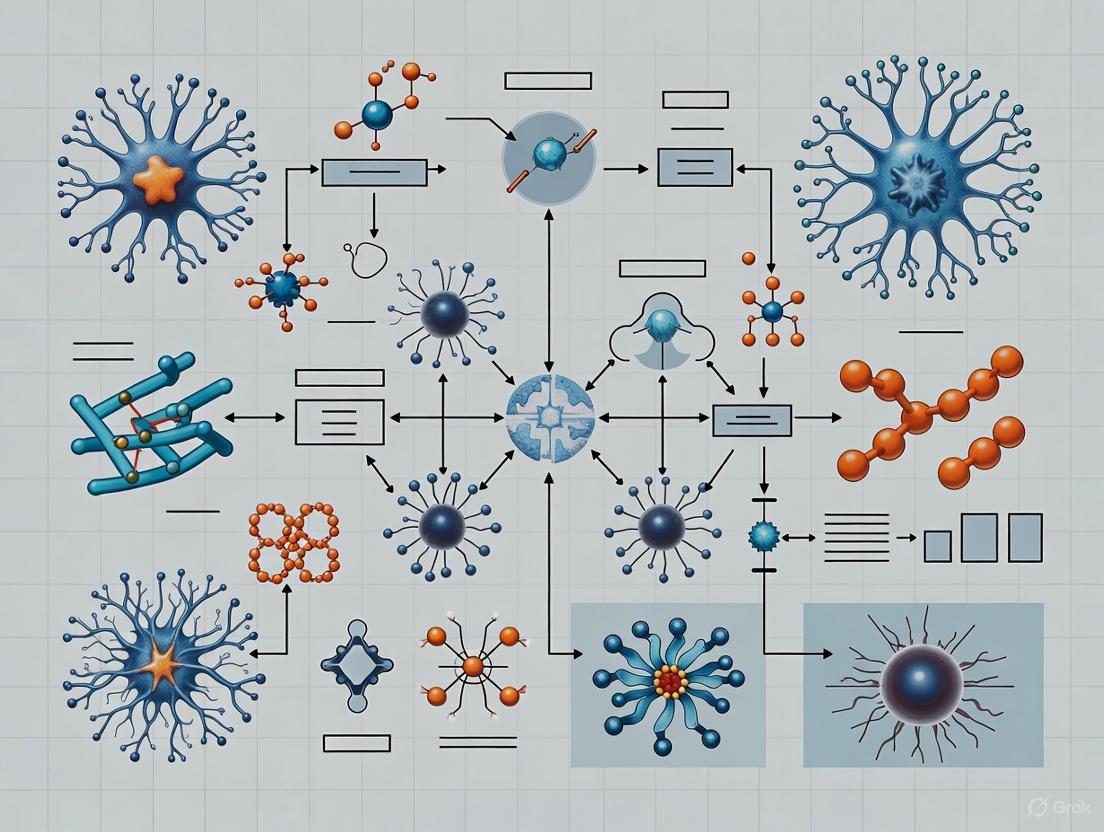
Spiking Neural Networks: The Next Frontier in Brain-Inspired Computing for Biomedical Research
Spiking Neural Networks (SNNs), the third generation of neural networks, offer a paradigm shift from traditional artificial neural networks (ANNs) by mimicking the brain's efficient, event-driven communication.
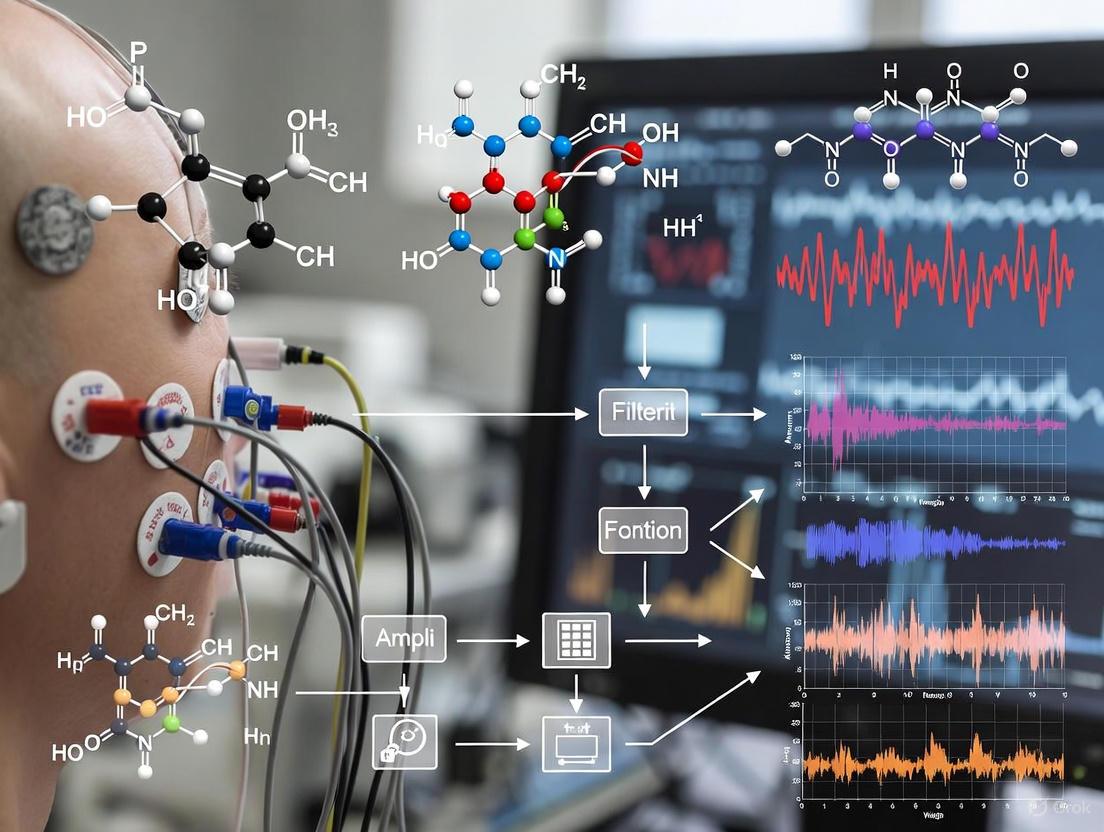
From Signal to Synapse: Advanced EEG Processing for Next-Generation Brain-Computer Interfaces
This article provides a comprehensive analysis of the latest methodologies and advancements in electroencephalogram (EEG) signal processing for brain-computer interfaces (BCIs), tailored for researchers and biomedical professionals.
Neuroscience Technology in 2025: 7 Future Trends Reshaping Brain Research and Drug Development
This article explores the pivotal neuroscience technology trends of 2025 that are revolutionizing research and therapeutic development.
Non-Invasive Brain Stimulation for Cognitive Enhancement: Mechanisms, Applications, and Future Directions in Biomedical Research
This article provides a comprehensive analysis of non-invasive brain stimulation (NIBS) as a tool for cognitive enhancement, tailored for researchers, scientists, and drug development professionals.
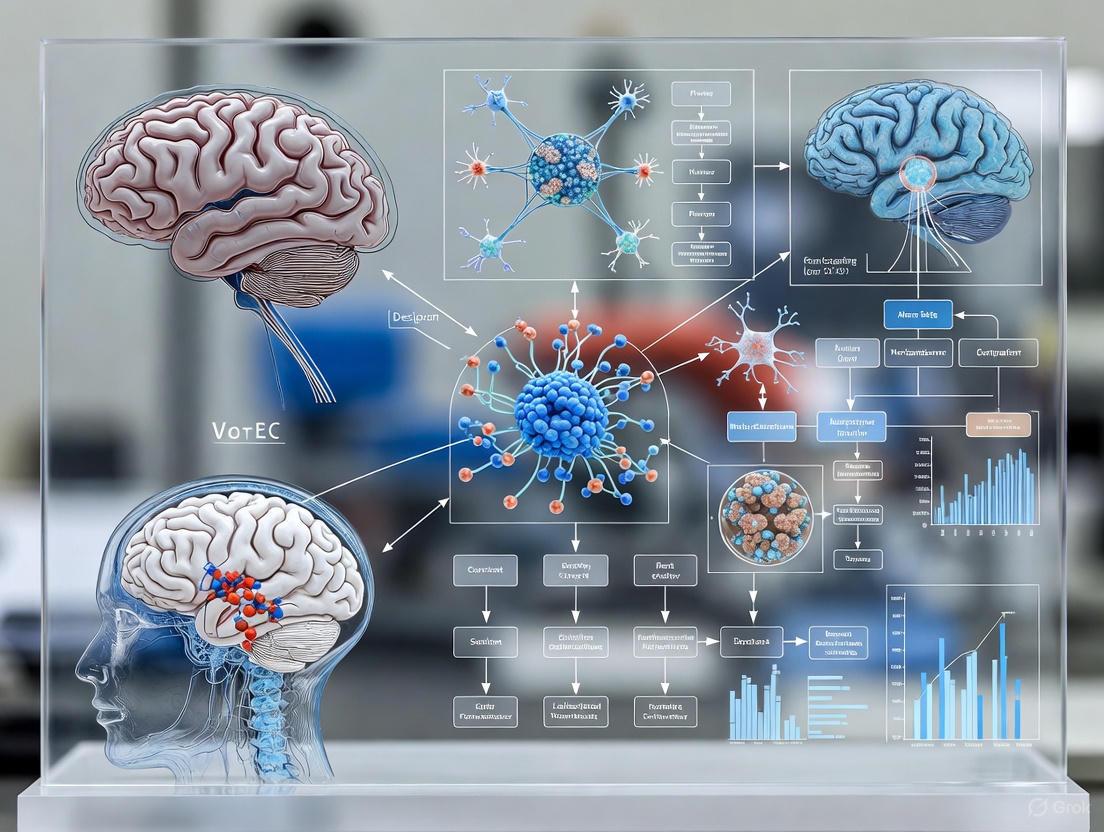
Neurotechnology and Ethics: Navigating the Moral Landscape of Brain Augmentation in Biomedical Research
This article provides a comprehensive analysis of the ethical implications arising from the rapid advancement of brain augmentation technologies.
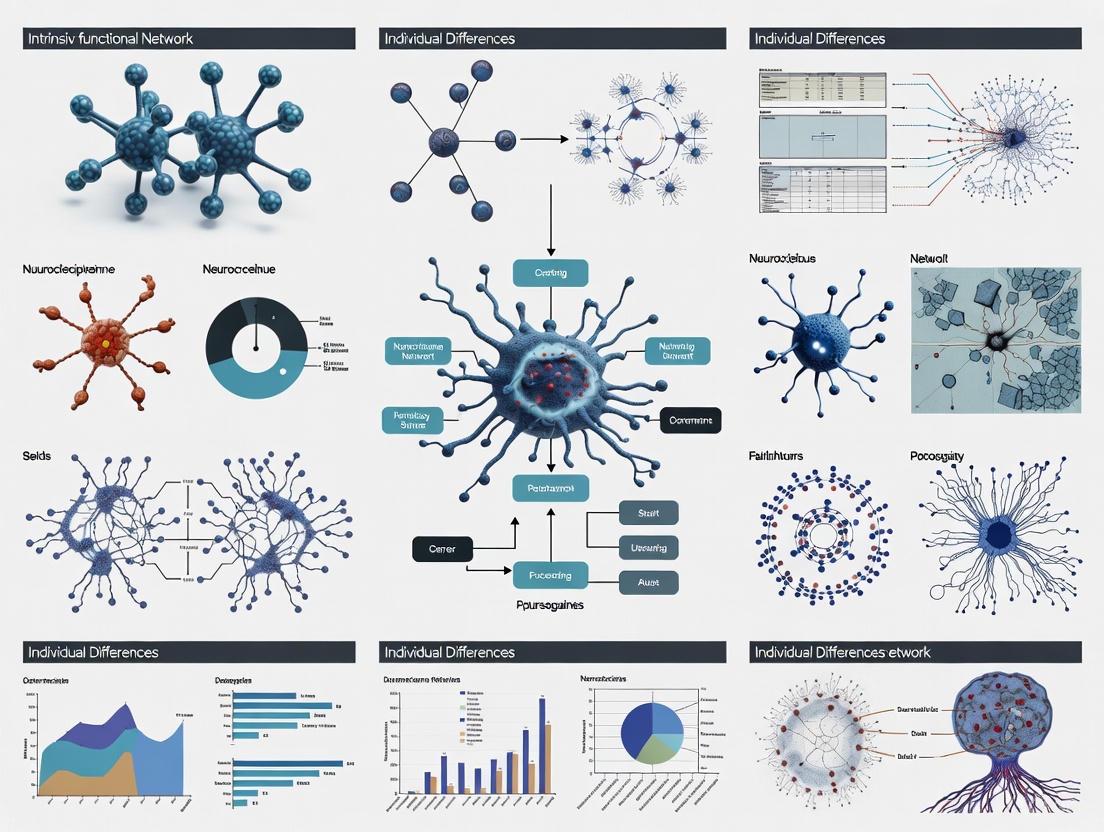
Intrinsic Functional Network Neuroscience: Unlocking Individual Differences for Precision Medicine
This article synthesizes current research on Intrinsic Functional Network Neuroscience (ifNN) and its pivotal role in quantifying individual differences in brain organization.
Bridging Minds and Machines: How Deep Learning Neural Networks Are Revolutionizing Neuroscience Research and Drug Development
This article provides a comprehensive overview of the transformative role of deep learning neural networks in modern neuroscience and drug development.
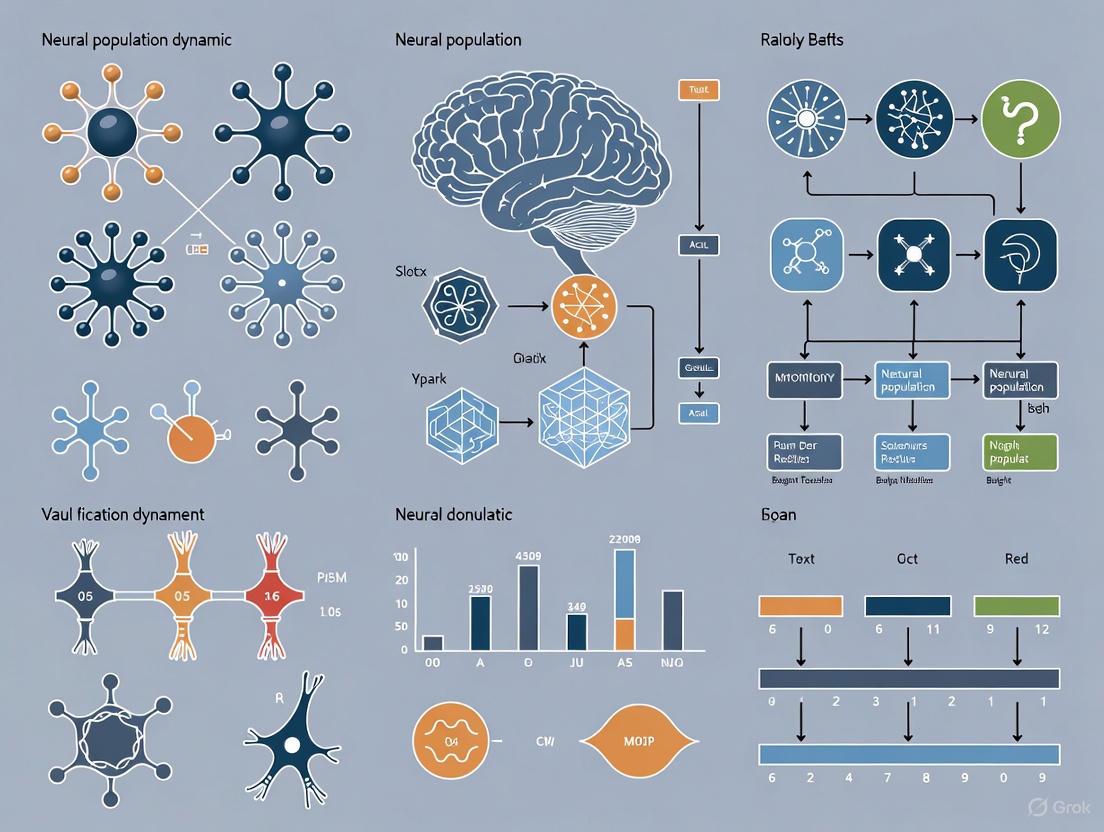
Neural Population Dynamics: From Circuit Computation to Novel Therapeutic Targets
This article provides a comprehensive exploration of neural population dynamics, a foundational framework for understanding how brain-wide networks perform computations driving cognition and behavior.
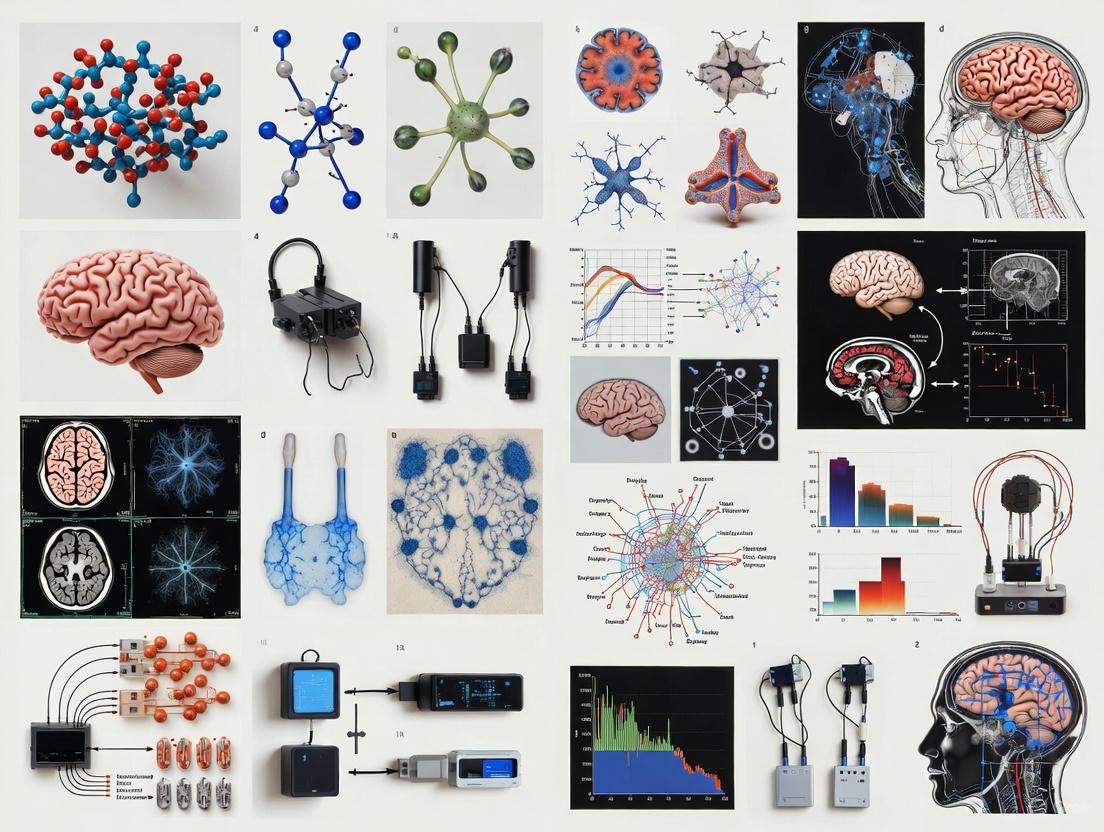
Brain-Computer Interfaces in 2025: A Neuroscience and Clinical Applications Review for Researchers
This article provides a comprehensive analysis of the current state and future trajectory of Brain-Computer Interfaces (BCIs) for an audience of researchers, scientists, and drug development professionals.
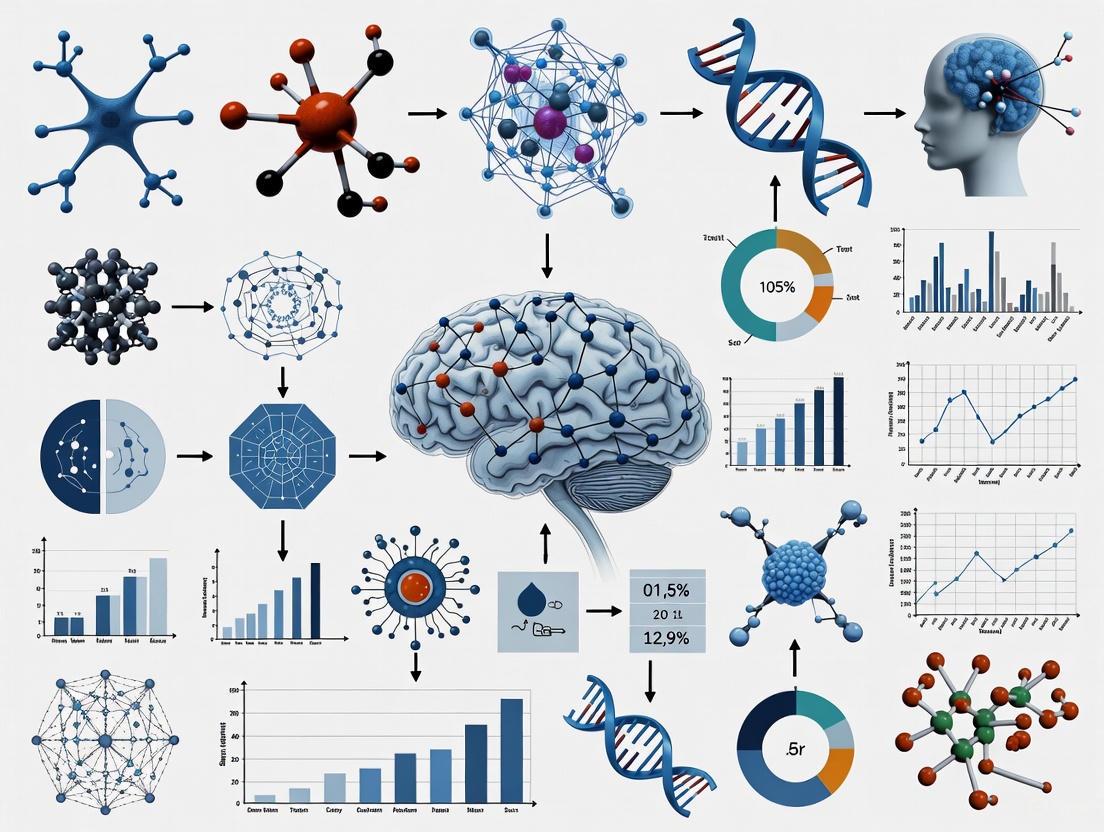
Measuring Brain Augmentation: A Comprehensive Framework for Outcome Assessment in Research and Clinical Trials
This article provides a comprehensive framework for the selection, application, and validation of outcome measures in brain augmentation technology research. Tailored for researchers and drug development professionals, it explores foundational concepts in cognitive and physical enhancement, details methodological approaches for invasive and non-invasive technologies, addresses key challenges in data interpretation and ethical considerations, and establishes criteria for the comparative analysis and validation of emerging augmentation strategies. The synthesis of current evidence and future-looking perspectives aims to standardize efficacy assessment and accelerate the translation of neurotechnology from laboratory to clinical practice.