Spiking Neural Networks: The Next Frontier in Brain-Inspired Computing for Biomedical Research
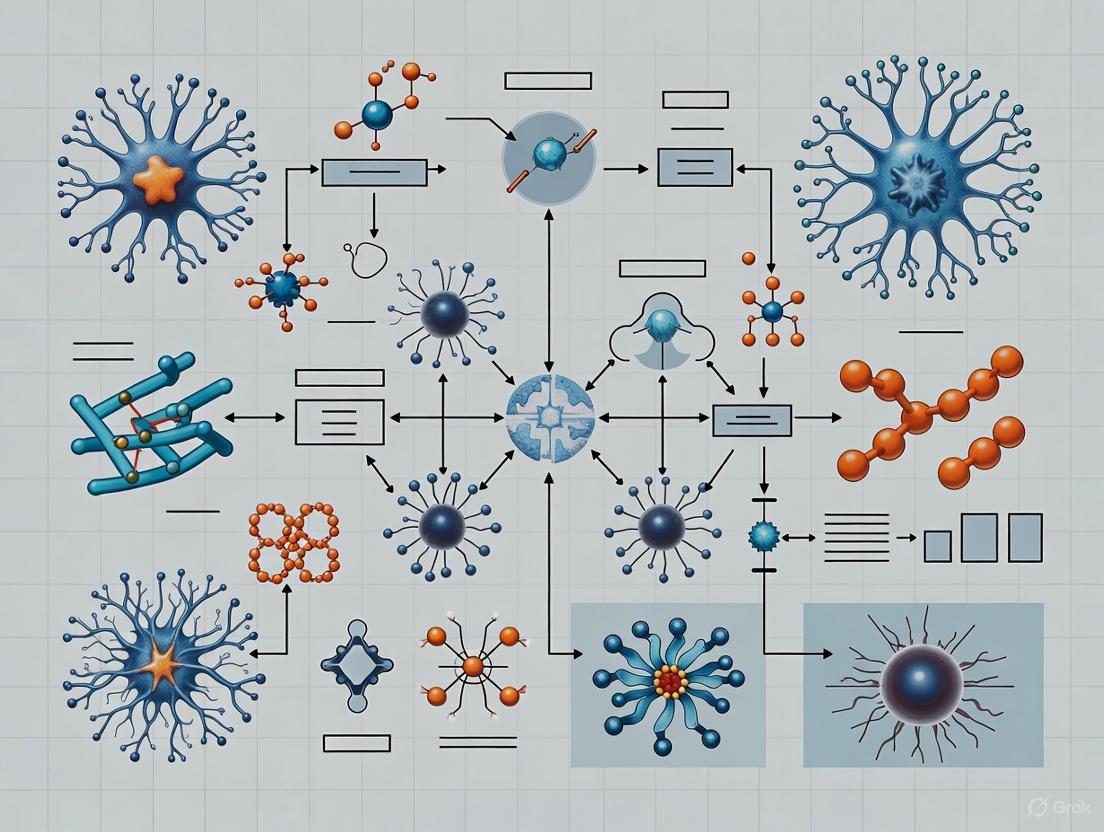
Spiking Neural Networks (SNNs), the third generation of neural networks, offer a paradigm shift from traditional artificial neural networks (ANNs) by mimicking the brain's efficient, event-driven communication.
Spiking Neural Networks: The Next Frontier in Brain-Inspired Computing for Biomedical Research
Abstract
Spiking Neural Networks (SNNs), the third generation of neural networks, offer a paradigm shift from traditional artificial neural networks (ANNs) by mimicking the brain's efficient, event-driven communication. This article provides a comprehensive overview of SNNs for researchers and drug development professionals, covering their foundational principles in biology, recent breakthroughs in training methodologies like surrogate gradients and exact gradient descent, and their inherent advantages in energy efficiency and temporal data processing. We delve into the challenges of network optimization and troubleshooting, present a comparative analysis of SNN performance against ANNs, and explore their emerging potential in biomedical applications, from processing neuromorphic sensor data to enhancing privacy in sensitive clinical datasets. The synthesis of current research and future directions aims to equip scientists with the knowledge to leverage SNNs for advanced, efficient, and robust computational models in healthcare and drug discovery.
Understanding Spiking Neural Networks: Biological Inspiration and Core Principles
Action potentials are the fundamental units of communication in the nervous system, representing rapid, all-or-nothing electrical signals that enable neurons to transmit information over long distances. These discrete events are initiated when the sum of excitatory and inhibitory inputs to a neuron causes its membrane potential to reach a critical threshold, typically around -50 mV [1] [2]. The exquisite biophysical mechanisms underlying action potential generation not only enable complex computations in biological neural networks but also serve as the primary inspiration for spiking neural networks (SNNs) in artificial intelligence research. As the third generation of neural networks, SNNs directly emulate the event-driven, sparse communication patterns of biological neurons, offering promising advantages in energy efficiency and temporal data processing for applications ranging from robotics to neuromorphic vision systems [3] [4] [5].
Understanding the precise mechanisms of action potential generation and propagation provides critical insights for developing more efficient and biologically plausible artificial neural systems. This technical guide examines the biophysical principles of neuronal communication, quantitative characterization of action potentials, experimental methodologies for their investigation, and the direct translation of these biological principles to computational models in brain-inspired computing research.
Biophysical Mechanisms of Action Potential Generation
Ion Channels and Membrane Potential Dynamics
The generation of an action potential is governed by the precise orchestration of voltage-gated ion channels embedded in the neuronal membrane. In the resting state, neurons maintain a steady membrane potential of approximately -70 mV through the action of leak channels and ATP-driven pumps, particularly the Na/K-ATPase, which creates concentration gradients of sodium (Na+) and potassium (K+) ions across the membrane [2]. The resulting equilibrium potential for Na+ is approximately +60 mV, while for K+ it is approximately -85 mV, establishing the electrochemical driving forces that shape action potential dynamics [2].
When depolarizing inputs exceed the threshold potential, voltage-gated sodium channels (Nav) undergo rapid conformational changes. These channels contain positively charged amino acids in their S4 alpha-helices that are repelled by membrane depolarization, triggering a conformation change that opens the channel pore [2]. This initiates a positive feedback loop where Na+ influx further depolarizes the membrane, activating additional sodium channels. After approximately 1 ms, these channels become inactivated through a mechanism involving the linker region between domains III and IV, which blocks the pore and prevents further ion movement [2].
Simultaneously, voltage-gated potassium channels (Kv) activate, though with slower kinetics. Their opening permits K+ efflux, which drives the membrane potential back toward the resting state and eventually causes a brief hyperpolarization below the resting potential before the membrane stabilizes again [2]. This entire sequence typically occurs within 1-2 milliseconds, creating the characteristic spike shape of an action potential.
Propagation and Saltatory Conduction
Action potentials propagate along the axon through local circuit currents. In unmyelinated axons, depolarization of one membrane segment passively spreads to adjacent regions, bringing them to threshold in a continuous wave. However, in myelinated axons, the lipid-rich myelin sheath insulates the axon, forcing the depolarizing current to travel rapidly through the cytoplasm to the next node of Ranvier, where voltage-gated sodium channels are highly concentrated [2]. This saltatory conduction increases propagation velocity by more than an order of magnitude compared to unmyelinated fibers of the same diameter [2].
Table 1: Key Ion Channel Properties in Action Potential Generation
| Ion Channel Type | Activation Threshold | Kinetics | Primary Function | Equilibrium Potential |
|---|---|---|---|---|
| Voltage-gated Na+ (Nav) | ~-50 mV | Fast (≈1 ms) Rapid depolarization | +60 mV | |
| Voltage-gated K+ (Kv) | ~-50 mV | Slow Repolarization | -85 mV | |
| Leak K+ channels | N/A | Tonic Maintenance of resting potential | -85 mV |
Quantitative Characterization of Action Potentials
Electrophysiological Parameters
Action potentials exhibit characteristic quantitative features that can be precisely measured using electrophysiological techniques. The resting membrane potential typically ranges from -60 to -70 mV in central neurons, with threshold potentials generally lying between -50 and -55 mV [1] [2]. The peak amplitude of action potentials relative to the resting state generally reaches approximately +30 to +40 mV, resulting in an absolute peak potential around +20 to +30 mV [2]. The entire depolarization-repolarization cycle typically spans 1-2 milliseconds in fast-spiking neurons, though duration varies significantly across neuronal types [2].
Following the repolarization phase, most neurons experience a refractory period consisting of an absolute phase (approximately 1-2 ms) during which no subsequent action potential can be generated, followed by a relative refractory period where stronger stimulation is required to elicit another spike [2]. These properties limit the maximum firing rate of neurons to approximately 200-500 Hz for the most rapid spikers, though most cortical neurons operate at far lower frequencies.
Ion Concentration Dynamics and Goldman-Hodgkin-Katz Equation
The membrane potential at any moment can be mathematically described by the Goldman-Hodgkin-Katz equation, which takes into account the relative permeability of the membrane to different ions and their concentration gradients [4]:
$$ vm = \frac{RT}{F} \ln \frac{PK[K^+]{out} + P{Na}[Na^+]{out} + P{Cl}[Cl^-]{in}}{PK[K^+]{in} + P{Na}[Na^+]{in} + P{Cl}[Cl^-]_{out}} $$
Where R is the universal gas constant, T is absolute temperature, F is the Faraday constant, [A]out and [A]in are extracellular and intracellular ion concentrations, and PA is the membrane permeability for ion A [4]. For a typical neuron at rest, the relative permeability ratios are PK:PNa:PCl = 1:0.04:0.45, while at the peak of the action potential, these ratios shift dramatically to approximately 1:12:0.45 due to the massive increase in sodium permeability [4].
Table 2: Quantitative Parameters of Neuronal Action Potentials
| Parameter | Typical Range | Determining Factors |
|---|---|---|
| Resting Membrane Potential | -60 to -70 mV | K+ leak channels, Na/K-ATPase activity |
| Threshold Potential | -50 to -55 mV | Density and properties of voltage-gated Na+ channels |
| Peak Amplitude | +20 to +30 mV (absolute) | Na+ equilibrium potential, channel density |
| Duration | 1-2 ms | Kinetics of Na+ channel inactivation and K+ channel activation |
| Refractory Period | 1-4 ms | Recovery kinetics of voltage-gated ion channels |
| Maximum Firing Frequency | 200-500 Hz | Duration of action potential plus refractory period |
Experimental Methodologies for Action Potential Investigation
Electrophysiological Recording Techniques
Intracellular recording methods, particularly whole-cell patch-clamp electrophysiology, provide the most direct means of investigating action potential mechanisms. This technique involves forming a high-resistance seal between a glass micropipette and the neuronal membrane, allowing precise control of the intracellular environment and accurate measurement of membrane potential dynamics [2]. For investigation of ion channel properties, voltage-clamp configurations enable researchers to measure current flow through specific channel populations while controlling the membrane potential.
Extracellular recording techniques, including multi-electrode arrays, permit simultaneous monitoring of action potentials from multiple neurons, making them particularly valuable for studying network dynamics. These approaches detect the extracellular current flows associated with action potentials, though they provide less direct information about subthreshold membrane potential dynamics [6].
Pharmacological and Genetic Manipulations
Selective ion channel blockers serve as essential tools for dissecting the contributions of specific current components to action potential generation. Tetrodotoxin (TTX), a potent blocker of voltage-gated sodium channels, completely abolishes action potentials when applied at sufficient concentrations [2]. Similarly, tetraethylammonium (TEA) and 4-aminopyridine (4-AP) block various potassium channel subtypes, typically prolonging action potential duration by slowing repolarization.
Genetic approaches, including knockout models and channelopathies, provide complementary insights into action potential mechanisms. Naturally occurring mutations in ion channel genes can cause various neurological disorders, offering valuable opportunities to study structure-function relationships in human patients and animal models [2].
Table 3: Research Reagent Solutions for Action Potential Investigation
| Reagent/Technique | Primary Function | Experimental Application |
|---|---|---|
| Tetrodotoxin (TTX) | Blocks voltage-gated Na+ channels | Isolating Na+ current contribution to action potentials |
| Tetraethylammonium (TEA) | Blocks certain K+ channels | Studying repolarization mechanisms |
| 4-Aminopyridine (4-AP) | Blocks transient K+ channels | Investigating action potential duration modulation |
| Patch-clamp electrophysiology | Intracellular recording | Direct measurement of membrane potential dynamics |
| Multi-electrode arrays | Extracellular recording | Network-level analysis of spiking activity |
| Voltage-sensitive dyes | Optical monitoring | Large-scale mapping of action potential propagation |
From Biological Neurons to Spiking Neural Networks
Computational Models of Spiking Neurons
The transition from biological action potentials to computationally efficient neuron models involves various levels of abstraction. The most biologically detailed models, such as the Hodgkin-Huxley formalism, mathematically describe the ionic currents underlying action potential generation using systems of nonlinear differential equations [3]. While highly accurate, these models are computationally expensive for large-scale simulations.
For more efficient computation in large-scale SNNs, simplified models such as the Leaky Integrate-and-Fire (LIF) neuron offer a balance between biological plausibility and computational efficiency [3] [4]. The LIF model approximates the neuron as an electrical RC circuit that integrates incoming synaptic inputs until a threshold is reached, at which point a spike is generated and the membrane potential resets [3]. Even simpler models, such as the Integrate-and-Fire (IF) neuron, remove the leak component to further reduce computational complexity [3].
Information Encoding in Biological and Artificial Spiking Systems
Biological neurons employ multiple coding schemes to represent information in spike trains. Rate coding, one of the earliest discovered mechanisms, represents information through the firing rate of neurons, with higher stimulus intensities generally producing higher firing frequencies [3]. Temporal coding schemes, including latency coding and inter-spike interval coding, utilize the precise timing of spikes to convey information more efficiently [3]. Population coding distributes information across the activity patterns of multiple neurons, enhancing robustness and representational capacity [3].
These biological encoding strategies directly inform input representation methods in SNNs. For processing static data such as images with SNNs, rate coding commonly converts pixel intensities into proportional firing rates [3]. For event-based sensors such as dynamic vision sensors (DVS) or single-photon avalanche diode (SPAD) arrays, which naturally produce temporal data streams, SNNs can process these signals directly without artificial encoding, leveraging their inherent compatibility with temporal data [3].
The following diagram illustrates the experimental workflow for investigating action potential mechanisms and translating them to computational models:
Applications in Brain-Inspired Computing and Future Perspectives
The translation of action potential principles to SNNs has enabled significant advances in multiple application domains. In robotics and continuous control, fully spiking architectures can be trained end-to-end to control robotic arms with multiple degrees of freedom, achieving stable training and accurate torque control in simulated environments [5]. For neural interfaces, ultra-low-power SNNs enable unsupervised identification and classification of multivariate temporal patterns in continuous neural data streams, making them promising candidates for future embedding in neural implants [6].
In visual processing, SNNs demonstrate particular promise for energy-efficient, event-driven computation with dynamic vision sensors, though current progress remains constrained by reliance on small datasets and limited sensor-hardware integration [3]. As neuromorphic hardware platforms such as Loihi, TrueNorth, and SpiNNaker continue to mature, they offer increasingly efficient substrates for implementing SNNs that closely emulate the sparse, event-driven computation of biological neural networks [3] [4] [5].
The following diagram illustrates the structure and signal processing differences between biological neurons, artificial neurons, and spiking neurons:
Future research directions include developing more sophisticated neuron models that better capture the computational capabilities of biological neurons while maintaining computational efficiency, improving learning algorithms for SNNs to better leverage their temporal dynamics and sparse activity, and advancing neuromorphic hardware designs to support more complex and large-scale SNN implementations [3] [7]. As these areas progress, the continued study of biological action potential mechanisms will remain essential for inspiring more efficient and capable brain-inspired computing systems.
Action potentials represent one of nature's most elegant solutions to the challenge of rapid, long-distance communication in neural systems. Their all-or-nothing nature, refined by evolution across millions of years, provides a robust signaling mechanism that enables the complex computations underlying perception, cognition, and behavior. The precise biophysical mechanisms of action potential generation—from voltage-gated ion channel dynamics to saltatory conduction in myelinated axons—offer a rich source of inspiration for developing more efficient artificial neural systems.
As brain-inspired computing continues to evolve, the principles of action potential generation and propagation will remain fundamental to designing next-generation neural networks. By maintaining a close dialogue between neuroscience and artificial intelligence research, we can continue to extract valuable insights from biological neural systems while developing increasingly sophisticated computational models for solving complex real-world problems. The ongoing translation of biological principles to computational frameworks promises to yield not only more efficient artificial systems but also deeper understanding of the neural mechanisms that underlie biological intelligence.
The relentless pursuit of artificial intelligence (AI) capabilities has been increasingly shadowed by concerns over its growing computational and energy demands [8]. Conventional artificial neural networks (ANNs), while achieving remarkable accuracy, rely on continuous-valued activations and energy-intensive multiply-accumulate (MAC) operations, making their deployment in power-constrained edge environments challenging [8] [9]. This tension has catalyzed the exploration of more sustainable, brain-inspired paradigms, chief among them being Spiking Neural Networks (SNNs).
SNNs represent the third generation of neural networks, narrowing the gap between artificial computation and biological neural processing [8] [10]. They fundamentally depart from ANNs by encoding and transmitting information through discrete spike events over time. This event-driven, sparse computational model is not only more biologically plausible but also unlocks the potential for substantial gains in energy efficiency, particularly on specialized neuromorphic hardware [8] [11]. This technical guide explores the core principles of SNNs, framing the definition of spikes as discrete, event-driven signals within the broader context of brain-inspired computing research.
Fundamental Principles: From Continuous Activations to Discrete Spikes
The transition from ANN to SNN necessitates a foundational shift in how information is represented and processed.
The ANN Paradigm: Continuous and Synchronous
In ANNs, neurons typically output continuous-valued activation functions (e.g., ReLU). Information propagates synchronously through the network in a layer-by-layer fashion. The core operation is the multiply-accumulate (MAC), where input activations are multiplied by synaptic weights and summed. This process is dense and occurs for every neuron in every layer for every input, regardless of the input's value [12] [9].
The SNN Paradigm: Discrete and Event-Driven
In contrast, SNNs communicate via binary spikes (0 or 1). A neuron's state is not a single value but a time-varying membrane potential. Input spikes cause this potential to increase ("integrate"). When the potential crosses a specific threshold, the neuron "fires," emitting an output spike and then resetting its potential [8] [13]. This leads to two key characteristics:
- Discrete Signals: Information is encoded in the timing and/or rate of these all-or-nothing spike events.
- Event-Driven Computation: Computational updates (accumulates, or ACs) only occur when a spike arrives, leading to inherent sparsity [12]. This replaces the more costly MAC operation with a simpler accumulate (AC) operation, a primary source of potential energy savings [12] [10].
Table 1: Core Operational Differences Between ANN and SNN Neurons
| Feature | Artificial Neuron (ANN) | Spiking Neuron (SNN) |
|---|---|---|
| Signal Type | Continuous-valued activations | Discrete, binary spikes (0 or 1) |
| Communication | Synchronous, layer-wise | Asynchronous, event-driven |
| Core Operation | Multiply-Accumulate (MAC) | Accumulate (AC) |
| Internal State | Typically stateless | Dynamic membrane potential with memory |
| Information Encoding | Scalar value | Spike timing and/or firing rate |
Encoding and Neuron Models: The Machinery of Spikes
Transforming real-world data into spikes and modeling the neuronal dynamics are critical to SNN functionality.
Input Encoding Strategies
Converting static or dynamic data into spike trains is the first step in the SNN processing pipeline [8] [14]. Common encoding schemes include:
- Rate Coding: The firing rate of a spike train is proportional to the input value's intensity. While simple, it often requires many time steps to represent information accurately [8] [14].
- Temporal Coding: Information is embedded in the precise timing of spikes. Time-to-First-Spike (TTFS) is a popular scheme where a stronger stimulus leads to an earlier spike, enabling fast decision-making with fewer spikes [14].
- Population Coding: A group of neurons collectively represents a single input value, with each neuron tuned to different features, enabling robust and distributed representations [14].
- Direct Input/Latency Coding: For static data like images, pixel values can be directly applied to the membrane potential of the first layer for a single time step or converted into spike latencies [8].
Core Spiking Neuron Models
The Leaky Integrate-and-Fire (LIF) model is the most widely used in practical SNN applications due to its balance of biological plausibility and computational efficiency [8] [14]. Its dynamics are governed by the differential equation:
τm * (dVm/dt) = - (Vm - Vrest) + I(t)
Where τ<sub>m</sub> is the membrane time constant, V<sub>m</sub> is the membrane potential, V<sub>rest</sub> is the resting potential, and I(t) is the input current from incoming spikes. When V<sub>m</sub> exceeds the threshold V<sub>th</sub>, a spike is emitted, and V<sub>m</sub> is reset [8] [13].
Advanced models like the Izhikevich neuron and the recently proposed Multi-Synaptic Firing (MSF) neuron offer enhanced capabilities. The MSF neuron, inspired by biological multisynaptic connections, uses multiple thresholds to emit multiple spikes per time step, allowing it to simultaneously encode spatial intensity (via instantaneous rate) and temporal dynamics (via spike timing), generalizing both LIF and ReLU neurons [13].
Diagram 1: SNN Input Encoding and Neuron Models
Training Spiking Neural Networks: Overcoming the All-or-Nothing Barrier
The non-differentiable nature of spike generation, a binary event, poses a significant challenge for applying standard backpropagation. The field has developed several sophisticated strategies to overcome this.
Supervised Learning with Surrogate Gradients
This is the most common method for direct training of SNNs. During the forward pass, the hard threshold function is used to generate binary spikes. During the backward pass, this non-differentiable function is replaced with a smooth surrogate gradient (e.g., based on the arctangent or fast sigmoid functions), which allows gradients to flow backward through time (BPTT) [8] [15]. This approach enables end-to-end training of deep SNNs while preserving their temporal dynamics [8] [14].
ANN-to-SNN Conversion
This method involves first training an equivalent ANN with constraints (e.g., ReLU activation) to achieve high performance. The trained weights are then transferred to an SNN where the firing rates of the spiking neurons approximate the activation values of the original ANN [14] [15]. While this bypasses the direct training difficulty, it often requires a large number of time steps to accurately approximate the ANN's activations, which can negate the energy and latency benefits of SNNs [14] [15].
Unsupervised Learning with STDP
Spike-Timing-Dependent Plasticity (STDP) is a biologically plausible, unsupervised local learning rule. It adjusts synaptic strength based on the precise timing of pre- and post-synaptic spikes. If a pre-synaptic spike occurs before a post-synaptic spike, the synapse is strengthened (Long-Term Potentiation); otherwise, it is weakened (Long-Term Depression) [14]. While energy-efficient and elegant, purely STDP-trained networks often struggle to match the task accuracy of supervised methods on complex benchmarks [10].
Table 2: Comparison of Primary SNN Training Methodologies
| Training Method | Mechanism | Advantages | Limitations |
|---|---|---|---|
| Surrogate Gradient (BPTT) | Uses smooth gradient approximations during backward pass | High accuracy on complex tasks (vision, speech); preserves temporal dynamics | Computationally intensive training; surrogate mismatch |
| ANN-to-SNN Conversion | Maps pre-trained ANN weights and activations to SNN firing rates | Leverages mature ANN toolchains; high conversion accuracy for some models | High latency (many time steps); performance loss in low-latency regimes |
| STDP (Unsupervised) | Adjusts weights based on relative spike timing | High energy efficiency; biological plausibility; online learning | Typically lower accuracy on supervised tasks; scaling challenges |
Experimental Benchmarks and Performance Analysis
Empirical studies provide critical insight into the performance and efficiency trade-offs between ANNs and SNNs.
Standardized Benchmarking on Vision Tasks
A comprehensive tutorial-study benchmarked SNNs against architecturally matched ANNs on MNIST and CIFAR-10 datasets [8]. The experiments utilized a shallow fully connected network on MNIST and a deeper VGG7 architecture on CIFAR-10, testing various neuron models (LIF, sigma-delta) and input encodings (direct, rate, temporal). Key findings are summarized below:
Table 3: Benchmark Results for SNNs vs. ANNs on Vision Tasks [8]
| Dataset / Model | ANN Baseline Accuracy | Best SNN Configuration | SNN Accuracy | Key Efficiency Insight |
|---|---|---|---|---|
| MNIST (FCN) | 98.23% | Sigma-Delta Neuron + Rate/Sigma-Delta Encoding | 98.1% | Competitive accuracy, energy below ANN baseline |
| CIFAR-10 (VGG7) | 83.6% | Sigma-Delta Neuron + Direct Input (2 time steps) | 83.0% | Up to 3x efficiency vs. matched ANN; minimal performance gap |
The study identified that thresholds and the number of time steps are decisive factors. Intermediate thresholds and the minimal time window that still meets accuracy targets typically maximize efficiency per joule [8].
Fair Comparison in a Regression Task: Optical Flow
A critical study on event-based optical flow estimation addressed common comparison pitfalls by implementing both ANN and SNN (LIF neurons) versions of the same "FireNet" architecture on the same neuromorphic processor (SENECA) [12]. Both networks were sparsified to have less than 5% non-zero activations/spikes.
Key Experimental Protocol & Finding:
- Methodology: The ANN and SNN were designed with identical structures, parameter counts, and activation/spike densities. Performance, energy, and time were measured on the same hardware [12].
- Result: The SNN implementation was found to be more time- and energy-efficient. This was attributed to the different spatial distribution of spikes versus activations; the SNN produced fewer pixels with spikes, leading to fewer memory accesses—a dominant factor in energy consumption [12]. This highlights that beyond the AC-vs-MAC advantage, spike sparsity patterns can yield additional hardware benefits.
Application in Speech Enhancement and Brain-Machine Interfaces
SNNs are being actively applied to complex temporal tasks. A three-stage hybrid fine-tuning scheme (ANN pre-training → ANN-to-SNN conversion → hybrid fine-tuning) has been successfully applied to speech enhancement models like Wave-U-Net and Conv-TasNet, enabling fully spiking networks to operate directly on raw waveforms with performance close to their ANN counterparts [15].
In implantable brain-machine interfaces (iBMIs), where energy and memory footprints are extremely constrained, SNNs have shown a favorable Pareto front in the accuracy vs. memory/operations trade-off, making them strong candidates for decoder-integrated implants [16].
For researchers embarking on SNN development and benchmarking, the following tools and concepts form a essential toolkit.
Table 4: Essential Research Toolkit for SNN Development
| Tool / Resource | Type | Function & Application |
|---|---|---|
| LIF / Sigma-Delta Neuron | Neuron Model | Baseline model for balancing biological plausibility and computational efficiency [8]. |
| MSF Neuron | Neuron Model | Advanced model for simultaneous spatiotemporal encoding; generalizes LIF and ReLU [13]. |
| Surrogate Gradient (aTan) | Training Algorithm | Enables gradient-based learning (BPTT) by approximating the non-differentiable spike function [8]. |
| Rate / Temporal Coding | Encoding Scheme | Converts continuous data into spike trains; choice depends on latency and energy constraints [8] [14]. |
| SLAYER / SpikingJelly | Software Framework | Simulates and trains SNNs using surrogate gradient methods [8]. |
| Intel Lava / Loihi | Software/Hardware | Open-source framework for neuromorphic computing; Loihi is a research chip for executing SNNs [8] [11]. |
| Activation Sparsification | Optimization Technique | Method to increase sparsity in both ANNs and SNNs, crucial for fair efficiency comparisons [12]. |
The field of spiking neural networks is rapidly evolving, driven by the need for energy-efficient and temporally dynamic AI. Research is advancing on several fronts:
- Architecture Search (SNNaS): Automating the discovery of optimal SNN architectures tailored for spike-based computation, rather than adapting ANN designs, is a critical research direction that leverages hardware/software co-design [14].
- Advanced Neuron Models: Bio-inspired models like the Multi-Synaptic Firing (MSF) neuron demonstrate that enhancing the representational capacity of single neurons can significantly boost performance while preserving low-power characteristics [13].
- Hybrid Training Paradigms: Combining the stability of ANN pre-training with the precision of SNN fine-tuning, as seen in the three-stage hybrid pipeline, is a promising path for applying SNNs to challenging dense prediction tasks like speech enhancement [15].
In conclusion, the definition of spikes as discrete, event-driven signals marks a fundamental shift from the continuous paradigm of ANNs. This shift is not merely an algorithmic detail but the core enabler of a more efficient, biologically plausible, and temporally aware form of neural computation. While challenges in training and hardware integration remain, SNNs, underpinned by their sparse and event-driven nature, are poised to be a cornerstone of sustainable and brain-inspired computing, particularly for the next generation of edge AI and real-time processing systems.
Spiking Neural Networks (SNNs) represent the third generation of neural networks, distinguished by their event-driven computation and close alignment with biological neural processes [17]. Within these networks, spiking neuron models define how input signals are integrated over time and how action potentials are generated, forming the computational basis for brain-inspired artificial intelligence systems. The selection of a neuron model involves a critical trade-off between biological plausibility, computational complexity, and implementation efficiency [18] [19]. This technical guide provides an in-depth analysis of two fundamental models: the Leaky Integrate-and-Fire (LIF) model, prized for its computational efficiency, and the Izhikevich model, renowned for its ability to reproduce rich biological firing patterns while maintaining reasonable computational demands. Understanding these models' mathematical foundations, dynamic behaviors, and implementation considerations is essential for advancing neuromorphic computing research and applications across various domains, including robotic control, medical diagnosis, and pattern recognition [18] [20].
Mathematical Foundations and Model Dynamics
Leaky Integrate-and-Fire (LIF) Model
The LIF model extends the basic integrate-and-fire mechanism by incorporating a leak current that mimics the natural decay of membrane potential in biological neurons. The model's dynamics are governed by a differential equation that describes the evolution of the membrane potential:
LIF Membrane Potential Dynamics: [ \taum \frac{dV}{dt} = -(V - EL) + RI(t) ] Where (\taum = R Cm) represents the membrane time constant, (V) is the membrane potential, (EL) is the leak reversal potential, (R) is the membrane resistance, (Cm) is the membrane capacitance, and (I(t)) is the input current [21]. When the membrane potential (V) crosses a specified threshold (V{th}), the neuron fires a spike, and (V) is reset to a resting potential (V{reset}) for a refractory period (\tau_{ref}).
The LIF model's implementation can be visualized through its core operational workflow, which encompasses both the subthreshold integration and spike generation mechanisms:
Izhikevich Neuron Model
The Izhikevich model strikes a balance between biological fidelity and computational efficiency by combining a quadratic nonlinearity with a recovery variable. The model is described by a two-dimensional system of differential equations:
Izhikevich Model Equations: [ \frac{dV}{dt} = 0.04V^2 + 5V + 140 - u + I ] [ \frac{du}{dt} = a(bV - u) ] With the spike reset condition: [ \text{if } V \geq 30 \text{ mV, then } V \leftarrow c, u \leftarrow u + d ] Where (V) represents the membrane potential, (u) is the recovery variable that accounts for potassium channel activation and sodium channel inactivation, and (I) is the synaptic input current [18] [17]. The parameters (a), (b), (c), and (d) are dimensionless constants that determine the model's dynamics and allow it to reproduce various neural firing patterns observed in biological systems, including tonic spiking, bursting, and chaotic behavior.
The dynamic behavior of the Izhikevich model can be visualized through its phase plane analysis, which reveals the interaction between membrane potential and recovery variable:
Comparative Analysis of Model Characteristics
Table 1: Quantitative Comparison of LIF and Izhikevich Neuron Models
| Characteristic | Leaky Integrate-and-Fire (LIF) | Izhikevich Model |
|---|---|---|
| Computational Complexity | Low (1 differential equation) | Medium (2 differential equations) |
| Biological Plausibility | Limited | High (multiple firing patterns) |
| Hardware Implementation Cost | Low resource utilization | Moderate resource requirements |
| FPGA Operating Frequency | High (reference implementation) | ~3.18x faster than original [18] |
| Power Consumption | Low | Moderate (depends on implementation) |
| Number of Parameters | 4-6 (Cm, Rm, Vth, Vreset, etc.) | 4 (a, b, c, d) plus 2 state variables |
| Firing Patterns | Regular spiking only | 20+ patterns (tonic, bursting, chaotic) [17] |
| Memory Requirements | Low | Moderate (additional state variables) |
Table 2: Dynamic Behavior Capabilities of Neuron Models
| Dynamic Behavior | LIF Model | Izhikevich Model |
|---|---|---|
| Tonic Spiking | Limited implementation | Full support [17] |
| Bursting | Not supported | Full support [17] |
| Spike Frequency Adaptation | Requires extension | Native support |
| Chaotic Dynamics | Not supported | Identifiable through bifurcation analysis [18] |
| Initial Bursting | Not supported | Full support |
| Delayed Firing | Not supported | Full support [17] |
| Subthreshold Oscillations | Not supported | Possible with parameter tuning |
| Mixed Mode Oscillations | Not supported | Supported |
Hardware Implementation and Experimental Protocols
FPGA Implementation and CORDIC-Based Design
Recent advances in digital hardware design have enabled efficient implementation of both LIF and Izhikevich models on Field-Programmable Gate Arrays (FPGAs). A modified Izhikevich model employing the Coordinate Rotation Digital Computer (CORDIC) algorithm demonstrates particular promise for neuromorphic applications. This approach uses adder and shifter operations to eliminate multipliers, resulting in a more efficient digital hardware implementation [18]. The CORDIC-based Izhikevich model can accurately replicate biological behaviors while achieving approximately 3.18 times speed increase compared to the original model when implemented on a Spartan6 board [18].
Experimental Protocol 1: CORDIC-Based Izhikevich Implementation
- Model Modification: Replace multiplication operations with CORDIC iterations using only adders and shifters
- Error Analysis: Quantify discrepancies between original and modified models using normalized root mean square error (NRMSE)
- Dynamic Evaluation: Assess preservation of firing patterns across parameter variations
- FPGA Synthesis: Implement design on target FPGA (e.g., Spartan6) using HDL implementation
- Performance Metrics: Evaluate operation frequency, power consumption, and resource utilization
- Validation: Compare with biological data or software simulations of original model
Memristor-CMOS Hybrid Implementations
Emerging nanoscale devices, particularly memristors, offer promising alternatives to traditional CMOS for implementing neuron models. Volatile memristors demonstrate characteristics suitable for emulating biological neurons, with resistance that spontaneously switches from low to high resistance states after removal of external voltage [19].
Table 3: Hardware Implementation Technologies for Neuron Models
| Technology | Advantages | Limitations | Neuron Model Compatibility |
|---|---|---|---|
| CMOS | Mature technology, high reliability | Area-intensive for membrane capacitor | LIF, Izhikevich (simplified) |
| FPGA | Reconfigurability, rapid prototyping | Higher power consumption than ASIC | Both models (CORDIC-Izhikevich) [18] |
| Memristor-CMOS Hybrid | Compact size, energy efficiency | Variability in memristor characteristics | LIF (demonstrated) [19] |
| Analog CMOS | High speed, low power for specific configurations | Limited programmability, sensitivity to noise | LIF (optimized) |
Experimental Protocol 2: Memristor-Based LIF Neuron Characterization
- Circuit Design: Implement membrane capacitor using Metal-Insulator-Metal (MIM) capacitor or replace with memristive device
- Leakage Mechanism: Utilize partially switched-on NMOS transistor or memristor as leakage path
- Threshold Implementation: Design comparator circuit with precise threshold detection
- Reset Mechanism: Implement spike-triggered reset circuit or utilize volatile memristor self-reset
- Characterization: Apply input currents of varying amplitudes and durations
- Metrics Measurement: Record firing frequency, spike shape, power consumption, and area utilization
Research Reagents and Computational Tools
Table 4: Essential Research Toolkit for Neuron Model Implementation
| Tool/Resource | Function/Purpose | Example Applications |
|---|---|---|
| FPGA Development Boards | Digital hardware implementation | Spartan6 for CORDIC-Izhikevich [18] |
| NEST Simulator | Large-scale network simulation | IF model simulation with STDP [22] |
| CMOS PDK | Transistor-level implementation | 55nm CMOS for LIF neurons [19] |
| Memristor Models | Volatile/non-volatile device simulation | LIF neuron without reset circuit [19] |
| Verilog-A | Behavioral modeling of neuron circuits | Biphasic RC-based LIF implementation [19] |
| STDP Learning Rules | Synaptic plasticity implementation | Cortical plasticity experiments [23] |
Applications in Neural Networks and Neuromorphic Systems
Decision-Making Systems
The Basal Ganglia (BG) plays a central role in action selection and reinforcement learning in biological systems. SNNs modeling the cortico-basal ganglia-thalamo-cortical loop have been successfully implemented using integrate-and-fire neurons for decision-making tasks in intelligent agents [20]. These networks incorporate dopamine regulation and spike-timing-dependent plasticity (STDP) to modulate learning, demonstrating the application of biologically realistic neuron models in autonomous systems.
Experimental Protocol 3: Brain-Inspired Decision-Making SNN
- Network Architecture: Implement cortico-basal ganglia-thalamo-cortical loop with 360+ IF units [23]
- Pathway Implementation: Model direct ("Go"), indirect ("No Go"), and hyperdirect pathways
- Dopamine Modulation: Incorporate D1 receptor facilitation of direct pathway and D2 receptor facilitation of indirect pathway
- STDP Learning: Apply spike-timing-dependent plasticity rules to cortico-striatal synapses
- Task Application: Deploy network to decision-making tasks (UAV navigation, obstacle avoidance)
- Performance Comparison: Evaluate against traditional reinforcement learning methods
Privacy-Enhanced SNNs with Temporal Dynamics
Izhikevich-inspired temporal dynamics can enhance privacy preservation in SNNs without modifying the underlying LIF neuron structure. Input-level transformations such as Poisson-Burst and Delayed-Burst dynamics introduce biological variability that improves resilience against membership inference attacks [17].
Experimental Protocol 4: Temporal Dynamics for Privacy Enhancement
- Spike Encoding: Implement Rate-based, Poisson-Burst, and Delayed-Burst input dynamics
- Network Training: Train identical LIF-based SNN architectures with different dynamics
- Membership Inference Attacks: Apply model inversion attacks to assess privacy vulnerability
- Privacy Metrics: Quantify Area Under the ROC Curve (AUC) with lower values indicating better protection
- Performance Evaluation: Measure classification accuracy on benchmark datasets (MNIST, CIFAR-10)
- Efficiency Analysis: Compare GPU/CPU memory usage and power consumption across dynamics
The Leaky Integrate-and-Fire and Izhikevich neuron models represent complementary approaches in the neuromorphic computing landscape. The LIF model offers computational efficiency and straightforward implementation, making it suitable for large-scale network simulations where biological detail can be sacrificed for performance. In contrast, the Izhikevich model provides a balance between computational efficiency and biological expressivity, enabling the replication of diverse neural firing patterns essential for understanding brain function and developing biologically plausible intelligent systems. Recent advances in digital hardware design, particularly FPGA implementations using multiplier-free CORDIC algorithms and memristor-based analog implementations, continue to expand the application space for both models. The choice between these models ultimately depends on the specific application requirements, considering the trade-offs between biological fidelity, computational efficiency, and implementation constraints in brain-inspired computing systems.
Information encoding represents a foundational component of spiking neural networks (SNNs), determining how external stimuli are transformed into the temporal spike patterns that constitute the native language of neuromorphic computation. This technical guide provides an in-depth examination of three principal encoding strategies—temporal patterns, rank order, and population coding—situated within the broader context of brain-inspired computing research. We synthesize current theoretical frameworks, experimental protocols, and performance benchmarks, highlighting how these biologically-plausible encoding schemes enable the low-latency, energy-efficient processing that distinguishes SNNs from conventional artificial neural networks. The analysis demonstrates that selective implementation of these encoding methods can yield accuracy within 1-2% of ANN baselines while achieving up to threefold improvements in energy efficiency, positioning SNNs as transformative technologies for embedded AI, real-time robotics, and sustainable computing applications.
Spiking neural networks represent the third generation of neural network models, narrowing the gap between artificial intelligence and biological computation by processing information through discrete, event-driven spikes over time [8]. Unlike traditional artificial neural networks (ANNs) that employ continuous-valued activations, SNNs leverage temporal dynamics and sparse computation to achieve remarkable energy efficiency—particularly on neuromorphic hardware—while natively capturing time-dependent signal structure [8] [24]. The translation of sensory data into spike-based representations constitutes a critical first step in the SNN processing pipeline, directly influencing network performance, power consumption, and temporal resolution [25] [26].
In biological nervous systems, sensory organs employ diverse encoding strategies to transform physical stimuli into patterns of neural activity. Early research suggested rate coding as the predominant information transmission mechanism, but subsequent studies have demonstrated that all sensory systems embed perceptual information in precise spike timing to enable rapid processing [25]. The human visual system, for instance, completes object recognition within approximately 150 milliseconds—a timeline incompatible with rate-based integration but readily achievable through temporal coding mechanisms [25]. This biological evidence has motivated the development of artificial encoding schemes that optimize the trade-offs between representational capacity, latency, and computational efficiency.
This technical guide examines three advanced encoding paradigms—temporal patterns, rank order, and population coding—that transcend conventional rate-based approaches. We frame our analysis within the broader research agenda of brain-inspired computing, which seeks to develop systems that emulate the brain's exceptional efficiency, robustness, and adaptive capabilities. Through standardized benchmarking, quantitative comparison, and implementation guidelines, we provide researchers with a comprehensive framework for selecting and optimizing encoding strategies based on application-specific requirements for accuracy, latency, and energy constraints.
Theoretical Foundations and Classification
Taxonomy of Neural Encoding Schemes
Neural encoding strategies can be fundamentally categorized according to whether information is represented in firing rates or precise spike timing. Rate coding schemes embed information in the average number of spikes over a defined time window, while temporal coding utilizes the exact timing and order of spikes to convey information [25]. Population codes, often mischaracterized as a separate category, represent a dimensional extension where information is distributed across ensembles of neurons in either rate or temporal domains [25].
Table 1: Classification of Neural Encoding Schemes
| Encoding Category | Subtype | Information Carrier | Biological Plausibility | Computational Efficiency |
|---|---|---|---|---|
| Rate Coding | Count Rate | Average spike count over time | Moderate | Low to Moderate |
| Density Rate | Spike probability over trials | Low | Low | |
| Population Rate | Aggregate activity across neurons | High | Moderate | |
| Temporal Coding | Time-to-First-Spike (TTFS) | Latency to first spike | High | High |
| Inter-Spike-Interval (ISI) | Timing between spikes | High | High | |
| Rank Order | Sequence of firing across population | High | High | |
| Temporal Contrast | Change detection over time | High | High | |
| Population Coding | N/A | Distributed patterns across ensembles | High | Variable |
Temporal Pattern Coding
Temporal coding schemes exploit the precise timing of spikes to achieve high information density and rapid signal transmission. The most fundamental approach, Time-to-First-Spike (TTFS) coding, encodes stimulus intensity in the latency between stimulus onset and the first spike emitted by a neuron [25] [24]. In this scheme, stronger stimuli trigger earlier spikes, creating an inverse relationship between input magnitude and firing delay that enables single-spike information transmission with minimal latency [24]. Biological evidence for TTFS coding has been identified across sensory modalities, including visual, auditory, and tactile systems [25].
Inter-Spike-Interval (ISI) coding extends this principle by representing information in the precise temporal gaps between consecutive spikes within a train [25]. This approach enables continuous value representation through temporal patterns rather than single events, increasing representational capacity at the cost of additional integration time. Temporal contrast coding represents a specialized variant that responds primarily to signal changes over time, effectively suppressing static background information to enhance resource allocation toward dynamic stimulus features [25].
Rank Order Coding
Rank order coding represents a population-level temporal scheme where information is embedded in the relative firing sequence across a group of neurons [27]. Rather than absolute spike times, the order in which different neurons fire conveys the stimulus properties, creating a sparse but highly efficient representational format. This approach aligns with neurobiological evidence showing that object categories can be encoded in spike sequences contained within short (~100ms) population bursts whose timing remains independent of external stimulus timing [27].
The computational advantages of rank order coding include rapid information extraction—since classification can occur after the first wave of spikes—and inherent noise resistance due to its relative rather than absolute timing dependencies. Experimental implementations have demonstrated that spoken words transformed into spatio-temporal spike patterns through cochlear models can be effectively learned and recognized using rank-order-based networks without supervision [27].
Population Coding
Population coding distributes information across ensembles of neurons, leveraging the collective activity patterns of neural groups to represent stimulus features with enhanced robustness and discrimination capacity [25]. In biological systems, this approach enables graceful degradation—where the loss of individual neurons minimally impacts overall function—and supports multidimensional representation through specialized tuning curves across population members [25].
Artificial implementations of population coding typically employ groups of neurons with overlapping but distinct response properties, creating a distributed representation where stimulus characteristics can be decoded from the aggregate activity pattern. This approach is particularly valuable for representing continuous variables and complex feature spaces, as the combined activity of multiple neurons provides a higher-dimensional representational basis than individual units can achieve independently [25] [24].
Quantitative Performance Analysis
Benchmarking Methodology
Standardized evaluation protocols enable direct comparison of encoding schemes across consistent architectural and task constraints. Following established experimental frameworks [8], benchmarks should employ: (1) identical network architectures across encoding conditions; (2) standardized datasets with both static (e.g., MNIST, CIFAR-10) and temporal (e.g., speech, tactile) characteristics; (3) multiple neuron models including leaky integrate-and-fire (LIF) and adaptive variants; and (4) consistent training methodologies, preferably surrogate gradient learning for supervised contexts. Performance metrics should encompass not only final accuracy but also temporal evolution of accuracy, spike efficiency per inference, energy consumption proxies, and latency to first correct classification.
Table 2: Performance Benchmarks Across Encoding Schemes on Standard Datasets
| Encoding Scheme | MNIST Accuracy (%) | CIFAR-10 Accuracy (%) | Time Steps to Decision | Relative Energy Efficiency |
|---|---|---|---|---|
| Rate Coding | 97.8 | 81.5 | 50-100 | 1.0x (baseline) |
| TTFS | 97.2 | 79.8 | 5-20 | 3.2x |
| Rank Order | 96.5 | 78.3 | 10-25 | 2.8x |
| Population Rate | 98.1 | 82.1 | 20-50 | 1.5x |
| Sigma-Delta | 98.1 | 83.0 | 2-10 | 2.5x |
Interpretation of Comparative Results
Experimental data reveals consistent trade-offs between encoding approaches. Rate coding implementations generally achieve competitive accuracy—reaching 98.1% on MNIST and 83.0% on CIFAR-10 with sigma-delta neurons [8]—but require extended temporal windows for integration, resulting in higher latency and energy consumption. Temporal coding schemes like TTFS demonstrate substantially faster decision-making (as few as 2-10 time steps) and superior energy efficiency (up to 3.2× improvements over rate coding) but may exhibit slight accuracy reductions on complex visual tasks [8] [24].
Sigma-delta encoding emerges as a particularly balanced approach, achieving ANN-equivalent accuracy (83.0% on CIFAR-10 vs. 83.6% for ANN baseline) while maintaining significant energy advantages through minimal time step requirements [8]. The number of time steps and firing thresholds represent critical tuning parameters across all schemes, with intermediate thresholds and the minimal time window satisfying accuracy targets typically maximizing efficiency per joule [8].
Experimental Protocols and Implementation
Protocol 1: Temporal Encoding for Static Image Classification
Objective: Implement and evaluate time-to-first-spike encoding for MNIST digit classification.
Materials: MNIST dataset; snnTorch or SpikingJelly framework; shallow fully-connected network (784-800-10) with LIF neurons.
Procedure:
- Data Preprocessing: Normalize pixel values to [0,1] range using torchvision.transforms.
- TTFS Encoding: Convert pixel intensities to spike times using inverse relationship:
spike_time = T_max * (1 - pixel_value)where T_max represents maximum simulation time. - Network Configuration: Initialize network with LIF neurons (τmem=10ms, Vth=1.0).
- Training: Employ surrogate gradient descent (arctan surrogate function) with BPTT, learning rate=1e-3, batch_size=128.
- Evaluation: Measure accuracy across time steps, latency to correct classification, and total synaptic operations.
Expected Outcomes: Classification accuracy >97% within 20 time steps, with first decisions emerging within 5-10 steps. Energy consumption should approximate 35% of equivalent rate-coded implementation [8] [28].
Protocol 2: Rank Order Coding for Audio Pattern Recognition
Objective: Implement rank order coding for spoken digit recognition from the Free Spoken Digit dataset.
Materials: FSDD dataset; cochlear model filter bank; spiking convolutional network.
Procedure:
- Cochlear Processing: Decompose audio signals into frequency channels using 32-band Gammatone filter bank.
- Feature Extraction: Generate sonogram representation through time-binning of channel energies.
- Rank Order Encoding: Convert feature map to spike sequence where higher activation values fire earlier.
- Network Architecture: Implement 2-layer convolutional SNN with stdp learning.
- Evaluation: Measure accuracy, robustness to noisy conditions, and energy per classification.
Expected Outcomes: Accuracy >90% with significant noise robustness; 3× faster classification compared to rate-based approaches [27] [26].
Protocol 3: Population Coding for Tactile Information Processing
Objective: Implement population coding for dynamic tactile stimulus classification.
Materials: Tactile sensor data; heterogeneous neuron population with varied tuning curves; Intel Loihi or SpiNNaker platform.
Procedure:
- Tuning Curve Design: Create population of 50 LIF neurons with sigmoidal tuning curves spanning stimulus range.
- Stimulus Encoding: Map sensor values to population activity patterns through divergent connections.
- Decoding: Implement Bayesian optimal decoding or population vector readout.
- Validation: Test on slip detection and texture discrimination tasks.
- Metrics: Measure classification fidelity, adaptation speed, and power consumption.
Expected Outcomes: Sub-millisecond latency, sub-milliwatt power consumption, and graceful performance degradation under neuron failure conditions [24].
Visualization Framework
Computational Graph for Encoding Schemes
Figure 1: Computational taxonomy of neural encoding schemes, illustrating the transformation of raw sensory data into spike-based representations through distinct algorithmic pathways.
Experimental Workflow for Encoding Evaluation
Figure 2: Standardized experimental workflow for systematic evaluation of encoding schemes, encompassing data processing, model development, and multi-dimensional performance assessment.
The Researcher's Toolkit
Table 3: Essential Research Reagents and Computational Resources
| Resource Category | Specific Tool/Solution | Function/Purpose | Implementation Example |
|---|---|---|---|
| Software Frameworks | snnTorch [28] | SNN simulation and encoding | spikegen.latency() for TTFS encoding |
| Intel Lava [8] | Neuromorphic computing | Cross-platform SNN deployment | |
| SpikingJelly [8] | SNN research platform | Surrogate gradient training | |
| Neuromorphic Hardware | Intel Loihi [8] [26] | Event-based processing | Energy-efficient SNN deployment |
| SpiNNaker [8] [26] | Massively parallel SNN simulation | Large-scale network emulation | |
| Encoding Modules | Poisson Generator [28] | Rate coding implementation | spikegen.rate(data, num_steps=100) |
| Latency Encoder [28] | Temporal coding | spikegen.latency(data, tau=10) |
|
| Delta Modulator [28] | Change detection | spikegen.delta(data, threshold=0.1) |
|
| Datasets | MNIST/CIFAR-10 [8] | Benchmark validation | Standardized performance comparison |
| Free Spoken Digit [26] | Temporal pattern recognition | Audio processing applications | |
| Tactile Sensing [24] | Robotic perception | Real-world sensorimotor integration |
Information encoding represents a critical determinant of overall system performance in spiking neural networks, establishing the fundamental representation through which sensory data is transformed into computationally useful spike patterns. Temporal coding schemes offer exceptional efficiency for latency-sensitive applications, while rank order coding provides rapid classification through sparse sequential representations. Population coding delivers robustness and enhanced representational capacity for complex feature spaces. The selective implementation of these approaches—guided by application-specific requirements for accuracy, latency, and energy constraints—enables researchers to harness the full potential of brain-inspired computing paradigms.
Future research directions should focus on adaptive encoding frameworks that dynamically adjust coding strategies based on stimulus characteristics and task demands, hybrid schemes that combine the advantages of multiple approaches, and tighter co-design between encoding algorithms and neuromorphic hardware architectures. As SNN methodologies continue to mature, advanced encoding strategies will play an increasingly pivotal role in bridging the gap between biological information processing and artificial intelligence systems, ultimately enabling more efficient, robust, and adaptive machine intelligence across embedded, robotic, and edge computing domains.
Spiking Neural Networks (SNNs), often regarded as the third generation of neural networks, represent a paradigm shift in brain-inspired computing by mimicking the event-driven and sparse communication of biological neurons [10] [29]. Unlike traditional Artificial Neural Networks (ANNs) that rely on continuous-valued activations, SNNs process information through discrete, asynchronous spikes, leading to fundamental computational advantages. These inherent properties position SNNs as a transformative technology for applications where energy efficiency, real-time temporal processing, and computational sparsity are critical, such as in edge AI, neuromorphic vision, robotics, and autonomous space systems [30] [10] [7]. This whitepaper provides an in-depth technical analysis of the three core advantages of SNNs—energy efficiency, temporal dynamics, and sparsity—framed within the context of advanced brain-inspired computing research. It offers a detailed examination of the underlying mechanisms, supported by quantitative data from current research and elaborated methodologies for experimental validation.
Energy Efficiency: The Core Driver
The energy superiority of SNNs stems from their event-driven nature. Neurons remain idle until they receive incoming spikes, and communication occurs through binary events, drastically reducing the energy-intensive multiply-accumulate (MAC) operations prevalent in ANNs [10] [29].
Quantitative Energy Analysis
Recent empirical studies across diverse applications demonstrate significant energy reductions.
Table 1: Measured Energy Efficiency of SNNs Across Applications
| Application Domain | Model / Technique | Energy Savings / Consumption | Baseline for Comparison |
|---|---|---|---|
| 3D Scene Rendering | SpiNeRF (Direct-trained SNN) [29] | Up to 72.95% reduction | Full-precision ANN-based NeRF |
| Natural Language Processing | SpikeBERT with Product Sparsity [31] | 11x reduction in computation | SNN with standard bit sparsity |
| Hardware Acceleration | Prosperity Architecture [31] | 193x improvement in energy efficiency | NVIDIA A100 GPU |
| Unsupervised Learning | STDP-trained SNNs [10] | As low as 5 mJ per inference | Not Specified |
Experimental Protocol: Measuring SNN Energy Efficiency
A standard protocol for a hardware-agnostic theoretical energy estimation, as utilized in space application studies [30] [32], involves the following steps:
- Spike Activity Profiling: Run inference on a target dataset (e.g., EuroSAT for scene classification) and profile the network's activity. The key metric is the average number of spikes per neuron per time step, which determines activity sparsity.
- Energy Model Formulation: Develop an energy model based on the fundamental operations of an SNN. A standard model accounts for:
- Synaptic Operations: Energy consumed when a spike triggers a synaptic weight lookup and membrane potential update. The cost is proportional to the number of incoming spikes and fan-out connections.
- Neuronal Dynamics: Energy required for leak integration, threshold comparison, and reset mechanisms of each neuron at every time step.
- The total energy
E_totalcan be modeled as:E_total = N_spikes * (E_synaptic) + N_neurons * T * (E_leak + E_threshold), whereTis the number of time steps.
- Hardware-Specific Calibration: To predict energy consumption on specific neuromorphic hardware (e.g., BrainChip Akida AKD1000), the theoretical model is calibrated using the hardware's documented energy costs for its primitive operations [30].
- Validation: The model's predictions are validated against actual physical measurements from the hardware platform to ensure accuracy.
Temporal Dynamics: Encoding Time in Computation
SNNs inherently process information encoded in time, as the timing of spikes carries critical information. This makes them exceptionally suited for spatio-temporal data like video, audio, and biomedical signals [10] [33].
Neuron Models with Complex Dynamics
The Leaky Integrate-and-Fire (LIF) model is the standard SNN neuron. A more advanced variant, the Adaptive LIF (adLIF) neuron, adds a second state variable for an adaptation current, w(t) [33]. The dynamics are described by:
Membrane Potential Integration:
τ_u * du/dt = -u(t) + I(t) - w(t)whereτ_uis the membrane time constant,u(t)is the membrane potential, andI(t)is the input current.Adaptation Current Dynamics:
τ_w * dw/dt = -w(t) + a * u(t) + b * z(t)whereτ_wis the adaptation time constant,acontrols sub-threshold coupling, andbscales the spike-triggered adaptation.
This negative feedback loop enables complex dynamics like sub-threshold oscillations and spike-frequency adaptation, allowing the network to act as a temporal filter and respond to changes in input spike density [33].
Diagram 1: adLIF neuron dynamics. The adaptation current creates a feedback loop that filters temporal inputs.
Experimental Protocol: Analyzing Temporal Feature Detection
To validate the temporal processing capabilities of an adaptive RSNN, as performed in [33], the following methodology can be employed:
- Network Architecture: Construct a recurrent SNN (RSNN) using adLIF neurons. The Symplectic Euler method is recommended for discretizing neuron dynamics to ensure training stability and model expressivity.
- Dataset: Use spatio-temporal benchmark datasets, such as spiking speech commands (SHD) or event-based vision (DVS128 Gesture).
- Training: Train the network using Backpropagation Through Time (BPTT) with surrogate gradients to approximate the non-differentiable spike function. Crucially, this can be done without batch normalization due to the inherent stability provided by the adaptation mechanism.
- Ablation Study: Compare performance against a control RSNN composed of standard LIF neurons.
- Analysis:
- Evaluate classification accuracy on test sets.
- Probe the network's dynamics by analyzing neuronal responses to input sequences with varying temporal statistics (e.g., sudden changes in spike rate) to demonstrate its robustness and sensitivity to temporal change.
Sparsity: The Key to Computational Efficiency
Sparsity in SNNs is twofold: dynamic sparsity in activation (spikes) and potential static sparsity in connectivity (synaptic weights). This drastically reduces data movement, which is a primary energy bottleneck in von Neumann architectures [31] [34].
Advanced Sparsity Techniques
Beyond inherent activation sparsity, research has developed advanced techniques to enhance sparsity further.
Table 2: Techniques for Enhancing Sparsity in SNNs
| Technique | Mechanism | Reported Performance Gain |
|---|---|---|
| Product Sparsity [31] | Reuses inner product results by leveraging combinatorial similarities in matrix multiplications. Reduces redundant computations. | Density reduced to 1.23% (from 13.19% with bit sparsity). 11x computation reduction. |
| Spatio-Temporal Pruning [34] | Combines spatial pruning (using LAMPS for layer-wise balance) with dynamic temporal pruning to reduce time-steps. | 98.18% parameter reduction with 0.69% accuracy improvement on DVS128 Gesture. |
| Temporal Condensing-and-Padding (TCP) [29] | Addresses irregular temporal lengths in data for hardware-friendly parallel processing, maintaining efficiency. | Enabled high-quality, energy-efficient NeRF rendering on GPUs and neuromorphic hardware. |
Experimental Protocol: Spatio-Temporal Pruning
The methodology for dynamic spatio-temporal pruning, achieving extreme parameter reduction, is outlined below [34]:
Spatial Pruning:
- Initialization: Start with a dense, randomly initialized SNN.
- Training: Train the network for a few epochs to allow connectivity patterns to emerge.
- Scoring: Use the Layer-adaptive Magnitude-based Pruning Score (LAMPS) to assign an importance score to each weight. LAMPS considers global statistics and inter-layer parameter counts to prevent bottlenecks.
- Pruning: Remove a predefined percentage of weights with the lowest scores.
- Rewinding & Retraining: Reset the remaining weights to their values from an early training iteration ("rewinding") and retrain the pruned network. Steps 3-5 are repeated iteratively to achieve the target sparsity.
Temporal Pruning:
- Redundancy Analysis: Analyze the network's activity on sequential data (e.g., from a Dynamic Vision Sensor) to identify layers where the output spike pattern becomes stable before the end of the simulation time window.
- Adaptive Halt: Implement a mechanism that dynamically halts computation for a given sample once the output of a specific layer meets a stability criterion, thus reducing temporal redundancy.
The Scientist's Toolkit
Table 3: Essential Research Reagents and Platforms for SNN Experimentation
| Item / Platform | Function / Description | Relevance to SNN Research |
|---|---|---|
| BrainChip Akida AKD1000 [30] | A commercial neuromorphic processor. | Used for validating energy efficiency models and deploying SNNs in power-constrained environments (e.g., space). |
| Surrogate Gradient [10] [33] | A differentiable approximation of the spike function's non-differentiable threshold step. | Enables direct training of deep SNNs using backpropagation through time (BPTT). |
| ANN-to-SNN Conversion [10] [29] | A method to convert a pre-trained ANN into an equivalent SNN. | Provides a path to leverage ANN performance in SNNs, though often at the cost of longer latency. |
| Dynamic Vision Sensor (DVS) [34] | A neuromorphic sensor that outputs asynchronous events (spikes) corresponding to changes in log-intensity of light. | Provides native spatio-temporal input data for SNNs, ideal for testing temporal dynamics. |
| Prosperity Architecture [31] [35] | A specialized hardware accelerator designed for SNNs. | Implements "Product Sparsity" to efficiently handle the combinatorial sparsity patterns in SNN computation. |
The inherent advantages of Spiking Neural Networks—profound energy efficiency, rich temporal dynamics, and multifaceted sparsity—are not merely theoretical. As evidenced by recent breakthroughs in 3D rendering, natural language processing, and extreme model compression, these properties are being quantitatively demonstrated in complex, real-world tasks. The ongoing development of sophisticated training algorithms like surrogate gradient learning, coupled with specialized neuromorphic hardware and sparsity-enhancing techniques, is rapidly closing the performance gap with traditional deep learning while maintaining a decisive edge in efficiency. For researchers and engineers, mastering the experimental protocols and tools surrounding SNNs is crucial for unlocking the next generation of brain-inspired, sustainable, and adaptive computing systems, particularly at the edge and in autonomous applications.
Advanced Training Methods and Emerging Biomedical Applications of SNNs
Spiking Neural Networks (SNNs) represent the third generation of neural network models, offering a brain-inspired alternative to conventional Artificial Neural Networks (ANNs) by processing information through discrete, event-driven spikes [10] [36]. This operational paradigm closely mirrors biological neural processes, offering the potential for remarkable energy efficiency and temporal dynamics unmatched by traditional deep learning approaches [37]. However, the fundamental challenge in training SNNs stems from the non-differentiable nature of the spiking mechanism, where the Heaviside step function used in the forward pass results in a derivative that is zero everywhere except at the threshold, where it is infinite [38].
This article examines two groundbreaking approaches that overcome this fundamental barrier: Surrogate Gradient (SG) Descent and Smooth Exact Gradient Descent. Surrogate Gradient methods approximate the derivative during the backward pass to enable gradient-based optimization [39] [38], while Smooth Exact Gradient methods, particularly those using Quadratic Integrate-and-Fire (QIF) neurons, facilitate exact gradient calculation by ensuring spikes appear and disappear only at the trial end [40] [41]. Within the broader context of brain-inspired computing research, these algorithms are pivotal for developing energy-constrained, latency-sensitive, and adaptive applications such as robotics, neuromorphic vision, and edge AI systems [10] [37].
The Fundamental Challenge: Non-Differentiability in SNNs
In spiking neurons, the output spike ( S[t] ) at time ( t ) is generated when the membrane potential ( U[t] ) exceeds a specific threshold ( U_{\rm thr} ):
[ S[t] = \Theta(U[t] - U_{\rm thr}) ]
where ( \Theta(\cdot) ) represents the Heaviside step function. The derivative of this function with respect to the membrane potential is the Dirac Delta function ( \delta(U - U_{\rm thr}) ), which is zero everywhere except at the threshold, where it approaches infinity [38]. This property renders standard backpropagation inapplicable, as gradients cannot flow backward through the non-differentiable spike-generation function.
Surrogate Gradient Descent
Core Principle and Theoretical Foundation
Surrogate Gradient Descent addresses the non-differentiability problem by employing an approximate derivative during the backward pass while maintaining the exact Heaviside function in the forward pass [39] [38]. This method separates the forward and backward pathways: the forward pass uses exact spike-based computation for efficient, event-driven processing, while the backward pass uses a continuous, smoothed surrogate function to estimate gradients.
The surrogate function effectively tricks the optimization process into behaving as if the network were built from differentiable units, enabling the use of standard gradient-based optimizers like Stochastic Gradient Descent (SGD) and Adam [38] [37]. This approach has become particularly powerful when combined with Backpropagation Through Time (BPTT) for training recurrent spiking networks, allowing SNNs to achieve performance comparable to ANNs in various machine learning tasks [42].
Common Surrogate Functions
Multiple surrogate functions have been proposed, all centered around the threshold and often parameterized by a smoothness factor ( k ).
Fast Sigmoid Surrogate: This function uses a piecewise linear approximation that is computationally efficient [38]. [ \frac{\partial \tilde{S}}{\partial U} = \frac{1}{(k \cdot |U{OD}| + 1.0)^2} ] where ( U{OD} = U - U_{\rm thr} ) represents the membrane potential overdrive.
Sigmoid Surrogate: A smooth sigmoidal function provides a closer approximation to the derivative of the spike function.
- ArcTan Surrogate: The shifted ArcTangent function offers another smooth, analytically tractable alternative [38].
In these functions, the hyperparameter ( k ) controls the sharpness of the approximation. As ( k \rightarrow \infty ), the surrogate derivative converges toward the true Dirac Delta derivative, but in practice, a finite ( k ) (e.g., 25) provides more stable training [38].
Experimental Implementation and Protocol
Implementation with snnTorch: The following code illustrates implementing a Leaky Integrate-and-Fire (LIF) neuron with a fast sigmoid surrogate gradient using the snnTorch library [38]:
Workflow Diagram:
Figure 1: Surrogate Gradient Descent Workflow. The forward pass uses exact spike-based computation, while the backward pass employs a surrogate function to enable gradient flow.
Training Protocol for Image Classification:
- Network Architecture: Construct a Convolutional SNN (CSNN) with architecture: 12C5-MP2-64C5-MP2-1024FC10, where 12C5 denotes 12 filters of 5×5 convolution, MP2 is 2×2 max-pooling, and 1024FC10 is a fully-connected layer mapping to 10 outputs [38].
- Data Preparation: Use the MNIST dataset, normalized with mean=0 and std=1. Employ a DataLoader with batch size=128.
- Simulation Parameters: Run simulation for
num_steps=50time steps. Use Leaky Integrate-and-Fire (LIF) neurons with decay ratebeta=0.5. - Optimization: Utilize the Adam optimizer with surrogate gradient descent and cross-entropy loss minimization.
- Performance Metrics: Monitor classification accuracy, loss convergence, and spike activity across training epochs [38].
Performance and Applications
Surrogate gradient-trained SNNs have demonstrated remarkable performance, closely approximating ANN accuracy (within 1-2%) across various benchmarks [10]. They exhibit faster convergence by approximately the 20th epoch and achieve inference latency as low as 10 milliseconds, making them suitable for real-time applications [10].
This approach is particularly effective for energy-constrained applications, with experiments showing substantial energy savings compared to equivalent ANNs, especially when deployed on neuromorphic hardware such as Intel's Loihi or SpiNNaker systems [42] [37].
Smooth Exact Gradient Descent
Core Principle and Theoretical Foundation
In contrast to surrogate methods, Smooth Exact Gradient Descent achieves exact gradient calculation by utilizing neuron models with continuously changing spike dynamics, particularly Quadratic Integrate-and-Fire (QIF) neurons [40] [41]. The key innovation lies in ensuring that spikes only appear or disappear at the end of a trial, where they cannot disrupt subsequent neural dynamics.
The QIF neuron model is governed by the differential equation: [ \dot{V} = V(V-1) + I ] where ( V ) represents the membrane potential and ( I ) represents synaptic input currents. Unlike the LIF model, where ( \dot{V} ) decays linearly with ( V ), the QIF incorporates a voltage self-amplification mechanism that becomes significant once the potential is large enough to generate spike upstrokes [40].
Mechanism of Non-Disruptive Spike (Dis-)Appearance
The crucial advantage of QIF neurons lies in their dynamics at the threshold potential. The voltage slope ( \dot{V} ) at the threshold is infinitely large, meaning that small parameter changes only cause smooth adjustments in spike timing rather than abrupt (dis-)appearances [40]. When a spike does appear or disappear, it occurs at the trial end through a continuous process, preventing disruptive changes to the network dynamics and avoiding gradient divergence.
Pseudodynamics and Pseudospikes: To address the challenge of initially silent neurons, the method introduces pseudodynamics - extending neuron evolution beyond the trial duration with added suprathreshold drive. The resulting pseudospikes exist only in this extended phase but enable gradient-based spike addition during training, effectively solving the "dead neuron" problem [40].
Experimental Implementation and Protocol
Comparative Neuron Dynamics:
Figure 2: LIF vs. QIF Neuron Response to Input Changes. QIF neurons prevent disruptive spike changes through smooth dynamics and end-of-trial spike handling.
Training Protocol with Exact Gradients:
- Neuron Model Selection: Implement QIF neurons with synaptic dynamics described by ( τs\dot{I} = -I + τs∑iwi∑{ti}δ(t-ti) ), where ( τs ) is the synaptic time constant, ( wi ) are synaptic weights, and ( ti ) are presynaptic spike times [40].
- Pseudospike Implementation: For silent neurons, extend dynamics beyond the trial with constant suprathreshold drive to generate pseudospikes that enable gradient flow.
- Gradient Calculation: Compute exact gradients with respect to both spike times and network parameters using closed-form solutions for spike timing in QIF neurons.
- Parameter Optimization: Apply gradient descent directly to minimize task-specific loss functions, adjusting both weights and delays in spiking networks [40] [43].
Performance and Applications
Smooth Exact Gradient Descent enables precise control over spike timing and provides mathematically rigorous optimization, free from approximation errors [40] [41]. This approach is particularly valuable in scientific applications requiring exact gradients, such as physical system modeling and scientific machine learning, where precise temporal coding is essential [43].
Research has demonstrated successful training of both recurrent and deep, initially silent networks using this method, achieving competitive performance on temporal pattern recognition tasks while maintaining theoretical guarantees on convergence [40].
Comparative Analysis
Performance Metrics Across Training Algorithms
Table 1: Quantitative Comparison of SNN Training Algorithms
| Training Algorithm | Theoretical Basis | Accuracy (Relative to ANN) | Energy Efficiency | Spike Count | Key Applications |
|---|---|---|---|---|---|
| Surrogate Gradient | Approximate gradient | Within 1-2% [10] | High [10] | Moderate [10] | Image classification, Speech recognition [38] |
| Smooth Exact Gradient | Exact gradient [40] | Comparable to ANN [41] | Very High [40] | Low [40] | Scientific ML, Temporal coding [43] |
| ANN-to-SNN Conversion | Activity mapping | ~1% loss [10] | Moderate | High [10] | Edge AI, Robotics [10] |
| STDP | Local plasticity | Lower on complex tasks [10] | Highest [10] | Lowest [10] | Unsupervised learning, Low-power tasks [10] |
Biological Plausibility and Computational Efficiency
Table 2: Characteristics of SNN Training Algorithms Across Biological Plausibility and Hardware Compatibility
| Training Algorithm | Biological Plausibility | Hardware Compatibility | Training Speed | Robustness to Attacks |
|---|---|---|---|---|
| Surrogate Gradient | Low [42] | High (GPUs) [36] | Fast convergence by epoch 20 [10] | Moderate [42] |
| Smooth Exact Gradient | Medium [40] | Medium (Specialized hardware) [40] | Medium [40] | High (theoretically) |
| Local Learning (e.g., DECOLLE) | High [42] | High (Neuromorphic chips) [42] | Slower convergence [42] | Highest [42] |
| BPTT | Low [42] | High (GPUs) [36] | Fast but memory-intensive [42] | Low [42] |
The Scientist's Toolkit: Research Reagent Solutions
Table 3: Essential Tools and Frameworks for SNN Research and Development
| Tool/Framework | Type | Primary Function | Compatibility |
|---|---|---|---|
| snnTorch [38] | Software Library | Surrogate gradient training | PyTorch, GPU acceleration |
| SpikingJelly [36] | Software Framework | Multiple training algorithms | PyTorch, CUDA |
| BrainCog [36] | Brain-inspired Platform | Multi-scale brain modeling | CPU/GPU, Neuromorphic chips |
| Lava [36] | Software Framework | neuromorphic computing | Loihi, Loihi 2 |
| QIF Neuron Models [40] | Computational Model | Smooth exact gradient learning | Custom implementations |
| Loihi 2 [37] | Neuromorphic Chip | Event-based SNN execution | Lava framework |
| SpiNNaker [37] | Neuromorphic System | Large-scale SNN simulation | SpiNNaker API |
Surrogate Gradient Descent and Smooth Exact Gradient Descent represent complementary breakthroughs in training spiking neural networks. Surrogate methods provide a practical, high-performance solution that leverages existing deep learning infrastructure while accommodating the event-driven nature of SNNs [39] [38]. In contrast, smooth exact gradient methods offer mathematical rigor and precise temporal control through neuron models that enable exact gradient calculation [40] [41].
Within the broader context of brain-inspired computing research, these algorithms bridge the gap between biological plausibility and computational efficiency, enabling the development of energy-constrained intelligent systems for robotics, neuromorphic vision, edge AI, and biomedical applications [10] [37]. As neuromorphic hardware continues to evolve, these training algorithms will play an increasingly vital role in realizing the full potential of brain-inspired computing, potentially transforming how we process information in resource-constrained environments and advancing our understanding of neural computation principles.
The pursuit of energy-efficient artificial intelligence has driven significant interest in spiking neural networks (SNNs) as biologically plausible alternatives to conventional artificial neural networks (ANNs). Unlike ANNs that rely on continuous-valued signals, SNNs operate using discrete spike events, making them inherently more energy-efficient and temporally dynamic due to their event-driven paradigm [10]. Within this context, ANN-to-SNN conversion has emerged as a crucial methodology for leveraging pre-trained ANN models to create efficient SNNs without incurring the substantial training costs associated with direct SNN training [44]. This conversion approach is particularly valuable for researchers and drug development professionals seeking to implement brain-inspired computing systems for applications requiring low-power operation, such as portable diagnostic devices or long-term biomedical monitoring systems.
The fundamental principle underlying ANN-to-SNN conversion is the functional approximation of ANN activation values using SNN firing rates. While early conversion methods required hundreds or thousands of time steps to achieve near-lossless accuracy, recent advances have dramatically reduced latency to fewer than 10 time steps while maintaining competitive performance [45]. These developments make SNNs increasingly practical for real-world applications where both energy efficiency and computational accuracy are critical. The conversion process effectively bridges the gap between the well-established ANN ecosystem and the emerging potential of neuromorphic computing, providing a pathway for implementing complex neural architectures like Transformers in energy-constrained environments [44].
Fundamental Conversion Methodologies
Core Conversion Framework
The foundational ANN-to-SNN conversion approach establishes a direct relationship between the activation values in ANNs and the firing rates of spiking neurons. In a typical rate-coded SNN converted from an ANN, the accuracy can be represented as Acc(SNN) = Acc(ANN) - Loss(conversion), where Loss(conversion) represents the accuracy loss introduced during the conversion process [45]. The primary challenge lies in minimizing this conversion error, which arises from discrepancies between continuous ANN activations and discrete SNN spike trains.
Early conversion methods relied on weight normalization and threshold balancing to align ANN activation ranges with SNN firing rates [45]. These approaches often required lengthy simulation times to approximate ReLU activations accurately through firing rates. Modern techniques have significantly advanced this paradigm through data-driven threshold calibration and specialized neuron models that better capture the temporal dynamics of spiking neurons while preserving the functional behavior of pre-trained ANNs [46]. The conversion process typically involves replacing ANN activation functions with spiking neuron models and carefully calibrating parameters to maintain network functionality across the domain shift from continuous to discrete computation.
Advanced Conversion Techniques
Recent research has produced sophisticated conversion methodologies that address specific limitations in earlier approaches:
Training-Free Conversion with Multi-basis Exponential Decay Neurons: This emerging approach introduces a Multi-basis Exponential Decay (MBE) neuron model that employs an exponential decay strategy and multi-basis encoding method to efficiently approximate various nonlinear operations in Transformer architectures [44]. This method eliminates the requirement for weight modifications in pre-trained ANNs and achieves near-lossless conversion accuracy with significantly lower latency across diverse tasks including computer vision, natural language understanding, and natural language generation [44].
Post-Training Quantization for Efficient Conversion: This method leverages post-training quantization (PTQ) techniques to calibrate models using a mini-batch of samples from the pre-trained ANN, eliminating the need for full dataset training [46]. By analyzing data distribution characteristics of each layer tensor, this approach sets finer-grained channel-wise thresholds rather than single thresholds per layer, significantly reducing conversion error [46]. The method further incorporates a Householder reflection matrix to mitigate discrepancies between average membrane potential in SNNs and activation values in ANNs.
Quantization Framework for Fast SNNs (QFFS): This framework introduces quantization techniques specifically designed for SNN conversion, overcoming accuracy degeneration previously observed in SNNs with limited time steps [45]. Key innovations include comprehensive analysis of "occasional noise" in spiking neurons and corresponding noise suppression methods, enabling SNNs to achieve 70.18% accuracy on ImageNet within just 8 time steps [45].
Table 1: Comparison of Advanced ANN-to-SNN Conversion Techniques
| Technique | Key Innovation | Reported Performance | Applications |
|---|---|---|---|
| Training-Free Conversion with MBE Neurons [44] | Multi-basis Exponential Decay neuron model | Near-lossless accuracy with low latency | Vision, NLU, NLG with Transformer architectures |
| Post-Training Quantization [46] | Channel-wise thresholds and Householder reflection matrix | Improved accuracy on CIFAR-10/100, ImageNet, neuromorphic datasets | CNN and Transformer-based networks |
| Quantization Framework for Fast SNNs (QFFS) [45] | Occasional noise suppression and activation compression | 70.18% on ImageNet in 8 time steps | Image classification with ultra-low latency |
Experimental Protocols and Methodologies
Conversion Workflow
The following diagram illustrates the comprehensive workflow for converting pre-trained ANNs to efficient SNNs using advanced post-training quantization and calibration techniques:
Performance Evaluation Metrics
Rigorous evaluation of converted SNNs requires multiple performance metrics beyond mere classification accuracy. The comprehensive assessment should include:
Classification Accuracy: The primary metric comparing SNN performance against the original ANN, typically measured as accuracy degradation (Acc(ANN) - Acc(SNN)) [45]. State-of-the-art conversion methods achieve within 1-2% of original ANN accuracy [10].
Inference Latency: Measured in time steps required for SNN inference, with modern techniques achieving competitive performance within 8-16 time steps [45]. Lower latency directly translates to faster inference and reduced computational overhead.
Energy Efficiency: Estimated through synaptic operations (SOPs) and spike counts, with certain coding schemes like TTFS requiring 3.5x/6.5x fewer SOPs than rate coding during training/inference processes [47]. This metric is crucial for edge deployment and biomedical applications.
Computational Efficiency: Assessed through processing latency and hardware implementation overhead, with temporal coding schemes like TTFS coding requiring 4x/7.5x lower processing latency than rate coding [47].
Table 2: Quantitative Performance of ANN-to-SNN Conversion Across Architectures and Datasets
| Network Architecture | Dataset | Time Steps | ANN Accuracy (%) | SNN Accuracy (%) | Accuracy Gap |
|---|---|---|---|---|---|
| ViT [44] | ImageNet | 16 | 81.2 | 80.8 | 0.4 |
| ResNet [45] | ImageNet | 8 | 70.5 | 70.18 | 0.32 |
| RoBERTa [44] | GLUE | 32 | 88.7 | 88.3 | 0.4 |
| CNN [46] | CIFAR-10 | 16 | 94.1 | 93.8 | 0.3 |
| GPT-2 [44] | WikiText | 64 | 22.3 (PPL) | 22.9 (PPL) | -0.6 (PPL) |
The Scientist's Toolkit: Research Reagent Solutions
Successful implementation of ANN-to-SNN conversion requires specific computational tools and methodologies that function as "research reagents" in this domain:
Pre-trained ANN Models: Foundation models (ViT, RoBERTa, GPT-2) trained on large-scale datasets serve as the starting point for conversion, providing the knowledge base to be transferred to SNNs [44]. These are typically sourced from model zoos or custom-trained for specific applications.
Calibration Datasets: Carefully curated mini-batches (typically 1,000-2,000 samples) from the target domain used for post-training quantization and threshold calibration without requiring full dataset retraining [46]. These datasets enable model adaptation to specific operational conditions.
Neuron Models: Computational models of spiking neurons including Leaky Integrate-and-Fire (LIF), Integrate-and-Fire (IF), and specialized variants like Multi-basis Exponential Decay (MBE) neurons that implement specific temporal dynamics and encoding strategies [44] [47].
Quantization Frameworks: Software tools that implement activation quantization (typically to 2-8 bits) with occasional noise suppression mechanisms to maintain accuracy under low-precision constraints [45]. These are essential for achieving low-latency operation.
Conversion Libraries: Specialized software packages that implement threshold balancing, weight normalization, and activation function mapping between ANN and SNN domains, such as those incorporating Householder reflection matrices for error reduction [46].
Neuromorphic Simulators: Platforms for evaluating converted SNNs on target tasks while measuring key metrics including accuracy, latency, spike counts, and energy estimates [47]. These may include software simulators or interfaces to physical neuromorphic hardware.
Neural Coding Schemes for Converted SNNs
The choice of neural coding scheme significantly impacts the performance and efficiency of converted SNNs. The following diagram illustrates the relationship between different coding schemes and their performance characteristics:
Different neural coding schemes offer distinct trade-offs that make them suitable for specific application requirements:
Rate Coding: Utilizes spiking rates to represent information, providing high robustness but requiring longer processing periods and slower information transmission [47]. This approach has been experimentally discovered in most sensory systems, including visual cortex and motor cortex.
Time-to-First-Spike (TTFS) Coding: Transmits information on the arrival of the first spike, enabling super-fast transmission speeds with significantly reduced spike counts [47]. This scheme requires 4x/7.5x lower processing latency and 3.5x/6.5x fewer synaptic operations than rate coding during training/inference processes.
Phase Coding: Encodes information in spike patterns whose phases correlate with internally generated background oscillation rhythms, providing superior noise resilience compared to other schemes [47]. This approach has been experimentally observed in the hippocampus and olfactory system.
Burst Coding: Employs bursts of spikes for information transmission, offering the highest network compression efficacy and best overall robustness to hardware non-idealities for both training and inference processes [47].
ANN-to-SNN conversion represents a powerful methodology for transforming pre-trained artificial neural networks into energy-efficient spiking neural networks without sacrificing the substantial investment in pre-training. Through advanced techniques including training-free conversion with multi-basis neurons, post-training quantization with channel-wise thresholds, and specialized noise suppression mechanisms, modern conversion approaches achieve near-lossless accuracy with significantly reduced latency [44] [45] [46].
The future of ANN-to-SNN conversion lies in addressing remaining challenges including computational inefficiencies, lack of standardized benchmarks, and constraints in neuromorphic hardware [7]. Promising research directions include hybrid ANN-SNN approaches that leverage the strengths of both paradigms, scalable neuromorphic architectures optimized for converted networks, and biologically inspired adaptation mechanisms that enable continuous learning in converted SNNs [7]. As these techniques mature, they will increasingly enable researchers and drug development professionals to deploy complex neural architectures in energy-constrained environments, advancing the frontier of brain-inspired computing for biomedical applications and beyond.
Spike-Timing-Dependent Plasticity (STDP) is a foundational Hebbian learning rule for Spiking Neural Networks (SNNs) that enables unsupervised adaptation by modifying synaptic connections based on the precise relative timing of pre- and post-synaptic spikes [48]. As a core component of brain-inspired computing research, STDP provides a biologically plausible mechanism for neural systems to learn temporal patterns and correlations without external supervision, offering a pathway toward autonomous, low-power artificial intelligence that mirrors biological learning principles [49]. In mammalian brains, STDP has been observed as a fundamental mechanism underlying learning and memory formation, making it particularly valuable for neuromorphic computing systems that aim to replicate biological efficiency [50].
STDP operates on a simple principle: synapses are strengthened when a pre-synaptic spike precedes a post-synaptic spike (causal relationship), and weakened when the temporal order is reversed (anti-causal relationship) [48]. This temporal asymmetry enables SNNs to detect and learn causal patterns in input data, forming the basis for feature detection, pattern recognition, and sensory processing in adaptive systems. Unlike traditional artificial neural networks that rely on gradient-based backpropagation, STDP implements local learning rules that require only information available at the synapse, making it exceptionally suitable for distributed hardware implementation and online learning scenarios [49].
The integration of STDP with SNNs represents a significant advancement in neuromorphic computing, potentially addressing the growing computational challenges of intelligent machine learning while operating within strict power constraints [48]. By processing information through discrete, event-driven spikes and adapting through localized plasticity rules, STDP-based systems offer a compelling alternative to conventional von Neumann computing architectures, particularly for edge AI, autonomous systems, and real-time adaptive processing applications where power efficiency and temporal processing are paramount [10] [8].
Core Mechanisms and Biological Foundations
Basic STDP Principles and Mathematical Formulations
At its core, STDP modifies synaptic weight (ΔG) as a function of the time difference (Δt = t^pre - t^post) between pre-synaptic and post-synaptic spikes [49]. The standard STDP learning rule can be mathematically represented as:
[ \Delta G = f_{STDP}(t^{pre} - t^{post}) ]
Where the function (f_{STDP}) typically takes the form of a double exponential kernel [50]:
[ \Delta G = \begin{cases} A+ \cdot \exp\left(\frac{-\Delta t}{\tau+}\right) & \text{if } \Delta t > 0 \ -A- \cdot \exp\left(\frac{\Delta t}{\tau-}\right) & \text{if } \Delta t < 0 \end{cases} ]
With (A+) and (A-) representing the maximum potentiation and depression amplitudes, and (\tau+) and (\tau-) controlling the temporal windows for synaptic modification [48]. This formulation captures the essential property of STDP: causal relationships (pre-before-post) strengthen synapses, while anti-causal relationships (post-before-pre) weaken them.
The following diagram illustrates the fundamental STDP mechanism and its integration within a neuromorphic system:
Modulated STDP and Advanced Variants
While basic pair-based STDP provides fundamental temporal learning capabilities, biological systems exhibit more complex plasticity phenomena. Recent research has focused on modulated STDP variants that incorporate additional biological factors to enhance learning capabilities and address limitations of standard STDP [48]. These advanced formulations include:
Triplet-STDP: Incorporates interactions between multiple spikes (triplets of one pre-synaptic and two post-synaptic spikes), demonstrating enhanced performance in information transmission tasks, particularly when combined with adaptive neuronal properties [50]. This model accounts for experimental observations that cannot be explained by pair-based STDP alone.
Calcium-dependent STDP: Utilizes calcium signaling as a mediator of synaptic plasticity, providing a more biologically accurate representation of molecular pathways involved in learning and memory [48]. These models can account for multiple timescales of facilitation and depression observed in biological systems.
Reward-modulated STDP (R-STDP): Integrates neuromodulatory signals with temporal learning, enabling reinforcement learning scenarios where synaptic modifications are gated by reward signals [8]. This approach bridges unsupervised temporal learning with behavioral feedback.
Homeostatic STDP: Incorporates stabilization mechanisms to prevent runaway dynamics in synaptic strengths, maintaining network stability while preserving learning capabilities through mechanisms like synaptic scaling and sliding thresholds [48].
The transition from standard to modulated STDP addresses several limitations, including fixed temporal windows, inability to capture multiple timescale dynamics, and lack of integration with neuromodulatory systems [48]. These advanced variants provide more flexible and powerful learning frameworks for complex adaptive systems.
Experimental Protocols and Methodologies
Coincidence Detection Protocol
Coincidence detection represents a fundamental experimental paradigm for evaluating STDP functionality, where a network learns to identify temporally correlated inputs amid uncorrelated background activity [49]. The following protocol outlines a standardized approach for implementing and validating STDP-based coincidence detection:
Network Architecture:
- Implement a feed-forward network with 20 input neurons connected via memristive synapses to a single leaky-integrate-and-fire (LIF) output neuron [49]
- Use passive integration (0T1R) for synaptic crossbar arrays to maximize density and energy efficiency
- Employ a LIF neuron with membrane dynamics following: [ C\frac{dU(t)}{dt} = \sumi Gi Vi^{pre}(t) - \frac{1}{RL}U(t) ] where C represents membrane capacitance, U is membrane potential, (Gi) are synaptic conductances, (Vi^{pre}) are pre-synaptic spike voltages, and (R_L) is leakage resistance [49]
Stimulation Pattern:
- Designate 5 input neurons (e.g., rows 11-15) to receive synchronized spikes repeated every 840ms (coincident pattern)
- Configure remaining 15 input neurons as uncorrelated "noise" sources with randomly generated spikes based on probability (p_{spike}) (typically 0.2-1.0)
- Apply temporal jitter ((t{jitter})) to correlated inputs and random offsets ((\Delta{offset}) up to 500ms) to uncorrelated inputs to control task difficulty [49]
STDP Implementation:
- Implement bipolar voltage pulses for pre- and post-synaptic spikes with carefully tuned amplitudes and durations to ensure balanced potentiation and depression
- Employ post-synaptic spikes with larger amplitude negative pulses to accommodate asymmetric switching thresholds in memristive devices [49]
- Initialize all synaptic conductances to mid-range values (e.g., 16μS) to maximize dynamic range for both potentiation and depression
Measurement and Analysis:
- Track evolution of synaptic weights over training epochs (typically 20-60 epochs, with 10 frames per epoch)
- Monitor post-synaptic firing rates in response to correlated versus uncorrelated input patterns
- Quantify detection accuracy by comparing output spike probability for coincident versus non-coincident input patterns
The experimental workflow for STDP-based coincidence detection is systematically outlined below:
Pattern Recognition and Classification Protocol
STDP-based pattern recognition extends beyond simple coincidence detection to more complex visual processing tasks, leveraging biologically inspired network architectures:
Network Architecture and Visual Processing:
- Implement hierarchical feed-forward network mimicking mammalian visual cortex with orientation-selective neurons in V1 and V2 layers [51]
- Process input images through motion energy model with multiple spatiotemporal scales (e.g., 84 filter responses per pixel across 3 scales)
- Configure V2 layer with four pools of neurons preferentially responsive to specific orientations (0°, 45°, 90°, 135°) [51]
Input Encoding:
- Convert static images to temporal spike trains using Poisson rate coding or single-spike temporal encoding
- For grayscale images, expand 28×28 pixel images into video sequences (e.g., 20 frames with 50ms duration) to accommodate motion energy processing [51]
- Interpret filter responses as mean firing rates for Poisson spike generation
Learning Mechanism:
- Employ tempotron supervised learning rule for output weights adjustment, enabling binary classification decisions based on error-correcting strategy [51]
- Utilize Izhikevich neuron model for balancing biological plausibility and computational efficiency: [ \frac{dVt}{dt} = 0.04Vt^2 + 5Vt + 140 - Ut + I{syn}(t) ] [ \frac{dUt}{dt} = a(bVt - Ut) ] with reset condition: if V > 30mV, then V = c and U = U + d [51]
Performance Validation:
- Evaluate on standardized datasets (e.g., MNIST) with limited training samples (2000 samples vs. traditional 60000) to demonstrate sample efficiency [51]
- Measure classification accuracy and compare against ANN benchmarks and other SNN approaches
- Analyze feature selectivity and receptive field properties of trained networks
Performance Analysis and Quantitative Comparisons
STDP Variants and Their Performance Characteristics
Table 1: Comparative Analysis of STDP Variants and Performance Metrics
| STDP Variant | Key Mechanism | Applications | Advantages | Limitations |
|---|---|---|---|---|
| Pair-Based STDP [48] | Spike pair timing difference | Basic feature detection, Unsupervised learning | Simple implementation, Biological basis | Fixed time window, Limited dynamics |
| Triplet STDP [50] | Interactions of spike triplets | Information transmission, Adaptive neuron coding | Enhanced performance with adaptive neurons, Accounts for experimental data | Higher computational complexity |
| Calcium-Dependent STDP [48] | Calcium signaling mediation | Biologically realistic learning, Memory formation | Multiple timescales, Molecular pathway accuracy | Parameter sensitivity, Complex implementation |
| Reward-Modulated STDP (R-STDP) [8] | Neuromodulatory signals | Reinforcement learning, Adaptive control | Combines unsupervised + reinforcement learning | Requires reward signal definition |
| Memristor-Based STDP [49] | Memristive conductance changes | Hardware implementation, Coincidence detection | Natural STDP implementation, High density | Device variability, Integration challenges |
SNN Training Methods Comparative Analysis
Table 2: Performance Comparison of SNN Training Methods Including STDP
| Training Method | Accuracy (Relative to ANN) | Energy Consumption | Spike Count | Convergence Speed | Best Applications |
|---|---|---|---|---|---|
| STDP-Based [10] | Lower (~5-10% reduction) | Lowest (e.g., 5 mJ/inference) | Lowest | Slower | Unsupervised tasks, Low-power applications |
| Surrogate Gradient [10] [8] | Highest (within 1-2% of ANN) | Moderate | Moderate | Fastest (by 20th epoch) | Accuracy-critical applications |
| ANN-to-SNN Conversion [10] [8] | Competitive (within 1-3%) | Higher | Higher | N/A (converted) | Leveraging pre-trained ANNs |
| Hybrid Supervised STDP [8] | Moderate to High | Low to Moderate | Low to Moderate | Moderate | Balancing biology and performance |
Key Experimental Results in STDP Research
Table 3: Quantitative Results from STDP Experiments
| Experiment | Network Architecture | Key Metrics | Performance Results | Reference |
|---|---|---|---|---|
| Coincidence Detection [49] | 20 inputs → 1 LIF neuron with memristive synapses | Synaptic weight change, Detection accuracy | Selective strengthening of synchronized inputs (50-200% conductance change) | PMC (2018) |
| Image Classification [51] | Hierarchical SNN with orientation-selective neurons | Classification accuracy, Training sample efficiency | 96% accuracy on MNIST with only 2000 training samples | PMC (2020) |
| Information Transmission [50] | Adaptive neuron with STDP | Information rate, Frequency band extension | Triplet STDP achieved near-optimal information transmission, extended band to 1-5 Hz | Frontiers (2010) |
| Memristor Variability Study [49] | Crossbar array with 0T1R memristors | Device-to-device variation, System robustness | Device variation identified as main challenge for complex networks | Nature Comm (2018) |
The Scientist's Toolkit: Research Reagents and Materials
Essential Research Reagents for STDP Experiments
Table 4: Key Research Reagents and Experimental Materials
| Reagent/Material | Function/Application | Specifications/Alternatives |
|---|---|---|
| Memristive Devices [49] | Artificial synapses for hardware STDP implementation | Metal-oxide memristors (0T1R configuration), Conductance range: ~1-30μS |
| Leaky-Integrate-and-Fire (LIF) Neurons [49] | Postsynaptic neuron model for temporal integration | Membrane capacitance C, Leakage resistance RL, Firing threshold ~15-30mV |
| Izhikevich Neuron Model [51] | Biologically plausible spiking neuron | Parameters: a=0.02, b=0.2, c=-65, d=8 for regular spiking |
| Poisson Rate Encoder [51] | Convert continuous values to spike trains | Mean firing rates proportional to input intensity, Time steps: 20-100 |
| Motion Energy Model [51] | Biologically inspired visual preprocessing | Multiple spatiotemporal scales, Gabor-like filters, Orientation selectivity |
| CARLsim Platform [51] | SNN simulation environment | C/C++ with CUDA support, Multiple neuron models, Synaptic plasticity rules |
| Tempotron Learning Rule [51] | Supervised learning for decision neurons | Error-correcting strategy, Binary classification, Minimal parameter adjustment |
Implementation Guidelines and Best Practices
Hardware Implementation Considerations
Successful implementation of STDP in adaptive systems requires careful consideration of hardware constraints and opportunities:
Memristor Selection and Integration:
- Prioritize devices with balanced SET/RESET characteristics to ensure symmetric potentiation and depression in STDP windows [49]
- Address device-to-device variation through robust learning algorithms or device screening, as variability remains a primary challenge for complex networks [49]
- Utilize passive (0T1R) crossbar integration for maximal density, acknowledging potential trade-offs in device controllability
Neuron Circuit Design:
- Implement LIF dynamics with sufficient dynamic range to accommodate integrated synaptic currents without saturation
- Incorporate adjustable time constants (RLC) to match temporal processing requirements of target applications [49]
- Include configurable firing thresholds to enable homeostatic regulation and network stability
System-Level Architecture:
- Leverage event-driven, asynchronous design to maximize energy efficiency in sparse coding scenarios [8]
- Implement scalable communication fabric for spike routing that maintains locality principles essential for STDP
- Consider hybrid approaches combining CMOS spiking neurons with memristive synapses for optimal trade-offs
Parameter Optimization and System Tuning
Effective STDP system deployment requires meticulous parameter optimization:
Temporal Window Tuning:
- Adjust STDP time constants (τ+, τ-) to match temporal statistics of target signals
- Balance potentiation and depression amplitudes (A+, A-) to maintain synaptic weight stability
- Validate STDP windows against biological data where applicable for neuromorphic applications
Network Stability Measures:
- Implement homeostatic mechanisms such as synaptic scaling or sliding thresholds to prevent runaway dynamics [48]
- Monitor weight distributions throughout training to identify instability trends
- Incorporate appropriate weight bounding to maintain operational ranges of physical devices
Performance Validation:
- Establish comprehensive metrics beyond accuracy, including energy efficiency, spike efficiency, and robustness to noise [8]
- Compare against appropriate baselines (ANN equivalents, other SNN approaches) with matched complexity
- Evaluate generalization capabilities through cross-validation and varied input conditions
Future Directions and Research Opportunities
The field of STDP-based adaptive systems continues to evolve rapidly, with several promising research directions emerging:
Biophysical Fidelity and Functional Efficiency: Future research should develop more complex and biologically accurate models of modulated STDP that incorporate additional biological factors while maintaining computational efficiency [48]. This includes better integration of molecular pathways, neuromodulatory systems, and homeostatic mechanisms that provide stability in biological neural systems.
Advanced Materials and Device Structures: Novel materials systems such as two-dimensional transition metal dichalcogenides (TMDCs) show promise for enhanced neuromorphic device performance. Recent work demonstrates bioinspired gas-receptor synergistic interactions that improve memristive switching ratios by over 10,000×, enabling higher accuracy and reliability in neural computations [52].
Hybrid Learning Frameworks: Combining STDP with global error signals through hybrid supervised-unsupervised approaches such as supervised STDP (SSTDP) can leverage the strengths of both local plasticity and task-oriented learning [8]. These frameworks potentially offer the biological plausibility and efficiency of STDP with the performance guarantees of supervised methods.
Scalable Neuromorphic Architectures: Addressing the challenges of large-scale SNN implementation requires co-design of algorithms, hardware, and applications [7]. Future work should focus on standardized benchmarks, hardware-aware training methods, and system-level optimization to bridge the gap between experimental demonstrations and practical deployments.
Explainable Neuromorphic Computing: As SNNs become more complex, developing analysis tools like Spike Activation Map (SAM) that provide visual explanations of internal spike behavior without relying on gradients will be crucial for understanding and trusting SNN decisions [53]. These tools enhance transparency and facilitate deployment in critical applications.
The continued advancement of STDP-based adaptive systems promises to unlock new capabilities in energy-efficient, temporal, and autonomous computing, potentially transforming applications in edge AI, robotics, biomedical systems, and brain-computer interfaces.
Leveraging Temporal Dynamics for Real-Time Biomedical Signal Processing
The escalating computational and energy demands of conventional artificial neural networks (ANNs) pose significant challenges for their deployment in real-time biomedical applications, particularly for portable or implantable devices [54]. Brain-inspired spiking neural networks (SNNs) represent a paradigm shift, moving beyond dense, frame-based processing to embrace event-driven computation and temporal dynamics that closely mimic biological neural processing [3]. This transition is critical for processing biomedical signals such as electromyography (EMG), electroencephalography (EEG), and electrocardiography (ECG), which are inherently temporal and often sparse in nature [55].
SNNs, regarded as the third generation of neural networks, encode and process information through discrete spike events over time, enabling significantly lower power consumption through sparse, asynchronous computation [3] [55]. This intrinsic capability to process temporal information makes SNNs exceptionally well-suited for real-time biomedical signal processing, where low latency, high efficiency, and adaptive learning are paramount. Furthermore, the integration of spike-timing-dependent plasticity (STDP) as a biologically plausible learning rule allows SNNs to continuously adapt to individual patient patterns, a crucial feature for personalized healthcare applications [56] [57]. This technical guide explores the core principles, methodologies, and implementations of SNNs for leveraging temporal dynamics in real-time biomedical signal processing, framed within the broader context of brain-inspired computing research.
SNN Fundamentals and Temporal Processing
Neuron Models and Spike Encoding
The computational units of SNNs are spiking neurons, which model the dynamics of biological neurons with varying degrees of abstraction. The most widely adopted model is the Leaky Integrate-and-Fire (LIF) neuron, prized for its balance between biological plausibility and computational efficiency [3] [55]. In the LIF model, incoming spikes are integrated into a membrane potential, which decays over time due to a leak current. When this potential exceeds a specific threshold, the neuron emits an output spike and resets its potential [3]. Compared to more biologically detailed models like Hodgkin-Huxley or Izhikevich, the LIF model offers reduced computational overhead, making it feasible for large-scale simulations and hardware implementation [3] [55].
Spike encoding—the process of converting raw biomedical signals into spike trains—is a critical first step in SNN processing. The choice of encoding scheme directly impacts processing efficiency and information representation.
- Rate Coding: This scheme represents information through a neuron's firing rate. While straightforward to implement and robust to noise, it often requires longer observation windows to accurately represent stimulus magnitude and does not fully exploit precise temporal information [3].
- Temporal Coding: Methods like latency coding, delta-modulation, and inter-spike interval (ISI) coding use the precise timing of spikes to represent information. These codes are typically more processing-efficient and sparse, making them ideal for event-driven systems and fast processing [3]. For instance, event-driven differential coding can be applied to EMG signals, generating a spike only when the signal variation exceeds a set threshold, thereby reducing calculation costs and power consumption [55].
Learning with Spike Timing: STDP
Spike-timing-dependent plasticity (STDP) is a fundamental biological learning rule that adjusts synaptic strength based on the precise relative timing of pre- and postsynaptic action potentials [56] [57]. The canonical STDP rule can be summarized as follows:
- Long-Term Potentiation (LTP): If a presynaptic neuron fires shortly before a postsynaptic neuron (typically within a 10-20 ms window), the synaptic connection between them is strengthened [56] [57].
- Long-Term Depression (LTD): If the presynaptic neuron fires after the postsynaptic neuron, the connection is weakened [56] [57].
This temporally sensitive form of Hebbian plasticity allows SNNs to detect and reinforce causal relationships in input data, making it exceptionally powerful for learning temporal patterns in biomedical signals without requiring extensive labeled datasets [56]. STDP's effectiveness is further modulated by brain rhythms, neuromodulators like dopamine and acetylcholine, and interactions with glial cells, adding layers of complexity and context-sensitivity to the learning process [57].
SNN Architectures for Biomedical Signal Processing
The unique properties of SNNs make them particularly apt for a range of biomedical signal processing applications. Their low-power, event-driven operation is ideal for brain-computer interfaces (BCIs), prosthetic control, and disease diagnosis [55].
Table 1: SNN Applications in Biomedical Signal Processing
| Signal Type | Application Examples | SNN Advantages | Key Findings |
|---|---|---|---|
| EMG (Electromyography) | Gesture recognition, prosthetic control, upper-limb motion decoding [55] | Low power consumption via event-driven processing; natural fit for muscle signal dynamics [55] | SNNs achieved predictive capabilities for elbow joint angles comparable to LSTM networks, but with greater potential for power efficiency [55]. |
| ECG (Electrocardiography) | Arrhythmia detection, heart rate monitoring, cardiac condition diagnosis [55] | Ability to process temporal patterns for identifying anomalous heartbeats [55] | SNNs contribute to tasks requiring temporal pattern recognition in the heart's electrical activity [55]. |
| EEG (Electroencephalography) | Brain-computer interfaces (BCIs), seizure detection, sleep pattern analysis [55] | Compatibility with the brain's own spiking activity; suitability for processing non-stationary signals [55] | SNNs are used for cognitive state monitoring and detecting pathological patterns in brain activity [55]. |
| Intra-cortical Spikes | High-density neural recording implants, closed-loop neurostimulation [58] | On-implant spike sorting and data compression to overcome wireless transmission bottlenecks [58] | On-implant processing is essential for reducing data volume in next-generation brain implants with thousands of channels [58]. |
Case Study: Motion Decoding from EMG Signals
Decoding movement intention from surface EMG signals is a critical task for human-robot interaction and prosthetic control. SNNs offer a model-free approach that avoids the complexity of anatomical model-based methods.
Experimental Protocol:
- Signal Acquisition & Preprocessing: Surface EMG signals are recorded from electrodes placed on the skin. The signals are amplified and filtered to remove noise [55].
- Feature Extraction: A sliding window method is used to extract temporal features. A common feature is the waveform length (WL), calculated as the cumulative length of the waveform over a window [55].
- Spike Encoding: The extracted analog features are converted into spike trains using an encoder, such as a population coding scheme [55].
- Network Architecture & Training: A feedforward or recurrent SNN (typically 3-4 layers) built with Spike Response Model (SRM) or LIF neurons is used. The network is trained using frameworks like
slayerPytorchto map EMG spike inputs to continuous joint angles [55]. - Performance Validation: The predicted angles are compared to ground-truth measurements using metrics like the correlation coefficient, with performance benchmarked against traditional models like LSTM [55].
Advanced Architectures: Incorporating Dendritic Heterogeneity
Ordinary SNNs with homogeneous neurons can struggle with complex temporal signals featuring multiple timescales. Inspired by biological neurons that exhibit temporal heterogeneity across dendritic branches, the DH-LIF (Dendritic Heterogeneity LIF) model has been developed [59].
The DH-LIF neuron is a multi-compartment model where each dendritic branch possesses its own temporal memory unit with a learnable timing factor. This allows a single neuron to simultaneously capture and integrate features at different timescales—for example, fast synaptic inputs and slower modulating signals—enabling the generation of complex firing patterns like bursting, which is crucial for sophisticated temporal processing [59]. DH-SNNs have demonstrated superior performance and model compactness on tasks including speech recognition, visual recognition, and EEG signal recognition [59].
Hardware Implementation and Optimization
The theoretical advantages of SNNs are fully realized only when implemented on efficient hardware platforms. Neuromorphic processors like IBM's TrueNorth, SpiNNaker, and Intel's Loihi are designed to emulate the brain's parallel, event-driven architecture, enabling massive energy savings compared to von Neumann architectures [3] [60]. A primary goal of neuromorphic computing is to merge memory and processing, mimicking the brain's synapses and neurons to avoid the energy-intensive data traffic that plagues conventional computers [60].
The Memory Access Challenge in Synaptic Plasticity
Simulating large-scale SNNs with plastic synapses, such as STDP, demands frequent memory access, which can become a major performance bottleneck. A naive implementation requires inefficient "reverse" memory accesses to update incoming synapses when a postsynaptic neuron spikes [61].
Experimental Protocol for Memory-Efficient STDP:
- State Variable Reduction: Engineer neuron models to use minimal state variables (e.g., membrane potential, postsynaptic potential, and a single trace variable per neuron) to reduce memory footprint [61].
- Contiguous Memory Allocation: Use pointer-based data structures (e.g., Compressed Sparse Row) to store synaptic connectivity, enabling efficient memory access patterns [61].
- Custom Event-Driven Update Rule: Implement a custom event mechanism where weight updates (both causal and acausal) are triggered solely by presynaptic activity. When a presynaptic neuron is active, all postsynaptic traces are fetched, and updates are applied based on the logic in Eq. 6, eliminating the need for reverse access [61].
- Validation: Compare the distribution of synaptic weights (e.g., unimodal vs. bimodal) and the average number of memory accesses per operation against a baseline implementation to validate functional correctness and efficiency gains [61].
Table 2: Essential Research Reagent Solutions for SNN Experimentation
| Reagent / Tool | Function / Description | Application Context |
|---|---|---|
| Brian2 Simulator | A widely used clock-driven simulator for spiking neural networks [61] | Prototyping and testing SNN models and learning rules (e.g., STDP) in software. Supports GPU acceleration. |
| SlayerPytorch | A PyTorch-based framework for training SNNs with backpropagation through time (BPTT) [55] | Training SNNs for regression and classification tasks, such as EMG-based motion decoding. |
| SpiNNaker / Loihi | Neuromorphic hardware platforms designed for massively parallel simulation of SNNs [3] [61] | Energy-efficient deployment and real-time execution of large-scale SNNs. |
| Memristor / RRAM devices | Non-volatile memory devices that can emulate synaptic plasticity and enable in-memory computing [60] | Building dense, low-power analog synaptic arrays for neuromorphic chips. |
| HD-sEMG Electrode Arrays | High-density surface EMG electrode arrays for signal acquisition [55] | Capturing high-spatial-resolution muscle activity for gesture recognition and motion decoding. |
Visualizing System Architectures and Signaling
The following diagrams illustrate key workflows and learning mechanisms described in this guide.
Biomedical Signal Processing with SNNs
This diagram outlines the end-to-end pipeline for processing biomedical signals like EMG/ECG/EEG using a Spiking Neural Network.
Memory-Efficient STDP Implementation
This diagram details the custom event-driven mechanism that enables efficient STDP weight updates using only forward memory access.
Spiking neural networks, with their event-driven operation and inherent capacity for processing temporal information, represent a transformative approach for real-time biomedical signal processing. By leveraging biological principles such as spike-timing-dependent plasticity and dendritic heterogeneity, SNNs achieve a compelling combination of computational efficiency, low power consumption, and robust performance on tasks ranging from gesture recognition to arrhythmia detection. While challenges remain in standardization, hardware-aware training, and sensor-processor integration, ongoing research and development in neuromorphic computing are steadily bridging the gap between theoretical potential and practical application. The continued exploration of the brain's computational paradigms is poised to unlock a new generation of intelligent, adaptive, and energy-autonomous biomedical devices.
The integration of artificial intelligence in healthcare, particularly in drug development, has created an urgent need for privacy-preserving computing architectures. AI models used for tasks like compound screening and efficacy prediction are vulnerable to Membership Inference Attacks (MIAs), where adversaries determine whether a specific data sample was part of a model's training set [62]. Such privacy breaches are especially critical with patient health data, where the exposure of membership information could reveal sensitive medical conditions. Within this landscape, Spiking Neural Networks (SNNs) have emerged as a promising brain-inspired computing framework that potentially offers inherent privacy advantages alongside energy efficiency [63] [64]. SNNs mimic the brain's event-driven information processing through discrete, asynchronous spikes, fundamentally differing from the continuous activation patterns of traditional Artificial Neural Networks (ANNs) [62]. This unique operational paradigm may provide natural protection against privacy attacks while maintaining the performance required for sensitive applications like drug discovery and personalized medicine.
Spiking Neural Networks: A Brain-Inspired Architecture for Privacy
Fundamental Principles of SNNs
Spiking Neural Networks represent the third generation of neural network models that more closely emulate biological neural processes. Unlike ANNs that process continuous values, SNNs communicate through discrete spike events over temporal sequences [62]. Information is encoded in the timing patterns of these spikes rather than continuous activations. This event-driven operation means SNNs remain largely inactive until relevant input stimuli occur, similar to how biological neurons fire only when specific thresholds are reached [63]. This fundamental difference in computation creates a natural obscurity that enhances privacy protection.
The forward pass in SNNs involves dynamic neuronal states that evolve over time, typically modeled using leaky integrate-and-fire (LIF) mechanisms [64]. Neurons integrate incoming spikes until their membrane potential exceeds a specific threshold, triggering an output spike to downstream neurons. This temporal processing provides an additional layer of complexity that obscures the relationship between inputs and outputs, making it more difficult for attackers to extract sensitive information about training data [62].
Neuromorphic Hardware Implementation
The privacy advantages of SNNs are further amplified when implemented on neuromorphic hardware specifically designed for event-based processing. Brain-inspired chips like the T1 Spiking Neural Processor implement SNNs in silicon with collocated memory and processing units, eliminating the von Neumann bottleneck while enhancing data protection [63]. Such neuromorphic systems process sensor data locally through spike-encoded representations, ensuring that raw data never leaves the device [63]. This hardware-level privacy protection is particularly valuable for healthcare applications where patient data sensitivity requires minimized data transmission and storage.
Table: Key Characteristics of Privacy-Preserving SNN Implementations
| Characteristic | Privacy Benefit | Application in Healthcare |
|---|---|---|
| Event-driven processing | Reduced data exposure surface | Local analysis of patient vital signs |
| Temporal coding | Obfuscated input-output relationships | Protecting training data in diagnostic models |
| Local memory processing | Minimal data transmission | Edge-based health monitoring devices |
| Discrete spike communication | Innate resistance to model inversion | Secure drug target identification |
The Membership Inference Threat to Patient Data
Understanding Membership Inference Attacks
Membership Inference Attacks represent a significant privacy threat wherein an adversary determines whether a specific data record was included in a model's training dataset [62]. In healthcare contexts, successful MIAs could reveal that a particular patient's data was used to train models for specific diseases, thereby exposing sensitive health conditions. The conventional wisdom suggested that SNNs might offer inherent robustness against MIAs due to their discrete, event-driven nature [62]. However, recent research demonstrates that this resilience diminishes as inference latency increases, challenging assumptions about innate SNN privacy advantages [62].
The MIA threat is particularly acute in pharmaceutical development, where AI models are trained on proprietary chemical libraries and patient-derived biological data. Competitors could use MIAs to determine whether specific compound classes or patient cohorts were included in training, potentially revealing strategic research directions or compromising patient confidentiality [62] [65].
Formalizing the MIA Threat Model
In a typical MIA against machine learning models, adversaries exploit the differing behavior of models on training versus non-training data. Attackers carefully observe output characteristics like confidence scores or internal representations to distinguish members from non-members [62]. The attack success is typically evaluated using metrics such as the True Positive Rate (TPR) at low False Positive Rates (FPR), which provides a more realistic assessment than overall accuracy [62]. For healthcare applications, even low success rates can have significant consequences due to the sensitivity of medical information.
Experimental Analysis of SNN Vulnerability to Inference Attacks
Methodology for Assessing SNN Privacy
Recent research has systematically evaluated SNN vulnerability to MIAs using standardized assessment frameworks. The experimental protocol involves training SNN models on benchmark datasets and then launching MIAs under black-box settings where attackers only access model outputs [62]. Critical to this evaluation is the comparison with traditional ANNs under identical conditions to isolate architectural effects on privacy preservation.
Key to the assessment methodology is the input dropout strategy, which introduces stochasticity during membership inference to improve attack effectiveness against SNNs [62]. This technique strategically drops portions of input data to probe model consistency differences between member and non-member samples. The attack performance is comprehensively evaluated using Receiver Operating Characteristic (ROC) analysis, with particular emphasis on TPR at very low FPR thresholds (≤0.1%), as these represent high-confidence attacks with practical implications [62].
Quantitative Vulnerability Assessment
Experimental results challenge the assumption of inherent SNN privacy superiority. When evaluated under standardized conditions with modern training techniques, SNNs demonstrate vulnerability comparable to ANNs [62]. The privacy protection initially attributed to SNNs appears heavily dependent on specific architectural parameters and training methods.
Table: SNN Vulnerability to MIAs Across Different Conditions
| Experimental Condition | Attack Success (TPR at low FPR) | Comparison to ANNs |
|---|---|---|
| Low latency (T=1-2) | Moderate vulnerability | Lower than equivalent ANN |
| High latency (T=8+) | High vulnerability | Comparable to equivalent ANN |
| With input dropout | Significantly increased | Higher than equivalent ANN |
| Black-box setting | Moderate to high | Similar to equivalent ANN |
| Traditional training | Variable vulnerability | Highly dependent on architecture |
The relationship between SNN latency and privacy vulnerability reveals a critical trade-off: while longer time steps generally improve task accuracy, they simultaneously increase susceptibility to privacy attacks [62]. This creates a fundamental tension between utility and privacy that must be carefully balanced in healthcare applications.
Diagram: Membership Inference Attack Methodology Against SNNs. The process illustrates how attackers use input dropout and output analysis to determine membership.
Defensive Frameworks and Mitigation Strategies
Algorithmic Protection Mechanisms
Defending SNNs against MIAs requires specialized privacy-enhancing technologies that account for their unique temporal dynamics. Promising approaches include:
- Stochastic Spike Encoding: Introducing controlled randomness into the input encoding process to reduce the consistency patterns exploitable by attackers [62] [63].
- Adaptive Threshold Mechanisms: Dynamically adjusting neuronal firing thresholds during inference to create unpredictable output patterns that obscure membership signals [62].
- Privacy-Aware Training: Incorporating privacy loss metrics directly into the SNN training objective to create models with inherent resistance to membership inference [62].
- Ensemble SNN Methods: Utilizing multiple specialized SNNs with different architectural parameters to distribute and obscure the membership information [66].
These defensive mechanisms aim to exploit the inherent advantages of SNNs while mitigating newly discovered vulnerabilities. When properly implemented, they can create a favorable privacy-utility tradeoff suitable for healthcare applications.
Architectural and Hardware Protections
Beyond algorithmic defenses, neuromorphic hardware implementations offer additional protection through architectural features:
- On-Chip Learning: Performing both training and inference on the same neuromorphic hardware limits external data transmission [63].
- Event-Based Encryption: Leveraging the spike-based communication to implement lightweight encryption suitable for resource-constrained edge devices [63] [66].
- Physical Unclonable Functions: Utilizing hardware-intrinsic characteristics to create device-specific protections against model extraction attacks [66].
These hardware-level protections are particularly valuable for medical IoT devices and wearable health monitors that process sensitive patient data in real-time.
Implementation in Drug Development Workflows
Privacy-Preserving AI for Pharmaceutical Research
The integration of SNNs into drug development pipelines addresses critical privacy concerns while maintaining the efficiency gains offered by AI technologies. Specific applications include:
- Target Identification: SNNs can analyze genetic datasets to identify disease-associated biomarkers without revealing whether specific patient genomes were included in training [65].
- Compound Screening: Virtual screening of molecular libraries using SNNs protects the proprietary composition of both the screening library and candidate molecules [67] [68].
- Clinical Trial Optimization: Patient stratification for clinical trials can be performed while preserving the confidentiality of participant health information [65].
These applications demonstrate how brain-inspired computing can enable collaborative research while protecting sensitive data across the pharmaceutical value chain.
Research Reagent Solutions for SNN Implementation
Table: Essential Research Components for Privacy-Preserving SNN Deployment
| Component | Function | Application Context |
|---|---|---|
| Talamo SDK | SNN model development and optimization | Converting traditional AI pipelines to spiking neural networks [63] |
| Neuromorphic processors (e.g., T1 Spiking Neural Processor) | Hardware acceleration for SNNs | Edge deployment for privacy-sensitive healthcare applications [63] |
| Surrogate gradient methods | Training SNNs through non-differentiable spiking functions | Enabling end-to-end learning of privacy-preserving models [62] |
| Temporal encoding libraries | Converting continuous data to spike trains | Processing diverse healthcare data types (ECG, EEG, medical images) [62] |
| Differential privacy frameworks | Providing mathematical privacy guarantees | Adding formal privacy protection to SNN training procedures [65] |
Diagram: Privacy-Preserving Drug Development Pipeline. The framework shows how sensitive patient data is protected through secure SNN processing.
Emerging Research Challenges
While SNNs show significant promise for privacy-sensitive healthcare applications, several research challenges require attention:
- Quantifying Privacy Gains: Developing standardized metrics to precisely measure the privacy advantages of SNNs over traditional architectures [62] [66].
- Adaptive Attack Resistance: Creating SNN architectures that maintain privacy protection against evolving attack methodologies [62].
- Regulatory Compliance: Ensuring SNN-based systems meet healthcare privacy regulations like HIPAA while maintaining performance [65].
- Cross-Architecture Analysis: Systematically comparing privacy vulnerabilities across ANN, SNN, and other brain-inspired computing paradigms [66].
Addressing these challenges will require collaborative efforts between computational neuroscientists, privacy researchers, and pharmaceutical developers to realize the full potential of brain-inspired computing in healthcare.
Spiking Neural Networks represent a promising architectural approach for protecting patient data against inference attacks in healthcare AI systems. While not inherently invulnerable, their unique brain-inspired information processing characteristics, when properly enhanced with targeted defensive strategies, offer a viable path toward privacy-preserving drug development and clinical applications. The integration of SNNs with neuromorphic hardware creates particularly compelling opportunities for processing sensitive medical data at the edge while minimizing privacy risks. As AI continues transforming pharmaceutical research, brain-inspired computing frameworks will play an increasingly vital role in balancing the tension between data utility and patient privacy.
Overcoming SNN Challenges: Optimization Strategies and Performance Tuning
Addressing the Non-Differentiability of Spike Functions
In the pursuit of brain-inspired computing, Spiking Neural Networks (SNNs) have emerged as a powerful third-generation neural network model, closely mimicking the temporal and sparse communication of biological neurons [69]. However, a significant challenge hindering their development is the non-differentiability of spike functions. The generation of a spike is an all-or-nothing event, modeled as a step function whose derivative is zero everywhere except at the firing threshold, where it is undefined. This property prevents the direct application of the error backpropagation algorithm, the cornerstone of modern deep learning, for training SNNs [70] [10]. Overcoming this obstacle is critical for advancing SNN research. This technical guide explores the core solutions to this problem, providing researchers with detailed methodologies and comparative analyses to enable effective training of high-performance SNNs.
The Core Problem: Non-Differentiability in SNNs
Information propagation in SNNs is fundamentally driven by discrete, binary spike events. A common model for this process is the Leaky Integrate-and-Fire (LIF) neuron. Its dynamics over a time step ( t ) can be described by the following equations, which define the state updates and the spike generation problem [70]:
Synaptic Current Integration: ( Ii^l[t] = \text{decay}I \cdot Ii^l[t-1] + \sumj W{ij} Sj^{l-1}[t] )
- This equation models the leaky integration of input spikes. ( Ii^l[t] ) is the synaptic current of the ( i )-th neuron in layer ( l ) at time ( t ), ( \text{decay}I ) is the current decay constant, ( W{ij} ) are the synaptic weights, and ( Sj^{l-1}[t] ) are the binary spikes from the preceding layer.
Membrane Potential Update: ( Vi^l[t] = \text{decay}V \cdot Vi^l[t-1] + Ii^l[t] )
- The synaptic current is integrated into the neuron's membrane potential ( Vi^l[t] ), which also has a leak factor, ( \text{decay}V ).
Spike Generation: ( Si^l[t] = \begin{cases} 1 & \text{if } Vi^l[t] \geq Th_i^l \ 0 & \text{otherwise} \end{cases} )
- This is the critical non-differentiable function. A spike ( Si^l[t] ) is generated only if the membrane potential exceeds the neuron's firing threshold ( Thi^l ). The function is a unit step function, whose derivative is ill-defined.
The dead neuron problem is a direct consequence of this non-differentiability. If a neuron's potential does not reach the threshold and it does not spike, the gradient is zero, and no learning signal can update the incoming weights, potentially rendering the neuron permanently inactive [70]. This makes training SNNs via gradient-based optimization a non-trivial problem that requires specialized solutions.
Primary Solution: Surrogate Gradient Methods
The most widely adopted solution for enabling backpropagation in SNNs is the use of surrogate gradients [70] [10]. The core idea is to define a continuous, differentiable function during the backward pass of training that approximates the derivative of the spike generation function, while keeping the original hard threshold in the forward pass.
Methodology and Experimental Protocol
Implementing surrogate gradient descent involves a specific training workflow [70]:
- Forward Pass: For a given input pattern, run the SNN simulation over ( T ) time steps. In the forward pass, use the exact, non-differentiable step function for spike generation. Store all membrane potentials and output spikes.
- Loss Calculation: Compute the loss ( L ) at the output layer, typically based on the decoded output (e.g., from the membrane potential or spike count of the output neurons) and the target.
- Backward Pass (Backpropagation Through Time): When calculating gradients for the membrane potential ( Vi^l[t] ) with respect to the loss, replace the true derivative of the spike function ( \frac{\partial Si^l[t]}{\partial Vi^l[t]} ) (which is zero or infinite) with the derivative of a chosen surrogate function ( \frac{\partial \tilde{S}i^l[t]}{\partial V_i^l[t]} ).
- Parameter Update: Use the computed gradients to update the network weights ( W{ij} ) and, if applicable, the trainable thresholds ( Thi^l ) using a standard optimizer like Adam.
The following diagram illustrates this process and the role of the surrogate function.
Comparative Analysis of Surrogate Functions
Different surrogate functions offer various trade-offs between training stability and performance. The table below summarizes key surrogate functions used in the literature.
Table 1: Comparison of Common Surrogate Functions for SNN Training
| Surrogate Function | Mathematical Form (Forward, S) | Derivative (Backward, ∂S/∂V) | Key Characteristics | ||||
|---|---|---|---|---|---|---|---|
| Sigmoid | ( S = \frac{1}{1 + e^{-\beta V}} ) | ( \frac{\partial \tilde{S}}{\partial V} = \beta S (1 - S) ) | Smooth, well-behaved gradients; β controls steepness [70]. | ||||
| Fast Sigmoid | ( S \approx \frac{V}{1 + \beta | V | } ) | ( \frac{\partial \tilde{S}}{\partial V} = \frac{\beta}{(\beta | V | + 1)^2} ) | Computationally efficient approximation of sigmoid [70]. |
| ArcTan | ( S = \frac{2}{\pi} \arctan(\frac{\pi}{2} \beta V) ) | ( \frac{\partial \tilde{S}}{\partial V} = \frac{\beta}{1 + (\frac{\pi}{2} \beta V)^2} ) | Similar properties to sigmoid but with heavier tails [70]. |
Experimental results demonstrate the efficacy of this approach. Studies show that SNNs trained with surrogate gradient descent can achieve an accuracy within 1-2% of their traditional Artificial Neural Network (ANN) counterparts, with faster convergence often observed by the 20th epoch and latency as low as 10 milliseconds [10].
Complementary and Alternative Strategies
While surrogate gradients are a primary tool, other strategies are essential for a robust SNN training pipeline.
ANN-to-SNN Conversion
This method involves first training an ANN with ReLU or other activation functions, then converting it into an equivalent SNN by mapping the ANN's activation rates to the SNN's firing rates [71] [72] [10]. The core protocol is:
- Train a Non-Spiking ANN: Train a standard ANN to high accuracy. The activation functions (e.g., ReLU) should be chosen for a smooth conversion.
- Parameter Mapping: Normalize the weights and biases of the trained ANN to ensure the input to each layer is non-negative.
- Model Spiking Neurons: Replace the ANN's activation layers with spiking neurons (e.g., Integrate-and-Fire). The firing rate of a spiking neuron should approximate the activation value of its corresponding ANN neuron.
- Inference with Rate Coding: Run the converted SNN, typically using rate-based input encoding (e.g., Poisson encoding), where the input value is encoded as a probability of firing per time step.
Converted SNNs can achieve competitive performance but often require higher spike counts and longer simulation windows to accurately approximate the ANN's activations, which can impact energy efficiency and latency [10].
Bio-plausible Learning: Spike-Timing-Dependent Plasticity (STDP)
STDP is an unsupervised, local learning rule inspired by biology, where the change in synaptic weight depends on the precise timing of pre- and post-synaptic spikes [69]. Although not based on gradient descent, it is a key alternative.
Table 2: Comparison of Core SNN Training Strategies
| Training Method | Key Principle | Strengths | Weaknesses |
|---|---|---|---|
| Surrogate Gradient | Approximates derivative of spike function for BPTT. | High accuracy, end-to-end training, supports temporal coding. | Less biologically plausible; requires careful choice of surrogate. |
| ANN-to-SNN Conversion | Maps activation rates of a trained ANN to SNN firing rates. | Leverages mature ANN training tools; no spike-based training needed. | High latency; high spike count; loses temporal dynamics of input. |
| STDP | Updates weights based on relative spike timing (unsupervised). | High energy efficiency; high bio-plausibility; online learning. | Challenges with generalization and scalability to deep networks. |
STDP-based SNNs, while typically slower to converge and often yielding lower accuracy on complex supervised tasks, exhibit the lowest spike counts and energy consumption (as low as 5 millijoules per inference), making them optimal for unsupervised and low-power applications [10].
The Scientist's Toolkit: Research Reagent Solutions
To implement the experiments and methodologies described, researchers can leverage the following key "research reagents" or components.
Table 3: Essential Components for SNN Research on Non-Differentiability
| Research Reagent / Component | Function / Role | Exemplars & Notes |
|---|---|---|
| Neuron Models | Core computational unit that defines internal state and spike generation. | Leaky Integrate-and-Fire (LIF), Mihalas-Niebur (M-N), Izhikevich [73] [74]. |
| Surrogate Functions | Enables gradient-based learning by approximating the spike derivative. | Sigmoid, Fast Sigmoid, ArcTan functions (see Table 1) [70]. |
| Optimizers | Algorithm to update network parameters based on computed gradients. | Adam optimizer is commonly used for its adaptive learning rates [70] [37]. |
| Encoding Schemes | Converts input data into spike trains for the SNN. | Rate (Poisson) Encoding, Current Encoding, Temporal (RateSyn) Encoding [72]. |
| Neuromorphic Hardware | Specialized processors for efficient execution of SNNs. | Intel's Loihi, IBM's TrueNorth, SpiNNaker [37] [69]. |
| Software Frameworks | Libraries for simulating and training SNNs. | Custom PyTorch/TensorFlow code with surrogate gradient support [70]. |
Integrated Workflow and Future Directions
A state-of-the-art approach involves combining multiple techniques. For instance, training a network using surrogate gradients while also employing trainable neuronal thresholds can mitigate the dead neuron problem and speed up convergence by up to 30% [70]. Furthermore, quantization-aware training can be integrated to create models suitable for deployment on resource-constrained edge hardware [75]. The following diagram outlines an integrated experimental workflow.
Future research will focus on developing more effective and stable surrogate functions, hybrid training schemes that combine the strengths of different methods, and co-design of algorithms with emerging neuromorphic hardware to fully realize the potential of brain-inspired computing [71] [75].
Spiking Neural Networks (SNNs) represent the third generation of neural networks, offering a biologically inspired alternative to conventional Artificial Neural Networks (ANNs) with potential for high energy efficiency and temporal dynamic processing [10] [7]. However, training deep SNNs presents significant challenges due to the undefined gradient of the firing spike process and the severe gradient instability problems that arise during backpropagation [76] [77]. These issues—vanishing gradients where gradients become excessively small, and exploding gradients where they grow uncontrollably—hinder the learning process and model stability, particularly in deep network architectures [78] [79].
The fundamental problem stems from the non-differentiable nature of spiking neurons, which typically use a Heaviside step function to determine spike generation [80]. During backpropagation, this creates a scenario where gradients become either zero or undefined, preventing effective weight updates in earlier layers [77]. While surrogate gradient methods have been developed to approximate derivatives during backward passes, they often fail to completely address the intrinsic gradient vanishing problem due to the bounded nature of surrogate functions [76] [77]. This technical guide examines the core mechanisms behind gradient instability in SNNs and provides comprehensive mitigation strategies framed within brain-inspired computing research.
Understanding Gradient Instability: Mechanisms and Impacts
Mathematical Foundations of Gradient Instability
The backpropagation algorithm in SNNs calculates gradients by applying the chain rule from the final loss backward through each layer. For a weight parameter (w_i) in layer (i), the gradient is computed as:
[\frac{\partial L}{\partial wi} = \frac{\partial L}{\partial an} \cdot \frac{\partial an}{\partial a{n-1}} \cdot \frac{\partial a{n-1}}{\partial a{n-2}} \cdots \frac{\partial a1}{\partial wi}]
where (L) represents the loss function, (an) denotes the activation output of layer (n), and (\frac{\partial L}{\partial wi}) is the gradient of the loss with respect to the weight [79]. In very deep networks, this involves multiplying many partial derivatives together. When these derivatives are consistently less than 1, their product shrinks exponentially—the vanishing gradient problem. Conversely, when derivatives are consistently greater than 1, their product grows exponentially—the exploding gradient problem [78] [79].
In SNNs, this challenge is exacerbated by the temporal dimension through backpropagation through time (BPTT), where gradients are computed across both network layers and time steps:
[\frac{\partial \mathcal{L}}{\partial W}=\sumt \frac{\partial\mathcal{L}[t]}{\partial W} = \sumt \sum_{s\leq t} \frac{\partial\mathcal{L}[t]}{\partial W[s]}\frac{\partial W[s]}{\partial W}]
This formulation accounts for the contribution of immediate and prior influences of weights on the loss across the temporal sequence [80].
Comparative Analysis of Gradient Instability Manifestations
Table 1: Characteristics of Vanishing vs. Exploding Gradients in SNNs
| Aspect | Vanishing Gradients | Exploding Gradients |
|---|---|---|
| Primary Cause | Activation functions with derivatives < 1 (sigmoid, tanh), improper weight initialization [78] [79] | Weight matrices with large norms, high learning rates, insufficient gradient regulation [78] [81] |
| Impact on Training | Early layers learn slowly or not at all; training stagnates [78] [79] | Unstable weight updates; loss oscillates or diverges [78] [79] |
| Effect on Parameters | Model weights may become 0 during training [78] | Model weights may become NaN during training [78] |
| Temporal Behavior in SNNs | Gradients diminish across both layers and time steps [80] | Gradients accumulate excessively across time steps [80] |
| Impact on SNN Performance | Inability to learn temporal dependencies; shallow layers freeze [76] [77] | Uncontrolled spike activity; unstable membrane potentials [76] |
Mitigation Strategies for Gradient Instability
Surrogate Gradient Methods
The most fundamental approach to enabling SNN training involves surrogate gradient methods, which address the non-differentiability of spike generation [80]. The Heaviside step function used in the forward pass is replaced during backpropagation with a smoothed approximation. Common surrogate functions include:
- Arctangent Approximation: (\frac{\partial \tilde{S}}{\partial U} \leftarrow \frac{1}{\pi}\frac{1}{(1+[U\pi]^2)}) [80]
- Sigmoid Approximation: Uses a sigmoid function to approximate the derivative [77]
- Fast Sigmoid: A computationally efficient approximation: (\frac{\partial \tilde{S}}{\partial U} \leftarrow \frac{1}{(1+|U|)^2}) [77]
Architectural Solutions: Shortcut Connections
Recent research has introduced shortcut back-propagation methods specifically designed for SNNs [76] [77]. This approach adds multiple shortcut branches from intermediate layers directly to the output, enabling gradients to flow to shallow layers without passing through the entire network. The training framework can be viewed as a joint optimization problem:
[\mathcal{L}{total} = \sum{i=1}^{N} \lambdai \mathcal{L}i]
where (\mathcal{L}i) represents the loss from the (i)-th shortcut branch and (\lambdai) is a balancing coefficient that evolves during training [77]. An evolutionary training framework dynamically adjusts these coefficients, prioritizing shallow layer updates early in training and final accuracy later in training [76].
Normalization and Regularization Techniques
Normalization methods play a crucial role in stabilizing gradient flow in deep SNNs:
Batch Normalization: Normalizes layer inputs to have zero mean and unit variance, reducing internal covariate shift and stabilizing gradients [78] [79]. For SNNs, temporal variants like Temporal Batch Normalization Through Time (BNTT) account for varying spike distributions across timesteps [77].
Threshold-Dependent Batch Normalization (tdBN): Normalizes data along both channel and temporal dimensions, specifically designed for SNN dynamics [77].
Membrane Potential Regularization: Adds regularization terms to loss functions to maintain membrane potentials in an appropriate range, preventing gradient explosion or vanishing [77].
Weight Initialization Strategies
Proper weight initialization is critical for establishing stable gradient flow at the beginning of training:
Xavier/Glorot Initialization: Designed for sigmoid and tanh activation functions, it balances the variance of activations across layers [78] [79]. For uniform distribution: (r = \sqrt{\frac{3}{fan{avg}}}) where (fan{avg} = (fan{in} + fan{out})/2) [78].
Kaiming/He Initialization: Optimized for ReLU and its variants, it preserves gradient magnitude in deep networks [78] [81]. The weights are initialized with variance (\sigma^2 = \frac{2}{fan_{in}}) [78].
Orthogonal Initialization: Particularly beneficial for recurrent spiking networks, ensuring gradient stability across time steps [81].
Experimental Protocols and Validation
Diagnostic Framework for Gradient Analysis
Table 2: Gradient Monitoring Metrics and Techniques
| Metric | Purpose | Healthy Range | Implementation |
|---|---|---|---|
| Gradient Norm | Track magnitude of gradients per layer | Stable or slowly decreasing | L2 norm of gradient vectors per layer [79] |
| Weight Update Ratio | Ratio of weight update magnitude to weight magnitude | 0.001-0.01 [79] | (| \Delta W | / | W |) per layer [79] |
| Activation Sparsity | Percentage of neurons firing in SNN | Task-dependent; extremely low values may indicate dying neurons [77] | (\frac{\text{Active neurons}}{\text{Total neurons}} \times 100) [77] |
| Loss Convergence | Training and validation loss patterns | Smooth decrease without oscillation [79] | Tracking loss per epoch with moving average [79] |
Implementation Protocol for Shortcut Back-propagation
The following protocol implements the shortcut back-propagation method for SNNs:
Network Architecture Design:
- Implement a base SNN architecture with LIF neurons [77]
- Add shortcut connections from intermediate layers to the output layer
- Ensure shortcut branches can be removed during inference to maintain efficiency
Evolutionary Training Framework:
- Initialize balance coefficients (\lambda_i) with higher weights for shallow layers
- Implement a schedule to gradually shift weight toward the final output layer
- Use cosine annealing for smooth coefficient transitions [76]
Optimization Configuration:
Validation Methodology:
- Compare against baseline SNN without shortcut connections
- Measure accuracy across training epochs on validation set
- Track gradient flow to early layers using gradient visualization tools
Quantitative Results and Performance Metrics
Table 3: Experimental Results of Gradient Mitigation Techniques on Benchmark Datasets
| Method | Dataset | Accuracy | Training Stability | Gradient Norm Preservation |
|---|---|---|---|---|
| Shortcut Back-propagation [76] | CIFAR-10 | 98.7% | High | 85% to first layer |
| Surrogate Gradient Only [80] | MNIST | 99.0% | Medium | 45% to first layer |
| ANN-to-SNN Conversion [10] | CIFAR-10 | Within 1-2% of ANN | High | N/A |
| STDP-based Learning [10] | Neuromorphic Datasets | Lower accuracy | Low | N/A |
| Batch Normalization + Surrogate [78] | ImageNet | 75.2% | Medium-High | 65% to first layer |
Table 4: Essential Research Tools for SNN Gradient Research
| Resource | Function | Implementation Example |
|---|---|---|
| surrogate gradient libraries | Provides differentiable approximations for spiking neurons | snnTorch Leaky neuron with arctangent surrogate [80] |
| Gradient monitoring tools | Tracks gradient flow and magnitude across layers | TensorBoard, PyTorch Hooks, Amazon SageMaker Debugger [79] [81] |
| Normalization modules | Stabilizes internal activations and gradients | Threshold-dependent Batch Normalization (tdBN) [77] |
| Weight initializers | Proper parameter initialization for stable training | Kaiming initialization for ReLU-based SNNs [78] |
| Specialized optimizers | Handles temporal dynamics and gradient instability | Adam with gradient clipping [78] [82] |
Mitigating gradient instability in Spiking Neural Networks requires a multi-faceted approach combining surrogate gradient methods, architectural innovations like shortcut connections, normalization techniques, and careful parameter initialization. The shortcut back-propagation method represents a significant advancement by enabling direct gradient flow to shallow layers, effectively addressing the vanishing gradient problem that plagues deep SNNs [76] [77].
Future research directions include developing more biologically plausible training algorithms that leverage local learning rules, creating specialized hardware that inherently handles spike-based computation, and exploring hybrid ANN-SNN architectures that combine the temporal processing capabilities of SNNs with the training stability of ANNs [10] [7]. As neuromorphic computing advances, solving gradient instability problems will be crucial for realizing the full potential of brain-inspired computing systems in applications ranging from edge AI to biomedical signal processing [10] [7].
Spiking Neural Networks (SNNs) represent a paradigm shift in artificial intelligence, drawing direct inspiration from the brain's architecture to achieve remarkable energy efficiency. Unlike traditional Artificial Neural Networks (ANNs), which rely on continuous values and dense matrix multiplications, SNNs communicate via discrete, asynchronous spikes, enabling event-driven computation that can capitalize on sparsity to drastically reduce power consumption [83]. The human brain operates on approximately 20W, a stark contrast to the nearly 1kW consumed by systems like AlphaGo Zero, highlighting the immense potential of brain-inspired computing [84]. However, this potential is not automatically realized; the energy efficiency of SNNs is directly contingent upon their spiking activity and synaptic sparsity [85]. High, uncontrolled spike counts can negate the inherent advantages of the spiking paradigm. Therefore, optimizing for efficiency through network compression and spike count regularization is not merely an enhancement but a fundamental requirement for deploying viable SNN applications in resource-constrained environments like edge computing and mobile devices. This technical guide delves into the core algorithms and experimental protocols that enforce sparsity, balancing the critical trade-off between network accuracy and energy consumption to harness the true promise of neuromorphic systems [84] [14].
Core Concepts: Sparsity as the Key to SNN Efficiency
The energy advantage of SNNs is intrinsically linked to two forms of sparsity: spiking sparsity and synaptic sparsity. Spiking sparsity refers to the proportion of neurons that remain silent over a given time period, thereby reducing the number of costly synaptic operations [84]. Synaptic sparsity, on the other hand, concerns the fraction of pruned or inactive connections within the network, which minimizes memory footprint and computational load [84] [14].
The relationship between sparsity and energy consumption is straightforward: each spike triggered in a post-synaptic neuron necessitates a synaptic operation, which is the fundamental unit of energy cost in SNN hardware [85]. Consequently, the total energy consumed during inference is proportional to the total number of spikes processed. As illustrated in the foundational research, reducing spiking activity directly translates to lower power consumption, making activity regularization a primary target for optimization [85]. Furthermore, biological plausibility is enhanced; the brain itself exhibits ultra-high sparsity, and mechanisms like synaptic rewiring (pruning and growth) are fundamental to neural development and learning [84]. Thus, the drive for efficiency is not just an engineering challenge but also an effort to closer emulate biological neural systems.
Methodologies for Regularization and Compression
Achieving high sparsity without compromising task performance requires sophisticated learning algorithms. Below are the principal methodologies employed.
Backpropagation with Sparsity Regularization (BPSR)
The BPSR framework integrates sparsity constraints directly into the gradient-based learning process [84]. It employs a composite loss function that simultaneously optimizes for task performance (e.g., classification accuracy) and sparsity. The general form of this loss function is:
L_total = L_task + λ * L_sparsity
Where L_task is the standard task loss (e.g., Cross-Entropy), L_sparsity is a regularization term that penalizes high activity, and λ is a hyperparameter controlling the trade-off between accuracy and sparsity [84]. The L_sparsity term can be implemented using various norms applied to the spike trains or membrane potentials, such as the L1 norm, which encourages sparsity by driving outputs to zero.
A key innovation within BPSR is the rewiring mechanism, which promotes synaptic sparsity. Unlike simple pruning, rewiring dynamically prunes less important synapses and grows new ones based on gradient information, exploring more efficient network structures that are highly similar to biological systems like the C. elegans nervous system [84]. This process is regulated by a combination of weight magnitude and gradient signals to decide which connections to remove and where to create new ones.
Knowledge Distillation (KD) for Sparsity
Knowledge Distillation (KD) is a technique where a compact "student" network is trained to mimic the behavior of a larger, more accurate "teacher" network [85]. For SNNs, Response-Based KD has been shown to effectively reduce spiking activity. The student SNN is trained not only on the ground-truth labels but also on the softened output logits of a teacher ANN (or SNN). The total loss function is:
L_total = α * L_CLE + (1-α) * L_KD
Here, L_CLE is the cross-entropy loss with the true labels, L_KD is the distillation loss (e.g., Mean Squared Error or Kullback–Leibler divergence between teacher and student logits), and α is a weighting parameter [85]. The mechanism behind KD's success in promoting sparsity is that the student network learns a smoother, more efficient representation of the teacher's function, thereby reducing the need for redundant spike-based communication.
Logits and Activation Regularization
Building upon the principles of KD, Logits Regularization is a novel method that directly regularizes the pre-spike logits of the SNN [85]. This approach encourages the internal activations of the network to be more efficient, leading to a lower firing rate. Similarly, Activation Regularization applies sparsity-inducing penalties directly to the membrane potentials or spike counts during training. Common regularizers include the L1 norm, Hoyer regularizer (a ratio of L1 and L2 norms), and Hoyer-Squares, all of which have been shown to successfully reduce the spike rate in converted and directly trained SNNs [85].
Experimental Protocols and Comparative Analysis
To validate the efficacy of the aforementioned methods, rigorous experimentation on standard benchmarks is essential. The following section outlines a core experimental protocol and synthesizes the resulting data.
Detailed Protocol: Evaluating BPSR and Regularization
A typical experiment involves training an SNN on a visual dataset like CIFAR-10 or MNIST and measuring its accuracy and spiking activity.
1. Network Architecture:
- Model: A deep convolutional SNN (e.g., VGG-Net or ResNet-inspired topology) with LIF neurons [84] [14].
- Input Encoding: Rank Order Coding for static images, or direct input for neuromorphic datasets [84].
2. Training Configuration:
- Algorithm: Surrogate Gradient Backpropagation (BPTT) to handle the non-differentiability of spikes [14] [85].
- Baseline Loss: Cross-Entropy loss applied to the output firing rates.
- Experimental Loss: For BPSR, add a sparsity regularization term (e.g., L1 on membrane potentials). For KD, use the combined loss
α * L_CLE + (1-α) * L_MSE[85]. - Rewiring: In BPSR, implement a rewiring mechanism that prunes synapses with the smallest weights and regenerates connections based on gradient significance [84].
3. Evaluation Metrics:
- Task Performance: Classification accuracy (%).
- Efficiency Metrics:
- Spiking Activity: Average spikes per neuron per timestep, or total spikes in the network per sample.
- Synaptic Sparsity: Percentage of zero-weight synapses in the trained model [84].
4. Workflow Diagram: The following diagram illustrates the experimental workflow for training an SNN with sparsity regularization.
Quantitative Results and Comparative Tables
Extensive experiments across multiple datasets demonstrate the effectiveness of sparsity optimization techniques. The table below summarizes key findings from recent research, comparing the performance and efficiency of different methods.
Table 1: Comparative Performance of SNN Sparsity Techniques on Benchmark Datasets
| Method | Dataset | Accuracy (%) | Spiking Activity Reduction | Key Metric |
|---|---|---|---|---|
| BPSR (Backpropagation with Sparsity Regularization) [84] | MNIST | 98.33 | Significant | High accuracy with sparse spikes & synapses |
| BPSR [84] | CIFAR-10 | 90.74 | Significant | High accuracy with sparse spikes & synapses |
| Knowledge Distillation [85] | CIFAR-10 | ~90 (maintained) | -14.32% | Preserved accuracy with lower activity |
| Knowledge Distillation [85] | Google Speech Commands (GSC) | (maintained) | -26.73% | Significant activity reduction |
| Activations Regularization (Hoyer) [85] | CIFAR-10 | (maintained) | ~30% reduction (vs. non-regularized) | Effective spikerate reduction post-conversion |
| Logits Regularization [85] | CIFAR-10 | (maintained) | Comparable to KD | Novel method for activity reduction |
Table 2: The Scientist's Toolkit: Essential Research Reagents and Materials
| Reagent / Material | Function in SNN Research |
|---|---|
| LIF (Leaky Integrate-and-Fire) Neuron Model | A computationally efficient and biologically plausible neuron model that forms the basic computational unit of most SNNs [84] [14]. |
| Surrogate Gradient Function | A differentiable approximation of the non-differentiable spike generation function, enabling the use of backpropagation through time (BPTT) for training [14] [85]. |
| Rank Order / Temporal Encoding | Input encoding schemes that convert static data into spike timings, promoting sparse and efficient input representation [84]. |
| Poisson Encoding | A rate-based input encoding method where pixel intensity determines the firing rate of a Poisson process [72]. |
| Neuromorphic Hardware (Loihi, TrueNorth) | Specialized silicon chips designed to efficiently simulate SNNs by leveraging event-driven computation and synaptic sparsity [84]. |
The data clearly shows that techniques like BPSR, Knowledge Distillation, and Logits Regularization can successfully reduce network activity—by up to 26.73% in the case of KD on the GSC dataset—while preserving baseline accuracy [85]. Furthermore, BPSR demonstrates that it's possible to achieve high performance on complex tasks like CIFAR-10 classification (90.74% accuracy) with sparse spikes and synapses [84].
The path to ultra-low-power, brain-inspired artificial intelligence is inextricably linked to the effective management of sparsity in Spiking Neural Networks. Methods such as Backpropagation with Sparsity Regularization, Knowledge Distillation, and novel Logits Regularization provide a robust toolkit for researchers to compress networks and regularize spike counts, thereby optimizing the critical trade-off between computational accuracy and energy efficiency. The experimental results are compelling, demonstrating that significant reductions in spiking activity and synaptic density are achievable without sacrificing task performance.
Future research directions are abundant. The exploration of hybrid neural networks (HNNs), which integrate ANNs and SNNs, presents a promising frontier for leveraging the strengths of both paradigms [83]. Furthermore, the application of Spiking Neural Network Architecture Search (SNNaS) can automate the discovery of optimal sparse architectures tailored for specific neuromorphic hardware constraints [14]. Finally, developing more biologically-plausible local learning rules that inherently promote sparsity, alongside global gradient methods, will continue to close the gap between artificial and biological neural computation, paving the way for next-generation, environmentally friendly intelligent systems.
Spiking Neural Networks (SNNs) represent the third generation of neural networks, offering a biologically inspired and event-driven alternative to conventional Artificial Neural Networks (ANNs) [10] [3]. Their core operation relies on discrete spike events over time, which enables sparse, asynchronous computation and promises significant gains in energy efficiency, particularly on neuromorphic hardware [8] [86]. However, a fundamental challenge in the design and deployment of SNNs lies in balancing the simulation time window (the number of time steps an input is presented to the network) with the competing demands of task accuracy and computational cost [8] [87].
The simulation time window is a critical hyperparameter that directly influences the network's dynamics. Longer time windows allow for more spike events, potentially leading to richer temporal integration and higher accuracy, but this comes at the expense of increased latency and energy consumption [88]. Conversely, shorter time windows enable fast, low-power inference but may starve the network of necessary information, leading to a drop in performance [87] [88]. This trade-off is not merely a practical concern but is deeply rooted in the neuro-dynamics of SNNs, where the membrane potential of neurons, such as the Leaky Integrate-and-Fire (LIF) model, requires sufficient time to integrate incoming spikes and trigger outputs [8] [88].
This technical guide explores the intricate relationship between time windows, accuracy, and cost within the broader context of brain-inspired computing. We synthesize recent research to provide a structured analysis of this trade-off, supported by quantitative data, experimental protocols, and optimization techniques. The objective is to equip researchers with the knowledge and methodologies to co-optimize these parameters for specific application goals, whether they are accuracy-critical, such as in medical image analysis, or energy-constrained, such as in edge-based sensing and robotics.
Core Concepts and Definitions
The Role of the Simulation Time Window
The simulation time window (T) refers to the number of discrete time steps for which an input sample is propagated through the SNN to produce an output. Unlike ANNs that process data in a single, massive pass, SNNs leverage temporal dynamics, with information encoded in the timing and rate of spikes [8]. The time window dictates the network's temporal horizon for decision-making. A shorter T forces rapid, potentially premature decisions, while a longer T allows for more evidence accumulation but increases computational load linearly [87]. The choice of T is thus a primary lever for controlling the latency-energy-accuracy operating point of an SNN.
Key Performance Metrics
- Accuracy: Typically measured as classification or segmentation accuracy on a given task (e.g., CIFAR-10, MNIST). It is the primary indicator of task performance [8] [88].
- Computational Cost: In SNNs, this is often proxied by the number of synaptic operations (SOPs) or the total spike count [8]. Fewer spikes generally translate to lower energy consumption on neuromorphic hardware due to event-driven, sparse computation [10] [86].
- Latency: Directly proportional to the time window (T); it is the duration required to perform a single inference [87].
- Energy Consumption: A system-level metric that depends on spike count, hardware architecture, and data movement. Studies often use an energy proxy based on GPU operation counts or report direct measurements from neuromorphic chips [10] [8].
Quantitative Analysis of the Trade-off
Empirical studies consistently demonstrate a tunable trade-off between accuracy and energy, with the time window being a decisive factor [8]. The following tables synthesize quantitative findings from recent literature.
Table 1: Impact of Time Steps on SNN Performance for Image Classification
| Dataset | Architecture | Time Steps (T) | Accuracy (%) | Energy (relative or proxy) | Citation |
|---|---|---|---|---|---|
| CIFAR-10 | VGG7 (Sigma-Delta) | 2 | 83.0 | ~3x more efficient than ANN | [8] |
| CIFAR-10 | VGG7 (Sigma-Delta) | 5 | 89.5 | N/A | [8] |
| CIFAR-100 | Spiking-NSNet | 1 | 75.04 | Very Low | [88] |
| CIFAR-100 | Spiking-NSNet | 4 | 77.4 | Low | [88] |
| CIFAR-10 | Cutoff SNN | 1.76-2.76x fewer | Near-zero loss | 1.76-2.76x fewer steps | [87] |
| DVS-CIFAR10 | Spiking-NSNet | 4 | 79.0 | N/A | [88] |
Table 2: Performance Comparison of SNN Training Methods
| Training Method | Representative Model/Neuron | Key Characteristics | Typical Time Steps | Citation |
|---|---|---|---|---|
| ANN-to-SNN Conversion | Spiking-VGG/ResNet | High accuracy, competitive with ANNs, but often requires many time steps and has higher spike counts. | High (e.g., 100-500) | [10] [87] |
| Supervised (Surrogate Gradient) | LIF, Sigma-Delta | Approximates ANN accuracy (within 1-2%), faster convergence. Latency can be as low as 10ms. | Medium to Low | [10] [8] |
| Unsupervised (STDP) | LIF | Lowest energy consumption and spike counts, but slower convergence and lower accuracy. | N/A | [10] |
| Direct Training (MCST-BP) | Multi-Compartment Neuron | Improved convergence speed and accuracy over traditional point neurons by stabilizing gradient flow. | N/A | [89] |
The data reveals a clear pattern: intermediate time steps often provide the best efficiency per joule [8]. While single time-step SNNs can achieve remarkable efficiency, there is an inherent accuracy cost. The "sweet spot" is typically the minimal time window that still meets the application's accuracy target.
Methodologies and Experimental Protocols
Establishing a Baseline Benchmark
A standardized protocol for evaluating this trade-off involves a side-by-side comparison with architecturally matched ANNs on the same task [8].
Protocol: Accuracy-Energy Trade-off Analysis
- Dataset and Task Selection: Choose a standard benchmark (e.g., CIFAR-10, CIFAR-100) [8] [88].
- Model Definition: Select an ANN architecture (e.g., VGG, ResNet). Create a corresponding SNN version by replacing ReLU activations with a spiking neuron model like LIF [88].
- Training:
- Inference and Metric Collection:
- For the SNN, run inference across a sweep of time steps (T), for example, T = [1, 2, 4, 6, 8, 16].
- At each T, record:
- Task accuracy.
- Total spike count in the network.
- Simulation latency.
- For the ANN, record accuracy and a computational cost proxy (e.g., number of Multiply-Accumulate operations - MACs).
- Analysis: Plot accuracy vs. time steps and accuracy vs. spike count. Compare the SNN's performance and efficiency against the ANN baseline [8].
Advanced Protocol: Dynamic Inference with Cutoff
A more advanced technique moves beyond a fixed time window to a dynamic, input-adaptive inference process [87].
Protocol: Implementing an Early Cutoff Mechanism
- SNN Preparation: Train an SNN to perform classification over a maximum time window T using a readout layer that produces a prediction at every time step.
- Confidence Monitoring: During inference, monitor the output layer. A common metric is the
Ygap, defined as the difference between the top two output neuron potentials [87]. - Decision Rule: Define a threshold
βfor the confidence metric. OnceYgap > βat any time stept < T, trigger a cutoff. - Early Termination: Halt the simulation at time
tand return the current prediction. This reduces the average inference latency and computational cost without significant accuracy loss [87].
Diagram 1: Early Cutoff Inference Workflow
Optimization Strategies for Balancing the Trade-off
Architectural Innovations
Novel SNN architectures can significantly reduce the required time window without sacrificing accuracy.
- Neurons-Shared Structure (NS-Block): This design establishes shared connections for membrane potential across multiple neuron layers, reducing information loss and decreasing the number of time steps needed for inference. For instance, the Spiking-NSNet achieves 77.4% accuracy on CIFAR-100 with only 4 time steps [88].
- Multi-Compartment Neuron (MCN) Models: Moving beyond simple point neurons, MCNs simulate soma-dendrite interactions. These models, trained with algorithms like Multi-Compartment Spatiotemporal Backpropagation (MCST-BP), provide more stable gradient flow and faster convergence, enhancing both accuracy and training efficiency [89].
Neuron and Encoding Co-Design
The choice of neuron model and input encoding scheme is a critical co-design decision that directly impacts the accuracy-energy trade-off [8].
- Neuron Models: The Leaky Integrate-and-Fire (LIF) model is a standard, but the Sigma-Delta neuron has been shown to achieve high accuracy (83.0% on CIFAR-10) at very low time steps (T=2) [8]. Adaptive models like ALIF can also be integrated for improved stability [90].
- Input Encoding: The method for converting input data into spikes is crucial.
- Direct Input Encoding: Can achieve high accuracy with few time steps, as seen with Sigma-Delta neurons [8].
- Rate Coding: Simple but may require longer time windows for accurate information representation [3].
- Temporal Coding (e.g., Time-To-First-Spike): Can be very sparse and energy-efficient but may be sensitive to noise [8] [3].
Table 3: The Scientist's Toolkit: Key Research Reagents and Resources
| Item / Resource | Function / Role in SNN Research | Examples / Notes |
|---|---|---|
| Software Frameworks | Provides environment for simulating, training, and benchmarking SNNs. | Intel Lava, SpikingJelly, SLAYER, Norse [8]. |
| Neuromorphic Hardware | Specialized processors for running SNNs with high energy efficiency. | Intel Loihi, IBM TrueNorth, SpiNNaker [86]. |
| LIF Neuron Model | A computationally efficient, standard model for simulating spiking neurons. | Balances biological plausibility with low computational cost [8] [3]. |
| Sigma-Delta Neuron | A neuron model capable of high accuracy with very few time steps. | Effective for low-latency, frame-based image classification [8]. |
| Surrogate Gradient | Enables gradient-based training of SNNs by approximating the non-differentiable spike function. | aTan function, SLAYER, SuperSpike [10] [8]. |
| Cutoff Regularization | A training technique that optimizes the SNN for early stopping during inference. | Improves the performance of dynamic cutoff mechanisms [87]. |
Algorithmic and Training Techniques
- Regularization for Early Cutoff: During training, a regularizer can be applied to optimize the SNN's activation distribution for early inference, mitigating the impact of "worst-case" inputs that would normally require long simulation windows [87].
- Hybrid Attenuation Strategy: Setting different membrane potential decay (leak) factors for neurons in different layers creates varied neuronal activities, which can improve overall network performance and robustness [88].
- Temporal Correlated Loss Function: Calculating loss based on the membrane potential at each time step, rather than only at the end, helps adjust the potential distribution across the entire network, leading to faster convergence and more robust models [88].
Diagram 2: SNN Design Parameter Relationships
The balance between simulation time windows, accuracy, and computational cost is a central problem in spiking neural network research. There is no universal optimum; the ideal configuration is dictated by the application's priorities. Accuracy-critical applications may leverage surrogate-gradient trained SNNs with moderate time steps, while severely energy-constrained scenarios might prioritize STDP-based models or those employing aggressive cutoff mechanisms [10] [87].
The path forward lies in the continued co-design of algorithms and hardware. Architectural innovations like neurons-shared blocks and multi-compartment models, combined with advanced training techniques such as cutoff regularization and dynamic inference, are pushing the boundaries of what is possible [88] [89]. By systematically applying the methodologies and optimizations outlined in this guide, researchers can design SNNs that effectively harness their brain-inspired efficiency for the next generation of intelligent, low-power computing systems.
Neuromorphic computing represents a fundamental paradigm shift in computer engineering, moving away from traditional von Neumann architecture toward brain-inspired designs that emulate the structure and function of biological neural networks. By modeling systems after the human brain's neurons and synapses, neuromorphic hardware offers a revolutionary approach to processing power, energy efficiency, and real-time learning capabilities. This architecture directly addresses the von Neumann bottleneck—the performance limitation arising from separated memory and processing units in conventional computers—by co-locating memory and computation, enabling event-driven, parallel processing with significantly lower power consumption [91] [92].
The core inspiration for this technology stems from the human brain, an exceptionally energy-efficient biological processor capable of performing the equivalent of an exaflop (1×10^18 operations per second) using merely 20 watts of power [92]. This remarkable efficiency arises from the brain's massively parallel architecture, which connects low-power computing elements (neurons) with adaptive memory elements (synapses) through asynchronous, event-driven communication. Neuromorphic hardware seeks to replicate these principles in silicon, creating processors that are ideally suited for applications where latency, power constraints, and adaptiveness are critical, including autonomous systems, edge AI, biomedical implants, and real-time cognitive processing [91].
Within this hardware landscape, two-transistor neuron designs and memristive synaptic elements represent a significant architectural approach for implementing brain-inspired computation. These designs leverage the physical properties of semiconductor devices and emerging memory technologies to create efficient, scalable neural processing units that can execute spiking neural networks (SNNs) with biological fidelity while maintaining practical power envelopes [86] [93]. The maturation of fabrication processes for analog/digital hybrid chips, combined with increasing demand for edge AI capabilities, has propelled neuromorphic chips from academic exploration to commercial viability, with 2025 marking a breakthrough year for market-scale deployment [91].
Neuromorphic Hardware Landscape
Digital Neuromorphic Processors
Digital neuromorphic chips implement spiking neural networks using conventional CMOS technology but with brain-inspired architectural principles. These processors typically employ digital logic to simulate neuron dynamics while operating asynchronously and in parallel, often communicating through packet-based spike messages. The primary advantage of digital approaches lies in their reliability, programmability, and compatibility with existing semiconductor manufacturing processes [86].
Intel Loihi 2: Representing one of the most comprehensive neuromorphic research efforts, Loihi 2 features a flexible, asynchronous architecture supporting up to 1 million neurons per chip. Its key innovations include integrated learning engines that support Hebbian learning and reinforcement learning, programmable neuron models that researchers can customize, and a mesh interconnect that enables cluster scalability. The chip operates on an event-driven computation model for power savings and is supported by Intel's Lava open-source neuromorphic software framework. In research settings, Loihi 2 has demonstrated capabilities in adaptive robotics, brain-computer interfaces, and sensory processing applications, with documented orders-of-magnitude energy efficiency improvements over conventional processors for specific workloads [91] [86].
IBM TrueNorth: As a pioneering digital neuromorphic processor, TrueNorth established several architectural benchmarks with its tiled mesh of 4096 neurosynaptic cores, implementing 1 million neurons and 256 million synapses while consuming approximately 70mW of power. The chip achieves remarkable efficiency through its deterministic processing model and core array architecture. While originally introduced in 2014, TrueNorth remains relevant in research environments for cognitive vision systems, real-time video analysis, and large-scale brain model simulations, particularly through its association with DARPA's SyNAPSE program. The Corelet programming framework provides a modular approach for designing complex cognitive networks on this architecture [91] [86].
SpiNNaker (Spiking Neural Network Architecture): Developed through collaboration between the University of Manchester and TU Dresden, SpiNNaker represents a massively parallel computing platform utilizing ARM cores to emulate spiking neurons in software. The second-generation SpiNNaker-2 system introduced adaptive power management features and hardware accelerators for tasks like convolution, enabling real-time simulation of networks with billions of synapses. The system's custom network facilitates exceptional scalability, with plans for 10 million cores connected via a specialized communication infrastructure [86].
Emerging Device Technologies
Beyond digital implementations, neuromorphic research has expanded into novel device technologies that more directly emulate neural and synaptic functions through their physical properties.
Memristive Neuromorphic Devices: Memristors (memory resistors) are two-terminal electronic devices that naturally remember their past resistance states, making them ideal candidates for implementing artificial synapses. These devices enable analog matrix-vector multiplications through the physical principles of Ohm's law and Kirchoff's law—when input voltages are applied to rows of a memristor crossbar array, the currents summing at each column naturally compute weighted sums through memristive conductances. This in-memory computing approach bypasses the need to shuttle data between separate memory and processing units, offering tremendous energy efficiency and parallelism advantages. Advances between 2019-2024 have produced memristors with improved endurance (millions of cycles), retention, and multi-level analog states capable of representing synaptic weights with high precision. Researchers have successfully demonstrated spike-timing-dependent plasticity (STDP) and other local learning rules implemented directly in memristive crossbars, enabling unsupervised learning in hardware [86].
Spintronic Neuromorphic Computing: Spintronic devices leverage electron spin and nanomagnetic phenomena to mimic neural behavior, offering inherent non-volatility and dynamics such as oscillations and threshold switching that parallel neuron spiking. These devices can retain their state without power and exhibit natural dynamics suitable for implementing temporal processing in neural networks. The technology shows particular promise for implementing stochastic neural networks and oscillatory neural networks that can leverage magnetic domain dynamics for efficient computation [86].
Two-Transistor Neuron Designs: While not explicitly detailed in the search results, two-transistor neuron designs typically fall within the broader category of analog/mixed-signal neuromorphic approaches. These designs often pair transistors with memristive or capacitive elements to create compact, energy-efficient neuron circuits that directly implement integrate-and-fire behavior or more complex neural dynamics. The two-transistor approach can provide improved control over neuron parameters while maintaining compact layouts suitable for large-scale integration [93].
Table 1: Performance Comparison of Major Neuromorphic Chips
| Feature | BrainChip Akida 2.0 | Intel Loihi 2 | IBM TrueNorth |
|---|---|---|---|
| Year Introduced | 2024 | 2024 | 2014 (still active) |
| Neuron Count | ~1.2 million | ~1 million | 1 million |
| Synapse Count | Not specified | Not specified | 256 million |
| Learning Capability | On-chip, STDP | On-chip, customizable | Offline (train then deploy) |
| Power Consumption | <10 mW | <50 mW | ~70 mW |
| Programming Framework | PyTorch-to-SNN, Akida SDK | Lava, NxSDK | Corelets, Compass |
| Key Applications | Edge AI, IoT, robotics | Neuroscience, robotics | Vision, research, defense |
Two-Transistor Neuron Designs and Memristive Synapses
Architectural Principles
The two-transistor neuron design represents a hardware implementation strategy that balances biological plausibility with manufacturing practicality. While specific details of two-transistor architectures are not extensively elaborated in the search results, they typically function within the broader context of memristive neuromorphic systems, where transistors provide control functions while memristive elements implement synaptic weighting and neural dynamics [93].
In such architectures, the two-transistor configuration often serves critical functions in managing the integration of membrane potentials and implementing spike generation mechanisms. One transistor may control the integration of incoming spikes into the membrane potential, while the other manages the firing threshold and reset mechanism. This approach enables more biorealistic neural dynamics compared to digital implementations while maintaining greater stability than single-transistor designs. The compact nature of two-transistor cells facilitates high-density integration, crucial for implementing large-scale neural networks with millions or billions of neurons [86] [93].
These designs frequently incorporate memristive elements as synaptic components, creating hybrid CMOS-memristor systems that leverage the strengths of both technologies. The memristors provide non-volatile, analog weight storage with programmable conductance, while the transistor components offer control, gain, and signal restoration capabilities. This combination enables the implementation of various learning rules, including spike-timing-dependent plasticity (STDP), which modifies synaptic strength based on the precise timing relationships between pre-synaptic and post-synaptic spikes [86].
Implementation Challenges and Solutions
Despite their theoretical advantages, two-transistor neuron designs and memristive neuromorphic systems face significant implementation challenges that have limited their widespread adoption:
Device Variability: Memristive devices exhibit inherent stochasticity in their switching behavior, leading to variations in operational parameters both between devices and across cycles for the same device. This variability arises from the fundamental physics of ion movement in amorphous or polycrystalline materials typically used in memristive systems. Mitigation strategies include novel material choices, extreme scaling to confine the switching area, and algorithmic approaches that make networks robust to hardware imperfections [93].
Latency and Access Issues: As memristive crossbar arrays scale, line resistance creates voltage drops along wires, increasing latency and affecting write/read margins. "Sneak paths" – unwanted current leakage through alternative paths in the array – further complicate device access. The integration of highly non-linear selector devices in series with each memristor helps address these challenges but introduces additional variability and manufacturing complexity [93].
Integration Density Challenges: While memristive devices theoretically offer exceptional density (with crosspoint designs scaling down to ~2 nm for densities exceeding 0.7Tb/cm²), practical implementations require additional circuitry for selection, reading, and programming cells. The optimal approach places this circuitry entirely below the memristor matrix stack to maximize chip space utilization, but high-speed programming requirements often increase circuitry footprint, reducing overall density [93].
Table 2: Memristive Device Performance Metrics and Challenges
| Parameter | Current Capability | Target Requirement | Key Challenges |
|---|---|---|---|
| Energy Consumption | ~10 fJ/operation [93] | <10 fJ/operation | Reducing operational current without compromising reliability |
| Switching Speed | As low as 85 ps [93] | <100 ps | Maintaining speed at scaled voltages and dimensions |
| Endurance | Millions of cycles | >10^9 cycles | Material degradation over repeated switching |
| Analog States | >100 discernible states/cell [93] | >256 states | Achieving precise, linear, and symmetric conductance updates |
| Variability | High (device-to-device, cycle-to-cycle) | <5% deviation | Controlling stochastic ion movement in amorphous materials |
Experimental Protocols and Characterization Methods
Device-Level Characterization Protocol
Comprehensive characterization of two-transistor neuron designs and memristive synaptic elements requires rigorous experimental methodologies to evaluate performance metrics and reliability. The following protocol outlines standard procedures for device-level analysis:
DC Current-Voltage (I-V) Characterization: Sweep DC voltage across the device while measuring current response to determine fundamental memristive properties including switching threshold voltages, ON/OFF resistance ratios, and current compliance requirements. Perform bidirectional voltage sweeps (e.g., from 0V → VMAX → 0V → -VMAX → 0V) to assess bipolar switching characteristics. Repeat measurements across multiple devices (typically >50) and cycles (>1000 per device) to establish statistical distributions of parameters and quantify variability [93].
Pulsed Switching Characterization: Apply voltage pulses of varying amplitude, width, and polarity to assess dynamic switching behavior. Measure switching probability as a function of pulse parameters to determine operating margins. This protocol specifically evaluates the device's suitability for implementing synaptic plasticity rules like STDP, where precise timing of pre-synaptic and post-synaptic spikes determines weight updates. Characterize both SET (transition to low resistance state) and RESET (transition to high resistance state) processes independently [86] [93].
Analog Programming Precision Test: Program devices to multiple intermediate conductance states through partial SET/RESET operations using pulsed programming schemes. Measure achieved conductance after each programming operation to quantify precision, linearity, and symmetry of analog weight updates—critical parameters for implementing accurate neural network computations. Evaluate retention at each programmed state through periodic conductance measurements over extended durations (typically 10^4 seconds) at elevated temperatures (e.g., 85°C) to accelerate aging effects [93].
Endurance Testing: Subject devices to repeated switching cycles between predetermined resistance states while monitoring degradation in switching parameters (threshold voltages, ON/OFF ratio, switching speed). Continue testing until device failure (typically defined as inability to achieve target resistance window) to establish endurance limits. Perform statistical analysis across device arrays to determine yield and reliability distributions [93].
Network-Level Benchmarking Methodology
To evaluate two-transistor neuron designs in functional systems, researchers employ standardized benchmarking protocols that assess performance on representative neural network tasks:
Pattern Recognition Tasks: Implement benchmark pattern recognition tasks such as MNIST digit classification or CIFAR-10 object recognition using the neuromorphic hardware. For spiking neural networks, convert static images into spike trains using rate coding, temporal coding, or direct conversion algorithms. Compare classification accuracy, energy consumption per inference, and processing latency against software implementations running on conventional hardware (CPUs/GPUs) and other neuromorphic platforms [94].
Energy Efficiency Measurement: Precisely measure power consumption during idle states and active computation using integrated current sensors or external measurement equipment. Calculate energy per synaptic operation (pJ/synapse) and energy per classification (μJ/inference) for standardized workloads. For comparative analysis, normalize energy measurements against computational throughput (e.g., operations per second) and accuracy metrics [86] [94].
Temporal Pattern Processing Assessment: Evaluate capability to process spatiotemporal patterns using benchmarks such as speech recognition (TIDIGITS dataset), gesture recognition (DVS128 Gesture dataset), or radar processing tasks. These benchmarks specifically test the hardware's ability to leverage temporal dynamics—a key advantage of spiking neural networks over conventional artificial neural networks. Measure accuracy, latency, and power consumption under varying workload conditions [91] [86].
Research Reagent Solutions and Materials
The development and experimental characterization of two-transistor neuron designs and memristive neuromorphic hardware require specialized materials, devices, and software tools. The following table catalogues essential research "reagents" and their functions in neuromorphic hardware research.
Table 3: Essential Research Materials and Tools for Neuromorphic Hardware Development
| Category | Specific Material/Device | Function/Role in Research |
|---|---|---|
| Memristive Materials | Metal oxides (HfO₂, TaOₓ) [93] | Primary switching layer in redox-based memristors; provides stable resistive switching through formation/dissolution of conductive filaments |
| Chalcogenides (Ge₂Sb₂Te₅) [93] | Phase-change materials for PCM-based synaptic devices; enables analog resistance switching through amorphous-crystalline phase transitions | |
| Nitride materials (SiNₓ, AlN) [93] | Alternative switching layers offering fast switching speeds (as low as 85 ps) and compatibility with CMOS processes | |
| Selector Devices | Ovonic threshold switches (OTS) [93] | Highly nonlinear devices integrated in series with memristors to suppress sneak path currents in crossbar arrays |
| Metal-insulator-transition (MIT) devices [93] | Selectors exploiting abrupt resistance transitions to enable individual device access in dense arrays | |
| Characterization Equipment | Semiconductor parameter analyzer [93] | Precision instruments for DC I-V characterization and pulsed measurements of memristive devices and neuron circuits |
| Arbitrary waveform generator [93] | Generates complex pulse sequences for implementing synaptic plasticity rules (STDP) and testing temporal dynamics | |
| Cryogenic probe stations | Enable temperature-dependent characterization to study thermal stability and switching mechanism physics | |
| Software Frameworks | Lava (Intel) [91] | Open-source software framework for developing neuromorphic applications; supports Loihi and other neuromorphic platforms |
| NxSDK (Intel) [91] | Software development kit for programming Loihi chips; provides compiler, runtime, and simulator tools | |
| Corelets (IBM) [91] | Modular programming framework for TrueNorth; enables composition of complex cognitive algorithms from reusable components | |
| SpiNNaker software stack [86] | Programming environment for SpiNNaker systems; supports PyNN and custom neural model development |
Performance Analysis and Benchmarking
Quantitative Performance Metrics
Rigorous performance analysis is essential for evaluating the progress and practical potential of two-transistor neuron designs and neuromorphic hardware. The search results reveal several key quantitative metrics for comparison:
Energy Efficiency: Neuromorphic chips demonstrate remarkable energy efficiency advantages for suitable workloads. The IBM TrueNorth chip delivers approximately 46 billion synaptic operations per second per watt, while the BrainChip Akida 2.0 consumes less than 10 mW during operation. These efficiencies represent 100× to 1000× improvements over conventional processors for specific tasks like real-time classification, constraint satisfaction problems, and sensory processing [91] [86].
Computational Density: With neuron densities exceeding 1 million neurons per chip in platforms like Loihi 2 and TrueNorth, and synaptic densities of 256 million synapses in TrueNorth's 28nm CMOS process, neuromorphic chips achieve substantial computational density. Memristive technologies promise further density improvements, with crosspoint designs demonstrating scalability down to 2 nm feature sizes, potentially enabling densities exceeding 0.7 Tb/cm² [91] [93].
Accuracy on Benchmark Tasks: On standardized pattern recognition tasks, spiking neural networks implemented on neuromorphic hardware have achieved accuracies approaching those of conventional artificial neural networks. Surrogate gradient-trained SNNs can approximate ANN accuracy within 1-2%, while converted SNNs achieve competitive performance, particularly on temporal processing tasks. The specific accuracy depends on the coding scheme, training methodology, and hardware implementation [10] [94].
Comparative Analysis with Conventional Hardware
When comparing neuromorphic implementations against traditional computing approaches for neural network tasks, several key distinctions emerge:
Energy Advantages: For sparse, event-driven workloads, neuromorphic chips consistently demonstrate order-of-magnitude energy reductions compared to CPUs and GPUs. However, for dense matrix operations common in conventional deep learning, the advantage may be less pronounced. One study found that SNNs implemented on commercial hardware (rather than neuromorphic hardware) actually consumed 142% more power and 128% more memory during training compared to equivalent CNNs for image classification tasks, highlighting the importance of specialized hardware for realizing efficiency benefits [94].
Computational Paradigm Differences: The event-driven, temporal processing capabilities of neuromorphic hardware differentiate it from conventional synchronous processors. This makes direct comparisons challenging, as the architectures excel at different types of workloads. Neuromorphic systems show particular strength in online learning scenarios, real-time sensor processing, and applications requiring temporal dynamics [92] [86].
Future Research Directions and Applications
Emerging Research Frontiers
The development of two-transistor neuron designs and neuromorphic hardware more broadly continues to evolve along several promising research directions:
Hybrid CMOS-Memristor Integration: Research increasingly focuses on tight integration of memristive crossbar arrays with CMOS control circuitry, creating heterogeneous systems that leverage the strengths of both technologies. This includes developing 3D integration approaches to stack multiple layers of memristive arrays atop CMOS logic layers, maximizing density while maintaining functionality. The challenge lies in achieving this integration while managing thermal considerations and maintaining high yield [86] [93].
Bio-Silicon Interfaces: A longer-term research direction involves creating direct interfaces between neuromorphic hardware and biological neuronal systems. Such interfaces could enable novel brain-computer interfaces, neural prosthetics with enhanced capabilities, and platforms for studying neural computation. Initial demonstrations have shown promise, but significant challenges remain in achieving stable, long-term interfaces with sufficient resolution [91].
SNN-LLM Fusion: Research has begun exploring architectures that combine the energy efficiency and temporal processing capabilities of spiking neural networks with the powerful representation learning of large language models. Such hybrid approaches could enable more efficient deployment of AI capabilities in edge computing scenarios while maintaining advanced reasoning capacities [91].
Application Domains
Neuromorphic hardware employing two-transistor neuron designs and memristive synapses shows particular promise in several application domains:
Edge AI and IoT: The ultra-low power consumption of neuromorphic chips makes them ideally suited for edge computing applications where energy constraints are paramount. Deployments include smart sensors, wearable devices, and embedded systems that require continuous, real-time processing without cloud dependency. BrainChip's Akida platform specifically targets these applications with its milliwatt-level power consumption [91].
Autonomous Systems: Neuromorphic processing enables efficient real-time sensor fusion and decision-making for autonomous vehicles, drones, and robots. The event-driven nature of these systems aligns well with the sparse, asynchronous data from sensors like LiDAR and dynamic vision sensors (DVS). Intel's Loihi has demonstrated capabilities in navigation and adaptive control for robotic systems [91] [86].
Medical and Healthcare Applications: The combination of low power consumption and adaptive learning capabilities makes neuromorphic hardware suitable for biomedical implants, neural prosthetics, and health monitoring systems. Specific applications include seizure detection implants, adaptive prosthetics that self-learn patient gait patterns, and real-time analysis of biosignals [91].
Scientific Research: Large-scale neuromorphic systems like SpiNNaker enable real-time simulation of brain regions and neural circuits, providing platforms for neuroscience research and computational modeling of neural processes. These systems allow researchers to test hypotheses about neural computation at scales not possible with conventional simulation approaches [86].
Benchmarking SNN Performance: Validation Against Traditional ANNs
The pursuit of brain-inspired computing has positioned Spiking Neural Networks (SNNs) as a cornerstone for developing energy-efficient artificial intelligence. As the third generation of neural networks, SNNs mimic the event-driven, asynchronous computation of biological brains, offering the potential for significantly lower power consumption compared to traditional Artificial Neural Networks (ANNs) [3]. However, for years, a persistent performance gap on standard benchmark datasets limited their widespread adoption. This whitepaper documents how recent advancements in training methodologies, network architectures, and specialized neuromorphic frameworks have substantially narrowed this gap, enabling SNNs to achieve competitive accuracy on common benchmarks while retaining their inherent efficiency advantages [36] [95]. This progress is particularly relevant for researchers and drug development professionals who require powerful, yet efficient, computational models for simulating complex biological systems and accelerating discovery pipelines.
Current State of SNN Performance on Standard Benchmarks
Recent comprehensive evaluations and studies demonstrate that SNNs are now achieving accuracy levels that are directly comparable to those of traditional ANNs on a range of standard datasets. The following table summarizes the reported accuracy of advanced SNN models across several common benchmarks.
Table 1: Reported SNN Accuracy on Standard Datasets
| Dataset | Reported SNN Accuracy | ANN Benchmark (Approx.) | Key SNN Model / Approach |
|---|---|---|---|
| MNIST | 97.7% [95] | >99% [95] | Bio-inspired SNN with PSAC learning |
| EMNIST (Digits) | 97.95% [95] | N/A | Bio-inspired SNN with PSAC learning |
| EMNIST (Letters) | 93.73% [95] | N/A | Bio-inspired SNN with PSAC learning |
| CIFAR-10 | 93.6% [95] | ~95% [95] | Bio-inspired SNN with PSAC learning |
| CIFAR-100 | 75% [95] | ~80% [95] | Bio-inspired SNN with PSAC learning |
| SHD (Spiking Heidelberg Digits) | High performance, exact accuracy not stated [89] | N/A | Multi-Compartment SNN (MC-SNN) |
| Image Classification (Generic) | Competitive with ANNs [36] | Competitive with ANNs [36] | Various Frameworks (SpikingJelly, BrainCog, etc.) |
| Text Classification (Generic) | Competitive with ANNs [36] | Competitive with ANNs [36] | Various Frameworks (SpikingJelly, BrainCog, etc.) |
The performance on MNIST, once a key differentiator, is now largely saturated, with SNNs achieving near-perfect accuracy. More significantly, the results on more complex datasets like CIFAR-10 and CIFAR-100 indicate that SNNs can handle color images and a larger number of classes with high proficiency. A 2025 study reported that its bio-inspired SNN not only improved upon the accuracy of previous spiking networks but also demonstrated a faster convergence rate during training [95]. Furthermore, benchmarks across mainstream neuromorphic training frameworks show that SNNs can achieve performance that is competitive with ANNs in both image and text classification tasks, highlighting the maturity of the software ecosystem [36].
Key Experimental Protocols and Training Methodologies
The improved benchmark results are directly attributable to innovations in training strategies and network designs. Below, we detail the protocols for two of the most effective approaches.
The PSAC (Power-STDP Actor-Critic) Learning Algorithm
This approach combines unsupervised and reinforcement learning principles within a biologically plausible SNN architecture [95].
Network Architecture:
- Input Layer: A retinal model that encodes input data into spike trains.
- Liquid Layer (Hidden Layer): Comprises a population of leaky integrate-and-fire (LIF) pyramidal neurons and interneurons. These are connected through excitatory (AMPA) and inhibitory (GABA) synapses, mimicking microcircuits in the brain.
- Output Layer: A population of neurons representing different classes.
Synaptic Model: The dynamics of excitatory and inhibitory synaptic currents are modeled using differential equations that define their rise and decay times (
τ_rA,τ_dAfor AMPA;τ_rG,τ_dGfor GABA) [95].Learning Rule Protocol:
- Unsupervised Component (Power-STDP): The synaptic weights within the liquid layer are updated using a potentiated version of Spike-Timing-Dependent Plasticity (STDP). This local rule strengthens or weakens connections based on the precise timing of pre- and post-synaptic spikes.
- Reinforcement Component (Actor-Critic): The actor is the liquid layer itself, which produces activity patterns in response to inputs. The critic evaluates these activity patterns and provides a global reward signal. This signal guides the Power-STDP process, encouraging network dynamics that lead to correct classifications.
- Training: The network is presented with labeled data. The combination of local Power-STDP and global reward signal allows the network to learn without error backpropagation through the entire network, facilitating faster convergence [95].
The following diagram illustrates the workflow and signaling pathways of the PSAC learning algorithm.
Diagram 1: PSAC Learning Algorithm Workflow
Multi-Compartment SNNs (MC-SNNs) with Spatiotemporal Backpropagation
This method enhances the computational capacity of individual neurons to improve learning efficiency and accuracy [89].
Neuron Model Protocol:
- Architecture: Each neuron is modeled with separate dendritic and somatic compartments.
- Dynamics:
- The dendrite receives external input
I_ext(t)and a feedback signalβ * s_s(t)from the soma. - Dendritic pre-activation
a_d(t)is computed via a causal convolution (κ_d) of the total dendritic inputI_d(t). - The dendritic output
s_d(t)is generated by applying a spike activation functionσtoa_d(t). - The soma integrates the dendritic output
s_d(t)and a self-recurrent signalα * s_s(t)to produce its own pre-activationa_s(t)and final output spikes_s(t).
- The dendrite receives external input
- Cross-Compartment Connection: A trainable parameter
βgoverns the soma-to-dendrite interaction, which is theorized to act as a spatiotemporal momentum term, guiding the learning dynamics toward global optima [89].
Training Algorithm Protocol (MCST-BP):
- Forward Pass: Input data is propagated through the network of multi-compartment neurons, generating spike trains over time.
- Loss Calculation: A loss function is computed based on the network's output and the target.
- Backward Pass: The error gradient is backpropagated through both time (BPTT) and the network structure. The key difference from traditional BPTT in SNNs is that the internal pathways between the soma and dendrite provide additional, more stable routes for gradient flow. This Multi-Compartment Spatiotemporal Backpropagation (MCST-BP) algorithm mitigates the common problems of vanishing or exploding gradients, leading to more efficient training [89].
The architecture and information flow of a multi-compartment neuron are detailed in the diagram below.
Diagram 2: Multi-Compartment Spiking Neuron Model
To replicate and build upon the cited experiments, researchers require access to specific software frameworks, hardware, and datasets. The following table catalogs the key "research reagent solutions" in computational SNN research.
Table 2: Essential Tools for SNN Research
| Item Name | Type | Primary Function | Relevance to Cited Experiments |
|---|---|---|---|
| SpikingJelly [36] | Software Framework | Provides a complete ecosystem for training and simulating SNNs on GPUs. | Used in benchmarks for image/text classification; supports surrogate gradient training. |
| BrainCog [36] | Software Framework | Serves as a comprehensive platform for brain-inspired cognitive computation with SNNs. | Used in benchmarks; supports various neuron models and learning rules. |
| Lava [36] | Software Framework | An open-source software framework for neuromorphic computing, supporting execution on heterogeneous architectures. | Evaluated in multimodal benchmarks for neuromorphic computing. |
| Intel Loihi 2 [96] [89] | Neuromorphic Hardware | A research chip that implements SNNs in silicon for ultra-low-power, event-based computation. | Used for deployment and testing of directly trained SNNs (e.g., N-DriverMotion) [96]. |
| Spiking Heidelberg Digits (SHD) [89] | Dataset | A benchmark dataset of spoken digits encoded in spike trains. | Used for evaluating temporal processing capabilities of MC-SNNs and other models [89]. |
| CIFAR-10/100 [95] | Dataset | Standard computer vision datasets for object classification. | Primary benchmarks for demonstrating accuracy parity with ANNs [95]. |
| Surrogate Gradient [36] [89] | Algorithmic Method | Enables direct training of SNNs using backpropagation by approximating the non-differentiable spike function. | Foundation for direct training methods used in MCST-BP and framework benchmarks. |
| Power-STDP [95] | Algorithmic Method | An enhanced, unsupervised synaptic learning rule inspired by biology. | Core component of the PSAC learning algorithm for training bio-inspired SNNs [95]. |
The empirical evidence is clear: the accuracy gap between SNNs and ANNs on standard datasets is closing rapidly. Through sophisticated training protocols like PSAC learning and MCST-BP, and with the aid of mature, high-performance software frameworks, SNNs now deliver competitively high accuracy on benchmarks ranging from MNIST to CIFAR-100. This performance parity, when combined with the inherent energy efficiency and temporal processing capabilities of the spiking paradigm, makes SNNs an increasingly compelling technology. For researchers in fields like drug development, where simulating complex biological neural systems or processing real-time, event-based sensor data is crucial, SNNs offer a path toward more biologically plausible, efficient, and powerful computational models. The continued development of specialized neuromorphic hardware will further accelerate the adoption of these brain-inspired systems in real-world scientific and industrial applications.
The escalating computational demands of artificial intelligence have intensified the search for more energy-efficient computing paradigms. Within this context, Spiking Neural Networks (SNNs) have emerged as a promising third generation of neural networks, inspired by the brain's remarkable efficiency [97]. These networks utilize discrete, event-driven spikes for communication and computation, theoretically replacing energy-intensive multiply-accumulate (MAC) operations with simpler accumulate (AC) operations and leveraging sparsity to minimize redundant calculations [12]. This whitepaper provides a technical analysis that moves beyond theoretical benefits to quantify the actual energy reductions achievable with SNNs across various architectures and applications, framed within broader brain-inspired computing research. We present structured experimental data, detailed methodologies, and visual tools to equip researchers with a clear understanding of the conditions under which SNNs deliver on their promise of drastic power consumption reduction.
Quantitative Energy Analysis: Data and Comparisons
A critical examination of recent research reveals that the energy superiority of SNNs is not unconditional but depends heavily on specific network and hardware characteristics. The following tables synthesize quantitative findings from multiple studies to provide a clear comparative landscape.
Table 1: Energy Efficiency of SNNs vs. ANNs in Different Applications
| Application Domain | Model / Framework | Key Efficiency Metric | Conditions for Efficiency |
|---|---|---|---|
| 3D Scene Rendering [29] | SpiNeRF (Direct-trained SNN) | 72.95% reduction in energy consumption vs. full-precision ANN | Minimal time-steps; TCP encoding for parallelism |
| Image Classification [98] | VGG16 SNN on CIFAR-10 | Energy consumption reduced to 69% of optimized ANN | Time window (T)=6, neuron sparsity >93% |
| Image Classification [75] | Ternary-8bit Hybrid SNN (T8HWQ) | Near-lossless accuracy (<0.7% drop) with single time step | Algorithm-hardware co-design on FPGA |
| Event-Based Optical Flow [12] | FireNet SNN on SENECA processor | Higher time/energy efficiency than equivalent ANN | Activation/spike density <5%; sparse spatial distribution |
Table 2: Impact of Network Parameters on SNN Energy Consumption
| Parameter | Impact on Energy Consumption | Research Findings |
|---|---|---|
| Time Window (T) | Lower T drastically reduces synaptic operations and latency. | For VGG16, T=6 requires sparsity >93%; T>16 requires sparsity >97% for efficiency [98]. |
| Neuron Sparsity (s) | Higher sparsity minimizes data movement and computation. | A key determinant; must be explicitly optimized during training [98] [12]. |
| Weight Quantization | Lower bit-width reduces memory access and storage energy. | Ternary (2-bit) first layer + 8-bit subsequent layers enable unified, efficient hardware [75]. |
| Training Method | Direct training often more efficient than ANN-to-SNN conversion. | Directly trained SNNs for NeRF used minimal time-steps vs. converted models [29]. |
A central finding across studies is the critical interplay between the time window size (T) and the neuron sparsity rate (s). Research on the VGG16 model demonstrates that to achieve greater energy efficiency than an optimized ANN, an SNN with a time window of 6 must maintain a sparsity rate exceeding 93%. With a larger time window of 16, the required sparsity rate increases to over 97% [98]. This establishes a clear quantitative threshold that SNNs must meet to realize their energy-saving potential.
Experimental Protocols for Energy Measurement
Reproducible energy analysis requires rigorous methodologies. The following sections detail protocols from key studies.
Protocol 1: Fair Comparison on a Neuromorphic Processor
This protocol, designed for event-based vision tasks, ensures a fair ANN-vs-SNN comparison [12].
- Objective: To compare the energy consumption and latency of ANN and SNN with nearly identical architectures for optical flow estimation.
- Hardware Platform: The SENECA neuromorphic processor is used for both networks, ensuring identical processing logic and memory hierarchy.
- Network Preparation:
- An ANN and SNN version of the FireNet architecture are designed with the same number of parameters.
- Both networks undergo activation sparsification using a trainable threshold function to reduce activation/spike density below 5%.
- Measurement:
- The networks are deployed on SENECA.
- Energy consumption and inference latency are measured on-chip for identical input event streams.
- Analysis specifically correlates efficiency with the spatial distribution of activations/spikes.
Protocol 2: Energy Estimation for Spatial-Dataflow Architectures
This methodology provides a framework for estimating energy consumption on spatially organized hardware [98].
- Objective: To develop a general energy consumption model for ANNs and SNNs on spatial-dataflow architectures that accounts for computation and data movement.
- Energy Model Formulation:
- The total energy is modeled as the sum of computational energy (Ecomp) and memory access energy (Emem).
- For SNNs, Ecomp is based on the number of AC operations, which is a function of the layer's fan-in, the number of output neurons, the time window T, and the sparsity s.
- Emem includes the cost of reading weights, inputs, and writing outputs from/to different memory levels (DRAM, SRAM).
- Validation:
- The model is applied to a VGG16 network trained on CIFAR-10 and CIFAR-100.
- The ANN model is assumed to have optimal sparsity and weight reuse.
- The SNN is evaluated against this optimized ANN baseline under varying T and s to find the efficiency frontier.
Visualization of Core Concepts and Workflows
The following diagrams illustrate the fundamental operational principles of SNNs and the experimental methodology for comparative analysis.
SNN Operational Principle and Energy Efficiency
Diagram 1: SNN neuron operation driving energy efficiency. Information is processed over a Time Window (T). The Membrane Potential integrates inputs, and a spike is generated only when a threshold is exceeded, leading to sparse outputs. Low T and high sparsity (s) are key to low energy consumption [98] [97].
Experimental Workflow for ANN vs. SNN Comparison
Diagram 2: Methodology for fair ANN/SNN energy comparison. The process begins with using a unified hardware platform and equivalent architectures. Both networks are sparsified before deployment, and energy/latency are measured on-chip for a fair analysis [98] [12].
The Scientist's Toolkit: Research Reagent Solutions
This section catalogues essential hardware and software components for conducting energy analysis of SNNs, as evidenced in the cited research.
Table 3: Essential Tools for SNN Energy Efficiency Research
| Tool / Platform | Type | Primary Function in Research |
|---|---|---|
| SENECA Neuromorphic Processor [12] | Hardware | Enables fair ANN/SNN comparison by running both models on identical silicon with the same processing logic. |
| FPGA (e.g., Xilinx Virtex) [75] | Hardware | Provides a reconfigurable platform for designing unified compute architectures that exploit SNN sparsity and low-precision. |
| BrainChip Akida AKD1000 [30] | Hardware | A commercial neuromorphic processor for evaluating SNN performance and energy consumption on real-world tasks. |
| PyTorch-based SNN Frameworks [98] [29] | Software | Enables direct training and ANN-to-SNN conversion with quantization and regularization for sparsity optimization. |
| Surrogate Gradient Functions [12] | Software Algorithm | Allows backpropagation through the non-differentiable spiking function during direct SNN training. |
| Trainable Threshold Mechanisms [12] | Software Algorithm | Dynamically increases activation sparsity (in ANNs) and spike sparsity (in SNNs) during training to boost efficiency. |
This analysis demonstrates that drastic reductions in power consumption with SNNs are achievable but contingent upon a co-designed approach encompassing algorithms, network architecture, and hardware. The quantitative data confirms that energy savings of over 70% compared to ANNs are possible in applications like 3D rendering and image classification. However, these gains are tightly governed by the sparsity rate and time window size. Future progress in brain-inspired computing hinges on continued innovation in direct training methods, hardware-aware model design, and the development of more advanced neuromorphic processors. By adhering to the rigorous experimental protocols and leveraging the tools outlined in this whitepaper, researchers can systematically unlock the profound energy efficiency that SNNs promise.
Spiking Neural Networks (SNNs), often hailed as the third generation of neural networks, represent a paradigm shift in brain-inspired computing. They emulate the discrete, event-driven mechanisms of biological neurons, processing information through temporal spikes rather than continuous activations [10] [99]. This unique operational paradigm grants SNNs significant advantages in energy efficiency and has led to their exploration in real-world applications, from edge computing and IoT devices to biomedical signal processing [10] [7].
However, as machine learning models are increasingly deployed in sensitive domains, including healthcare and finance, data privacy has become a paramount concern. Among the various privacy threats, Membership Inference Attacks (MIAs) pose a significant risk. In an MIA, an adversary aims to determine whether a specific data sample was part of a model's training dataset [99]. Such a breach could, for instance, reveal that a particular patient's medical record was used to train a diagnostic model, compromising patient confidentiality.
Historically, the discrete, sparse nature of SNNs was thought to offer inherent robustness against such privacy threats [100]. This perception is now being challenged. Recent research indicates that the privacy risks of SNNs are comparable to those of traditional Artificial Neural Networks (ANNs), and their presumed resilience diminishes under certain conditions, such as increased processing latency [100] [99]. This paper provides an in-depth technical evaluation of the resilience of SNNs to MIAs, framing the discussion within the broader context of secure and trustworthy brain-inspired computing. We synthesize current research findings, detail experimental methodologies, and analyze the efficacy of emerging defense mechanisms.
Spiking Neural Networks: A Primer on Fundamentals and Privacy Context
SNNs distinguish themselves from previous neural network generations through their use of temporal dynamics and sparse, event-driven computation. Information is encoded in the timing or rate of discrete spikes, closely mimicking the communication found in biological nervous systems [10].
Core Components and Dynamics
The functionality of SNNs is built upon several key components:
- Leaky Integrate-and-Fire (LIF) Model: A widely used neuron model due to its computational efficiency and biological plausibility. The LIF neuron's membrane potential (u(t)) integrates input current over time. It 'leaks,' meaning the potential gradually decays, simulating biological dissipation. When the potential surpasses a specific threshold (v{th}), the neuron 'fires,' emitting a spike and resetting its potential to (v{reset}) [101] [102]. The dynamics are often governed by a differential equation where the time constant (\tau) controls the decay rate [103].
- Data Encoding: Since most standard datasets lack a temporal component, an encoding phase is critical. Input data (e.g., an image) is converted into a sequence of spike trains over multiple time steps (T) (latency). Common encoders include the Constant Current LIF encoder, which replicates input over time, and the Poisson encoder, which treats pixel intensities as firing probabilities [101] [102].
- Training Methods: Training SNNs presents unique challenges due to the non-differentiable nature of spike generation. Prominent approaches include:
- Surrogate Gradient Descent: Uses a continuous function to approximate the derivative of the spike function during backpropagation, enabling direct training [10] [99].
- ANN-to-SNN Conversion: Converts a pre-trained ANN into an equivalent SNN, often achieving competitive performance but sometimes requiring higher latency [10] [7].
- Spike-Timing-Dependent Plasticity (STDP): A biologically inspired, unsupervised local learning rule that adjusts synaptic weights based on the precise timing of pre- and post-synaptic spikes [10] [104].
The Privacy Landscape for SNNs
The event-driven nature of SNNs means they only consume energy when a spike occurs, making them exceptionally energy-efficient. This sparsity was initially hypothesized to obfuscate internal data patterns, thereby offering natural protection against privacy attacks like MIAs [100] [99]. Furthermore, their robustness against adversarial examples has been documented [105].
However, this perceived security is a double-edged sword. The very attributes that make SNNs attractive for low-power, edge-based applications also make them candidates for deployment in privacy-sensitive scenarios. This increased deployment surface, coupled with a lack of systematic privacy evaluation, creates a critical research gap. Understanding their vulnerability to MIAs is not merely an academic exercise but a necessity for their responsible adoption in fields like drug development, where training data may include confidential patient information or proprietary chemical compound structures.
Membership Inference Attacks: A Clear and Present Danger
Membership Inference Attacks (MIAs) represent a fundamental privacy breach. The attacker's goal is simple: given a data sample and black-box access to a target model, determine if that sample was in the model's training set. The underlying vulnerability stems from machine learning models' tendency to behave differently on data they were trained on versus unseen data; they often exhibit higher confidence or lower loss on member samples [99].
Attack Methodology and Evolution
The seminal MIA work by Shokri et al. (2017) involved training multiple "shadow models" to mimic the target model's behavior, which were then used to train an attack classifier [99]. Recent advancements have moved towards more efficient and powerful attacks.
- Robust MIA (RMIA): Zarifzadeh et al. (2024) generalized prior attacks and proposed RMIA, which achieves high performance with a limited number of reference models. It uses a likelihood ratio test comparing the target sample's output to a population of non-member samples [99].
- Input Dropout Strategy: A simple yet highly effective technique for attacking SNNs. This black-box strategy introduces stochasticity by randomly dropping portions of the input and observing the changes in the model's output. The higher variance in predictions for non-member samples can be leveraged to distinguish them from member samples with greater accuracy [100] [99]. The workflow of a modern MIA employing this strategy is detailed in Figure 1.
The evaluation of MIAs has also evolved. While early works used balanced accuracy, modern assessments prioritize the Receiver Operating Characteristic (ROC) curve, reporting the True Positive Rate (TPR) at very low False Positive Rates (FPRs) (e.g., 0.1% or 1%). This metric is crucial as it reflects an attacker's need to identify members with high confidence [99].
Quantitative Vulnerability of SNNs to MIAs
Recent empirical studies have systematically debunked the myth of inherent SNN privacy. The findings reveal a complex interplay between network parameters and vulnerability.
Table 1: Impact of SNN Parameters on MIA Success (Based on Guan et al., 2025 [100] [99])
| Parameter | Effect on MIA Vulnerability | Key Finding |
|---|---|---|
| Latency (T) | Positive Correlation | Resilience diminishes as latency increases. Low-latency settings (T=1,2,4) show more robustness, but this vanishes with longer temporal windows. |
| Training Method | Variable Impact | Surrogate gradient-trained SNNs show vulnerability profiles similar to ANNs. ANN-to-SNN conversion also exhibits comparable risks. |
| Input Dropout | Significant Increase | This black-box strategy significantly enhances MIA effectiveness against SNNs, challenging their presumed security. |
Table 2: MIA Performance Comparison: SNNs vs. ANNs (Representative Findings)
| Model Architecture | Dataset | Attack Method | TPR @ Low FPR | Overall Accuracy |
|---|---|---|---|---|
| SNN (Surrogate Grad.) | CIFAR10 | RMIA with Input Dropout | Comparable to ANN | Comparable to ANN |
| ANN (ResNet-like) | CIFAR10 | RMIA with Input Dropout | Comparable to SNN | Comparable to SNN |
| Converted SNN | ImageNet | RMIA | Slightly lower than ANN | Slightly lower than ANN |
The central conclusion from this data is that SNNs exhibit privacy vulnerabilities that are equally comparable to ANNs [100] [99]. The initial hope that their discrete operations would provide a strong privacy shield has not held up under rigorous empirical analysis.
Defending SNNs: Privacy-Preserving Frameworks
In response to these identified vulnerabilities, several defense frameworks have been proposed, primarily leveraging cryptographic and probabilistic privacy techniques.
Differential Privacy for SNNs
Differential Privacy (DP) is a rigorous mathematical framework that provides a quantifiable privacy guarantee. It works by adding calibrated noise to the data or the learning process, making it statistically difficult to determine any single sample's presence in the dataset [106] [103].
- Relevance-Based Adaptive DP (RADP-SNN): This framework moves beyond adding uniform noise to all parameters. It uses an interpretability algorithm (SNNLRP) to determine the relevance of each neuron to the model's output. It then adaptively adds more Gaussian noise to gradients with weak relevance and less noise to those with strong relevance, achieving a superior balance between model utility and data privacy [106].
- Adaptive DP (ADPSNN): A similar approach that dynamically adjusts the privacy budget based on the correlation between output spikes and labels. Experiments on MNIST, Fashion-MNIST, CIFAR10, and CIFAR100 show that ADPSNN improves accuracy by 0.09% to 3.1% over existing methods while providing strong privacy guarantees [103].
Table 3: Comparison of Privacy-Preserving Frameworks for SNNs
| Framework | Core Principle | Key Advantage | Reported Performance |
|---|---|---|---|
| RADP-SNN [106] | Adaptive Gaussian noise based on neuron relevance. | Better utility-privacy trade-off by protecting important features. | High model stability and accuracy on multiple image datasets. |
| ADPSNN [103] | Dynamic privacy budget based on spike-label correlation. | Optimized for different neuron models (LIF/IF). | 99.56% (MNIST), 92.26% (F-MNIST) with LIF. |
| SpyKing [101] [102] | Fully Homomorphic Encryption (FHE). | Data remains encrypted during entire computation. | Up to 35% higher accuracy than DNNs on encrypted data with low plaintext modulus. |
| BioEncryptSNN [104] | Bio-inspired encryption using spike trains. | Fast encryption/decryption (4.1x faster than AES). | High robustness under noisy conditions. |
Cryptographic Approaches
- Fully Homomorphic Encryption (FHE): The SpyKing framework implements SNNs under FHE, which allows computations to be performed directly on encrypted data. While FHE incurs a significant computational overhead, SNNs have demonstrated up to 35% higher absolute accuracy than DNNs on encrypted data with specific encryption parameters, highlighting their potential for secure, privacy-preserving inference on sensitive data [101] [102].
- Bio-Inspired Encryption: The BioEncryptSNN framework explores using the temporal dynamics of SNNs themselves for encryption. It transforms ciphertext into spike trains and leverages neural dynamics to simulate encryption and decryption, achieving speeds up to 4.1x faster than standard AES implementations [104].
The logical relationship and workflow of these defense mechanisms in a secure SNN system are illustrated in Figure 2.
Experimental Protocols and Research Toolkit
To facilitate the replication and extension of this critical research area, this section outlines standard experimental protocols and essential research tools.
Detailed Experimental Methodology
A standard protocol for evaluating MIA on SNNs, as detailed in [99], involves the following steps:
- Model Training: Train a target SNN model on a dataset (e.g., CIFAR-10) using surrogate gradient descent. Preserve the training/test split to have a known set of members and non-members.
- Shadow/Reference Model Training: Train a small set (e.g., 2-8) of shadow models on datasets with similar distributions to the target model's training data. These are used for attacks like RMIA.
- Attack Execution: For each sample to be inferred, query the target model to obtain output logits or confidence scores. Apply the input dropout strategy: create multiple perturbed versions of the sample by randomly zeroing out a fraction (e.g., 20%) of the input features and collect the output variance.
- Inference and Evaluation: The attacker uses a metric (e.g., prediction confidence, loss, or output variance) and a threshold learned from shadow models to classify a sample as a member or non-member. Performance is evaluated using the ROC curve and TPR at low FPRs (0.1%/1%).
For deploying a defense like RADP-SNN [106], the process integrates with training:
- Relevance Calculation: During the forward pass, use the SNNLRP algorithm to compute the relevance score ( R_i ) for each neuron ( i ), based on its contribution to the output decision.
- Noise Adaptation: Define a noise scale ( \sigmai ) for each neuron's gradient that is inversely proportional to its relevance, e.g., ( \sigmai = \frac{\sigma{base}}{Ri + \epsilon} ), where ( \sigma_{base} ) is a base noise magnitude.
- Noisy Gradient Update: During backpropagation, add calibrated Gaussian noise to the gradients: ( \hat{g}i = gi + \mathcal{N}(0, \sigma_i^2) ). Update the model weights using these perturbed gradients.
The Scientist's Toolkit: Essential Research Reagents
Table 4: Key Software and Hardware for SNN Privacy Research
| Research Reagent | Type | Primary Function & Description |
|---|---|---|
| Norse [101] [102] | Software Library | A PyTorch-based library for bio-inspired neural components. Used to build and train SNNs (e.g., Spiking-LeNet5) with fine-grained control over LIF parameters. |
| LIF Neuron Model | Computational Model | The core spiking neuron model. Its parameters (( \tau{syn}, \tau{mem}, v{th}, v{reset} )) govern the temporal dynamics and are central to experimentation. |
| Constant Current LIF Encoder | Data Preprocessor | Converts static input data into a temporal spike train. Chosen for its computational efficiency and higher accuracy in encrypted settings [101]. |
| PyTorch / TensorFlow | Software Framework | Foundational deep learning frameworks used for building and training both ANN and SNN models, as well as implementing attack and defense algorithms. |
| Neuromorphic Hardware (e.g., Loihi, SpiNNaker) | Hardware Platform | Specialized chips designed to run SNNs with extreme energy efficiency. Crucial for testing the real-world performance and privacy of deployed models. |
The journey to understand the privacy implications of brain-inspired computing is just beginning. This in-depth evaluation unequivocally demonstrates that Spiking Neural Networks, despite their bio-inspired and efficient operation, are not inherently private. They are susceptible to Membership Inference Attacks at a level comparable to traditional neural networks, with their vulnerability being modulated by parameters like latency and the specific training methods employed.
This sobering reality, however, has catalyzed the development of sophisticated countermeasures. Frameworks integrating Differential Privacy, such as RADP-SNN and ADPSNN, show great promise in fortifying SNNs by strategically adding noise. Simultaneously, cryptographic approaches like the SpyKing framework demonstrate the feasibility of performing secure, encrypted inference using SNNs. The path forward requires a concerted effort from the research community to refine these defenses, reducing their performance overhead and enhancing their scalability. As SNNs continue to permeate critical applications, from intelligent drug discovery platforms to personalized healthcare devices, a proactive and rigorous approach to evaluating and ensuring their privacy robustness is not just advisable—it is essential for building trustworthy and secure brain-inspired artificial intelligence.
Figure 1: Membership Inference Attack (MIA) Workflow with Input Dropout. This diagram illustrates the steps an adversary takes to perform a membership inference attack on a Spiking Neural Network, incorporating the effective input dropout strategy.
Figure 2: Defense Mechanisms for Privacy-Preserving SNNs. This diagram shows how Differential Privacy and Cryptographic methods can be integrated as a defense layer to protect sensitive data throughout the SNN's computation.
The Importance of SNN-Oriented Workloads and Benchmarking Frameworks
Spiking Neural Networks (SNNs), recognized as the third generation of neural networks, offer a biologically plausible and energy-efficient alternative to traditional Artificial Neural Networks (ANNs) by processing information through discrete, event-driven spikes [10] [36]. Despite their promise for low-power, latency-sensitive applications in robotics, edge AI, and neuromorphic vision, the field faces a critical challenge: the absence of standardized benchmarks and specialized workloads [107] [108]. This gap impedes objective measurement of technological progress, fair comparison between different SNN approaches, and identification of the most promising research directions [107]. The lack of dedicated benchmarks forces researchers to often repurpose datasets from conventional computer vision, which fail to exploit the temporal dynamics intrinsic to SNN computation [108]. Establishing SNN-oriented workloads and benchmarking frameworks is thus not merely an incremental improvement but a fundamental prerequisite for advancing neuromorphic computing from research laboratories to practical deployment. This paper examines the current landscape of SNN benchmarking, detailing available frameworks, metrics, and methodologies, while providing a technical guide for researchers to evaluate and advance SNN algorithms and systems effectively.
The Critical Need for Specialized SNN Benchmarks
The development of artificial intelligence has been significantly accelerated by standardized benchmarks and frameworks in traditional deep learning. The SNN community, however, has yet to fully benefit from such a coordinated ecosystem [108]. The primary limitation of using conventional image or sound datasets for SNN evaluation is their failure to leverage the network's innate capability to process temporal information and event-driven data streams [108]. Furthermore, the field exhibits remarkable diversity in approaches, including various neuron models (e.g., Leaky Integrate-and-Fire, Izhikevich), training strategies (e.g., surrogate gradient, ANN-to-SNN conversion, Spike-Timing-Dependent Plasticity), and hardware deployment targets (e.g., Loihi, TrueNorth, SpiNNaker) [10] [36] [42]. This diversity, while beneficial for exploration, creates a pressing need for a common ground to compare performance, energy efficiency, and computational complexity fairly.
Community-driven initiatives like NeuroBench have emerged to address these challenges by providing a dual-track, multi-task benchmark framework [107]. Its algorithm track enables hardware-independent evaluation of models on tasks such as few-shot continual learning and chaotic forecasting, while its system track measures the real-world speed and efficiency of neuromorphic hardware. This structured approach allows for the separation of algorithmic innovation from hardware-specific optimizations, fostering both agile prototyping and efficient system-level implementation.
Table 1: Key Challenges Addressed by SNN-Oriented Benchmarking
| Challenge | Impact on SNN Research | Solution via Benchmarking |
|---|---|---|
| Lack of Formal Definition | Difficulty in defining what constitutes a "neuromorphic" solution, risking exclusion of novel approaches [107]. | Inclusive, task-level benchmarks with hierarchical metrics focusing on capabilities and key performance indicators [107]. |
| Implementation Diversity | Incompatible frameworks and tools hinder direct comparison and reproducibility of results [36] [107]. | Common benchmark harnesses and standardized data loaders that unite tooling and ensure consistent evaluation [36] [107]. |
| Rapid Research Evolution | Fast-paced innovation quickly renders existing evaluation methods obsolete [107]. | Iterative, community-driven benchmark frameworks with structured versioning to maintain relevance [107]. |
| Focus on Static Data | Inability to demonstrate SNN strengths in temporal data processing, limiting perceived advantage over ANNs [108]. | Workloads incorporating dynamic, event-based data from neuromorphic sensors (e.g., DVS) [109] [108]. |
Landscape of SNN Benchmarking Frameworks and Metrics
The ecosystem of SNN benchmarking is maturing, with several frameworks and platforms offering distinct capabilities for evaluating performance, energy efficiency, and hardware fidelity.
Established Benchmarking Frameworks and Tools
NeuroBench represents a comprehensive, community-wide effort to establish standard benchmarks. Its methodology involves a common set of tools for inclusive measurement, delivering an objective framework for quantifying neuromorphic approaches [107]. The platform includes defined datasets, evaluation metrics, and modular components to enable flexible development and comparison.
SpikeSim is an end-to-end compute-in-memory (CiM) hardware evaluation tool designed specifically for benchmarking SNNs. It provides critical insights into spiking system design, including the mapping of unary activations to CiM macros, the energy/area overhead of neuron implementations, and communication costs within SNN architectures [110]. This platform is crucial for exploring the architectural design space and optimizing full-stack neuromorphic systems.
Specialized software frameworks also play a critical role in daily SNN research and development. As identified in a comprehensive multimodal benchmark, popular frameworks include:
- SpikingJelly: Known for high-performance simulation on GPUs, with both custom CUDA and flexible PyTorch backends [36] [111].
- BrainCog: Provides a complete ecosystem for brain-inspired cognitive computation [36].
- Lava: An open-source software framework for neuromorphic computing, supporting various hardware platforms [36].
- snnTorch and Norse: PyTorch-based libraries that offer flexibility for defining custom neuron models, with performance that can be enhanced via
torch.compile[111].
These frameworks are indispensable for SNN development, much like PyTorch and TensorFlow are for ANN development, significantly lowering the barrier to entry and stimulating innovation [36].
Key Performance Metrics for SNN Evaluation
A multi-dimensional scoring mechanism is essential for thorough SNN assessment, typically combining quantitative performance metrics (weighted ~70%) and qualitative analysis (weighted ~30%) [36].
Table 2: Core Metrics for Comprehensive SNN Evaluation
| Metric Category | Specific Metrics | Description and Significance |
|---|---|---|
| Correctness & Accuracy | Task Accuracy, mean Average Precision (mAP), Mean-Squared Error (MSE) | Measures quality of model predictions on specific tasks; the primary indicator of functional performance [107]. |
| Computational Efficiency | Connection Sparsity, Activation Sparsity | Proportion of zero weights and activations; higher sparsity often correlates with greater energy efficiency [107]. |
| Execution Performance | Latency, Training/Inference Time | Time required for model convergence and task execution; critical for real-time applications [10] [36]. |
| Energy Consumption | Energy per Inference (millijoules) | Total energy consumed per inference; a key advantage of SNNs, with some models achieving as low as 5 mJ per inference [10]. |
| Hardware Resource Use | Memory Footprint, Synaptic Operations | Memory required for model parameters and buffers; important for deployment on resource-constrained devices [107]. |
| Qualitative Factors | Community Activity, Documentation Quality, Hardware Compatibility | Assesses ecosystem health, usability, and deployment practicality [36] [111]. |
Diagram 1: SNN Benchmarking Framework Architecture
Experimental Protocols and Benchmarking Methodologies
Multimodal Benchmarking Protocol
A rigorous benchmarking methodology for SNNs requires evaluation across multiple data modalities and network architectures to provide a comprehensive performance profile. A standardized experimental protocol should include:
- Hardware Configuration: To ensure rigor, experiments should use a fixed hardware setup, for example: an AMD EPYC 9754 128-core CPU, an RTX 4090D GPU, and 60 GB of RAM running Ubuntu 20.04. GPU acceleration should be employed during training [36].
- Software Environment: A consistent software environment is critical, such as PyTorch 2.1.0 accelerated by CUDA 11.8 for GPU computation [36].
- Multimodal Tasks: Evaluation should span diverse task types:
- Image Classification: Using datasets like MNIST, CIFAR-10, or ImageNet to assess spatial pattern recognition [36] [109].
- Text Classification: To evaluate performance on non-visual, symbolic data [36].
- Neuromorphic Data Processing: Employing data from neuromorphic sensors (e.g., DVS silicon retinas) like N-MNIST or DVS Gesture to test temporal pattern recognition on event-based data streams [36] [109].
- Training Strategies Comparison: Benchmarks should compare key training approaches:
- Direct Training via Surrogate Gradients: Using backpropagation through time (BPTT) with surrogate functions to overcome the non-differentiability of spikes [10] [36] [42].
- ANN-to-SNN Conversion: Converting pre-trained ANNs to SNNs, often achieving competitive accuracy but potentially requiring higher spike counts and longer simulation windows [10] [36].
- Local Learning Rules: Employing biologically plausible methods like Spike-Timing-Dependent Plasticity (STDP), which may exhibit slower convergence but often have the lowest spike counts and energy consumption [10] [42].
Performance Profiling and Hardware Mapping
For system-level benchmarking, detailed performance profiling and hardware mapping are essential:
- Memory and Speed Benchmarking: Profiling the total time for forward and backward passes alongside maximum memory usage during these operations. This reveals trade-offs; for instance, frameworks with custom CUDA kernels (e.g., SpikingJelly with CuPy backend) may offer fastest runtime (e.g., 0.26s for a 16k neuron network), while compiled PyTorch models (e.g., Norse with
torch.compile) may achieve lowest memory usage through kernel fusion [111]. - Graph-Partitioning for Hardware Deployment: Implementing novel graph-partitioning algorithms (e.g., SNN-GPA) to map large SNNs (>100,000 vertices) onto network-on-chip (NoC) architectures. This approach can significantly reduce inter-synaptic communication (by 14.22%) and intra-synaptic communication (by 87.58%), leading to substantial decreases in latency (79.74%) and energy consumption (14.67%) compared to baseline approaches [112].
- Robustness Evaluation: Testing SNN robustness under various conditions, including gradient-based and non-gradient-based adversarial attacks. Studies have shown that SNNs trained with local learning methods often demonstrate greater robustness than those using global learning methods, and the addition of explicit recurrent weights further enhances robustness [42].
Diagram 2: Experimental Benchmarking Workflow
For researchers embarking on SNN development and evaluation, having the right set of tools and resources is critical for producing meaningful, reproducible results. The following table catalogs essential "research reagent solutions" for the field.
Table 3: Essential Research Reagents and Tools for SNN Benchmarking
| Tool Category | Specific Tools/Platforms | Function and Application |
|---|---|---|
| SNN Software Frameworks | SpikingJelly, BrainCog, Lava, snnTorch, Norse, Spyx [36] [111] | Provide environments for designing, training, and simulating SNNs; offer varying balances of performance, flexibility, and ease of use. |
| Benchmarking Platforms | NeuroBench, SpikeSim [107] [110] | Offer standardized methodologies and tools for rigorous, comparable evaluation of SNN algorithms and hardware systems. |
| Neuromorphic Hardware | Intel Loihi, IBM TrueNorth, SpiNNaker [42] [108] [97] | Specialized processors designed for efficient execution of SNNs, enabling real-world deployment and system-level benchmarking. |
| Datasets | MNIST/CIFAR-10 (static), N-MNIST, DVS Gesture (event-based) [36] [109] | Provide standardized workloads for training and evaluation; event-based datasets specifically target SNN temporal strengths. |
| Neuron Models | Leaky Integrate-and-Fire (LIF), Izhikevich, Hodgkin-Huxley [10] [97] | Computational models simulating biological neuron behavior with varying degrees of biological plausibility and computational cost. |
| Training Algorithms | Surrogate Gradient (BPTT), ANN-to-SNN Conversion, STDP [10] [36] [42] | Enable SNN learning; offer trade-offs between biological plausibility, performance, and training efficiency. |
The establishment of SNN-oriented workloads and benchmarking frameworks is a critical inflection point for neuromorphic computing. As the field progresses, benchmarks must evolve to incorporate more complex cognitive tasks, such as few-shot continual learning and sensorimotor integration, which better reflect the brain's capabilities and SNNs' potential strengths [107] [108]. The growing interplay between algorithm and system tracks in benchmarks like NeuroBench will be crucial for guiding hardware-software co-design, ensuring that algorithmic advances are realized in efficient hardware implementations [107]. Furthermore, as neuromorphic hardware matures, benchmarking will need to expand beyond performance and efficiency to encompass system-level concerns like robustness, adaptability, and scalability in real-world environments. By adopting and contributing to standardized benchmarking frameworks, the research community can accelerate the transition of SNNs from promising models to practical solutions that redefine the boundaries of energy-efficient, intelligent computing.
Spiking Neural Networks (SNNs), recognized as the third generation of neural networks, are emerging as a transformative force in brain-inspired computing [113]. Their core operation relies on discrete, asynchronous spike events, mimicking biological neural processes to enable event-driven computation and inherent temporal dynamics [10]. This bio-inspired design makes SNNs exceptionally well-suited for real-world, latency-sensitive applications, as they can achieve high computational performance with significantly lower energy consumption compared to traditional Artificial Neural Networks (ANNs) [113] [15]. This case study provides an in-depth technical analysis of SNN performance, methodologies, and advancements in two critical domains: object detection and speech recognition. We synthesize quantitative results from recent state-of-the-art models, detail experimental protocols, and visualize key architectural innovations, framing these developments within the broader pursuit of efficient and intelligent neuromorphic systems.
SNN Performance in Object Detection
Object detection represents a formidable challenge in computer vision, requiring not only the classification of objects but also the precise regression of their spatial boundaries. SNNs have made significant strides in this area, with performance on standard benchmarks like PASCAL VOC and MS COCO rapidly improving while maintaining the promise of ultra-low power consumption [114] [115] [116].
The following table summarizes the performance of recent, high-performing SNN models on object detection tasks, highlighting the critical trade-offs between accuracy, latency, and energy efficiency.
Table 1: Performance Comparison of Advanced SNN Models on Object Detection Tasks
| Model | Key Innovation | Dataset | mAP (%) | Timesteps | Key Advantage |
|---|---|---|---|---|---|
| SUHD [114] [117] | Timestep Compression, STDI Coding | MS COCO | ~30% improvement over Spiking-YOLO | ~750x fewer than Spiking-YOLO | Ultralow-latency, Lossless Conversion |
| BD-SNN [115] | Bidirectional Dynamic Threshold (BD-LIF) Neurons | MS COCO | +3.1% over EMS-YOLO | 3 | Enhanced Information Capacity, Direct Training |
| Tr-Spiking-YOLO [116] | Surrogate Gradient-Based Direct Training | PASCAL VOC | Competitive with ANN counterparts | 4 (Event Data), 10 (RGB) | High Frame Rate (39 FPS on edge), Low Energy |
Architectural and Methodological Innovations
The performance gains shown in Table 1 are driven by several key innovations that address fundamental challenges in SNN design, such as limited information capacity in binary spikes and high conversion latency.
SUHD (Ultralow-latency and High-accurate Object Detection Model): This model tackles the high latency of ANN-to-SNN conversion through two primary techniques. Timestep compression effectively condenses information, drastically reducing the number of timesteps required for lossless conversion. Complementing this, the Spike-Time-Dependent Integrated (STDI) coding scheme employs a time-varying threshold to expand the network's information-holding capacity. Furthermore, SUHD incorporates a specially designed SNN-based spatial pyramid pooling (SPP) structure to maintain architectural efficacy during conversion [114] [117].
BD-SNN (Bidirectional Dynamic Threshold SNN): This approach directly addresses the limited information capacity of traditional binary spike maps. Its core innovation is the Bidirectional LIF (BD-LIF) neuron, which can emit both +1 and -1 spikes and dynamically adjusts its firing threshold based on the depolarization rate of the membrane potential. This enhances the information entropy of the spike feature maps. The network also introduces two full-spike residual blocks (BD-Block1 and BD-Block2) for efficient information extraction and multi-scale feature fusion [115].
Tr-Spiking-YOLO (Trainable Spiking-YOLO): Instead of conversion, this model employs direct training using backpropagation through time (BPTT) with a surrogate gradient. This strategy bypasses conversion errors entirely and allows for operation with extremely low timesteps. The model also investigates optimal decoding schemes for the membrane potential of spiking neurons to improve bounding box regression accuracy [116].
Diagram: Simplified Architectural Overview of a Modern SNN for Object Detection (e.g., SUHD/BD-SNN)
SNN Performance in Speech Recognition
The temporal dynamics of SNNs naturally align with the sequential nature of audio data, making them exceptionally well-suited for speech processing tasks. Research in this domain has progressed from speech command recognition to more complex speech enhancement, consistently targeting the dual goals of high accuracy and minimal energy consumption [113] [15].
Table 2: Performance of SNN Models in Speech Processing Tasks
| Model / Framework | Task | Key Innovation | Dataset | Performance | Energy & Timestep Efficiency |
|---|---|---|---|---|---|
| SpikeSCR [113] | Speech Command Recognition | Rotary Position-Embedded SSA, Separable Gated Convolution | SHD, SSC, GSC | Surpasses SOTA SNNs with same timesteps | 60% fewer timesteps, 54.8% lower energy via PTCD |
| Three-Stage Hybrid SNN [15] | Speech Enhancement | ANN-to-SNN Conversion + Hybrid Fine-Tuning | VCTK, TIMIT | Significant improvement & robustness over baseline | Fully spiking architecture on raw waveform |
Methodological Breakdown in Speech Processing
SpikeSCR: A Fully Spike-Driven Framework: SpikeSCR is designed to capture both global and local contextual information in audio sequences. For global representation learning, it uses a spiking self-attention (SSA) mechanism enhanced with rotary position encoding (RoPE) to better capture long-range dependencies. For local representation learning, it employs a separable gated convolutional (SGC) module that dynamically filters and refines essential information. Crucially, it introduces Progressive Time-scaled Curriculum Distillation (PTCD), a knowledge distillation method that progressively transfers knowledge from a teacher model (with long timesteps) to a student model (with short timesteps), dramatically reducing energy consumption while preserving performance [113].
Three-Stage Hybrid SNN for Speech Enhancement: This methodology bridges the gap between the ease of ANN training and the efficiency of SNN inference. The process begins with (1) Training a conventional ANN (e.g., Wave-U-Net or Conv-TasNet) to maturity. The trained ANN is then (2) Converted to an equivalent SNN architecture. Finally, the converted SNN is (3) Fine-tuned with a hybrid scheme: the forward pass uses spiking signals for efficient processing, while the backward pass uses ANN signals to enable stable backpropagation and recover any performance lost during conversion. This approach allows the model to operate directly on raw waveforms without frequency-domain overhead [15].
Diagram: Three-Stage Hybrid SNN Fine-Tuning for Speech Enhancement
The Scientist's Toolkit: Essential Research Reagents
The advancement of SNN research relies on a suite of specialized datasets, software frameworks, and hardware platforms. The following table catalogs key resources that constitute the essential toolkit for researchers in this field.
Table 3: Key Research Reagents and Resources for SNN Development
| Category | Resource | Description / Function |
|---|---|---|
| Datasets | MS COCO / PASCAL VOC [114] [116] | Standard benchmarks for evaluating object detection performance and generalization. |
| SHD / SSC [113] | Spiking audio datasets (Spiking Heidelberg Digits, Spiking Speech Commands) converted using cochlea models for SNN speech recognition research. | |
| GEN1 Automotive [116] | An event-based dataset captured by a dynamic vision sensor (DVS), used for testing SNNs on neuromorphic data. | |
| Software & Models | Surrogate Gradient Descent [10] [116] | A training algorithm that approximates the gradient of the non-differentiable spiking function, enabling direct training of deep SNNs. |
| ANN-to-SNN Conversion [114] [15] | A method to transform a pre-trained ANN into an SNN, facilitating the application of SNN efficiency to established architectures. | |
| Leaky Integrate-and-Fire (LIF) [113] [10] | A foundational and widely used spiking neuron model that balances biological plausibility with computational efficiency. | |
| Hardware | Neuromorphic Processors (e.g., Loihi) [113] | Specialized chips designed to execute SNNs efficiently by leveraging their event-driven and sparse computation properties. |
Experimental Protocols for Key Studies
To ensure reproducibility and provide a clear methodological guide, this section outlines the detailed experimental protocols from two seminal studies covered in this review.
- Network Architecture: Construct a spiking neural network based on the YOLOv3-tiny architecture, replacing all ReLU activation functions with spiking neurons (e.g., LIF).
- Direct Training Algorithm: Employ Backpropagation Through Time (BPTT) combined with a surrogate gradient function to approximate the non-differentiable spike generation process during weight updates.
- Decoding Scheme Investigation: Experiment with different methods for decoding the output from the spiking neurons' membrane potentials to generate final bounding box coordinates and class probabilities. This is critical for achieving high accuracy in regression tasks.
- Dataset Preparation & Augmentation:
- Datasets: Use PASCAL VOC (for static images) and GEN1 Automotive (for event streams).
- Preprocessing: Rescale static images to 416x416 pixels. Preprocess event data into frames or use continuous streams.
- Augmentation: For static images, apply flipping and color transformation techniques to increase data diversity and robustness.
- Performance Evaluation: Evaluate the trained model on the test split using standard object detection metrics, primarily mean Average Precision (mAP). Simultaneously, measure inference latency (in frames per second, FPS) and energy consumption, comparing them to an equivalent ANN and other SNN models.
- Teacher Model Training: First, train a high-performance "teacher" SNN model (SpikeSCR) using a relatively large number of timesteps. This model serves as the knowledge source.
- Student Model Initialization: Initialize a "student" model that has an identical architecture to the teacher model but is designed to operate with a significantly smaller number of timesteps.
- Progressive Distillation:
- Define Curriculum: Design a learning curriculum where tasks with longer timesteps are "easy" and those with shorter timesteps are "hard."
- Knowledge Transfer: Progressively transfer the knowledge from the teacher model to the student model, moving from the easy curriculum (longer timesteps) to the hard curriculum (shorter timesteps). This is achieved by using distillation losses that minimize the difference between the student's and teacher's outputs or internal representations.
- Dataset Preparation:
- Datasets: Use spiking speech datasets such as SHD (Spiking Heidelberg Digits) and SSC (Spiking Speech Commands), as well as the standard Google Speech Commands (GSC) dataset.
- Preprocessing: For non-spiking datasets, apply a cochlea model to convert audio into spike trains.
- Evaluation: Benchmark the final distilled student model against state-of-the-art SNNs on speech command recognition accuracy (e.g., classification accuracy). Crucially, measure the reduction in both the number of timesteps and the total energy consumption compared to the teacher model and other baselines.
This case study demonstrates that Spiking Neural Networks have transitioned from a niche concept to a viable and highly efficient computing paradigm for latency-sensitive tasks. Through architectural innovations like timestep compression, bidirectional dynamic neurons, and hybrid training pipelines, SNNs are achieving competitive accuracy in complex object detection and speech processing while requiring orders of magnitude fewer timesteps and lower energy. Frameworks such as direct training with surrogate gradients and progressive distillation are systematically addressing historical challenges related to training difficulty and information capacity. As research in brain-inspired computing continues to evolve, SNNs are poised to play a pivotal role in enabling the next generation of edge AI, autonomous systems, and intelligent biomedical devices, pushing the boundaries of what is possible with sustainable and efficient computation.
Conclusion
Spiking Neural Networks represent a transformative leap toward efficient, brain-inspired computing, with profound implications for biomedical and clinical research. The synthesis of recent methodological breakthroughs, such as smooth exact gradient descent, demonstrates that SNNs are rapidly overcoming historical training barriers to achieve competitive accuracy. Their core strengths—exceptional energy efficiency, innate ability to process spatio-temporal data, and emerging advantages in data privacy—make them uniquely suited for the next generation of medical applications. Future progress hinges on developing specialized SNN-oriented biomedical datasets, refining hardware-software co-design for neuromorphic platforms, and further exploring their potential in real-time diagnostics, processing data from neuromorphic sensors, and managing sensitive health information. For researchers and drug development professionals, embracing SNN technology promises to unlock new frontiers in creating powerful, sustainable, and privacy-conscious computational models.
References
- 1. Action potentials and synapses - Queensland Brain Institute [https://qbi.uq.edu.au/brain-basics/brain/brain-physiology/action-potentials-and-synapses]
- 2. Physiology, Action Potential - StatPearls - NCBI Bookshelf - NIH [https://www.ncbi.nlm.nih.gov/books/NBK538143/]
- 3. Spiking Neural Networks in Imaging: A Review and Case Study [https://pmc.ncbi.nlm.nih.gov/articles/PMC12609703/]
- 4. Spiking Neural Networks and Their Applications: A Review [https://pmc.ncbi.nlm.nih.gov/articles/PMC9313413/]
- 5. Spiking Neural Networks for Continuous Control via End-to ... [https://arxiv.org/html/2509.05356v2]
- 6. A frugal Spiking Neural Network for unsupervised ... [https://www.nature.com/articles/s41467-025-64231-2]
- 7. A Survey on Large-scale Spiking Neural Networks [https://papers.ssrn.com/sol3/papers.cfm?abstract_id=5166170]
- 8. A Practical Tutorial on Spiking Neural Networks [https://www.mdpi.com/2673-4117/6/11/304]
- 9. Comparison of Artificial and Spiking Neural Networks on ... [https://www.frontiersin.org/journals/neuroscience/articles/10.3389/fnins.2021.651141/full]
- 10. [2510.27379] Spiking Neural Networks: The Future of Brain ... [https://arxiv.org/abs/2510.27379]
- 11. Editorial: Brain-inspired computing: Neuroscience drives ... [https://pmc.ncbi.nlm.nih.gov/articles/PMC9808067/]
- 12. ANN vs. SNN comparison based on activation sparsification [https://www.sciencedirect.com/science/article/abs/pii/S0893608025003260]
- 13. A multisynaptic spiking neuron for simultaneously ... [https://www.nature.com/articles/s41467-025-62251-6]
- 14. Spiking Neural Network Architecture Search: A Survey [https://arxiv.org/html/2510.14235v1]
- 15. Three-stage hybrid spiking neural networks fine-tuning for ... [https://www.frontiersin.org/journals/neuroscience/articles/10.3389/fnins.2025.1567347/full]
- 16. ANN vs SNN: A case study for Neural Decoding in ... [https://arxiv.org/html/2312.15889v1]
- 17. Izhikevich-Inspired Temporal Dynamics for Enhancing ... [https://arxiv.org/html/2505.04034v1]
- 18. Chaotic dynamics analysis and digital hardware design of ... [https://www.nature.com/articles/s41598-025-01876-5]
- 19. Simulation-based effective comparative analysis of neuron ... [https://www.sciencedirect.com/science/article/abs/pii/S0925231224015297]
- 20. A Brain-Inspired Decision-Making Spiking Neural Network ... [https://www.frontiersin.org/journals/neurorobotics/articles/10.3389/fnbot.2018.00056/full]
- 21. 6.5 Summary | Neuronal Dynamics online book [https://neuronaldynamics.epfl.ch/online/Ch6.S5.html]
- 22. Integrate-and-Fire (IF) neuron models [https://nest-simulator.readthedocs.io/en/v2.18.0/models/iaf.html]
- 23. An Integrate-and-Fire Spiking Neural Network Model ... [https://pmc.ncbi.nlm.nih.gov/articles/PMC7986529/]
- 24. Recent advances in spike-based neural coding for tactile ... [https://pmc.ncbi.nlm.nih.gov/articles/PMC12606268/]
- 25. A Survey of Encoding Techniques for Signal Processing in ... [https://link.springer.com/article/10.1007/s11063-021-10562-2]
- 26. Spike encoding techniques for IoT time-varying signals ... [https://pmc.ncbi.nlm.nih.gov/articles/PMC9811205/]
- 27. Incremental self-organization of spatio-temporal spike ... [https://www.nature.com/articles/s41598-025-21460-1]
- 28. Tutorial 1 - Spike Encoding — snntorch 0.9.4 documentation [https://snntorch.readthedocs.io/en/latest/tutorials/tutorial_1.html]
- 29. SpiNeRF: direct-trained spiking neural networks for ... [https://pmc.ncbi.nlm.nih.gov/articles/PMC12326478/]
- 30. Energy efficiency analysis of Spiking Neural Networks for ... [https://arxiv.org/abs/2505.11418]
- 31. Accelerating Spiking Neural Networks via Product Sparsity [https://arxiv.org/abs/2503.03379]
- 32. Energy efficiency analysis of Spiking Neural Networks for ... [https://www.sciopen.com/article/10.1007/s42064-024-0256-y]
- 33. Advancing spatio-temporal processing through adaptation ... [https://www.nature.com/articles/s41467-025-60878-z]
- 34. Dynamic spatio-temporal pruning for efficient spiking ... [https://www.frontiersin.org/journals/neuroscience/articles/10.3389/fnins.2025.1545583/full]
- 35. Accelerating Spiking Neural Networks via Product Sparsity [https://github.com/dubcyfor3/Prosperity]
- 36. A comprehensive multimodal benchmark of neuromorphic ... [https://www.sciencedirect.com/science/article/abs/pii/S0952197625015453]
- 37. A comparative review of deep and spiking neural networks ... [https://pmc.ncbi.nlm.nih.gov/articles/PMC12528140/]
- 38. Tutorial 6 - Surrogate Gradient Descent in a Convolutional SNN [https://snntorch.readthedocs.io/en/latest/tutorials/tutorial_6.html]
- 39. Surrogate Gradient Learning in Spiking Neural Networks [https://arxiv.org/abs/1901.09948]
- 40. Smooth Exact Gradient Descent Learning in Spiking ... [https://arxiv.org/html/2309.14523v2]
- 41. Smooth Exact Gradient Descent Learning in Spiking ... [https://arxiv.org/abs/2309.14523]
- 42. Benchmarking Spiking Neural Network Learning Methods ... [https://arxiv.org/html/2402.01782v2]
- 43. [PDF] Smooth Exact Gradient Descent Learning in Spiking ... [https://www.semanticscholar.org/paper/ead17e00d7ea9a13677fe6815f003f791e78ba7c]
- 44. [2508.07710] Training-Free ANN-to-SNN Conversion for ... [https://arxiv.org/abs/2508.07710]
- 45. Quantization Framework for Fast Spiking Neural Networks [https://pmc.ncbi.nlm.nih.gov/articles/PMC9344889/]
- 46. Post-training quantization for efficient ANN-SNN conversion [https://www.sciencedirect.com/science/article/abs/pii/S0893608025007129]
- 47. Neural Coding in Spiking Neural Networks: A Comparative ... [https://www.frontiersin.org/journals/neuroscience/articles/10.3389/fnins.2021.638474/full]
- 48. Modulated spike-time dependent plasticity (STDP)-based ... [https://www.sciencedirect.com/science/article/abs/pii/S0925231224019416]
- 49. Spike-timing-dependent plasticity learning of coincidence ... [https://www.nature.com/articles/s41467-018-07757-y]
- 50. STDP in Adaptive Neurons Gives Close-To-Optimal ... [https://pmc.ncbi.nlm.nih.gov/articles/PMC3001990/]
- 51. Pattern Recognition of Spiking Neural Networks Based on ... [https://pmc.ncbi.nlm.nih.gov/articles/PMC7641668/]
- 52. 材料学院团队在二维神经形态器件研究领域取得新进展 [https://www.tsinghua.edu.cn/info/1175/117787.htm]
- 53. Visual explanations from spiking neural networks using ... [https://www.nature.com/articles/s41598-021-98448-0]
- 54. Learning Algorithms and Signal Processing for Brain ... [https://signalprocessingsociety.org/publications-resources/ieee-signal-processing-magazine/2019/11/learning-algorithms-and-signal]
- 55. Exploring the potential of spiking neural networks in ... [https://pmc.ncbi.nlm.nih.gov/articles/PMC11362408/]
- 56. Spike-timing-dependent plasticity [https://en.wikipedia.org/wiki/Spike-timing-dependent_plasticity]
- 57. Timing to be precise? An overview of spike timing ... [https://www.nature.com/articles/s41380-023-02027-w]
- 58. Real-time, neural signal processing for high-density brain ... [https://pmc.ncbi.nlm.nih.gov/articles/PMC12275325/]
- 59. Temporal dendritic heterogeneity incorporated with spiking ... [https://www.nature.com/articles/s41467-023-44614-z]
- 60. Building brain-inspired computing [https://www.nature.com/articles/s41467-019-12521-x]
- 61. Memory-efficient neurons and synapses for spike-timing ... [https://pmc.ncbi.nlm.nih.gov/articles/PMC11412959/]
- 62. On the Privacy Risks of Spiking Neural Networks [https://arxiv.org/html/2502.13191v2]
- 63. Spiking Neural Networks: Brain-Inspired Chips That Could ... [https://www.securityweek.com/spiking-neural-networks-brain-inspired-chips-that-could-keep-your-data-safe/]
- 64. Brain-inspired computing: from neuroscience to neuromorphic ... [https://pmc.ncbi.nlm.nih.gov/articles/PMC11850306/]
- 65. Exploring the ethical issues posed by AI and big data ... [https://pmc.ncbi.nlm.nih.gov/articles/PMC12581208/]
- 66. Enhancing Security for Brain-Inspired Computing [https://coe.northeastern.edu/news/enhancing-security-for-brain-inspired-computing/]
- 67. Leading AI-Driven Drug Discovery Platforms [https://www.sciencedirect.com/science/article/abs/pii/S0031699725075118]
- 68. AI in Drug Discovery: 2025 Trends, Tools & Use Cases [https://www.ideas2it.com/blogs/ai-in-drug-discovery]
- 69. Spiking Neural Networks: The next “Big Thing” in AI? [https://medium.com/@deanshorak/spiking-neural-networks-the-next-big-thing-in-ai-efe3310709b0]
- 70. To Spike or Not to Spike, that is the Question [https://arxiv.org/html/2407.19566v3]
- 71. Deep Learning With Spiking Neurons: Opportunities and ... [https://www.frontiersin.org/journals/neuroscience/articles/10.3389/fnins.2018.00774/full]
- 72. Neuromorphic computing paradigms enhance robustness ... [https://www.nature.com/articles/s41467-025-65197-x]
- 73. Optimization Methods for Spiking Neurons and Networks - PMC [https://pmc.ncbi.nlm.nih.gov/articles/PMC3164281/]
- 74. Spiking Neuron Mathematical Models: A Compact Overview [https://www.mdpi.com/2306-5354/10/2/174]
- 75. Balancing accuracy and efficiency: co-design of hybrid ... [https://www.frontiersin.org/journals/neuroscience/articles/10.3389/fnins.2025.1665778/full]
- 76. Mitigating the Gradient Vanishing for Training Spiking ... [https://arxiv.org/abs/2401.04486]
- 77. Mitigating the Gradient Vanishing for Training Spiking ... [https://arxiv.org/html/2401.04486v1]
- 78. Vanishing and Exploding Gradients in Deep Neural Networks [https://www.analyticsvidhya.com/blog/2021/06/the-challenge-of-vanishing-exploding-gradients-in-deep-neural-networks/]
- 79. Vanishing and Exploding Gradients Problems in Deep ... [https://www.geeksforgeeks.org/deep-learning/vanishing-and-exploding-gradients-problems-in-deep-learning/]
- 80. Tutorial 5 - Training Spiking Neural Networks with snntorch [https://snntorch.readthedocs.io/en/latest/tutorials/tutorial_5.html]
- 81. Vanishing and Exploding Gradients in Machine Vision ... [https://www.unitxlabs.com/vanishing-exploding-gradients-machine-vision-system-guide/]
- 82. Optimizing a spiking neural network [https://www.nengo.ai/nengo-dl/examples/spiking-mnist.html]
- 83. Advancing brain-inspired computing with hybrid neural ... [https://pmc.ncbi.nlm.nih.gov/articles/PMC10989656/]
- 84. Backpropagation With Sparsity Regularization for Spiking ... [https://www.frontiersin.org/journals/neuroscience/articles/10.3389/fnins.2022.760298/full]
- 85. On Reducing Activity with Distillation and Regularization ... [https://arxiv.org/html/2406.18350v1]
- 86. Neuromorphic Computing 2025: Current SotA [https://humanunsupervised.com/papers/neuromorphic_landscape.html]
- 87. Optimizing event-driven spiking neural network with ... [https://www.frontiersin.org/journals/neuroscience/articles/10.3389/fnins.2025.1522788/full]
- 88. The architecture design and training optimization of spiking ... [https://www.sciencedirect.com/science/article/abs/pii/S0893608025006707]
- 89. Learning-efficient spiking neural networks with multi ... [https://pmc.ncbi.nlm.nih.gov/articles/PMC12284053/]
- 90. BIASNN: a biologically inspired attention mechanism in ... [https://www.nature.com/articles/s41598-025-22430-3]
- 91. Top Neuromorphic Chips in 2025 : Akida, Loihi & TrueNorth [https://www.elprocus.com/top-neuromorphic-chips-in-2025/]
- 92. Challenges and Problems in Neuromorphic Computing [https://medium.com/@Valavan_M/challenges-and-problems-neuromorphic-computing-d7259d9f81c3]
- 93. Challenges hindering memristive neuromorphic hardware ... [https://www.nature.com/articles/s41467-018-07565-4]
- 94. Advancements in Image Classification: Comparing Spiking, ... [https://nhsjs.com/2024/advancements-in-image-classification-comparing-spiking-convolutional-and-artificial-neural-networks/]
- 95. An accurate and fast learning approach in the biologically ... [https://www.nature.com/articles/s41598-025-90113-0]
- 96. the Brain-Inspired Computing Lab (BCL) at SUNY Korea. [https://sites.google.com/view/suny-bcl/home]
- 97. Spiking Neural Networks for Multimodal Neuroimaging [https://pmc.ncbi.nlm.nih.gov/articles/PMC12189790/]
- 98. Reconsidering the energy efficiency of spiking neural ... [https://arxiv.org/html/2409.08290v1]
- 99. On the Privacy Risks of Spiking Neural Networks [https://arxiv.org/html/2502.13191v3]
- 100. On the Privacy Risks of Spiking Neural Networks [https://arxiv.org/abs/2502.13191]
- 101. SpyKing—Privacy-preserving framework for Spiking Neural ... [https://www.frontiersin.org/journals/neuroscience/articles/10.3389/fnins.2025.1551143/full]
- 102. SpyKing—Privacy-preserving framework for Spiking Neural ... [https://pmc.ncbi.nlm.nih.gov/articles/PMC12162590/]
- 103. Encrypted Spiking Neural Networks Based on Adaptive ... [https://www.mdpi.com/1099-4300/27/4/333]
- 104. Privacy-Preserving Spiking Neural Networks: A Deep Dive ... [https://arxiv.org/html/2510.19537v3]
- 105. Attacking the spike: On the security of spiking neural ... [https://www.sciencedirect.com/science/article/pii/S0925231225021782]
- 106. Relevance-based adaptive differential private spiking ... [https://www.sciencedirect.com/science/article/abs/pii/S0957417425035493]
- 107. The neurobench framework for benchmarking ... [https://www.nature.com/articles/s41467-025-56739-4]
- 108. Spiking Neural Network Learning, Benchmarking ... [https://www.frontiersin.org/research-topics/8540/spiking-neural-network-learning-benchmarking-programming-and-executing/magazine]
- 109. Benchmarking Spike-Based Visual Recognition: A Dataset ... [https://pmc.ncbi.nlm.nih.gov/articles/PMC5090001/]
- 110. Paper on new benchmarking platform SpikeSim for spiking ... [https://cse.umn.edu/ece/news/paper-new-benchmarking-platform-spikesim-spiking-neural-networks-wins-ieee-tcad-award]
- 111. Spiking Neural Network (SNN) Library Benchmarks [https://open-neuromorphic.org/blog/spiking-neural-network-framework-benchmarking/]
- 112. Benchmarking Artificial Neural Network Architectures for ... [https://www.mdpi.com/1424-8220/24/4/1329]
- 113. Efficient Speech Command Recognition Leveraging ... [https://www.sciencedirect.com/science/article/abs/pii/S0893608025011347]
- 114. Spiking Neural Network for Ultralow-Latency and High-Accurate Object Detection - PubMed [https://pubmed.ncbi.nlm.nih.gov/38498737/]
- 115. Bidirectional dynamic threshold SNN for enhanced object ... [https://www.frontiersin.org/journals/neuroscience/articles/10.3389/fnins.2025.1661916/full]
- 116. Trainable Spiking-YOLO for low-latency and high-performance object detection - ScienceDirect [https://www.sciencedirect.com/science/article/abs/pii/S0893608023007530]
- 117. [2306.12010v2] Spiking Neural Network for Ultra-low-latency and High-accurate Object Detection [https://arxiv.org/abs/2306.12010v2]