Research Articles
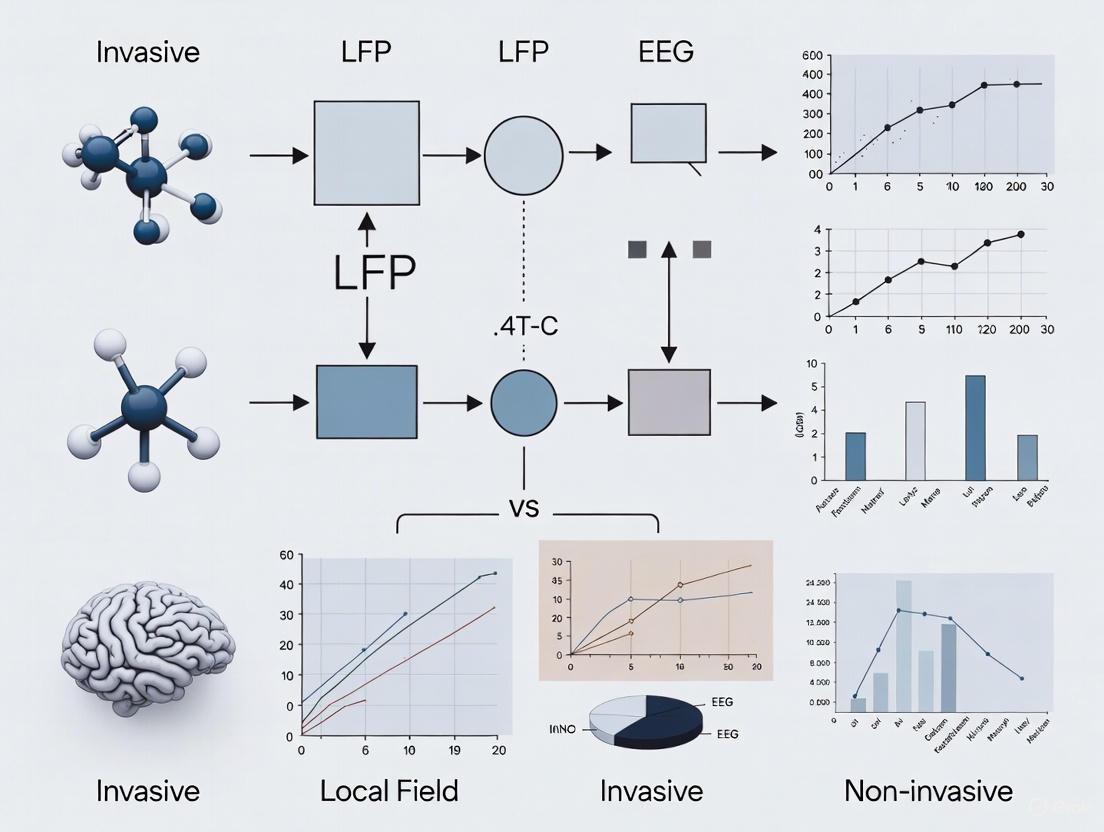
Invasive LFP vs. Non-Invasive EEG for Motor Decoding: A Comprehensive Analysis of Accuracy and Clinical Potential
This article provides a comparative analysis of invasive Local Field Potential (LFP) and non-invasive Electroencephalogram (EEG) for decoding motor intentions, a critical capability for brain-computer interfaces (BCIs) in rehabilitation and...
BMI and Functional Outcomes in Paralysis: A Comprehensive Analysis for Neurological Research and Drug Development
This review synthesizes current evidence on the complex relationship between Body Mass Index (BMI) and long-term functional outcomes in patients with paralysis from conditions such as spinal cord injury and...
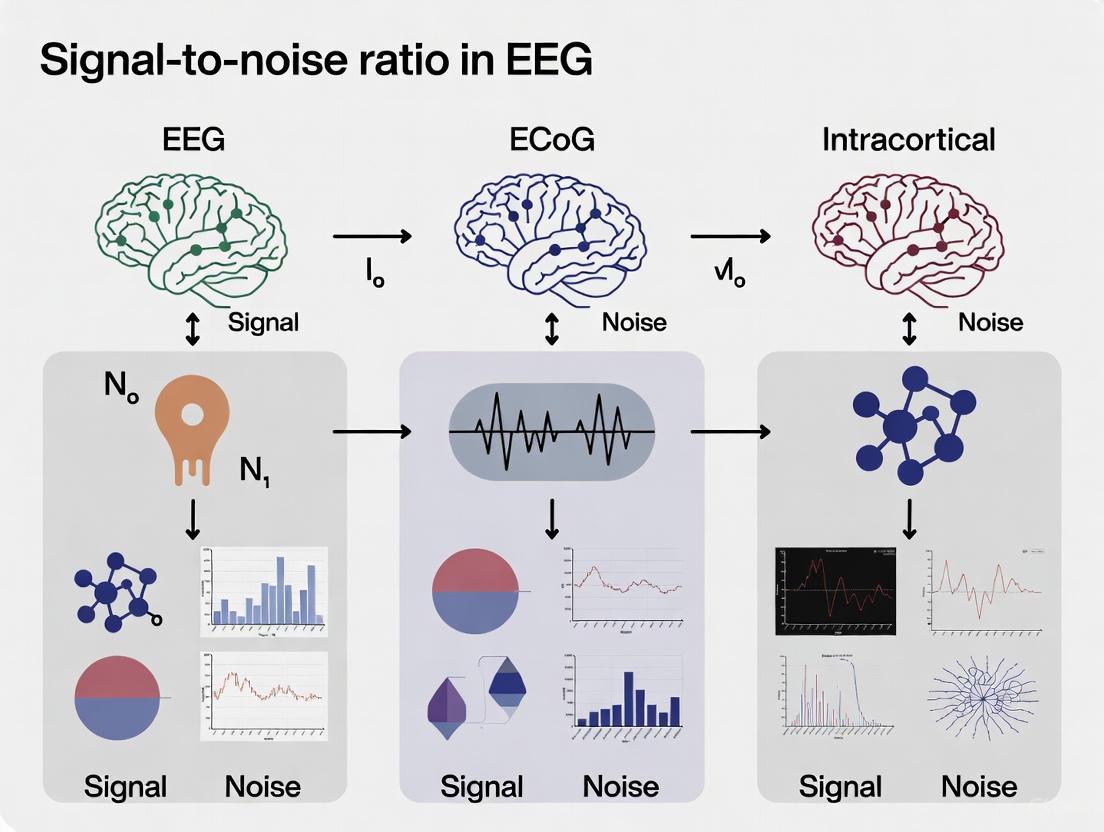
Signal-to-Noise Ratio in Neural Recordings: A Comprehensive Comparison of EEG, ECoG, and Intracortical Technologies
This article provides a systematic analysis of the signal-to-noise ratio (SNR) across the primary neural recording modalities: electroencephalography (EEG), electrocorticography (ECoG), and intracortical microelectrodes.
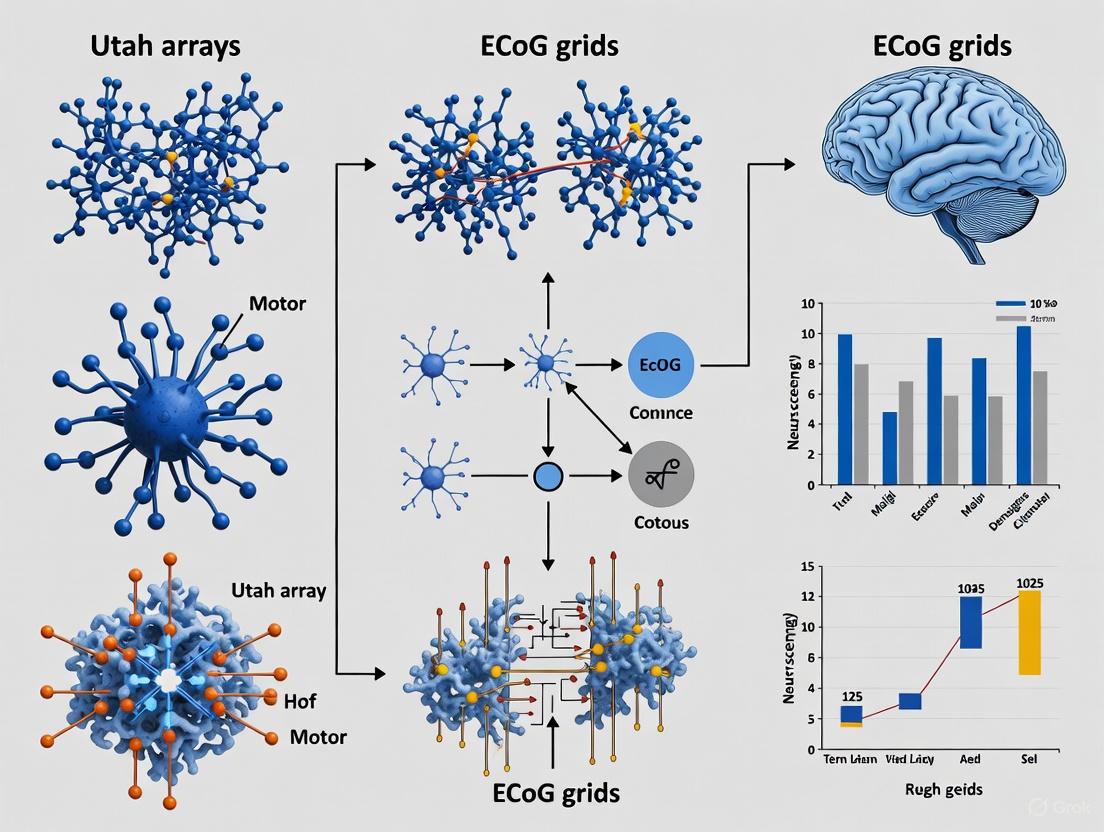
Utah Arrays vs. ECoG Grids: A Comprehensive Performance Comparison for Motor Decoding in Brain-Computer Interfaces
This article provides a detailed comparative analysis of two primary invasive brain-computer interface (BCI) technologies for motor decoding: Utah microelectrode arrays and electrocorticography (ECoG) grids.
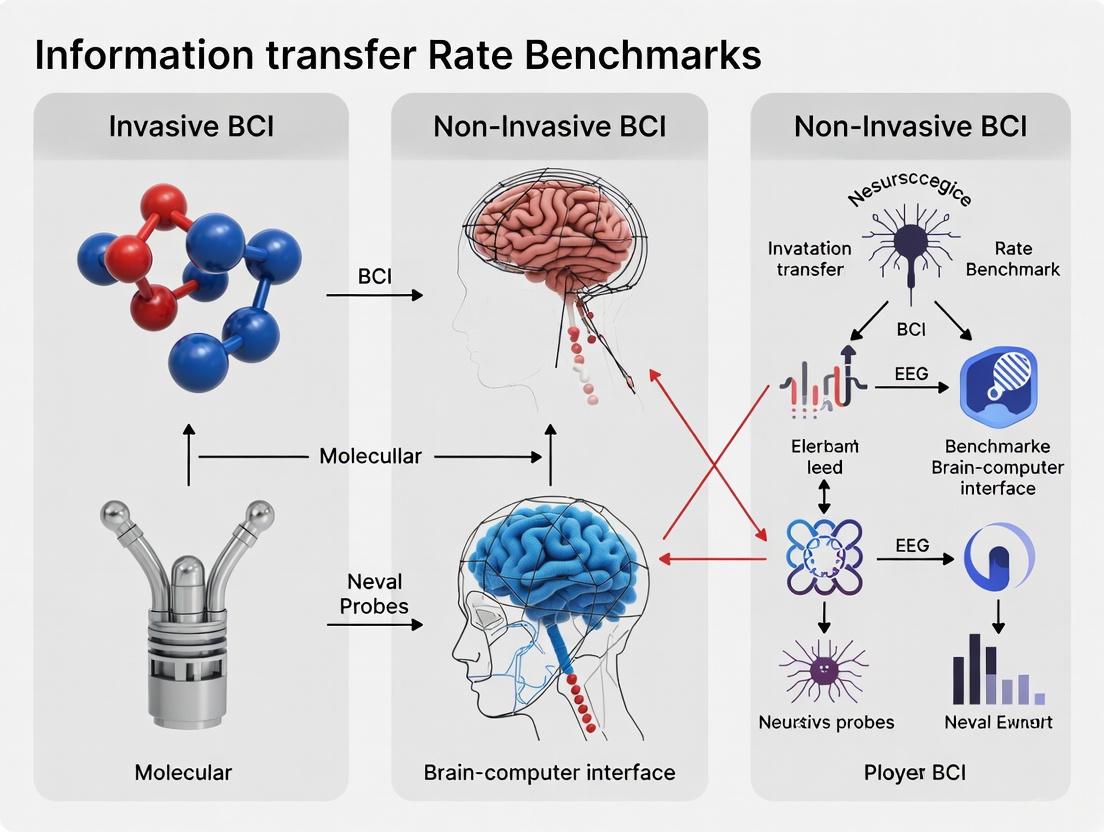
Benchmarking BCI Performance: Information Transfer Rates in Invasive vs. Non-Invasive Communication Interfaces
This article provides a comprehensive analysis of information transfer rate (ITR) as a critical benchmark for evaluating brain-computer interfaces (BCIs) in communication applications.
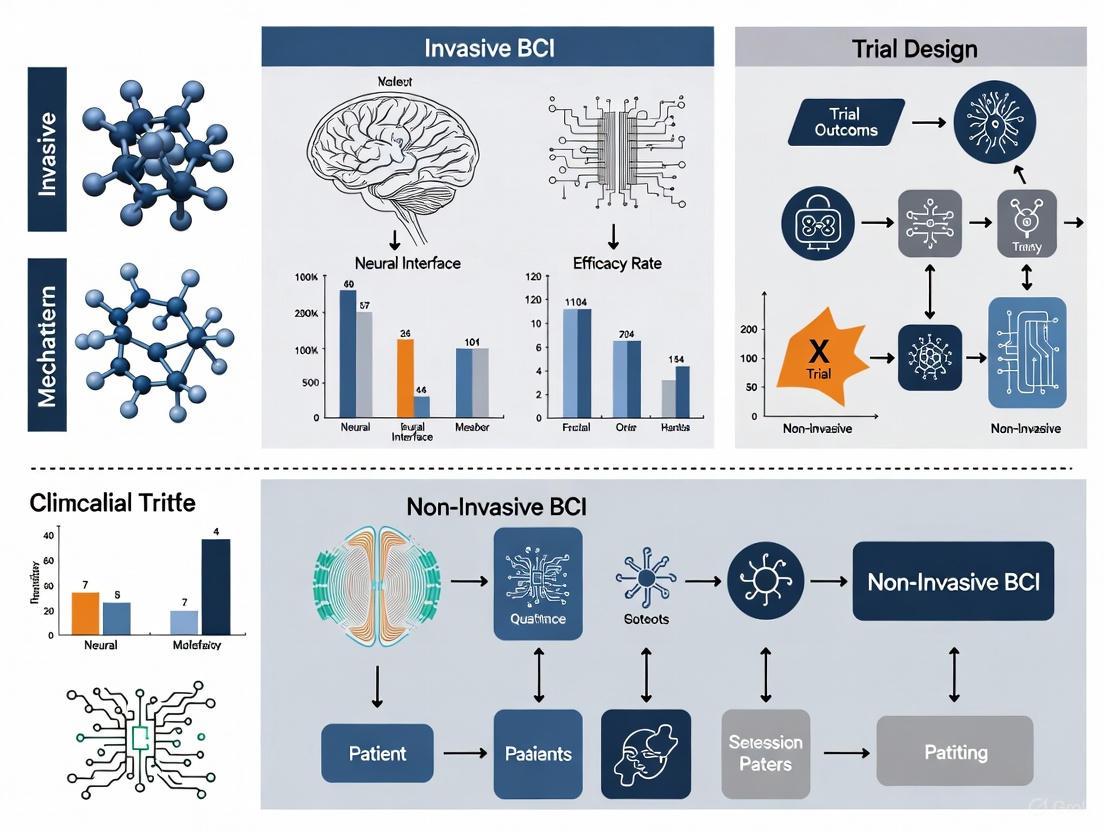
Invasive vs. Non-Invasive Brain-Computer Interfaces for Stroke Rehabilitation: A Comparative Analysis of Clinical Trial Outcomes
This article synthesizes current clinical evidence to compare the efficacy, safety, and application of invasive and non-invasive Brain-Computer Interfaces (BCIs) in stroke motor rehabilitation.
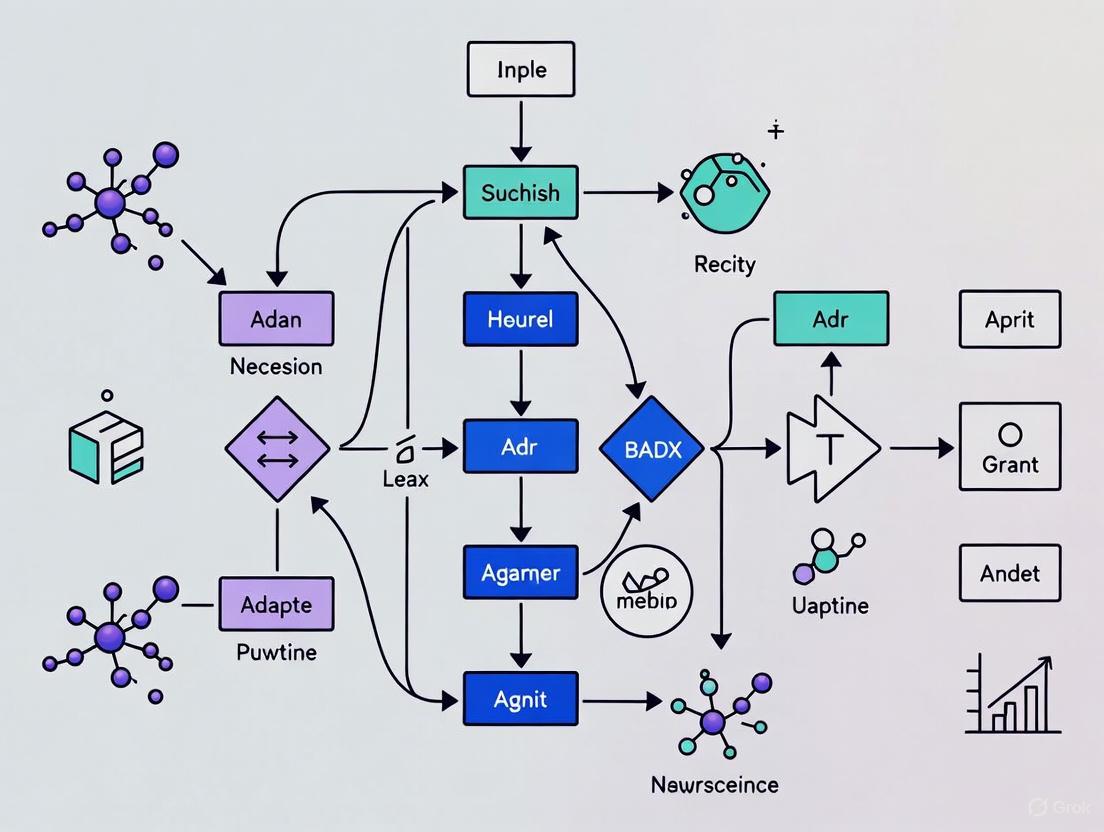
Adaptive Decoding Algorithms for Non-Stationary Neural Signals: From Theory to Clinical Translation
This article provides a comprehensive examination of adaptive decoding algorithms, which are critical for interpreting the non-stationary neural signals that underlie complex brain functions and neurological disorders.
Powering the Future of Neurotech: Wireless Energy and Data Transfer for Next-Generation Neural Interfaces
This article provides a comprehensive analysis of the latest advancements and persistent challenges in wireless power and data transmission for implantable neural interfaces.
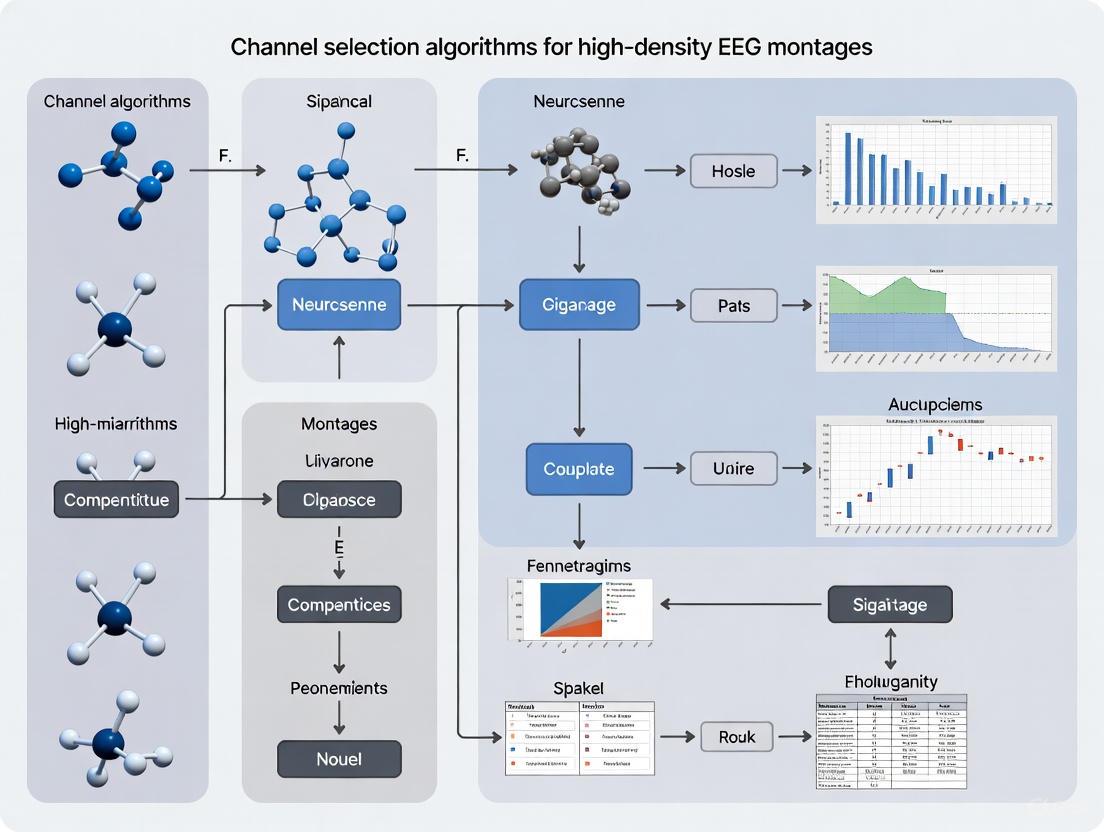
Optimizing High-Density EEG: A Comprehensive Guide to Channel Selection Algorithms for Research and Clinical Applications
This article provides a thorough examination of channel selection algorithms for high-density Electroencephalography (HD-EEG) montages, a critical step for enhancing signal quality, reducing computational complexity, and improving the accuracy of...
Breaking the Subject and Session Barrier: A Comprehensive Guide to Generalized Neural Decoders
The development of neural decoders that generalize across subjects and recording sessions is a pivotal challenge in creating practical brain-computer interfaces and clinical neurotechnology.