Wavelet Transform Denoising of EEG Signals: A Comprehensive Guide for Biomedical Research and Clinical Applications
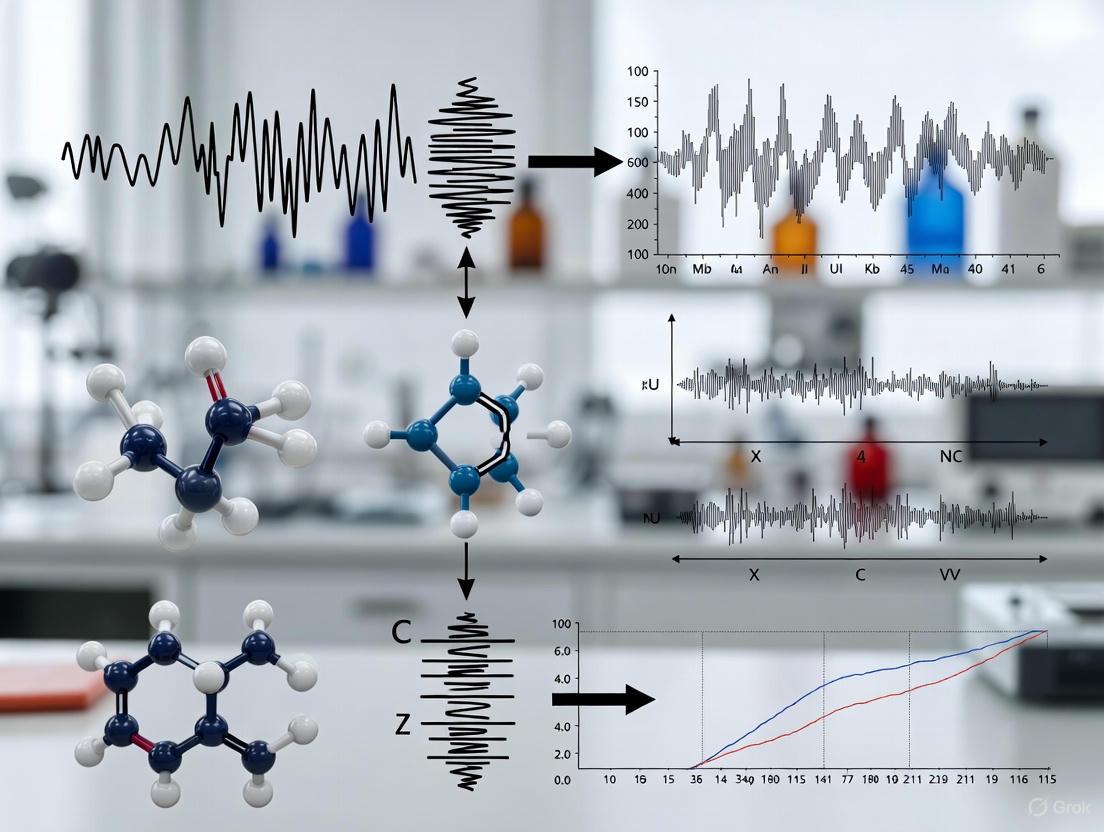
Electroencephalogram (EEG) signals are fundamental for diagnosing neurological disorders, monitoring brain function, and developing brain-computer interfaces.
Wavelet Transform Denoising of EEG Signals: A Comprehensive Guide for Biomedical Research and Clinical Applications
Abstract
Electroencephalogram (EEG) signals are fundamental for diagnosing neurological disorders, monitoring brain function, and developing brain-computer interfaces. However, their low amplitude makes them highly susceptible to contamination from various artifacts, which can compromise analysis and lead to inaccurate conclusions. This article provides a comprehensive exploration of wavelet transform techniques for EEG denoising, a method particularly suited to the non-stationary nature of neural data. We cover the foundational principles of why wavelets are effective, detail core methodological approaches including Discrete Wavelet Transform (DWT) and Stationary Wavelet Transform (SWT), and address key troubleshooting and optimization challenges such as optimal wavelet selection. Furthermore, we validate these techniques through performance metrics and comparative analysis with hybrid and deep learning methods, offering researchers and drug development professionals a robust framework for enhancing EEG signal fidelity in both research and clinical applications.
The Why and What: Fundamentals of EEG Artifacts and Wavelet Theory
Understanding the Critical Need for EEG Denoising in Clinical and Research Settings
Electroencephalography (EEG) is a non-invasive technique that records the brain's electrical activity through electrodes placed on the scalp, offering millisecond-level temporal resolution that is invaluable for monitoring fast-changing cognitive and neuronal processes [1] [2]. This technology plays a vital role in neuroscience research, clinical diagnosis, and emerging brain-computer interface (BCI) applications [3]. However, the utility of EEG is significantly compromised by its vulnerability to various artifacts and noise sources that contaminate the neural signals of interest [4].
The critical need for effective EEG denoising stems from the microvolt-range amplitudes of genuine neural signals, which are easily obscured by both physiological and non-physiological artifacts [3]. Physiological artifacts include ocular movements (eye blinks), muscle activity (EMG), cardiac signals (ECG), and motion-related disturbances, while non-physiological sources encompass power line interference, electrode pop, and environmental noise [1] [4]. These contaminants often overlap spectrally and temporally with actual brain activity, making their separation and removal particularly challenging [3].
The consequences of inadequate denoising are severe across applications. In clinical settings, artifacts can lead to misinterpretation of brain activity, potentially resulting in false diagnoses of neurological conditions such as epilepsy, Alzheimer's disease, or depression [3]. For brain-computer interfaces, noise corruption diminishes classification accuracy and system reliability, hindering effective communication and control for users with severe neurological disabilities [1]. In pharmaceutical development and cognitive research, artifact contamination can obscure subtle neural responses to interventions, reducing statistical power and potentially leading to erroneous conclusions about treatment efficacy [3] [1].
The Impact of Artifacts on EEG Signal Integrity
Types and Characteristics of EEG Artifacts
EEG artifacts manifest with distinct temporal and spectral properties that determine the appropriate denoising strategy. Ocular artifacts from eye blinks and movements appear as slow, high-amplitude waves predominantly in frontal electrodes, with amplitudes up to ten times greater than the underlying EEG signal [3]. Muscle artifacts from jaw clenching, head movement, or talking introduce high-frequency noise (0-200 Hz) that particularly distorts beta and gamma frequency bands critical for studying active cognitive processes [3] [4]. Cardiac artifacts from heartbeats manifest with similar frequencies and amplitudes to genuine EEG, making them particularly challenging to separate without distorting neural signals [3]. Motion artifacts resulting from physical movement produce sudden high-amplitude spikes across multiple channels, while electrode artifacts from poor contact create irregular signal patterns with abnormal impedance [4].
Quantitative Impact on Signal Quality
The degradation of EEG signal quality due to artifacts can be quantified through several key metrics that underscore the critical need for robust denoising approaches. The following table summarizes the most common quantitative measures used to evaluate denoising performance across methodologies:
Table 1: Key Metrics for Evaluating EEG Denoising Performance
| Metric | Formula/Description | Interpretation | Typical Range for Clean EEG |
|---|---|---|---|
| Signal-to-Noise Ratio (SNR) | $SNR = 10 \log{10}\left(\frac{P{signal}}{P_{noise}}\right)$ | Higher values indicate better noise suppression | >15 dB for clinical applications |
| Mean Square Error (MSE) | $MSE = \frac{1}{n}\sum{i=1}^{n}(f{\theta}(yi)-xi)^2$ | Lower values indicate better reconstruction accuracy | <0.1 for effective denoising |
| Peak SNR (PSNR) | $PSNR = 10 \log_{10}\left(\frac{MAX^2}{MSE}\right)$ | Higher values indicate better peak preservation | >30 dB for quality reconstruction |
| Correlation Coefficient | $\rho = \frac{\text{cov}(X,Y)}{\sigmaX\sigmaY}$ | Measures waveform similarity with ground truth | >0.9 for minimal distortion |
| Artifact-to-Signal Ratio (ASR) | $ASR = \frac{P{artifact}}{P{signal}}$ | Analogous to SNR; lower values preferred | <0.1 for effective artifact removal |
Without effective denoising, artifact contamination can reduce SNR to unacceptably low levels (often <5 dB), severely limiting the detectability of event-related potentials and other neural features of interest [5]. Studies have demonstrated that proper denoising can improve classification accuracy in BCI systems by up to 20-30%, moving from approximately 70% accuracy with contaminated signals to over 98% with properly denoised data [6].
Denoising Performance of Various Methodologies
Comparative Analysis of Denoising Techniques
Multiple algorithmic approaches have been developed to address the challenge of EEG denoising, each with distinct strengths, limitations, and performance characteristics. The following table provides a quantitative comparison of major denoising methodologies:
Table 2: Performance Comparison of EEG Denoising Techniques
| Method | Best Reported SNR (dB) | Best Reported MSE | Classification Accuracy | Computational Efficiency | Key Limitations |
|---|---|---|---|---|---|
| WT-Based (Symlet2-SWT) | 27.32 [7] | 5.09 [7] | ~90-95% [4] | Medium | Manual parameter selection, basis function dependency |
| EMD-DFA-WPD (Hybrid) | Not reported | Lower values reported [6] | 98.51% (RF), 98.10% (SVM) [6] | Low | Mode mixing problems, computationally intensive |
| WPTEMD (Hybrid) | Not reported | Lowest RMSE [8] | Not reported | Low | Complex implementation, parameter tuning |
| GAN (Standard) | 12.37 [5] | Not reported | Not reported | Very Low | Training instability, detail preservation issues |
| WGAN-GP | 14.47 [5] | Not reported | Not reported | Very Low | Computational demands, over-suppression risk |
| ICA | Not reported | Not reported | ~85-90% [2] | Medium | Requires manual component inspection, statistical assumptions |
| Adaptive Filtering | 10-15 [1] | Not reported | ~80-85% [1] | High | Requires reference signal, limited to specific artifacts |
Wavelet Transform Denoising Protocols
Discrete Wavelet Transform (DWT) for Ocular Artifact Removal
Principle: DWT decomposes EEG signals into approximation and detail coefficients using a mother wavelet, effectively separating neural activity from artifacts in the time-frequency domain [4] [7].
Protocol:
- Signal Preparation: Segment multichannel EEG into epochs of 2-5 seconds. Apply necessary pre-filtering (0.5-40 Hz bandpass) to remove extreme frequency components [4].
- Mother Wavelet Selection: Choose an appropriate mother wavelet (e.g., Symlet, Coiflet, or Daubechies families) that matches the morphological characteristics of both the EEG signal and the target artifacts [7].
- Decomposition Level: Determine the optimal decomposition level based on the target artifact frequency range:
- For ocular artifacts (0.5-4 Hz): 4-6 decomposition levels
- For muscle artifacts (20-60 Hz): 3-5 decomposition levels
- Thresholding Application: Apply thresholding to detail coefficients using established methods:
- Universal threshold: $TH = \sigma \sqrt{2 \log N}$ where $\sigma$ is noise standard deviation and $N$ is signal length
- Adaptive thresholds: Level-dependent thresholding using SURE or minimax principles
- Signal Reconstruction: Reconstruct the denoised signal from thresholded coefficients using inverse DWT.
- Validation: Quantify performance using SNR, MSE, and correlation coefficients with ground truth where available [7].
Optimization Considerations: The choice of mother wavelet significantly impacts performance. Studies indicate Symlet2 and Coiflet2 wavelets generally provide superior results for EEG signals compared to Haar wavelets [7]. The decomposition level should be optimized to match the spectral characteristics of both the neural signals of interest and the target artifacts.
Stationary Wavelet Transform (SWT) with Symlet2 for Motion Artifacts
Principle: SWT addresses DWT's translation variance by omitting the downsampling step, providing more stable artifact removal particularly suitable for motion artifacts [7].
Protocol:
- Parameter Initialization: Select Symlet2 as mother wavelet with 4 decomposition levels based on empirical optimization [7].
- Redundant Decomposition: Perform SWT without downsampling at each level, maintaining constant signal length throughout decomposition.
- Level-Dependent Thresholding: Apply adaptive thresholds to detail coefficients at each level, with stricter thresholds for higher decomposition levels containing more artifact-dominated components.
- Boundary Effect Management: Implement symmetric signal extension to minimize edge artifacts during reconstruction.
- Quality Verification: Validate using both quantitative metrics (SNR, PSNR) and qualitative assessment of time-domain waveform preservation.
Performance Benchmark: This approach has demonstrated superior performance with SNR values up to 27.32 dB and PSNR of 40.02 dB when applied to EEG contaminated with motion artifacts [7].
Advanced Hybrid Denoising Protocol: EMD-DFA-WPD for Depression Detection
Principle: This sophisticated hybrid approach combines the adaptive decomposition capability of Empirical Mode Decomposition (EMD) with the scaling property analysis of Detrended Fluctuation Analysis (DFA) and the frequency localization of Wavelet Packet Decomposition (WPD) [6].
Protocol:
- EMD Decomposition:
- Apply EMD to raw EEG signals to decompose into Intrinsic Mode Functions (IMFs)
- Implement sifting process until stopping criteria are met (standard deviation between consecutive sifts < 0.2-0.3)
- Typically obtain 7-10 IMFs plus residue from standard EEG recordings
DFA-Based Mode Selection:
- Compute scaling exponents ($\alpha$) for each IMF using DFA
- Identify artifact-dominated IMFs using thresholding ($\alpha$ < 0.5 for noisy components, $\alpha$ ≈ 0.5 for random noise, $\alpha$ > 0.5 for persistent neural signals)
- Select relevant neural signal components for further processing
Wavelet Packet Denoising:
- Apply WPD to selected IMFs using Symlet2 mother wavelet at level 4 decomposition
- Implement adaptive thresholding to wavelet packet coefficients using Birgé-Massart strategy
- Reconstruct denoised components from thresholded coefficients
Signal Reconstruction:
- Combine denoised components with residue from EMD
- Apply amplitude normalization to maintain physiological signal range
Validation:
- Quantitative assessment using SNR and MAE metrics
- Clinical validation through depression classification using SVM and Random Forest classifiers
Performance Outcomes: This hybrid methodology has demonstrated exceptional performance for depression detection, achieving classification accuracy of 98.51% with Random Forest and 98.10% with SVM classifiers, significantly outperforming individual techniques [6].
Contemporary Deep Learning Protocol: GAN and WGAN-GP for Adaptive Denoising
Principle: Generative Adversarial Networks (GANs) and their Wasserstein variant with Gradient Penalty (WGAN-GP) learn complex, non-linear mappings between noisy and clean EEG signals through adversarial training, offering exceptional adaptability to diverse artifact types [5].
Protocol:
- Data Preparation:
- Acquire paired clean and artifact-contaminated EEG datasets
- Apply band-pass filtering (8-30 Hz) and channel standardization
- Segment into fixed-length epochs (e.g., 2-second windows)
- Normalize amplitude to zero mean and unit variance
Generator Network Architecture:
- Design encoder with temporal convolutional layers (kernel size: 8, stride: 2)
- Implement bottleneck with dense latent representation
- Construct decoder with transposed convolutional layers
- Include skip connections to preserve temporal details
Discriminator/Critic Network:
- For standard GAN: Binary classifier distinguishing real vs. generated signals
- For WGAN-GP: Critic network with gradient penalty (λ=10)
- Use spectral normalization for training stability
Adversarial Training:
- Alternate between generator and discriminator/critic updates
- For WGAN-GP: Use RMSProp optimizer, learning rate=5e-5
- For standard GAN: Use Adam optimizer, learning rate=1e-4
- Implement early stopping based on validation loss
Multi-Component Loss Function:
- Adversarial loss: Generator tries to fool discriminator
- Content loss: Mean squared error between generated and clean signals
- Spectral loss: Maintain frequency distribution fidelity
- Temporal consistency loss: Preserve signal smoothness
Performance Evaluation:
- Quantitative metrics: SNR, PSNR, correlation coefficient, mutual information
- Qualitative assessment: Visual inspection of time-series and spectrograms
- Downstream validation: BCI classification accuracy improvement
Performance Outcomes: WGAN-GP achieves superior SNR (14.47 dB vs. 12.37 dB for standard GAN) with greater training stability, while standard GANs better preserve finer signal details (correlation coefficient >0.90) [5].
The Scientist's Toolkit: Essential Research Reagents and Materials
Table 3: Essential Research Toolkit for EEG Denoising Studies
| Category | Item | Specification/Example | Research Function |
|---|---|---|---|
| EEG Hardware | Acquisition System | 64-channel wireless systems (e.g., Enobio) | High-quality signal recording with minimal setup artifact [8] |
| Software Libraries | Signal Processing | MATLAB Wavelet Toolbox, Python MNE, PyWavelets | Implementation of DWT, SWT, WPD algorithms [4] [7] |
| Deep Learning Frameworks | Neural Network | TensorFlow (v2.15.1), Keras, PyTorch | Implementation of GAN, WGAN-GP, autoencoder models [5] [9] |
| Mother Wavelets | Basis Functions | Symlet2, Coiflet2, Daubechies (db4) | Time-frequency decomposition optimized for EEG characteristics [7] |
| Validation Datasets | Benchmark Data | BCI Competition IV, EEGdenoiseNet | Performance benchmarking and comparative analysis [5] [9] |
| Computational Resources | GPU Acceleration | NVIDIA Tesla V100, RTX 3090 | Training deep learning models (GANs, VAEs) with large EEG datasets [5] [3] |
EEG denoising represents a critical preprocessing step that significantly impacts the validity and reliability of neural data interpretation across clinical, research, and commercial applications. The progression from traditional wavelet-based methods to sophisticated hybrid approaches and deep learning architectures has steadily improved our capacity to separate neural signals from contaminating artifacts while preserving biologically relevant information.
The future of EEG denoising lies in the development of adaptive, real-time capable algorithms that can maintain performance across diverse recording conditions and subject populations. Emerging approaches including lightweight generative AI frameworks, cross-subject transfer learning, and self-supervised methods offer promising directions for overcoming current limitations in generalizability and computational efficiency [3] [9]. As these technologies mature, they will undoubtedly enhance the translational potential of EEG across clinical diagnostics, therapeutic monitoring, and basic neuroscience research.
Electroencephalography (EEG) provides a non-invasive method for recording the brain's spontaneous electrical activity, playing a critical role in neuroscience research, clinical diagnosis, and brain-computer interface (BCI) applications [10] [3]. However, the accuracy and reliability of EEG-based expert systems are significantly compromised by contamination from various artifacts, which can originate from both physiological sources and environmental interference [11] [10]. These artifacts often exhibit spectral and temporal overlap with genuine neural signals, making their separation particularly challenging [3]. Effective artifact management is thus a crucial preprocessing step for ensuring signal quality, especially within research focused on wavelet transform denoising techniques, which leverage distinct time-frequency properties to separate neural activity from contaminants [11]. This document characterizes the most common EEG artifacts—ocular, muscle, cardiac, and power line interference—within the context of wavelet-based denoising research, providing structured protocols for their identification and removal.
Artifact Characterization and Impact on EEG Signals
Artifacts in EEG recordings are broadly classified as physiological (originating from the body) or non-physiological (environmental or instrumental) [10]. The table below summarizes the key characteristics of common artifacts, knowledge of which is fundamental for developing effective wavelet-based denoising strategies that target specific frequency bands and morphological features.
Table 1: Characteristics of Common EEG Artifacts
| Artifact Type | Origin | Frequency Range | Amplitude | Primary Affected Channels | Key Morphological Features |
|---|---|---|---|---|---|
| Ocular (EOG) | Eye movements & blinks [10] | Mainly <4 Hz [10] [12] | Can be 10x greater than EEG [3] | Frontal [3] | Slow, large deflections [10] |
| Muscle (EMG) | Muscle activity (head, jaw) [10] | 0 - >200 Hz [10] [3] | Varies with contraction [10] | Temporal, widespread [3] | High-frequency, random spikes [10] |
| Cardiac (ECG) | Heart electrical activity [10] | ~1.2 Hz (pulse) [10] | Similar to EEG [10] | Near blood vessels, posterior [10] | Periodic, sharp QRS complex [10] |
| Power Line | Mains electricity [10] | 50/60 Hz & harmonics [10] | Varies with environment | All channels | Sinusoidal, continuous oscillation [10] |
The overlapping frequency characteristics of these artifacts with cerebral rhythms complicates their removal. For instance, ocular artifacts predominantly affect the delta band, which is also critical for studying deep sleep [10]. Similarly, muscle artifacts distort higher frequency beta and gamma bands associated with active thinking and cognitive processing [3]. Wavelet transform denising frameworks are designed to overcome these challenges by leveraging distinct energy distribution patterns in the time-frequency domain to separate neural signals from noise [11].
Experimental Protocols for Artifact Analysis and Denoising
Protocol for a Semi-Automated Preprocessing Pipeline
A robust preprocessing protocol is essential prior to advanced wavelet denoising. This protocol ensures the removal of large-amplitude artifacts and bad channels that could impede subsequent analysis [13].
1. Data Acquisition and Import:
- Acquire EEG data according to experimental requirements, noting the sampling rate and channel locations.
- Import the raw data into a preprocessing environment (e.g., EEGLAB, Python MNE).
2. Bandpass Filtering:
- Apply a bandpass filter (e.g., 1-40 Hz) to remove slow drifts and very high-frequency noise outside the range of primary neural signals [5].
3. Bad Channel Identification and Interpolation:
- Identify channels with excessive noise, flat signals, or unusually high impedance using automated algorithms and visual inspection.
- Interpolate the identified bad channels using signals from surrounding good channels (e.g., spherical spline interpolation).
4. Ocular Artifact Correction with ICA:
- Perform Independent Component Analysis (ICA) on the filtered data to separate statistically independent sources.
- Visually inspect the ICA components to identify those corresponding to ocular artifacts based on their topography (frontal distribution), time course, and power spectrum [13].
- Remove the artifact-laden components and reconstruct the signal.
5. Large-Amplitude Transient Removal with PCA:
- For remaining large-amplitude, short-duration artifacts (e.g., muscle pops), apply Principal Component Analysis (PCA) [13].
- Identify and remove principal components representing these transients, then reconstruct the data.
6. Quality Checking and Data Export:
- Visually compare the raw and cleaned data across all channels to verify artifact removal and signal preservation.
- Export the preprocessed data for subsequent wavelet denoising analysis.
Protocol for Wavelet-Based Denoising Evaluation
This protocol outlines the steps for evaluating the performance of a wavelet-based denoising method, such as the Fractional Wavelet Transform (FrWT) with adaptive thresholding [11].
1. Data Preparation:
- Use a preprocessed, artifact-corrected EEG dataset as a "clean" reference. This can be derived from the previous protocol or using validated clean data.
- Introduce synthetic artifacts (e.g., Gaussian noise, simulated EMG) at controlled signal-to-noise ratio (SNR) levels to create a noisy dataset with a known ground truth [11] [5].
2. Wavelet Decomposition:
- Select a mother wavelet (e.g., Daubechies, Morlet) and decomposition level appropriate for the EEG frequency bands of interest.
- Apply the discrete wavelet transform (DWT) or an advanced FrWT to the noisy EEG signals to decompose them into approximation and detail coefficients [11] [14].
3. Thresholding and Denoising:
- Apply a thresholding rule (e.g., adaptive thresholding) to the detail coefficients associated with noise. The FrWT method optimizes this threshold in the fractional domain to better separate non-stationary neural components from noise [11].
- Invert the wavelet transform using the thresholded coefficients to reconstruct the denoised EEG signal.
4. Performance Quantification:
- Calculate quantitative metrics to compare the denoised signal ((\hat{x})) against the clean ground truth ((x)) and the original noisy signal ((y)) [12] [5]:
- Signal-to-Noise Ratio (SNR): Measures the level of desired signal relative to noise. An increase indicates better denoising.
- Root Mean Square Error (RMSE): Quantifies the difference between the denoised and clean signal. Lower values are better.
- Correlation Coefficient (CC): Assesses the linear relationship between the denoised and clean signal. Closer to 1 is better.
- Perform a visual waveform analysis to ensure critical EEG features (e.g., epileptic spikes, event-related potentials) are preserved [11].
Table 2: Key Reagents and Computational Tools for EEG Denoising Research
| Name | Type/Function | Application in Research |
|---|---|---|
| Public EEG Datasets | Benchmark data (e.g., EEGdenoiseNet, PhysioNet) [5] | Model training, validation, and comparative performance benchmarking. |
| Independent Component Analysis (ICA) | Blind source separation algorithm [13] | Isolation and removal of ocular and other physiological artifacts in preprocessing. |
| Discrete Wavelet Transform (DWT) | Time-frequency decomposition tool [11] [14] | Core function in denoising pipelines for decomposing signals and applying thresholds. |
| Fractional Wavelet Transform (FrWT) | Advanced wavelet transform with optimal energy concentration [11] | Enhances noise separation by optimizing the transform order for non-stationary EEG components. |
| Deep Learning Models (e.g., GANs, CNNs) | Data-driven models for learning complex signal mappings [3] [12] [5] | End-to-end denoising, often used to learn the transformation from noisy to clean EEG. |
Workflow Visualization
The following diagram illustrates the integrated experimental workflow for EEG artifact management, from raw data acquisition to final denoised output, highlighting the role of wavelet transforms.
Theoretical Foundation: From Fourier to Wavelet Analysis
The journey of signal processing has evolved significantly from the traditional Fourier Transform to the more adaptive Wavelet Transform. The Fourier Transform (FT) is a fundamental mathematical tool that decomposes a function into its constituent sinusoidal frequencies of different amplitudes and phases. While powerful for analyzing the spectral composition of signals, it captures only global frequency information that persists over an entire sequence, lacking any temporal localization. This makes it unsuitable for analyzing non-stationary signals where frequency components change over time [15].
The Wavelet Transform (WT) was developed to overcome this critical limitation. Unlike Fourier's rigid sine and cosine basis functions, wavelet transform decomposes a signal into a set of wave-like oscillations called wavelets that are localized in both time and space. A wavelet is characterized by two fundamental properties: scale (which defines how stretched or squished the wavelet is and relates to frequency) and location (which defines where the wavelet is positioned in time). This allows the wavelet transform to perform a time-frequency analysis, revealing not only which frequencies are present in a signal but also when they occur [15].
The mathematical foundation of wavelet analysis involves convolving the signal with a set of wavelets at different scales and locations. For a particular scale, the wavelet is slid across the entire signal, and at each time step, the wavelet and signal are multiplied. The product of this multiplication gives a coefficient for that wavelet scale at that specific time step. This process is repeated across increasing wavelet scales [15]. The two main types of wavelet transformation are the Continuous Wavelet Transform (CWT) and the Discrete Wavelet Transform (DWT), with the latter being particularly valuable for digital signal processing and denoising applications [15].
Table: Fundamental Comparison Between Fourier and Wavelet Transforms
| Feature | Fourier Transform | Wavelet Transform |
|---|---|---|
| Basis Functions | Sine and cosine waves | Localized wavelets (e.g., Daubechies, Haar, Morlet) |
| Time Localization | No | Yes |
| Frequency Localization | Yes (global) | Yes (localized) |
| Ideal Signal Type | Stationary signals | Non-stationary, transient signals |
| Core Parameters | Frequency | Scale and location |
Wavelet Transform in EEG Denoising: Principles and Applications
Electroencephalography (EEG) signals, which record the brain's electrical activity, are inherently non-stationary and are highly susceptible to contamination from various physiological and non-physiological artifacts. These artifacts can have amplitudes up to ten times greater than the neural signal of interest, severely compromising the accuracy and reliability of EEG-based expert systems for clinical diagnosis, brain-computer interfaces, and cognitive monitoring [11] [3].
Wavelet transform is exceptionally well-suited for EEG denoising due to its ability to separate signal components based on their distinct time-frequency characteristics. The core principle involves decomposing the noisy EEG signal into different frequency sub-bands at multiple resolutions. This multi-resolution analysis allows for the separation of neural activity from artifacts like muscle noise, eye blinks, and power line interference, which often overlap in frequency but differ in their temporal and morphological properties [16] [17].
A key advantage in denoising is the process of wavelet thresholding. After decomposition, small coefficients in the detail sub-bands are typically associated with noise, while larger coefficients are associated with the underlying neural signal. By applying a threshold to these coefficients—setting small values to zero or reducing their magnitude—noise can be effectively suppressed. The clean signal is then reconstructed from the modified coefficients using the inverse wavelet transform [11]. Advanced methods, such as the Fractional Wavelet Transform (FrWT), further optimize energy concentration in the fractional domain, leading to more precise noise suppression while preserving critical non-stationary and quasi-stationary components of the EEG signal [11].
Table: Performance Comparison of EEG Denoising Techniques
| Denoising Method | Key Principle | Reported Advantages | Reported Limitations |
|---|---|---|---|
| Wavelet Thresholding [11] [16] | Time-frequency decomposition and coefficient thresholding | Effective for non-stationary signals, preserves transient features | Requires careful selection of wavelet and threshold |
| Empirical Mode Decomposition (EMD) [11] | Adaptive decomposition into intrinsic mode functions | Data-driven, does not require a basis function | Prone to mode mixing, can distort non-stationary patterns |
| Independent Component Analysis (ICA) [3] | Statistical separation of sources based on independence | Effective for separating artifacts from distinct sources | Sensitive to initial conditions, relies on statistical assumptions |
| Deep Learning (DL) [3] | Learning nonlinear mapping from noisy to clean signals | High performance, can model complex artifacts | Demands large training datasets, high computational cost |
| Proposed ARICB + FrWT [11] | Chirp-based decomposition & fractional wavelet thresholding | Outperforms others in noise reduction and detail preservation | Complex implementation, computationally intensive |
Detailed Experimental Protocol: EEG Denoising via Discrete Wavelet Transform
This protocol provides a step-by-step methodology for denoising a single-channel EEG signal using Discrete Wavelet Transform (DWT) thresholding, a common and effective approach.
Research Reagent Solutions and Materials
Table: Essential Materials and Software for Wavelet-Based EEG Denoising
| Item | Function/Description |
|---|---|
| Raw EEG Data | The contaminated signal to be denoised. Can be single-channel or multi-channel. |
| Computing Environment | Software such as MATLAB, Python (with PyWavelets, SciPy, NumPy libraries), or other scientific computing platforms. |
| Wavelet Family | A set of basis functions (e.g., Daubechies, Symlet, Coiflet) from which a specific wavelet is chosen. |
| Thresholding Function | A mathematical rule (e.g., Universal, SURE) to determine which coefficients to shrink or remove. |
| Thresholding Method | The approach for applying the threshold, either hard (keep or kill) or soft (shrink toward zero). |
| Performance Metrics | Quantitative measures (e.g., SNR, RMSE, PRD) to evaluate denoising effectiveness. |
Step-by-Step Procedure
Data Preprocessing:
- Input: Begin with a raw, single-channel EEG signal
y_raw(t), which is a composite of the true neural signalx(t)and noisez(t)[3]. - Preprocessing: Apply necessary preliminary steps such as band-pass filtering to remove DC offset and very high-frequency noise outside the EEG range of interest (e.g., 0.5-70 Hz). Downsample the data if needed. This yields the preprocessed signal
y(t)for denoising.
- Input: Begin with a raw, single-channel EEG signal
Wavelet Decomposition:
- Wavelet Selection: Choose an appropriate mother wavelet (e.g.,
'sym4'- Symlet with 4 vanishing moments) that matches the morphological characteristics of the desired EEG components [15]. - Decomposition Level: Select the number of decomposition levels
L. A common practice is to decompose until the lowest frequency sub-band (approximation) is predominantly below 1 Hz. - Perform DWT: Decompose the signal
y(t)using the DWT. This will produce one set of approximation coefficientsA_L(representing the signal's broad trends) andLsets of detail coefficientsD_1, D_2, ..., D_L(representing finer details and noise at progressively lower frequencies).
- Wavelet Selection: Choose an appropriate mother wavelet (e.g.,
Thresholding of Detail Coefficients:
- Threshold Selection: Calculate a threshold
λfor each level of detail coefficients or a universal threshold for all levels. A common method is the universal threshold:λ = σ * sqrt(2 * log(N)), whereNis the signal length andσis an estimate of the noise level (often the median absolute deviation of the level 1 coefficients divided by 0.6745) [11]. - Apply Threshold: Apply a soft or hard thresholding function to the detail coefficients
D_1toD_L. Soft thresholding is generally preferred as it provides a smoother reconstruction [16].- Soft Thresholding:
D_thresh = sign(D) * max(0, |D| - λ)
- Soft Thresholding:
- Threshold Selection: Calculate a threshold
Signal Reconstruction:
- Using the original approximation coefficients
A_Land the thresholded detail coefficientsD_thresh_1 ... D_thresh_L, perform the Inverse Discrete Wavelet Transform (IDWT) to reconstruct the denoised EEG signalx_hat(t).
- Using the original approximation coefficients
Validation and Analysis:
- Visual Inspection: Plot the original and denoised signals together to qualitatively assess the removal of obvious artifacts and the preservation of neural patterns.
- Quantitative Metrics: If a ground-truth clean signal is available, calculate performance metrics to quantify denoising efficacy [11] [3]:
- Signal-to-Noise Ratio (SNR):
SNR = 10 * log10(Psignal / Pnoise) - Root Mean Square Error (RMSE):
RMSE = sqrt(mean((x_clean - x_hat)^2)) - Percentage Root-mean-square Difference (PRD):
PRD = sqrt( sum((x_clean - x_hat)^2) / sum(x_clean^2) ) * 100%
- Signal-to-Noise Ratio (SNR):
The following workflow diagram illustrates the key stages of this protocol.
Advanced Protocol: R-Peak Detection in ECG via MODWT
This protocol details a specific application of wavelet transform for feature extraction, demonstrating its utility beyond simple denoising. The goal is to detect R-peaks in an Electrocardiogram (ECG) signal, which are critical for computing heart rate and heart rate variability [15].
Research Reagent Solutions and Materials
Table: Materials for MODWT-Based R-Peak Detection
| Item | Function/Description |
|---|---|
| Raw ECG Data | Noisy ECG signal, typically from a public database or clinical recording. |
| MATLAB or Python | Computing environment with signal processing toolkits (e.g., MATLAB's Wavelet Toolbox). |
| Maximal Overlap DWT (MODWT) | A non-decimated version of the DWT that is shift-invariant and better for time-series analysis. |
| 'sym4' Wavelet | The specific wavelet used for decomposition, chosen for its similarity to the QRS complex morphology. |
| Peak Finding Algorithm | A function or routine to identify local maxima in the reconstructed signal. |
Step-by-Step Procedure
Data Acquisition and Preprocessing: Obtain a raw ECG signal. The signal is often noisy, with baseline wander and muscle artifact.
Multi-Scale Decomposition: Perform MODWT on the ECG signal using the
'sym4'wavelet across multiple scales (e.g., 7 levels, corresponding to scales 2⁰ to 2⁶) [15].Coefficient Analysis: Analyze the wavelet coefficients at different scales:
- Small scales (2⁰, 2¹): Correspond to high frequencies and are predominantly noise.
- Intermediate scales (2², 2³, 2⁴): The R-peak signal emerges from the noise. The QRS complex produces significant coefficients at these scales.
- Large scales (2⁵, 2⁶): Correspond to low-frequency information like baseline wander and the T-wave.
Selective Reconstruction: Reconstruct the signal using information primarily from a single scale where the R-peaks are most prominent (e.g., scale 2³). This effectively acts as a custom filter that highlights the QRS complex while suppressing noise and other waveform components [15].
Peak Detection: Apply a peak-finding algorithm to the reconstructed signal. The peaks in this cleaned-up signal correspond to the R-peaks. Set an appropriate amplitude threshold and minimum distance between peaks to avoid false positives.
Validation: Plot the detected R-peak timestamps on top of the original ECG signal to visually validate the accuracy of the detection.
The following diagram illustrates the multi-scale analysis and feature extraction process.
Emerging Frontiers and Hybrid Approaches
The field of wavelet-based signal processing continues to evolve, particularly through integration with advanced machine learning and neuromorphic computing paradigms.
One significant advancement is the development of the Adaptive Residual-incorporating Chirp-based (ARICB) model used with a Fractional Wavelet Transform (FrWT). This method decomposes the EEG signal into non-stationary, quasi-stationary, and noise components using a coarse-to-fine fitting strategy with chirp atoms. The optimal-order FrWT then applies adaptive thresholding to preserve the neural components while removing noise based on their distinct energy distributions in the fractional domain. This tri-component model overcomes the limitations of conventional binary models that often cause irreversible feature damage [11].
Another frontier is the fusion of wavelet transforms with Spiking Neural Networks (SNNs). For instance, the SpikeWavformer framework integrates a discrete wavelet transform with a spiking self-attention mechanism. This hybrid approach leverages the wavelet's strength in automatic time-frequency decomposition and the SNN's biologically plausible, event-driven computation for superior energy efficiency. This is particularly promising for portable, resource-constrained BCI devices, achieving high performance in tasks like emotion recognition and auditory attention decoding while maintaining low computational overhead [17] [18].
Furthermore, deep learning models are being combined with wavelet analysis to create powerful denoising architectures. For example, some deep networks use Haar wavelet transforms in specially designed "Up and Down blocks" to better extract texture and structural information from data [19]. These hybrid models can learn complex, nonlinear mappings from noisy to clean signals, moving beyond the limitations of manually tuned thresholding parameters [3].
Advantages of Wavelets for Non-Stationary and Non-Linear EEG Signals
Electroencephalography (EEG) provides a non-invasive window into brain dynamics, capturing neural oscillations that are inherently non-stationary and non-linear. Traditional signal processing techniques, such as Fourier analysis, often fall short as they assume signal stationarity and struggle to resolve transient events. Wavelet Transform (WT) has emerged as a fundamental tool in EEG analysis, overcoming these limitations through its innate ability to provide multi-resolution analysis and adaptive time-frequency localization [20] [17].
The value of wavelet analysis extends across clinical and research domains, including the identification of epileptic seizures [21], monitoring anesthesia depth [22], and decoding auditory attention [17]. Its capacity to preserve crucial signal features while effectively removing noise makes it particularly suitable for applications requiring high precision, such as in drug development and neurotherapy monitoring, where accurate biomarker identification is essential.
Core Advantages of Wavelet Analysis for EEG
Wavelet transforms offer a suite of advantages specifically suited to the complex nature of neural signals.
Multi-Resolution Analysis (MRA)
MRA allows for the simultaneous examination of a signal at different resolutions or scales. This is crucial for EEG, where disparate frequency bands (e.g., delta, theta, alpha, beta, gamma) carry distinct physiological information. Wavelet decomposition enables the adaptive hierarchical representation of non-stationary neural activities, effectively characterizing both transient features and long-range rhythmic patterns [17] [18]. Unlike Fourier methods, MRA can isolate short-duration, high-frequency oscillations (like those in event-related potentials) while also capturing sustained, low-frequency oscillations (such as alpha waves) within the same analysis framework [20].
Joint Time-Frequency Localization
The wavelet transform achieves superior time-frequency resolution by dynamically adjusting the scale and translation parameters of its basis functions. This allows it to precisely pin-point when and at what frequency specific brain events occur. A comparative overview of its capabilities against other common techniques is provided in Table 1.
Table 1: Comparative Analysis of EEG Signal Processing Techniques
| Method | Time-Frequency Resolution | Handling of Non-Stationary Signals | Key Limitations |
|---|---|---|---|
| Fourier Transform (FT) | Provides only global frequency-domain information [17]. | Poor; assumes signal stationarity. | Loses all temporal information. |
| Short-Time FT (STFT) | Fixed window resolution; trades off time and frequency resolution [20]. | Moderate; limited by fixed window size. | Cannot resolve very brief transients and sustained oscillations equally well. |
| Empirical Mode Decomposition (EMD) | Data-driven and adaptive. | Effective but lacks a solid mathematical foundation [22]. | Prone to mode mixing and pattern distortion [11]. |
| Wavelet Transform (WT) | Adaptive resolution: High temporal resolution for high frequencies, high spectral resolution for low frequencies [20] [17]. | Excellent; designed for non-stationary, transient-rich signals. | Choice of mother wavelet and decomposition level is critical. |
Sparsity and Efficient Denoising
EEG signals are often contaminated by noise and artifacts (e.g., from eye blinks or muscle movement). Wavelet-based denoising leverages the fact that the true neural signal can be represented by a sparse set of significant wavelet coefficients, whereas noise and artifacts are spread across most coefficients. Techniques like thresholding allow for the preservation of signal integrity while effectively removing noise, which is a cornerstone of modern, automated denoising frameworks like onEEGwaveLAD [23]. Advanced methods, such as the Adaptive Residual-Incorporating Chirp-Based (ARICB) model, further refine this by decomposing EEG into non-stationary, quasi-stationary, and noise components before applying fractional wavelet transform with adaptive thresholding for superior noise suppression [11].
Synergy with Advanced Computational Models
Wavelet transforms integrate seamlessly with modern AI architectures. They are used for automatic feature extraction, eliminating the need for manual feature crafting and its inherent biases [17] [18]. Furthermore, the time-frequency maps generated by wavelets (e.g., scalograms) can be fed directly into Convolutional Neural Networks (CNNs) for classification tasks [24]. A particularly promising development is the fusion of wavelet transforms with Spiking Neural Networks (SNNs) in frameworks like SpikeWavformer, which combines the superior time-frequency analysis of wavelets with the energy-efficient, event-driven processing of SNNs, making it ideal for portable brain-computer interface applications [17] [18].
Application Notes and Protocols
This section provides a detailed methodological framework for applying wavelet transforms in EEG research, complete with a standard denoising protocol and a specific classification workflow.
Standard Wavelet-Based EEG Denoising Protocol
The following protocol, illustrated in Figure 1, is adapted from recent research on automated denoising pipelines [23] and optimization frameworks [25].
Diagram Title: Wavelet Denoising Protocol
Figure 1: Workflow for a standard wavelet-based denoising protocol.
- Step 1: Pre-processing and Segmentation. Begin with a raw, single- or multi-channel EEG signal. For online processing, segment the signal into windows. A 2017 study used 8-second epochs for seizure detection [21], while modern online denoisers like onEEGwaveLAD can operate on much smaller segments (e.g., 10-50 ms) for near real-time performance [23].
- Step 2: Wavelet Decomposition. Select an appropriate mother wavelet (e.g., Daubechies – 'db4' is common for EEG [21]) and the number of decomposition levels. The levels should be chosen so that the lowest frequency band adequately captures the slowest oscillation of interest (e.g., delta waves).
- Step 3: Thresholding. Apply a thresholding function (e.g., soft thresholding) to the detail coefficients. The threshold can be selected using rules like the universal threshold or a minimax threshold. This step is critical for separating signal from noise [25] [23].
- Step 4: Wavelet Reconstruction. Perform an inverse wavelet transform using the original approximation coefficients and the modified (thresholded) detail coefficients to reconstruct the denoised EEG signal in the time domain.
Protocol for EEG Feature Extraction and Classification
This protocol, depicted in Figure 2, outlines a methodology for using wavelets to extract features for machine learning models, as applied in schizophrenia classification and epileptic seizure detection [20] [21].
Diagram Title: Feature Extraction & Classification
Figure 2: Workflow for EEG feature extraction and classification using wavelets.
- Step 1: Discrete Wavelet Transform (DWT). Decompose the denoised EEG signal into multiple frequency sub-bands corresponding to standard neural oscillations (Delta, Theta, Alpha, Beta, Gamma) using DWT. The number of decomposition levels is typically set to 5 for a sampling frequency of 173.61 Hz to isolate these bands effectively [21].
- Step 2: Feature Vector Calculation. From each derived sub-band, calculate statistical features that characterize the signal. Commonly used features include:
- Energy: Sum of squares of the coefficient values.
- Entropy: Measure of randomness or complexity in the signal.
- Standard Deviation: Dispersion of the coefficients around the mean. These features are concatenated to form a comprehensive feature vector representing the original EEG epoch [21].
- Step 3: Classifier Model Training and Testing. The feature vectors are used to train a classifier. As shown in Table 2, Support Vector Machines (SVM) and Artificial Neural Networks (ANN) are widely used. For instance, SVM has achieved up to 100% accuracy in classifying ictal EEG signals [21]. Scalogram images from wavelets can also be input into Convolutional Neural Networks (CNNs) for end-to-end learning [24].
Table 2: Performance of Wavelet-Based Classifiers for EEG
| Application | Wavelet Type / Features | Classifier | Reported Performance |
|---|---|---|---|
| Epileptic Seizure Detection [21] | Daubechies (db4) / Energy, Entropy, Standard Deviation | SVM | Accuracy: 100% (Ictal), Sensitivity: 94.11%, Specificity: 100% |
| Epileptic Seizure Detection [21] | Daubechies (db4) / Energy, Entropy, Standard Deviation | ANN (MLP) | Accuracy: 97%, Sensitivity: 96.42%, Specificity: 100% |
| Schizophrenia Classification [20] | Continuous WT (CWT) & Discrete WT (DWT) / Statistical Features | Decision Trees | Accuracy: 97.98%, Sensitivity: 98.2%, Specificity: 97.72% |
| Cross-Task BCI Analysis [17] [18] | DWT with Spiking Self-Attention / Automatic Feature Extraction | SpikeWavformer (SNN) | High performance in Emotion Recognition and Auditory Attention Decoding |
The Scientist's Toolkit: Research Reagent Solutions
Successful implementation of wavelet-based EEG analysis requires a combination of software, data, and methodological components.
Table 3: Essential Research Reagents and Tools
| Item / Resource | Function / Description | Relevance to Wavelet EEG Research |
|---|---|---|
| MATLAB (Wavelet Toolbox) / Python (PyWT) | Software environments with built-in wavelet analysis functions. | Provides standardized, validated algorithms for DWT, CWT, and inverse transforms, ensuring reproducibility. |
| Daubechies (dbN) Wavelets [21] | A family of orthogonal wavelets characterized by a maximal number of vanishing moments. | The 'db4' wavelet is frequently selected for EEG due to its similarity in shape to neural waveforms, enabling efficient decomposition. |
| Public EEG Datasets (e.g., Bonn EEG dataset [21]) | Curated, often annotated, repositories of EEG data. | Serves as a critical benchmark for developing and validating new wavelet-based denoising and classification algorithms. |
| onEEGwaveLAD Framework [23] | A specific, fully automated online EEG wavelet-based learning adaptive denoiser. | Provides a modern, open framework for developing and testing online denoising pipelines without needing reference signals. |
| Adaptive Thresholding Functions [25] [11] | Algorithms (e.g., soft, hard) that determine how wavelet coefficients are modified to suppress noise. | Core to the denoising process; advanced adaptive strategies optimize the trade-off between noise removal and signal preservation. |
Wavelet transforms provide an mathematically robust and highly adaptable framework for tackling the core challenges of EEG signal analysis. Their strengths in multi-resolution analysis, adaptive time-frequency localization, and effective noise suppression make them indispensable for both basic neuroscience research and applied clinical diagnostics. The ongoing integration of wavelet methods with advanced deep learning and energy-efficient neuromorphic computing architectures, such as spiking neural networks, signals a future where wavelet-based analysis will be at the heart of real-time, portable, and highly accurate brain-computer interfaces and neurotherapeutic applications [17] [18]. For researchers, mastering the protocols and tools outlined in this document is fundamental to advancing the field of quantitative EEG analysis.
Wavelet transform has emerged as a powerful mathematical framework for processing non-stationary signals like electroencephalogram (EEG), effectively addressing limitations inherent in traditional Fourier analysis. Unlike sine and cosine waves that extend infinitely, wavelets are "little waves" that begin at zero, swell to a maximum, and quickly decay to zero again, providing localized time-frequency analysis capabilities [26]. This fundamental property makes them particularly suitable for analyzing EEG signals characterized by transient neural events and non-stationary characteristics. The wavelet transform decomposes a time-domain signal into its constituent wavelet coefficients through shifting and dilation of a mother wavelet function, enabling multi-resolution analysis that simultaneously captures both macroscopic patterns and microscopic fluctuations in neural signals [17].
The efficacy of wavelet-based denoising in EEG processing depends critically on three interdependent concepts: mother wavelet selection, which determines how well the basis function matches signal characteristics; time-frequency localization, which enables precise identification of transient artifacts; and multi-resolution analysis, which decomposes signals into different frequency bands at respective temporal resolutions [27]. These core principles form the theoretical foundation for advanced denoising frameworks that outperform traditional filtering methods, especially for physiological signals where preserving diagnostically relevant neurological information while removing artifacts is paramount [3] [27].
Table 1: Core Wavelet Types and Their Characteristics in EEG Denoising
| Wavelet Family | Representative Members | Key Characteristics | EEG Applications |
|---|---|---|---|
| Daubechies | db2-db11 [28] | Orthogonal, asymmetric; good for transient detection | General-purpose EEG denoising [29] |
| Symlets | sym2-sym8 [28] | Nearly symmetric; improved phase properties | Muscle artifact removal [29] |
| Coiflets | coif1-coif5 [28] | Nearly symmetric with higher vanishing moments | Ocular artifact correction [27] |
| Biorthogonal | bior1.1-bior2.6 [28] | Symmetric, perfect reconstruction | Signal decomposition [27] |
| Reverse Biorthogonal | rbio1.3-rbio2.8 [28] | Symmetric reconstruction properties | Multi-component analysis [27] |
Mother Wavelet Selection Framework
Mathematical Foundations and Selection Criteria
The mother wavelet function, denoted as Ψ(t), serves as the prototype for generating all wavelet basis functions through translation and scaling operations: Ψ(a,b)(t) = Ψ((t-b)/a), where 'a' represents the scaling parameter and 'b' the translation parameter [27]. This flexible generation allows wavelet transforms to adapt to signal features across different temporal and frequency scales. Optimal mother wavelet selection is critical for maximizing separation between neural signals and artifact components in the wavelet domain, which subsequently enhances thresholding efficacy during denoising procedures [28].
Recent research has demonstrated that suboptimal wavelet selection can lead to either inadequate noise reduction or undesirable signal distortion, particularly for low Signal-to-Noise Ratio (SNR) EEG recordings [28]. The mean of sparsity change (μsc) parameter has emerged as an effective empirical metric for quantifying this separation by capturing mean variation of noisy Detail components across decomposition levels [28]. This approach represents a significant advancement over traditional heuristic selection methods that often rely on trial-and-error processes susceptible to human bias.
Quantitative Selection Protocols
Experimental evidence indicates that signals with low SNR (typically below 10dB) can only be efficiently denoised with a limited subset of wavelets, while high-SNR signals (above 20dB) exhibit greater flexibility in wavelet choice [28]. For low-SNR EEG data, the change in μsc between the highest and second-highest performing wavelets is approximately 8-10%, whereas for high-SNR data this difference reduces to around 5%, indicating more competitive performance among candidate wavelets [28].
Table 2: Optimal Wavelet Selection Based on Application Scenarios
| EEG Application Context | Recommended Mother Wavelet | Performance Evidence | Decomposition Level |
|---|---|---|---|
| Ocular Artifact Removal | Coiflet with vanishing moment 3 [27] | Effective OA zone identification via SWT | Level 5 decomposition [27] |
| Muscle Artifact Removal | Symlets (sym29 recommended) [29] | Superior compatibility for EMG artifacts | Level-dependent optimization [28] |
| General Purpose Denoising | Daubechies (db4-db8) [28] | Balanced time-frequency localization | Adaptive level selection [28] |
| Epileptic Spike Detection | Sym8 [26] | Optimal for transient detection | Medium-high levels (5-7) [26] |
| Real-time Implementation | Biorthogonal (bior1.1-bior1.5) [30] | Computational efficiency | Lower levels (3-5) [30] |
The implementation protocol for optimal wavelet selection follows a systematic methodology. First, create a comprehensive wavelet sample space encompassing major families (Biorthogonal, Coiflet, Daubechies, Reverse biorthogonal, Symlet) with varying filter lengths [28]. For each candidate wavelet, compute the maximum decomposition level using the ratio Rj = LDj / Lf, where LDj is the length of Detail component at level j and Lf is the wavelet filter length, with the threshold Rj > 1.5 determining the maximum useful level [28]. Calculate the sparsity parameter for Detail components at each decomposition level, then compute the mean of sparsity change (μsc) across all valid levels [28]. Finally, select the optimal wavelet(s) based on the highest μsc values, choosing either a single best-performing wavelet or a group of top performers (e.g., top 3-5) for ensemble approaches [28].
Advanced Denoising Protocols
Thresholding Strategies and Parameter Optimization
Wavelet thresholding represents the crucial step where noise separation occurs, with two primary approaches dominating contemporary research: non-linear time-scale adaptive denoising using Stein's unbiased risk estimate (SURE) with soft-like thresholding functions [27], and non-negative garrote shrinkage functions that provide an optimal tradeoff between soft and hard thresholding characteristics [27]. The threshold value (tj,l) for wavelet coefficients at level l is typically calculated using a modified universal threshold: t'j,l = K·αj,l·√(2lnN), where αj,l represents the estimated noise variance (αj,l = median(|wj,l|)/0.6745), N is the signal length, and K is an empirically determined parameter (0
For real-time implementations, an adaptive thresholding approach utilizing a feedback control loop has demonstrated significant promise, particularly for portable brain-computer interface applications [30]. This method employs a noise level estimator module based on first detail coefficients level (d1) to calculate the unknown standard deviation of background noise, with performance optimized through integral gain (G) adjustment and window size (M) selection [30]. Experimental results indicate this approach can achieve approximately 8 dB improvement in SNR with acceptable settling time for real-time processing constraints [30].
Multi-Resolution Analysis and Decomposition Strategies
Multi-resolution analysis (MRA) provides the mathematical foundation for decomposing EEG signals into constituent frequency bands while maintaining temporal information. Through MRA, EEG signals are decomposed into Approximation coefficients (representing low-frequency components) and Detail coefficients (representing high-frequency components) at multiple resolution levels [27]. This hierarchical decomposition enables targeted artifact removal at specific frequency bands while preserving neural information in other bands.
The Discrete Wavelet Transform (DWT) implementation involves passing signals through half-band high-pass and low-pass filters, producing Detail and Approximation coefficients respectively, with the process iterating on the Approximation coefficients until the desired frequency resolution is achieved [27]. A significant advancement addresses DWT's time-variance limitation through Stationary Wavelet Transform (SWT), which maintains translation invariance—particularly critical for statistical EEG processing—though at the cost of increased computational complexity and redundancy [27].
Experimental Protocols and Validation Frameworks
Benchmarking Protocol for Denoising Performance
Rigorous evaluation of wavelet denoising efficacy requires standardized protocols employing multiple quantitative metrics. The established methodology involves calculating Signal-to-Noise Ratio (SNR) improvement, Root Mean Square Error (RMSE), and Pearson correlation coefficient between denoised and ground-truth clean signals [31]. For clinical applications, additional qualitative assessment by domain experts is recommended to ensure preserved diagnostic information [3].
The benchmarking workflow begins with preparing datasets containing both synthetic and real-world EEG recordings with varying artifact types (ocular, muscle, cardiac, power line interference) [27]. For each candidate denoising method, apply the identical preprocessing pipeline including band-pass filtering (typically 0.5-70Hz) and notch filtering (50/60Hz) [31]. Implement wavelet denoising using the selected parameters (mother wavelet, decomposition level, thresholding method) across all test signals [28]. Compute performance metrics (SNR improvement, RMSE, Pearson correlation) for quantitative comparison [31]. Finally, perform statistical testing (e.g., repeated measures ANOVA) to determine significant performance differences between methods [3].
Experimental data demonstrates that optimized wavelet methods can achieve SNR improvements above 27 dB even at high noise levels, with average Pearson correlation coefficients of 0.91 compared to ground truth signals [31]. Furthermore, recent studies implementing adaptive real-time wavelet denoising architectures report consistent SNR improvements of approximately 8 dB with computational performance suitable for embedded systems (average denoising time of 4.86 ms per signal window) [30].
Integrated Denoising Protocol for EEG Artifact Removal
Building upon the core concepts and experimental validation, the following integrated protocol provides a comprehensive methodology for wavelet-based EEG denoising:
Signal Preprocessing: Apply band-pass filter (0.5-70Hz) and notch filter (50/60Hz) to remove out-of-band noise [31].
Wavelet Selection: Implement the μsc-based selection protocol to identify optimal mother wavelet from a comprehensive sample space [28].
Decomposition Level Determination: Calculate maximum effective decomposition level using Rj = LDj / Lf > 1.5 criterion [28].
Signal Decomposition: Perform DWT/SWT using selected parameters to obtain Approximation and Detail coefficients [27].
Coefficient Thresholding: Apply modified universal thresholding with non-negative garrote shrinkage function to Detail coefficients [27].
Signal Reconstruction: Perform inverse DWT/SWT using thresholded coefficients to reconstruct denoised EEG [27].
Quality Validation: Compute performance metrics (SNR improvement, RMSE, Pearson correlation) and clinical validation [31].
Research Reagent Solutions
Table 3: Essential Research Materials and Computational Tools for Wavelet-Based EEG Denoising
| Category | Specific Tool/Reagent | Function/Purpose | Implementation Notes |
|---|---|---|---|
| Wavelet Families | Daubechies (db2-db11) [28] | Signal decomposition basis functions | db4-db8 recommended for general EEG [28] |
| Symlets (sym2-sym8) [28] | Artifact-specific denoising | sym29 optimal for EMG artifacts [29] | |
| Coiflets (coif1-coif5) [28] | Ocular artifact correction | coif3 with vanishing moment 3 [27] | |
| Decomposition Algorithms | Discrete Wavelet Transform (DWT) [27] | Multi-resolution analysis | Computationally efficient [27] |
| Stationary Wavelet Transform (SWT) [27] | Translation-invariant analysis | Prevents artifact introduction [27] | |
| Fractional Wavelet Transform (FrWT) [11] | Advanced time-frequency analysis | Superior for non-stationary components [11] | |
| Thresholding Functions | Non-negative Garrote Shrinkage [27] | Coefficient thresholding | Optimal soft-hard compromise [27] |
| SURE-based Adaptive [27] | Automated threshold selection | Minimizes estimation risk [27] | |
| Feedback Control Loop [30] | Real-time adaptation | Adjusts to changing noise [30] | |
| Validation Metrics | SNR Improvement [31] | Denoising efficacy quantification | Target >8dB for real-time [30] |
| Pearson Correlation [31] | Signal preservation assessment | Target >0.9 for clinical use [31] | |
| Sparsity Change (μsc) [28] | Wavelet selection optimization | Automated parameter selection [28] |
Core Techniques and Workflows: Implementing Wavelet Denoising
Within the field of electroencephalogram (EEG) signal processing, the imperative for effective denoising is paramount. Artifacts, particularly ocular artifacts (OA) from eye blinks and movement, can significantly corrupt the neuronal signals of interest, complicating both clinical diagnosis and brain-computer interface (BCI) applications [32]. The quest for minimalistic, few-channel, and even single-channel EEG systems for use in natural environments has further intensified the need for robust, unsupervised denoising techniques [32]. Wavelet Transform (WT) has emerged as a powerful tool for this purpose, capable of handling the non-stationary nature of EEG signals [27]. Among the various wavelet methods, the Discrete Wavelet Transform (DWT) and the Stationary Wavelet Transform (SWT) are two of the most widely used approaches. This application note provides a practical comparison of DWT and SWT, framing them within the broader context of wavelet-based denoising research for EEG signals. It is designed to equip researchers, scientists, and drug development professionals with the quantitative data and detailed protocols necessary to make an informed choice between these two techniques for their specific applications.
Theoretical Foundations and Key Differences
The fundamental operation of both DWT and SWT involves decomposing a signal into a set of basis functions known as wavelets, which are obtained through the dilation and shifting of a mother wavelet [32]. This process yields approximation coefficients (representing the low-frequency content) and detail coefficients (representing the high-frequency content) at multiple levels, providing a time-frequency representation of the signal [32].
The primary distinction between DWT and SWT lies in their structural approach to this decomposition, which leads to critical practical differences [27]:
- Discrete Wavelet Transform (DWT): DWT is a non-redundant and computationally efficient transform. At each level of decomposition, the signal is passed through high-pass and low-pass filters, and the output is subsequently downsampled by a factor of two. This downsampling makes DWT time-variant, meaning that a simple shift in the input signal can lead to a different set of wavelet coefficients [32] [27].
- Stationary Wavelet Transform (SWT): SWT was developed precisely to overcome the translation-invariance drawback of DWT. It achieves this by omitting the downsampling step. At each level, the filters are upsampled instead, resulting in an output where the approximation and detail sequences are of the same length as the original signal. This creates a redundant representation but ensures translation invariance, at the cost of being computationally slower and requiring more memory [32] [27].
Table 1: Core Algorithmic Differences Between DWT and SWT.
| Feature | Discrete Wavelet Transform (DWT) | Stationary Wavelet Transform (SWT) |
|---|---|---|
| Downsampling | Applied at each level | Not applied |
| Coefficient Length | Reduces by half at each level | Remains equal to original signal length at all levels |
| Translation Invariance | Not translation-invariant | Translation-invariant |
| Computational Efficiency | Higher (non-redundant) | Lower (redundant) |
| Primary Strength | Computational efficiency, non-redundancy | Preservation of signal features, artifact removal accuracy |
Quantitative Performance Comparison in EEG Denoising
A systematic evaluation of DWT and SWT for ocular artifact (OA) removal from single-channel EEG data provides clear, quantitative insights into their performance. Key performance metrics include correlation coefficients, mutual information, signal-to-artifact ratio (SAR), and normalized mean square error (NMSE) [32].
The choice of the mother wavelet and the thresholding method significantly influences the performance of both DWT and SWT. Commonly used wavelet basis functions that resemble the characteristics of eye blinks include Haar, Coiflets (e.g., Coif3), Symlets (e.g., Sym3), and Biorthogonal wavelets (e.g., Bior4.4) [32]. For thresholding, universal threshold (UT) and statistical threshold (ST) are two common approaches, with ST often producing superior denoised results as it is based on the statistics of the signal [32].
Table 2: Performance Comparison of DWT and SWT with Different Configurations for Single-Channel EEG OA Removal. Adapted from [32].
| Wavelet Transform | Mother Wavelet | Thresholding Method | Correlation Coefficient (↑) | Signal-to-Artifact Ratio, SAR (↑) | Normalized MSE (↓) |
|---|---|---|---|---|---|
| DWT | Coif3 | Statistical Threshold (ST) | Optimal | Optimal | Optimal |
| DWT | Bior4.4 | Statistical Threshold (ST) | High | High | High |
| DWT | Haar | Universal Threshold (UT) | Moderate | Moderate | Moderate |
| SWT | Coif3 | Universal Threshold (UT) | High | High | High |
| SWT | Sym3 | Statistical Threshold (ST) | Moderate | Moderate | Moderate |
The data indicates that the optimal combination for OA removal is often DWT with a Statistical Threshold and the Coif3 or Bior4.4 mother wavelets [32]. This combination achieved superior performance across multiple metrics in a single-channel context, which is critical for minimalist EEG systems. However, SWT remains a robust alternative, particularly when translation invariance is a priority. Another independent study confirmed SWT's effectiveness, reporting that SWT with Symlet2 at level 4 achieved a high Signal-to-Noise Ratio (SNR) of 27.32 and a low Mean Square Error (MSE) of 5.09 [7].
Detailed Experimental Protocols
This section provides step-by-step protocols for implementing DWT and SWT denoising, allowing for the reproduction of results and practical application.
Generalized Wavelet Denoising Workflow
The following diagram illustrates the common workflow for wavelet-based denoising, which forms the basis for both DWT and SWT methods.
Protocol 1: Ocular Artifact Removal using DWT
This protocol is optimized for single-channel EEG data based on the findings of [32].
- Objective: To remove ocular artifacts from a single-channel EEG recording using DWT with a Statistical Threshold.
- Materials: Single-channel EEG data contaminated with ocular artifacts, software with DWT implementation (e.g., MATLAB, Python with PyWavelets).
- Procedure:
- Parameter Selection:
- Mother Wavelet: Select
coif3orbior4.4. - Decomposition Level (J): Choose an appropriate level (e.g., 5-8) based on the sampling frequency and the frequency band of the artifacts. Ocular artifacts are typically below 5 Hz.
- Thresholding Method: Statistical Threshold (ST).
- Mother Wavelet: Select
- Wavelet Decomposition: Decompose the raw EEG signal
x[n]using DWT to obtain one set of approximation coefficientsa_Jand multiple sets of detail coefficientsd_1tod_J. - Threshold Calculation & Application:
- For each level of detail coefficients
d_j, calculate the noise thresholdλ_jusing the Statistical Threshold formula:λ_j = σ_j * √(2 * log(N))whereσ_jis the standard deviation of the wavelet coefficients at levelj, andNis the length of the data. - Apply hard thresholding to the detail coefficients: set to zero all coefficients with an absolute value less than
λ_j, and leave others unchanged. This preserves edge sharpness.
- For each level of detail coefficients
- Signal Reconstruction: Perform the inverse DWT using the thresholded detail coefficients and the original approximation coefficients to reconstruct the denoised EEG signal.
- Parameter Selection:
- Validation: Quantify performance using Correlation Coefficient, Signal-to-Artifact Ratio (SAR), and Normalized Mean Square Error (NMSE) against a clean reference signal if available [32].
Protocol 2: Translation-Invariant Denoising using SWT
This protocol is suited for applications where preserving the exact temporal features of the EEG signal is critical.
- Objective: To denoise a multi-channel or single-channel EEG signal using the translation-invariant properties of SWT.
- Materials: EEG data, software with SWT implementation.
- Procedure:
- Parameter Selection:
- Mother Wavelet: Select
coif3orsym3. - Decomposition Level (J): Similar to DWT protocol.
- Thresholding Method: Universal Threshold (UT) or Level-Dependent Threshold (LDT).
- Mother Wavelet: Select
- Wavelet Decomposition: Decompose the raw EEG signal
x[n]using SWT. This will generateJsets of detail coefficientsw_j,k, each of lengthN(the original signal length), and one set of approximation coefficientsa_J,kof lengthN. - Threshold Calculation & Application:
- Estimate the noise level
σ_jat each level using the Median Absolute Deviation (MAD):σ_j = median(|w_j,k - mean(w_j,k)|) / 0.6745. - Calculate the Level-Dependent Threshold:
λ_j = σ_j * √(2 * log(N_j)), whereN_jis the number of coefficients at levelj(for SWT,N_j = N). - Apply a compromise thresholding function like the non-negative garrote:
T(x, λ) = { 0 if |x| ≤ λ; x - λ²/x if |x| > λ }This function offers a good balance between the smoothness of soft thresholding and the edge preservation of hard thresholding [33].
- Estimate the noise level
- Signal Reconstruction: Perform the inverse SWT using the thresholded detail coefficients and the approximation coefficients to obtain the denoised signal.
- Parameter Selection:
- Validation: Use the same performance metrics as Protocol 1. Additionally, inspect the denoised signal for the absence of artifact-induced distortions that are temporally aligned with eye blink events.
The Scientist's Toolkit: Essential Research Reagents and Materials
The following table details key components required for implementing the wavelet denoising protocols described in this note.
Table 3: Essential Research Reagents and Computational Solutions for Wavelet-Based EEG Denoising.
| Item | Function / Description | Example / Note |
|---|---|---|
| EEG Data Source | Raw signal for processing. Can be from public databases or newly acquired. | Karunya University database [34]; Department of Epileptology, University of Bonn [7]. |
| Computational Software | Platform for implementing DWT/SWT algorithms and signal analysis. | MATLAB (with Wavelet Toolbox) [32], Python (with PyWavelets, SciPy). |
| Mother Wavelets | Basis functions for decomposing the EEG signal. | Coif3, Bior4.4 (optimal for DWT-OA removal) [32]; Haar, Sym3 (commonly used) [32] [7]. |
| Thresholding Functions | Algorithms to modify wavelet coefficients for noise removal. | Hard Thresholding (preserves edges) [32], Soft Thresholding (smoother) [32], Non-negative Garrote (compromise) [33]. |
| Performance Metrics | Quantitative measures to evaluate denoising efficacy. | Correlation Coefficient, Signal-to-Artifact Ratio (SAR), Normalized MSE [32], Signal-to-Noise Ratio (SNR) [7]. |
The choice between DWT and SWT for EEG denoising is not a matter of one being universally superior to the other. Rather, it is a decision that must be aligned with the specific research goals and constraints. DWT, particularly when configured with a Statistical Threshold and an appropriate mother wavelet like coif3, offers a compelling combination of high performance and computational efficiency, making it exceptionally well-suited for minimalist, single-channel systems and potential real-time applications [32]. In contrast, SWT provides the critical benefit of translation invariance, which can be indispensable for analyses where the precise temporal localization of signal features is paramount, albeit at a higher computational cost.
Future research in wavelet-based EEG denoising is rapidly evolving. Promising directions include the development of hybrid models that leverage the strengths of multiple signal processing techniques, such as the integration of wavelet transforms with blind source separation (BSS) methods like Independent Component Analysis (ICA) [27]. Furthermore, advanced frameworks like the Adaptive Residual-Incorporating Chirp-Based (ARICB) model that decompose EEG into non-stationary, quasi-stationary, and noise components in the fractional wavelet domain represent a significant step beyond conventional binary models [11]. As the demand for ambulatory EEG monitoring and high-fidelity BCIs grows, the refinement of these unsupervised, computationally intelligent denoising techniques will continue to be a critical area of investigation for researchers and drug development professionals alike.
Electroencephalogram (EEG) signals are pivotal in clinical diagnosis, brain-computer interface (BCI) systems, and neurological disorder studies, yet their low amplitude makes them highly susceptible to contamination from physiological and environmental artefacts. Effective denoising is therefore a critical preprocessing step to preserve the integrity of neural information. The wavelet transform has emerged as a powerful tool for this purpose, offering multi-resolution analysis and excellent time-frequency localization that is particularly suited to the non-stationary nature of EEG signals. This application note details a standardized pipeline for wavelet-based denoising of EEG signals, providing researchers and drug development professionals with experimentally-validated protocols to enhance signal quality for downstream analysis and interpretation.
The Core Denoising Workflow
The wavelet-based denoising process follows three fundamental stages: Decomposition, which separates the signal into approximation and detail coefficients across multiple resolution levels; Thresholding, where noise is suppressed in the detail coefficients through appropriate threshold selection and application; and Reconstruction, which synthesizes the denoised signal from the processed coefficients. The following diagram illustrates this complete workflow and the key decisions required at each stage.
Figure 1: Complete workflow for wavelet-based EEG denoising, showing the three core stages and key parameter decisions at each step.
Experimental Protocols & Methodologies
Wavelet Selection and Decomposition Protocol
The initial decomposition stage requires careful selection of wavelet parameters to effectively capture signal features while preserving neural information.
Protocol 1: Multi-level Wavelet Decomposition
Wavelet Base Selection: Choose a wavelet family with properties suitable for EEG characteristics. Recommended options include:
- Daubechies (db3): Compact support with 3 vanishing moments, effective for capturing polynomial behavior [35]
- Symlet (sym4): Near-symmetric wavelet with 4 vanishing moments, improved symmetry reduces edge artifacts [35]
- Biorthogonal (bior6.8): Separate decomposition and reconstruction wavelets with linear phase property, excellent for signal preservation [35]
Decomposition Level Determination:
- Calculate maximum useful decomposition level using: ( L = \lfloor \log_2(N) \rfloor ) where N is signal length
- For typical EEG sampling rates (256 Hz), 3-5 levels are generally optimal [25]
- Validate level selection by ensuring lowest frequency band encompasses EEG frequencies of interest (0.5-30 Hz)
Implementation Procedure:
- Load raw EEG data matrix (channels × timepoints)
- Initialize decomposition structure with selected wavelet and level parameters
- For each channel, apply Discrete Wavelet Transform (DWT) using lifting scheme or filter bank implementation
- Store approximation coefficients (cA) and detail coefficients (cD1...cDL) for thresholding phase
Table 1: Performance comparison of wavelet families for EEG denoising
| Wavelet Family | PSNR Range (dB) | SSIM Range | Computational Efficiency | Best For |
|---|---|---|---|---|
| Daubechies (db3) | 25.64 ± 1.99 [35] | 0.606 ± 0.120 [35] | High | General purpose, stationary features |
| Symlet (sym4) | 26.15 ± 2.10 [35] | 0.628 ± 0.115 [35] | High | Transient detection, minimal phase distortion |
| Biorthogonal (bior6.8) | 27.38 ± 1.92 [35] | 0.647 ± 0.118 [35] | Medium | Signal preservation, reconstruction fidelity |
Thresholding Methods and Implementation
Thresholding is the crucial noise removal phase where signal is separated from noise in the wavelet domain.
Protocol 2: Coefficient Thresholding Procedure
Threshold Selection Method:
- Universal Threshold: ( \lambda = \sigma \sqrt{2 \log(N)} ) where σ is noise standard deviation estimate and N is signal length [36]
- BayesShrink: Minimizes Bayesian risk, particularly effective for Gaussian noise: ( \lambda = \frac{\sigma^2}{\sigma_X} ) where σₓ is signal standard deviation [35]
- Adaptive Methods: Implement optimization frameworks that select optimal thresholds for each signal segment based on local statistics [25]
Noise Variance Estimation:
- Calculate Median Absolute Deviation (MAD) from finest detail coefficients: ( \hat{\sigma} = \frac{\text{median}(|cD1|)}{0.6745} ) [36]
- For multiple channels, estimate noise level per channel using same method
- Validate estimation by checking consistency across channels
Threshold Application Techniques:
Table 2: Thresholding method performance under different noise conditions
| Method | PSNR (dB) σ=10 | PSNR (dB) σ=15 | PSNR (dB) σ=25 | Edge Preservation | Artifact Generation |
|---|---|---|---|---|---|
| Universal Hard | 27.38 ± 1.92 [35] | 24.91 ± 1.85 [35] | 21.15 ± 1.65 [35] | High | Medium |
| Bayes Soft | 25.64 ± 1.99 [35] | 23.87 ± 1.79 [35] | 20.42 ± 1.55 [35] | Medium | Low |
| Adaptive Optimization | 28.52 ± 2.15 [25] | 25.83 ± 1.95 [25] | 22.74 ± 1.78 [25] | High | Low |
Signal Reconstruction and Validation
The final stage reconstructs the denoised signal while preserving critical neurological information.
Protocol 3: Signal Reconstruction and Validation
Reconstruction Procedure:
- Retain processed detail coefficients (cD'1...cD'L) and original approximation coefficients (cAL)
- Apply Inverse Discrete Wavelet Transform (IDWT) using same wavelet basis
- For multi-channel data, reconstruct each channel independently
- Align reconstructed segments to maintain temporal relationships
Quality Validation Metrics:
- Power Spectral Density (PSD): Compare frequency content pre- and post-denoising to ensure preservation of neural oscillations [37]
- Signal-to-Noise Ratio (SNR): Calculate improvement in SNR: ( \Delta \text{SNR} = 10 \log{10}\left(\frac{\sum x{\text{clean}}^2}{\sum (x{\text{clean}} - x{\text{denoised}})^2}\right) ) [37]
- Temporal Correlation: Ensure maintained correlation with clean reference signals where available [38]
Clinical/Research Validation:
Advanced Integration with Modern Deep Learning Approaches
While traditional wavelet methods remain effective, integration with deep learning architectures has shown promising advances in denoising performance. The following diagram illustrates how wavelet processes can be embedded within broader deep learning frameworks for enhanced performance.
Figure 2: Integration framework combining wavelet processing with deep learning components for enhanced EEG denoising performance.
Hybrid Architecture Protocols:
Wavelet-CNN Integration:
- Use wavelet coefficients as input features to convolutional neural networks
- Implement 1D convolutions across coefficient sequences for temporal pattern learning [3]
- Train end-to-end with combined wavelet and learnable parameters
Attention-Enhanced Thresholding:
GAN-Based Refinement:
Table 3: Performance comparison of denoising architectures on benchmark datasets
| Architecture | SNR Improvement | Temporal Correlation | Computational Cost | Training Data Requirements |
|---|---|---|---|---|
| Traditional Wavelet | 8.5-12.5 dB [25] | 0.88-0.92 [25] | Low | None |
| CNN-Based | 12.8-15.2 dB [3] | 0.91-0.94 [3] | Medium | Large labeled dataset |
| Retentive Network (EEGDiR) | 15.5-18.3 dB [38] | 0.94-0.96 [38] | High | Large labeled dataset |
| GAN-Based | 13.5-16.8 dB [37] [39] | 0.92-0.95 [39] | High | Unpaired data sufficient |
Table 4: Essential research reagents and computational resources for EEG denoising research
| Resource Category | Specific Examples | Function/Purpose | Implementation Notes |
|---|---|---|---|
| Software Libraries | PyWavelets, MATLAB Wavelet Toolbox, EEGLAB | Wavelet decomposition/reconstruction, signal processing | PyWavelets provides open-source DWT implementation with multiple wavelet families [35] |
| Deep Learning Frameworks | PyTorch, TensorFlow with custom EEG layers | Hybrid architecture implementation, neural network training | Custom layers required for retention mechanisms and attention [38] |
| Benchmark Datasets | EEGDenoiseNet, HaLT Public Dataset | Method validation, performance benchmarking | EEGDenoiseNet contains 4514 clean EEG & 8998 artefact segments [37] [38] |
| Evaluation Metrics | PSNR, SSIM, SNR, Correlation | Quantitative performance assessment | PSNR > 25 dB, SSIM > 0.6 indicate good performance [35] |
| Hardware Platforms | FPGA, GPU accelerators | Real-time processing, training acceleration | FPGA enables 4K processing at 230MHz for real-time applications [36] |
| Visualization Tools | MATLAB, Plotly, Graphviz | Result visualization, workflow documentation | DOT language for workflow specification [35] [36] |
The wavelet-based denoising pipeline provides a robust, mathematically-grounded framework for enhancing EEG signal quality across research and clinical applications. The decomposition-thresholding-reconstruction workflow, when implemented with optimized parameters and validated using appropriate metrics, significantly improves SNR while preserving neurologically relevant information. Integration with modern deep learning architectures represents the cutting edge, offering enhanced performance at increased computational cost. As BCI technologies and clinical monitoring systems continue to advance, standardized denoising protocols will play an increasingly critical role in ensuring data quality and reliability for both basic research and therapeutic development.
Within the framework of wavelet transform denoising for electroencephalogram (EEG) signals, the selection of an appropriate thresholding function is a critical determinant of performance. EEG signals, which are inherently non-stationary and contain vital physiological and pathological information, are often contaminated by artifacts such as ocular movements, muscle activity, and powerline interference [11] [27]. Wavelet transform excels in processing such non-stationary signals by providing a multi-resolution time-frequency analysis [17]. The core of wavelet denoising lies in modifying the wavelet coefficients, a process governed by thresholding functions, to suppress noise while preserving the integrity of the underlying neural signal [27]. This analysis examines the operational principles, advantages, and limitations of the three primary thresholding functions—Hard, Soft, and Garrote shrinkage—in the context of advancing EEG-based expert systems, brain-computer interfaces (BCIs), and clinical diagnostics.
Theoretical Foundations of Thresholding Functions
The wavelet denoising pipeline involves decomposing a noisy signal, applying a threshold to the resulting coefficients, and reconstructing the signal. The formulation of the threshold, ( T ), and the function used to apply it are derived to minimize estimation risk. A universal threshold, ( T = \hat{\sigma} \sqrt{2 \log N} ), where ( \hat{\sigma} ) is the estimated noise level and ( N ) is the signal length, is a common choice [40]. The behavior of different thresholding functions is described below and summarized in Table 1.
Hard Thresholding: This function implements a binary "keep-or-kill" policy. Coefficients with magnitudes above the threshold ( T ) remain unchanged, while those below are set to zero.
- Mathematical Expression: ( \eta_H(w) = w \cdot I(|w| > T) ), where ( w ) is the wavelet coefficient and ( I ) is the indicator function.
- Advantages: It preserves the energy of significant signal features, leading to low bias when the sparse signal assumption holds.
- Disadvantages: Its discontinuity makes it an unstable estimator, sensitive to small changes in the data. This often results in Pseudo-Gibbs phenomena—oscillatory artifacts in the reconstructed signal—and a higher variance in performance [40] [41].
Soft Thresholding: This function provides a continuous alternative by "shrinking" all coefficients toward zero.
- Mathematical Expression: ( \etaS(w) = \text{sign}(w)(|w| - T)+ ).
- Advantages: Its continuity yields a smoother and more stable reconstruction than hard thresholding, reducing the appearance of oscillatory artifacts.
- Disadvantages: The constant shrinkage induces a systematic bias, even for large coefficients, which can lead to an undesirable smoothing of sharp neural transients, such as those in epileptic spikes [41].
Non-Negative Garrote Shrinkage: Proposed as a compromise, the Garrote function aims to balance the stability of soft thresholding with the low bias of hard thresholding.
- Mathematical Expression: ( \etaG(w) = \left( w - \frac{T^2}{w} \right)+ ).
- Advantages: It provides a smoother transition than the hard function and applies less shrinkage to larger coefficients than the soft function, achieving a superior trade-off between bias and variance [27]. It has been noted for its effectiveness in EEG denoising due to this balanced profile [27].
Table 1: Comparative Analysis of Thresholding Functions
| Function | Mathematical Expression | Continuity | Bias | Variance | Primary Artifact | ||
|---|---|---|---|---|---|---|---|
| Hard | ( \eta_H(w) = w \cdot I( | w | > T) ) | Discontinuous | Low | High | Pseudo-Gibbs Phenomena |
| Soft | ( \eta_S(w) = \text{sign}(w)( | w | - T)_+ ) | Continuous | High | Low | Over-smoothing |
| Garrote | ( \etaG(w) = \left( w - \frac{T^2}{w} \right)+ ) | Continuous | Moderate | Moderate | Balanced Performance |
Quantitative Performance Evaluation in EEG Denoising
Empirical studies consistently demonstrate the impact of thresholding function selection on denoising efficacy. Performance is typically quantified using metrics like Signal-to-Noise Ratio (SNR), Root Mean Square Error (RMSE), and Mean Square Error (MSE), which measure noise suppression and signal fidelity.
A study on removing powerline interference from EEG employed a Hamming Window-based Soft Thresholding (Ham-WSST) technique with various threshold estimation rules. The results, summarized in Table 2, show that while the optimal function can depend on the threshold rule, the Garrote shrinkage function is often selected for its robust performance in hybrid methods for its nice tradeoff between soft and hard thresholding [27] [40].
Table 2: Performance Metrics for Different Threshold Rules with a Shrinkage Function (e.g., Soft Thresholding)
| Threshold Estimation Rule | Signal-to-Noise Ratio (SNR) | Mean Square Error (MSE) | Maximum Absolute Error (MAE) |
|---|---|---|---|
| Sqtwolog | 42.26 dB | 0.00147 | 0.1147 |
| Rigrsure | 38.68 dB | 0.00460 | 0.1245 |
| Heursure | 38.68 dB | 0.00492 | 0.1245 |
| Minimaxi | 40.55 dB | 0.00206 | 0.1158 |
Beyond standard metrics, the nonzero-order periodic peak (NZOPP) of the normalized autocorrelation function has been proposed as an effective objective metric for evaluating denoising quality, particularly when a clean reference signal is unavailable. This metric capitalizes on the fact that structured neural signals exhibit autocorrelation, while random noise does not [41].
Experimental Protocols for EEG Denoising
To ensure reproducible and validated results in EEG denoising research, adherence to a structured experimental protocol is essential. The following workflow outlines a comprehensive procedure for evaluating thresholding functions.
Data Preparation and Preprocessing
- Signal Acquisition: Acquire EEG data according to the experimental paradigm (e.g., motor imagery, auditory evoked potentials, or resting-state). The data should be sampled at an appropriate rate (e.g., 1000 Hz) [40]. Ethical approval and informed consent are mandatory for human subjects.
- Artifact Simulation: For controlled validation, semi-simulated datasets can be created by adding known artifacts (e.g., 50 Hz powerline noise, Gaussian white noise, or recorded electromyography (EMG) artifacts) to clean EEG segments or publicly available benchmark datasets [11] [42].
Wavelet Denoising Procedure
- Decomposition: Select a mother wavelet (e.g., Daubechies 7 (db7)) and a decomposition level (e.g., level 7). Daubechies wavelets are often preferred for their excellent time-frequency localization and suitability for bio-signals like EEG and ECG [40] [41]. Perform decomposition using the Discrete Wavelet Transform (DWT) or the translation-invariant Stationary Wavelet Transform (SWT) to mitigate alignment issues [27] [42].
- Threshold Estimation & Application: Calculate a threshold (( T )) for the detail coefficients at each level using an estimation rule (e.g., Sqtwolog, Rigrsure). Apply the chosen thresholding function (Hard, Soft, or Garrote) to the coefficients.
- Signal Reconstruction: Perform the inverse wavelet transform on the thresholded coefficients to reconstruct the denoised EEG signal in the time domain.
Performance Validation and Analysis
- Quantitative Analysis: If a clean reference signal is available, compute standard metrics (SNR, RMSE, MSE, MAE) between the denoised and clean signals. The NZOPP metric can be used as a reference-free quality measure [41].
- Qualitative & Statistical Analysis: Visually inspect the reconstructed waveforms to identify artifacts like Pseudo-Gibbs phenomena or over-smoothing. For BCI applications, evaluate the impact on downstream task performance, such as True Positive Rate (TPR) and False Positives per minute. Statistical tests (e.g., ANOVA) should be used to confirm the significance of performance differences between functions [42].
The Scientist's Toolkit: Research Reagent Solutions
Successful implementation of the described protocols requires specific computational tools and software components, which function as the essential "reagents" for in silico experimentation.
Table 3: Essential Research Reagents for Wavelet-Based EEG Denoising
| Reagent / Tool | Type/Function | Application in EEG Denoising |
|---|---|---|
| Daubechies (db) Wavelets | Mathematical Function / Mother Wavelet | Provides a family of orthogonal wavelets (e.g., db4, db7) ideal for decomposing non-stationary EEG signals due to good time-frequency localization [40] [41]. |
| Stationary Wavelet Transform (SWT) | Algorithm / Decomposition Method | A translation-invariant transform that avoids alignment artifacts present in DWT, leading to more stable denoising outcomes [27] [42]. |
| Sqtwolog Threshold Rule | Algorithm / Threshold Estimator | A universal threshold rule, ( T = \hat{\sigma} \sqrt{2 \log N} ), effective for Gaussian noise removal and often a strong baseline performer [40]. |
| Non-Negative Garrote Shrinkage | Algorithm / Thresholding Function | The recommended thresholding function for general use, providing an optimal compromise between the artifacts of hard and soft thresholding [27]. |
| NZOPP Metric | Algorithm / Evaluation Metric | An objective, reference-free metric for assessing denoising quality based on the autocorrelation properties of the reconstructed signal [41]. |
The critical analysis of hard, soft, and garrote thresholding functions reveals that there is no universally superior choice; the optimal selection is application-dependent. Hard thresholding is theoretically optimal for sparse representations but is prone to instability. Soft thresholding provides smooth and stable reconstructions at the cost of attenuated signal features. The non-negative garrote shrinkage function emerges as a robust compromise, effectively balancing the bias-variance trade-off and is highly recommended for many practical EEG denoising scenarios. Future work will focus on developing fully adaptive thresholding functions that can dynamically adjust their behavior based on local signal characteristics, further enhancing the fidelity of recovered neural information for advanced diagnostic and BCI applications.
Electroencephalogram (EEG) signals are inherently weak and are notoriously susceptible to contamination from a wide array of artifacts, including physiological sources like ocular movements (EOG), muscle activity (EMG), and cardiac signals (ECG), as well as non-physiological sources such as power line interference and electrode pop. These artifacts often exhibit spectral and temporal overlap with genuine neural activity, making their separation a significant challenge in EEG analysis. Traditional single-method approaches, including linear filtering, Independent Component Analysis (ICA), or Empirical Mode Decomposition (EMD) alone, often fall short as they rely on assumptions that may not hold true for the non-stationary and nonlinear nature of EEG in real-world scenarios.
The integration of wavelet transforms with techniques like EMD and ICA, and further enhanced by machine learning, has given rise to powerful hybrid methodologies. These approaches synergistically combine the strengths of individual methods to overcome their respective limitations. For instance, wavelets provide a robust multi-resolution framework for initial signal decomposition, which can then be processed by EMD or ICA for more precise artifact isolation, often with the adaptive selection capabilities provided by machine learning classifiers. Framed within a broader thesis on wavelet transform denoising of EEG signals, this document provides detailed application notes and experimental protocols for these advanced hybrid methodologies, aiming to serve researchers and scientists in developing more reliable diagnostic tools and neurotechnologies.
State-of-the-Art Hybrid Denoising Frameworks
Core Hybrid Methodologies
Table 1: Overview of Core Hybrid EEG Denoising Methodologies
| Methodology Name | Key Components | Primary Artifacts Targeted | Reported Advantages |
|---|---|---|---|
| WPT-EMD [8] [43] | Wavelet Packet Transform (WPT), Empirical Mode Decomposition (EMD) | Motion artifacts, muscle artifacts, eye-blinks | Superior performance for highly contaminated data; no need for a priori artifact knowledge [8]. |
| WPT-ICA [8] [11] | Wavelet Packet Transform (WPT), Independent Component Analysis (ICA) | Muscle artifacts, general motion artifacts | Effective artifact suppression in low-density EEG systems [8]. |
| EMD-DFA-WPD [6] | EMD, Detrended Fluctuation Analysis (DFA), Wavelet Packet Decomposition (WPD) | Ocular (EOG) and muscle (EMG) artifacts in depression EEG | Improved classification accuracy for depressed vs. healthy subjects [6]. |
| ARICB & Fractional WT [11] | Adaptive Residual-Incorporating Chirp-Based (ARICB) model, Fractional Wavelet Transform (FrWT) | Gaussian noise, EMG artifacts | Preserves non-stationary and quasi-stationary EEG components; overcomes mode mixing [11]. |
| FF-EWT-GMETV [44] | Fixed-Frequency Empirical Wavelet Transform (FF-EWT), Generalized Moreau Envelope TV (GMETV) Filter | Ocular (EOG) artifacts in single-channel EEG | Automated component identification using kurtosis, dispersion entropy; preserves low-frequency EEG [44]. |
Quantitative Performance Comparison
Table 2: Reported Quantitative Performance of Hybrid and Comparative Methods
| Methodology | Dataset / Context | Performance Metrics |
|---|---|---|
| WPT-EMD [8] | Semi-simulated & real 19-channel pervasive EEG (Enobio) | Outperformed other techniques by 51.88% in signal recovery accuracy (RMSE) for highly contaminated data [8]. |
| EMD-DFA-WPD [6] | Real EEG for Depression | Achieved classification accuracy of 98.51% (Random Forest) and 98.10% (SVM) after denoising [6]. |
| DWT (as preprocessing) [14] | EEG classification of Alcoholic vs. Control Subjects | Combined with a CNN-BiGRU model, achieved a classification accuracy of 94% [14]. |
| ICA [45] | EEG for Autism Spectrum Disorder (ASD) classification | Achieved the highest SNR values (86.44 for normal, 78.69 for ASD) indicating superior denoising capability [45]. |
| DWT [45] | EEG for Autism Spectrum Disorder (ASD) classification | Offered the lowest error metrics (MAE: 4785.08, MSE: 309,690 for ASD), demonstrating robustness in preserving signal characteristics [45]. |
Detailed Experimental Protocols
Protocol 1: WPT-EMD for Motion Artifact Removal
This protocol is designed for artifact suppression in pervasive EEG recordings where subjects are free to move, and a priori knowledge of artifact characteristics is unavailable [8].
Workflow Diagram:
Procedure:
Signal Acquisition:
- Acquire multi-channel EEG data using a wireless system (e.g., a 19-channel Enobio system).
- Ensure the data is corrupted with various motion artifacts (e.g., head movement, hand movement, talking).
Wavelet Packet Decomposition:
- Tool: MATLAB
wpdecfunction or PythonPyWavelets. - Action: Apply WPT to each EEG channel. A Daubechies 4 (
db4) wavelet with a decomposition level of 5 is a common starting point. - Output: A full wavelet packet tree, providing a redundant time-frequency representation.
- Tool: MATLAB
Node Selection & Reconstruction:
- Action: Identify and select wavelet packet nodes that primarily contain neural activity while excluding those dominated by artifact. This can be based on statistical features like entropy or kurtosis.
- Tool: Reconstruct a preliminary cleaned signal from the selected nodes using
wprec.
Empirical Mode Decomposition:
- Tool: MATLAB
emdfunction or similar EMD libraries in Python. - Action: Apply EMD to the reconstructed signal from the previous step for each channel. This decomposes the signal into a set of Intrinsic Mode Functions (IMFs).
- Tool: MATLAB
Noisy IMF Identification:
- Action: Calculate a feature (e.g., kurtosis) for each IMF. IMFs with kurtosis values significantly higher than a statistically defined threshold (e.g., based on the median absolute deviation) are identified as artifact-dominated.
- Alternative: Use power spectral density in the artifact's known frequency range.
Signal Reconstruction:
- Action: Sum all IMFs not identified as artifact-dominated to obtain the final denoised EEG signal.
Validation:
- Metrics: Calculate performance metrics like Root Mean Square Error (RMSE) and Artifact to Signal Ratio (ASR) for semi-simulated data. For real data, inspect time morphology, frequency spectrum, and scalp topography [8].
Protocol 2: EMD-DFA-WPD for Ocular Artifact Removal
This protocol is optimized for removing ocular artifacts (EOG) from EEG data, particularly in clinical contexts such as the study of depression [6].
Workflow Diagram:
Procedure:
Signal Acquisition:
- Collect EEG data from subjects, ensuring recordings include segments with prominent ocular blinks.
EMD Decomposition:
- Action: Apply EMD to each EEG channel to obtain a set of IMFs (e.g., IMF1 to IMFn and a residual).
Detrended Fluctuation Analysis (DFA):
- Purpose: To objectively identify IMFs contaminated with artifacts.
- Action: Calculate the DFA scaling exponent for each IMF. The DFA exponent quantifies the long-range power-law correlations in the signal.
- Identification: IMFs with a DFA scaling exponent significantly lower than that of the clean EEG are typically considered noisy, as artifacts often introduce more random, uncorrelated components.
Wavelet Packet Denoising of Noisy IMFs:
- Action: Instead of discarding the noisy IMFs, apply Wavelet Packet Decomposition (WPD) to them.
- Thresholding: Apply a thresholding rule (e.g., SURE threshold) to the WPD coefficients of the noisy IMFs to suppress artifact-related components while preserving neural information that may be embedded within.
- Reconstruction: Reconstruct the denoised version of each IMF from its thresholded WPD coefficients.
Final Signal Reconstruction:
- Action: Combine the unmodified clean IMFs, the denoised IMFs, and the residual from the EMD step to reconstruct the final, cleaned EEG signal.
Validation:
- Metrics: Compute Signal-to-Noise Ratio (SNR) and Mean Absolute Error (MAE).
- Downstream Analysis: Use the denoised data for feature extraction and classification (e.g., using SVM or Random Forest) to demonstrate improved accuracy in distinguishing between clinical groups [6].
The Scientist's Toolkit: Research Reagent Solutions
Table 3: Essential Research Reagents and Tools for Hybrid EEG Denoising
| Category / Item | Specific Examples & Functions | Application Context |
|---|---|---|
| Software & Programming Tools | MATLAB: With Signal Processing Toolbox, Wavelet Toolbox, and open-source EMD/ICA toolboxes (e.g., EEGLAB). Python: Libraries including PyWavelets (wavelet transforms), EMD-signal (EMD), Scikit-learn (machine learning), and TensorFlow/PyTorch (deep learning). |
Core platform for algorithm development, implementation, and data analysis [8] [3]. |
| Decomposition & Analysis Toolboxes | EEGLAB / MNE-Python: Provide standardized implementations of ICA, preprocessing pipelines, and visualization tools. | Essential for component analysis and integration with hybrid workflows, especially for multi-channel data [6] [46]. |
| Key Computational Algorithms | Discrete Wavelet Transform (DWT) / Wavelet Packet Transform (WPT): For multi-resolution analysis and initial denoising. Empirical Mode Decomposition (EMD): For adaptive, data-driven decomposition of non-stationary signals. Independent Component Analysis (ICA): For blind source separation of artifact components. | The fundamental algorithmic "reagents" that are combined to create hybrid denoising pipelines [8] [6] [46]. |
| Performance Validation Metrics | RMSE, MAE, MSE: Quantify deviation from a clean reference. SNR, ASR: Measure noise suppression effectiveness. Correlation Coefficient (CC): Assesses waveform preservation. Spectral Entropy, Hjorth Parameters: Evaluate signal complexity and dynamics. | Critical for objectively benchmarking the performance of different methodologies against each other [8] [44] [45]. |
| Public EEG Datasets | BCI Competition IV datasets, PhysioNet databases. Contain EEG data with various artifacts and task paradigms, providing standardized benchmarks. | Used for training, testing, and fair comparison of denoising algorithms [46]. |
Emerging Trends and Machine Learning Integration
The field is rapidly evolving with the integration of sophisticated machine learning and deep learning models. Deep learning approaches, such as Convolutional Neural Networks (CNNs) and autoencoders, demonstrate a remarkable ability to learn complex, nonlinear mappings from noisy to clean EEG signals directly from data, reducing the reliance on manual parameter tuning [3]. For instance, a DWT-CNN-BiGRU model has been shown to achieve 94% accuracy in classifying alcoholic and control subjects when DWT is used as a preprocessing step [14].
Furthermore, hybrid signal processing and ML models continue to advance. The Adaptive Residual-Incorporating Chirp-Based (ARICB) model uses a coarse-to-fine fitting strategy with chirp atoms to decompose EEG into non-stationary, quasi-stationary, and noise components, followed by denoising in the fractional wavelet domain [11]. For resource-constrained portable BCI devices, the combination of wavelet transforms with Spiking Neural Networks (SNNs) offers a promising direction for energy-efficient, end-to-end EEG analysis without manual feature extraction [17].
Electroencephalography (EEG) serves as a critical tool for non-invasive monitoring of brain activity, yet its utility is often compromised by noise from physiological and external sources. The need for advanced denoising techniques is particularly acute in clinical and research applications where signal fidelity directly impacts outcomes. This article explores the application of wavelet transform denoising across three domains: epilepsy detection, depression diagnosis, and brain-computer interface (BCI) systems. Wavelet-based methods have emerged as particularly effective due to their ability to handle non-stationary signals and preserve clinically relevant information while removing artifacts. We present structured case studies, quantitative performance comparisons, and detailed experimental protocols to provide researchers with practical methodologies for implementing these approaches.
Case Study 1: Epileptic Seizure Detection
Epilepsy diagnosis and monitoring rely heavily on identifying characteristic patterns in EEG signals, particularly during seizure events (ictal states). The unpredictable nature of seizures necessitates automated detection systems that can operate with high sensitivity and specificity. Traditional methods often struggle with the non-stationary nature of EEG signals during epileptic events, making wavelet-based approaches particularly valuable for this application.
Performance Analysis
Recent studies demonstrate that wavelet-based feature extraction combined with deep learning classifiers achieves exceptional performance in seizure detection across multiple datasets. The table below summarizes quantitative results from recent implementations:
Table 1: Performance of wavelet-based deep learning models for epileptic seizure detection
| Dataset | Model Architecture | Accuracy | Sensitivity | Specificity | Precision |
|---|---|---|---|---|---|
| BONN | 1D CNN-LSTM with DWT | 97.24% | - | - | - |
| CHB-MIT | 1D CNN-LSTM with DWT | 96.94% | - | - | - |
| TUSZ | 1D CNN-LSTM with DWT | 94.32% | - | - | - |
| 35-channel EEG | CWT-based DCNN | 95.99% | 94.27% | 97.29% | 96.34% |
| CHB-MIT | RF with DWT & Hurst exponent | 97.00% | 97.20% | - | - |
Experimental Protocol
Objective: To implement a wavelet-based deep learning system for automatic epileptic seizure detection from EEG signals.
Materials and Reagents:
- EEG Datasets: BONN, CHB-MIT, or TUSZ public datasets
- Computing Platform: Python with PyTorch/TensorFlow, minimum 8GB RAM, GPU recommended
- Software Libraries: PyWavelets, Scikit-learn, NumPy, SciPy
Procedure:
- Data Preprocessing:
- Apply bandpass filter (0.5-60 Hz) to remove extreme frequency artifacts
- Segment EEG signals into uniform epochs (e.g., 2-4 second windows)
- Normalize signals using z-score standardization
Wavelet Decomposition:
- Select Daubechies 4 (db4) wavelet as mother wavelet
- Perform 8-level discrete wavelet transform (DWT) decomposition
- Extract approximation and detail coefficients (cA8, cD8, cD7, cD6, cD5, cD4, cD3, cD2, cD1)
- Compute statistical features (mean, variance, entropy) from each sub-band
Feature Selection:
- Apply ANOVA test for initial feature ranking
- Use random forest regression for feature importance evaluation
- Select top-k features (e.g., 20-30 most discriminative features)
Model Training:
- Implement 1D CNN-LSTM hybrid architecture:
- 1D CNN layers (64 filters, kernel size=3) for spatial feature extraction
- LSTM layer (100 units) for temporal dependency modeling
- Fully connected layer with softmax activation for classification
- Train with Adam optimizer (learning rate=0.001) for 100 epochs
- Validate using 10-fold cross-validation
- Implement 1D CNN-LSTM hybrid architecture:
Performance Evaluation:
- Calculate accuracy, sensitivity, specificity, precision
- Compute receiver operating characteristic (ROC) curves
- Perform statistical significance testing (t-test, p<0.05)
Troubleshooting Tips:
- For poor generalization, increase dataset size using data augmentation techniques
- For computational constraints, reduce wavelet decomposition levels to 5-6
- For class imbalance, apply SMOTE oversampling or weighted loss functions
Case Study 2: Depression Diagnosis
EEG-based depression diagnosis has gained significant attention as an objective alternative to subjective clinical assessments. Depression manifests as altered brain dynamics observable in EEG patterns, particularly in frontal asymmetry and alpha wave distributions. Wavelet transforms enable extraction of discriminative features that differentiate depressed patients from healthy controls.
Performance Analysis
Recent studies utilizing wavelet-based feature extraction demonstrate promising results in depression diagnosis and treatment outcome prediction:
Table 2: Performance of EEG-based methods for depression diagnosis and treatment prediction
| Application | Method | Accuracy | Sensitivity | Specificity |
|---|---|---|---|---|
| SSRI Therapy Outcome Prediction | APM with NCA & FFNN | 98.06% | - | - |
| rTMS Therapy Outcome Prediction | APM with NCA & FFNN | 97.19% | - | - |
| rTMS Outcome Prediction | EMD with Entropy Features | >90% | - | - |
| Depression Detection | Hybrid (Time-Frequency + KNN) | 93.50% | 91.30% | 91.30% |
Experimental Protocol
Objective: To implement a wavelet-based system for depression diagnosis and treatment outcome prediction.
Materials and Reagents:
- EEG Equipment: 64-channel EEG cap with standard placement
- Data Acquisition: Resting-state EEG (eyes open/closed), event-related potentials
- Software: MATLAB EEGLAB, Python MNE-Python, PyWavelets
Procedure:
- Data Acquisition and Preprocessing:
- Record resting-state EEG (5 minutes eyes open, 5 minutes eyes closed)
- Apply notch filter (50/60 Hz) to remove power line interference
- Remove ocular artifacts using Independent Component Analysis (ICA)
- Re-reference to average reference
Time-Frequency Analysis:
- Apply Continuous Wavelet Transform (CWT) with Morlet wavelet
- Generate time-frequency representations for all channels
- Extract power in standard frequency bands (delta: 1-4 Hz, theta: 4-8 Hz, alpha: 8-13 Hz, beta: 13-30 Hz, gamma: 30-45 Hz)
Feature Engineering:
- Compute frontal alpha asymmetry (FAA) between homologous sites
- Calculate band power ratios (theta/beta, alpha/beta)
- Extract non-linear features (entropy, fractal dimension) from wavelet coefficients
- Fuse features across channels using amplitude polar map (APM) technique
Feature Selection and Classification:
- Apply neighborhood component analysis (NCA) for feature selection
- Implement feed-forward neural network (FFNN) classifier
- Train with leave-one-subject-out cross-validation
- Optimize hyperparameters using Bayesian optimization
Validation:
- Compare with clinical assessments (HAM-D, BDI)
- Perform statistical analysis (correlation, regression)
- Conduct ablation studies to determine feature importance
Key Considerations:
- Ensure consistent recording conditions across sessions
- Control for medication effects and comorbidities
- Account for diurnal variations in EEG patterns
Case Study 3: Brain-Computer Interface Systems
BCI systems enable direct communication between the brain and external devices, with motor imagery (MI) classification being a prominent application. Effective denoising is crucial for accurate intention decoding in real-time BCI systems. Wavelet-based denoising preserves the transient features essential for MI classification while effectively removing noise artifacts.
Performance Analysis
Recent advances in hybrid deep learning models combined with wavelet preprocessing have significantly improved BCI performance:
Table 3: Performance comparison of BCI classification methods
| Model | Accuracy | Computational Efficiency | Key Advantages |
|---|---|---|---|
| Random Forest (Traditional ML) | 91.00% | High | Fast inference, interpretable |
| CNN | 88.18% | Medium | Automatic spatial feature extraction |
| LSTM | 16.13% | Low | Temporal modeling |
| Hybrid CNN-LSTM | 96.06% | Medium | Spatiotemporal feature learning |
| SpikeWavformer (SNN + DWT) | - | Very High | Energy-efficient, biologically plausible |
Experimental Protocol
Objective: To implement a wavelet-based denoising and classification pipeline for motor imagery BCI applications.
Materials and Reagents:
- EEG System: High-density EEG cap (≥32 channels) with active electrodes
- BCI Platform: OpenBCI or similar consumer-grade BCI hardware
- Stimulus Presentation: MATLAB Psychtoolbox or Python PsychoPy
Procedure:
- Experimental Design:
- Implement cue-based motor imagery paradigm (left hand, right hand, feet, tongue)
- Randomize trials with inter-trial intervals of 2-4 seconds
- Record 100-150 trials per class for sufficient statistical power
Signal Preprocessing:
- Apply surface Laplacian filter for spatial enhancement
- Use bandpass filter (8-30 Hz) to focus on sensorimotor rhythms
- Implement artifact subspace reconstruction (ASR) for bad channel rejection
Wavelet Denoising:
- Perform DWT using Symlets wavelet (sym4)
- Apply adaptive thresholding to detail coefficients
- Reconstruct signal from thresholded coefficients
- Extract log-variance of wavelet coefficients as features
Model Implementation:
- Design hybrid CNN-LSTM architecture:
- CNN branch: 2 convolutional layers with batch normalization
- LSTM branch: Bidirectional LSTM with 64 units
- Feature fusion layer with attention mechanism
- Train with balanced batch sampling and early stopping
- Optimize using RMSprop with gradient clipping
- Design hybrid CNN-LSTM architecture:
Real-time Implementation:
- Deploy optimized model using TensorFlow Lite
- Achieve inference time <100ms for real-time feedback
- Implement adaptive calibration for session-to-session transfer
Optimization Strategies:
- For lower computational footprint, use depthwise separable convolutions
- For improved generalization, implement domain adaptation techniques
- For faster training, utilize transfer learning from pre-trained models
The Scientist's Toolkit
Table 4: Essential research reagents and computational tools for EEG denoising research
| Tool/Reagent | Specification/Type | Function/Application | Example Sources |
|---|---|---|---|
| PyWavelets | Python Library | Discrete Wavelet Transform implementation | GitHub: PyWavelets |
| EEGLAB | MATLAB Toolbox | EEG processing, ICA, visualization | SCCN, UCSD |
| MNE-Python | Python Package | EEG/MEG data analysis | GitHub: mne-tools |
| TensorFlow/PyTorch | Deep Learning Frameworks | Model development and training | TensorFlow.org, PyTorch.org |
| BCI2000 | Software Platform | BCI protocol implementation | BCI2000.org |
| ANT Neuro eego | EEG Hardware | High-quality EEG acquisition | ANT Neuro |
| OpenBCI | Open-source BCI | Low-cost BCI research | OpenBCI.com |
| PhysioNet EEG Dataset | Data Resource | Benchmark EEG datasets | PhysioNet.org |
| CHB-MIT Scalp EEG | Data Resource | Epileptic EEG recordings | PhysioNet.org |
| EEGdenoiseNet | Data Resource | Benchmark for denoising algorithms | GitHub: EEGdenoiseNet |
Visualized Workflows
Wavelet Denoising Pipeline for EEG Analysis
Hybrid Deep Learning Architecture for EEG Classification
Wavelet transform-based denoising has established itself as a fundamental preprocessing step across diverse EEG applications, from clinical diagnostics to brain-computer interfaces. The case studies presented demonstrate that wavelet methods consistently enhance system performance by effectively separating neural signals from noise while preserving clinically relevant features. The integration of wavelet transforms with modern deep learning architectures, particularly hybrid models like CNN-LSTM, represents the current state-of-the-art, achieving accuracies exceeding 96% in some applications.
Future directions in this field include the development of real-time wavelet processing algorithms for implantable devices, adaptive wavelet bases optimized for specific neurophysiological patterns, and integration with emerging neuromorphic computing platforms. As EEG-based technologies continue to evolve toward clinical deployment and consumer applications, wavelet denoising will remain an essential component in the signal processing pipeline, enabling more reliable and accurate interpretation of brain activity across diverse use cases.
Optimizing Performance: Solving Common Challenges in Wavelet Denoising
The efficacy of wavelet transform denoising in electroencephalogram (EEG) signal analysis is critically dependent on the selection of an appropriate mother wavelet. This choice represents a significant challenge in the processing pipeline, as an unsuitable wavelet can lead to substantial signal distortion or inadequate noise removal, thereby compromising subsequent analysis. The mother wavelet functions as a band-pass filter, and its shape determines how well it correlates with the transient features present in EEG signals. Within the context of EEG denoising, the core problem is to identify the mother wavelet that optimally separates neural activity of interest from various artifacts, including electromyogram (EMG) interference, eye blink artifacts, and electrooculogram (EOG) signals [7]. Traditional selection methods often rely on heuristic approaches or trial-and-error, which are not only time-consuming but also prone to investigator bias and suboptimal outcomes [28]. This application note details a data-driven, sparsity-based protocol for mother wavelet selection, providing a systematic and empirically-grounded methodology to enhance the reliability and reproducibility of EEG denoising for neuroscientific research and pharmacodynamic studies.
Theoretical Foundation and Quantitative Selection Criteria
The underlying principle of the sparsity-based selection approach is that an optimal mother wavelet will produce wavelet coefficients that are maximally sparse for the clean signal. In other words, the significant features of the EEG signal (such as evoked responses) will be captured in a few large-magnitude coefficients, while noise will be distributed across many small-magnitude coefficients. This sparsity facilitates more effective separation and thresholding of noise components [28]. The methodology employs a mean of sparsity change (µsc) parameter, which quantifies the mean variation of noisy Detail components (high-frequency coefficients) across decomposition levels. A higher µsc value indicates greater separation between signal and noise coefficients, signifying a more suitable mother wavelet for denoising [28].
Quantitative metrics are essential for objectively comparing the performance of different mother wavelets. The following criteria, derived from empirical studies, are commonly used:
- Signal-to-Noise Ratio (SNR): Measures the ratio of signal power to noise power. A higher output SNR after denoising indicates better performance [7] [54].
- Mean Square Error (MSE): Quantifies the average squared difference between the original and denoised signal. A lower MSE is desirable [7].
- Peak Signal-to-Noise Ratio (PSNR): A derivative of MSE, useful for assessing the quality of the denoised signal [7].
- Sparsity: A measure of how concentrated the signal energy is in a few wavelet coefficients. Sparsity can be calculated using metrics like the Gini index or L1/L2 norm ratios [28].
Table 1: Performance Metrics of Different Mother Wavelets in EEG Denoising (Sample Findings)
| Mother Wavelet | SNR (dB) | MSE | PSNR | Sparsity (µsc) | Recommended Use Case |
|---|---|---|---|---|---|
| Symlet2 (Sym2) | 27.32 | 5.09 | 40.02 | High (Sample) | General EEG Denoising [7] |
| Daubechies 8 (db8) | Information Missing | Information Missing | Information Missing | Information Missing | Healthy Subject EEG [55] |
| Orthogonal Meyer | Information Missing | Information Missing | Information Missing | Information Missing | Epileptic EEG Signals [55] |
| Symlet3 (Sym3) | Information Missing | Information Missing | Information Missing | Very High (Sample) | Fault Detection (Reference) [56] |
| Daubechies 9 (db9) | Information Missing | Information Missing | Information Missing | Information Missing | Doppler Cardiogram [54] |
Experimental Protocol for Sparsity-Based Wavelet Selection
This protocol provides a step-by-step methodology for implementing the data-driven, sparsity-based mother wavelet selection for EEG signal denoising.
Materials and Reagents
Table 2: Essential Research Reagents and Computational Tools
| Item Name | Specification / Function | Application in Protocol |
|---|---|---|
| EEG Data | Raw recordings with known or suspected artifacts (e.g., from public repositories like EEGMMIDB). | The primary input signal for denoising and analysis. |
| Computing Environment | MATLAB (with Wavelet Toolbox) or Python (with PyWavelets, SciPy). | Platform for implementing the wavelet transform and analysis algorithms. |
| Wavelet Sample Space | A comprehensive set of candidate mother wavelets (e.g., from Daubechies, Symlets, Coiflets families). | Provides the basis functions for comparative evaluation [28]. |
| Sparsity Calculation Script | Custom code for computing the sparsity (e.g., Gini index) of wavelet coefficients. | Quantifies the energy concentration in wavelet domains [28]. |
| Performance Metric Scripts | Custom code for calculating SNR, MSE, and PSNR post-denoising. | Objectively evaluates the efficacy of each mother wavelet. |
Step-by-Step Procedure
- Signal Pre-processing: Begin with standard EEG pre-processing steps, which may include band-pass filtering (e.g., 0.5-70 Hz) and resampling to a consistent frequency (e.g., 250 Hz) to standardize the data.
- Construct Wavelet Sample Space: Assemble a wide range of candidate mother wavelets for evaluation. As utilized in sparsity-based studies, this should include, but not be limited to:
- Daubechies: db2 - db11
- Symlets: sym2 - sym7
- Coiflets: coif1 - coif5
- Biorthogonal: bior1.1 - bior2.6
- Reverse Biorthogonal: rbio1.3 - rbio2.8 [28]
- Determine the Maximum Decomposition Level: For each candidate wavelet and a given EEG epoch, calculate the maximum useful decomposition level. This is determined by the ratio ( Rj = L{Dj} / Lf ), where ( L{Dj} ) is the length of the Detail component at level ( j ), and ( Lf ) is the length of the wavelet filter. The effective decomposition level is the highest level ( j ) for which ( Rj > 1.5 ) [28].
- Compute Sparsity of Detail Coefficients: For each candidate mother wavelet and at each decomposition level (from 1 to the maximum level determined in Step 3), perform the Discrete Wavelet Transform (DWT) and calculate the sparsity of the resulting Detail coefficients. The Gini index is a recommended measure of sparsity [28].
- Calculate the Mean of Sparsity Change (µsc): For each mother wavelet, compute the mean variation in sparsity across all decomposition levels. This µsc parameter captures how effectively the wavelet separates signal from noise throughout the multi-resolution analysis.
- Select Optimal Mother Wavelet: Rank the candidate mother wavelets based on their µsc values. The wavelet(s) with the highest µsc values are considered optimal for denoising the specific EEG dataset under investigation. One may select a single top-performing wavelet or a small set (e.g., top 3-5) for further validation [28].
- Validation: Apply a standard denoising procedure (e.g., thresholding using a chosen rule like SureShrink or Minimax) using the selected optimal wavelet(s). Quantify the denoising performance by calculating the output SNR, MSE, and PSNR of the processed signal, if a clean reference is available.
Figure 1: Data-Driven Workflow for Optimal Mother Wavelet Selection.
Application Notes and Interpretation of Results
Interpretation of µsc and Performance Metrics
The µsc value is a powerful indicator for wavelet selection. A high µsc suggests that the mother wavelet effectively concentrates the energy of the underlying neural signal into a few large coefficients across scales, while noise remains spread out. Studies suggest that for low-SNR signals, the difference in µsc between the best and second-best wavelet can be significant (8-10%), meaning the choice is critical. For higher-SNR signals, multiple wavelets may perform similarly (≈5% difference), offering more flexibility [28]. The quantitative metrics from Table 1 should be interpreted collectively. For instance, the combination of a high output SNR, low MSE, and high sparsity strongly indicates a successful denoising outcome that preserves signal fidelity.
Case Study: Integrating with EVoked Response Potentials (ERP) Analysis
In the context of thesis research on EEG denoising, the end goal is often the reliable detection of subtle neural phenomena like Evoked Response Potentials (ERPs). A wavelet-based denoising filter has been shown to successfully eliminate a substantial portion of background noise while retaining the critical information required for matched-filter detection of ERPs [57]. This underscores that the objective of mother wavelet selection is not merely to minimize noise, but to do so in a way that preserves the morphologically and temporally significant features of the signal that are crucial for neuroscientific inference or pharmacodynamic monitoring in drug development.
Troubleshooting and Best Practices
- Low µsc Across All Wavelets: This may indicate a very low-SNR signal or that the signal characteristics are not well-matched to standard wavelet families. Consider pre-filtering or exploring other signal separation techniques like Empirical Mode Decomposition (EMD) [7].
- Inconsistent Performance Across Subjects: The optimal wavelet can be subject-specific due to anatomical and physiological differences. For group studies, it is advisable to run the selection protocol on a representative subject's data or select a robust wavelet that performs well on average across the cohort.
- Handling Different Brain States: The optimal wavelet for denoising resting-state EEG may differ from that for event-related potentials or epileptic spike detection. As shown in Table 1, the optimal wavelet can even vary between healthy and epileptic subjects [55]. The selection protocol should be tailored to the specific brain state or pathology under investigation.
The mother wavelet selection problem is a pivotal step in EEG denoising that can no longer be relegated to heuristic methods. The data-driven, sparsity-based approach outlined in this document provides a rigorous, quantitative, and reproducible framework for selecting the optimal mother wavelet. By leveraging the mean of sparsity change (µsc) as a primary criterion, researchers can maximize the separation of signal and noise in the wavelet domain, leading to more effective denoising and more reliable extraction of neural features. Integrating this protocol into EEG analysis pipelines, particularly for high-precision applications like drug development and cognitive neuroscience, will enhance the validity and interpretability of results derived from wavelet-transformed EEG signals.
Determining the Optimal Decomposition Level to Avoid Over- or Under-Denoising
In the domain of electroencephalogram (EEG) signal processing, wavelet transform denoising has emerged as a preeminent technique for artifact removal, primarily due to its efficacy in handling the non-stationary properties inherent to neural signals. The selection of an appropriate decomposition level is a critical parameter that directly influences the denoising outcome. An insufficient level (under-denoising) fails to adequately separate noise from the signal, while an excessive level (over-denoising) risks distorting or eliminating crucial neurological information. This document, framed within a broader thesis on wavelet denoising of EEG signals, provides detailed application notes and protocols to guide researchers, scientists, and drug development professionals in systematically determining the optimal decomposition level.
Theoretical Foundations for Level Selection
The optimal decomposition level in Discrete Wavelet Transform (DWT) dictates the number of times a signal is iteratively decomposed, determining the finest and coarsest scales of analysis. The fundamental goal is to select a level that maximizes the separation between the energy distributions of the neural signal and the contaminating noise.
Key Principles and Mathematical Criteria
Two primary quantitative approaches have been established for determining the optimal decomposition level:
- Energy Concentration Criterion: This method involves decomposing a representative clean EEG signal and calculating the energy percentage contained within each detail level (D1, D2, ... Dn) and the final approximation level (An). The decomposition level at which the signal energy is most concentrated is often selected as optimal. Research on power system fault detection, a field with similar non-stationary signal challenges, has successfully employed this method, identifying specific levels (e.g., D8) with the highest energy concentration as optimal for analysis [56].
- Sparsity Change Criterion: A more recent universal method uses the mean of sparsity change (μsc) parameter. This approach quantifies the mean variation of noisy Detail components across decomposition levels. A higher μsc value indicates greater separation between signal and noise coefficients. Signals with a low Signal-to-Noise Ratio (SNR) can only be efficiently denoised with a few wavelets that have high μsc, whereas high-SNR signals offer more wavelet choices [28].
The maximum possible decomposition level is mathematically constrained by the signal length, given by ( \log2(\text{length}(X)) ), where ( X ) is the input signal. However, the effective decomposition level is practically determined by the point at which the wavelet filter begins to dominate the Detail components. This can be assessed using the ratio ( Rj ) [28]: [ Rj = \frac{L{Dj}}{Lf} ] where ( L{Dj} ) is the length of the Detail component at the ( j )-th decomposition level, and ( Lf ) is the length of the wavelet filter. The maximum effective decomposition level is reached when ( Rj > 1.5 ) [28].
Table 1: Comparison of Methods for Determining Decomposition Level
| Method | Core Principle | Advantages | Limitations |
|---|---|---|---|
| Energy Concentration | Identifies levels with the highest percentage of signal energy [56]. | Intuitive; directly links levels to signal content. | Requires a representative clean EEG signal or a reliable noise model. |
| Sparsity Change (μsc) | Measures the mean variation of noisy Detail components to maximize coefficient separation [28]. | Universal; automated; does not require a priori knowledge of clean signal. | Requires computation and comparison across multiple levels and wavelets. |
| Ratio Cutoff (Rj) | Determines the level where the Detail component length is 1.5x the wavelet filter length [28]. | Prevents over-decomposition; ensures meaningful Detail components. | A conservative estimate; the truly "optimal" level may be lower. |
Experimental Protocols for Level Determination
This section outlines a step-by-step protocol for empirically determining the optimal decomposition level for an EEG dataset.
Comprehensive Level Selection Workflow
Protocol 1: Systematic Evaluation of Decomposition Levels
Objective: To identify the decomposition level that provides the best trade-off between noise suppression and preservation of neurologically relevant signal features.
Materials:
- Noisy EEG dataset.
- Computing environment with signal processing toolbox (e.g., MATLAB, Python with PyWavelets).
- A selected mother wavelet function (e.g., Symlet, Daubechies), chosen based on prior sparsity or correlation analysis [28] [54].
Procedure:
- Preprocessing: Band-pass filter the raw EEG data to the relevant frequency range of interest (e.g., 0.5 - 45 Hz).
- Set Level Range: Calculate the maximum possible decomposition level, ( J{max} = \lfloor \log2(N) \rfloor ), where ( N ) is the signal length. The investigative range is typically from level 1 to the effective maximum level where ( R_j > 1.5 ) [28].
- Iterative Decomposition and Reconstruction: For each level ( j ) in the investigative range: a. Decompose the noisy EEG signal to level ( j ). b. Apply a thresholding rule (e.g., universal threshold, SURE) to the detail coefficients (D1 - Dj) to suppress noise. c. Reconstruct the signal using the thresholded coefficients. d. Calculate performance metrics by comparing the denoised signal to a clean reference (if available) or using reference-free metrics.
- Metric Analysis: Plot the calculated metrics against the decomposition level. The optimal level ( j_{opt} ) is often identified at the "knee" or plateau point of the metric curve, where performance gains diminish.
Evaluation Metrics:
- With Reference: Use Peak Signal-to-Noise Ratio (PSNR) or Root Mean Square Error (RMSE) when a clean ground truth signal is available.
- Without Reference: Use the Sparsity Change (μsc) parameter [28] or Signal-to-Noise Ratio (SNR) efficiency of the denoised signal [54].
Integrated Workflow Diagram
The following diagram illustrates the complete logical workflow for determining the optimal decomposition level, integrating the criteria and protocols described above.
Diagram 1: Workflow for optimal decomposition level selection. The process involves iterating through viable levels to find the one (j_opt) that yields the best denoising metric.
The Scientist's Toolkit
Table 2: Essential Research Reagents and Computational Tools
| Item / Tool | Function / Description | Example / Specification |
|---|---|---|
| EEG Dataset | The raw signal data for processing. Should be annotated with known artifacts or have a clean segments. | Public datasets: BCI Competition IV-2a, High-Gamma Dataset [58]. |
| Wavelet Toolbox | Software library for performing DWT, calculating coefficients, and applying thresholding rules. | MATLAB Wavelet Toolbox, Python PyWavelets [56]. |
| Mother Wavelet Families | A set of candidate wavelet functions for comparative analysis. | Daubechies (db), Symlets (sym), Coiflets (coif) [28]. |
| Performance Metric Scripts | Custom scripts to calculate key metrics like PSNR, RMSE, or Sparsity Change (μsc). | Code for calculating the μsc parameter [28]. |
| Computational Environment | A platform with sufficient processing power for iterative decomposition and analysis. | -- |
Determining the optimal wavelet decomposition level is not a one-size-fits-all process but a critical, experiment-dependent step. The protocols outlined herein provide a rigorous framework to avoid the pitfalls of over- and under-denoising. The energy concentration and sparsity change methods offer robust, quantitative foundations for this decision.
Future work in this area, as part of the broader thesis, will explore the integration of these deterministic methods with deep learning-based denoising models [3], which can learn complex, non-linear mappings from noisy to clean signals without relying solely on predefined thresholds. Furthermore, the emergence of Rational DWT (RDWT) presents a promising avenue, as its flexible time-frequency tiling may offer a more adaptive approach to signal decomposition, potentially simplifying the level selection challenge [58]. By adhering to these structured protocols, researchers can enhance the reliability of their EEG analyses, ensuring that critical neural information is preserved for accurate interpretation in both clinical and research settings.
In electroencephalogram (EEG) signal processing, the wavelet transform has established itself as a powerful tool for denoising due to its ability to localize non-stationary neural activity in both time and frequency. The core of wavelet-based denoising lies in threshold estimation, a process that determines which wavelet coefficients represent brain signal and which represent noise. Universal thresholding rules often fall short as they apply a single threshold globally, failing to account for local signal variability and heteroscedastic noise common in electrophysiological data. Adaptive threshold estimation techniques, notably Stein's Unbiased Risk Estimate (SURE) and Minimax, were developed to overcome these limitations. These data-driven procedures set variable thresholds based on local variability, improving estimation accuracy and support recovery, which is critical for preserving the integrity of transient neural events like epileptic spikes or sleep spindles during denoising [59] [60]. This article details the application of these sophisticated thresholding rules within EEG denoising pipelines, providing structured protocols and analytical frameworks for neuroscience researchers and drug development professionals investigating central nervous system function and therapeutics.
Core Principles of Adaptive Thresholding
Adaptive thresholding algorithms comprise a class of data-driven procedures that systematically calibrate threshold parameters by leveraging entry-wise, local, or feature-dependent variability. This approach allows threshold levels to vary based on observable or estimated local noise characteristics, achieving minimax-optimal performance in high-dimensional settings—a capability unattainable by universal thresholding methods [59].
The fundamental mathematical formulation for adaptive thresholding in covariance estimation, as applied to signal processing, operates as follows: Given a set of empirical observations (e.g., wavelet coefficients), each entry undergoes thresholding via a chosen thresholding function ( s{\lambda}(\cdot) ). The critical adaptive component lies in the entry-wise threshold parameter: [ \lambda{ij} = \delta \sqrt{\frac{\hat{\theta}{ij} \log p}{n}} ] where ( \delta ) is a tuning parameter, ( \hat{\theta}{ij} ) estimates the local variance, ( p ) represents the dimensionality, and ( n ) is the sample size. This formulation ensures the threshold adapts to the estimated local noise level, providing conservative thresholding where variability is high and aggressive shrinkage where variance is small [59].
For EEG signals, which exhibit pronounced non-stationarity and heteroscedastic noise structures, this adaptivity is particularly crucial. The tri-component EEG decomposition framework advanced by recent research conceptualizes noisy EEG as comprising non-stationary, quasi-stationary, and noise components. Conventional binary models that simply separate "clean EEG" from "noise" risk causing irreversible feature damage, as traditional wavelet thresholding may indiscriminately eliminate high-frequency components alongside noise. Adaptive thresholding preserves non-stationary and quasi-stationary components captured by frequency-modulated patterns while effectively removing noise through fractional domain optimization [11].
Techniques and Quantitative Comparison
SURE (Stein's Unbiased Risk Estimate)
SURE-based thresholding provides a method for selecting threshold levels by estimating the mean squared error of the denoised output without requiring knowledge of the clean signal. The principle involves finding the threshold that minimizes an unbiased estimate of the risk. In practice, two common implementations are:
- Rigrsure: Applies a separate threshold to each wavelet decomposition level based on SURE minimization.
- Heursure: Employs a hybrid approach that switches between SURE-derived thresholds and a universal threshold based on a heuristic decision rule.
The SURE principle is particularly effective when the underlying signal-to-noise ratio is moderately high, as it provides a statistically rigorous framework for threshold selection without distributional assumptions beyond finite variance.
Minimax Thresholding
The Minimax thresholding rule adopts a conservative approach designed to minimize the maximum possible mean squared error over a given function space. This method derives from statistical decision theory and aims to perform well in worst-case scenarios. The Minimax estimator achieves this by suppressing noise components more aggressively, which can be beneficial in low signal-to-noise ratio conditions but may also remove subtle neural signatures if not carefully calibrated.
Performance Comparison in EEG Denoising
The table below summarizes quantitative performance metrics for different threshold estimation rules applied to EEG denoising, as established through experimental validation:
Table 1: Performance Comparison of Threshold Estimation Rules in EEG Denoising (Decomposition Level 7, db7 Wavelet)
| Threshold Rule | Power Spectral Density (dB) | Signal-to-Noise Ratio (dB) | Mean Square Error | Maximum Absolute Error |
|---|---|---|---|---|
| Sqtwolog | 35.89 | 42.26 | 0.00147 | 0.1147 |
| Rigrsure (SURE) | 37.68 | 38.68 | 0.00460 | 0.1245 |
| Heursure (SURE) | 37.68 | 38.68 | 0.00492 | 0.1245 |
| Minimaxi | 36.52 | 40.55 | 0.00206 | 0.1158 |
Source: Adapted from Mbachu et al. (2025) [60]
Performance interpretation follows these principles: lower Power Spectral Density values indicate better noise attenuation at specific frequencies, higher Signal-to-Noise Ratio values reflect more preserved signal content relative to noise, and lower Mean Square Error and Maximum Absolute Error values signify superior denoising performance with minimal signal distortion [60].
The experimental results demonstrate that Sqtwolog rule achieved the highest SNR (42.26 dB) and lowest MSE (0.00147), indicating superior preservation of neural signals with minimal distortion. Both SURE implementations (Rigrsure and Heursure) showed identical PSD (37.68 dB) and closely matched other metrics, effectively balancing noise removal and signal preservation. The Minimaxi rule delivered intermediate performance across all metrics, providing a conservative denoising approach [60].
Experimental Protocols
Protocol 1: Comparative Evaluation of Threshold Rules for Powerline Noise Removal
This protocol outlines a methodology for evaluating the efficacy of different threshold estimation rules in removing powerline interference from EEG signals.
Materials and Equipment:
- Raw EEG recordings (e.g., from clinical or research settings)
- MATLAB with Signal Processing Toolbox
- Powerline noise source (50 Hz or 60 Hz, depending on region)
- Computing workstation with adequate processing capacity
Procedure:
- Signal Acquisition and Contamination: Acquire resting-state EEG signals according to standard protocols. For validation purposes, artificially contaminate clean EEG segments with 50 Hz powerline noise at known amplitudes to establish ground truth.
- Wavelet Decomposition: Import the contaminated EEG signal into the processing environment. Apply Discrete Wavelet Transform (DWT) using Daubechies 7 (db7) mother wavelet. Decompose the signal to level 7, which provides optimal time-frequency resolution for noise removal.
- Threshold Application: Apply the following threshold rules to the wavelet coefficients independently:
- SURE (Rigrsure): Calculate level-dependent thresholds using Stein's Unbiased Risk Estimate.
- SURE (Heursure): Implement the heuristic variant of SURE that switches to universal thresholding when appropriate.
- Minimax: Apply the minimax threshold derived from statistical decision theory.
- Sqtwolog: Implement universal thresholding for comparative baseline performance.
- Signal Reconstruction: Apply inverse Discrete Wavelet Transform to reconstruct the denoised EEG signal from the thresholded coefficients.
- Performance Quantification: Calculate performance metrics (PSD, SNR, MSE, MAE) by comparing the denoised output to the original clean EEG (before artificial contamination).
Troubleshooting Tips:
- If denoising results in excessive signal distortion, consider adjusting the decomposition level or trying alternative mother wavelets (Symlet, Coiflet).
- For signals with multiple artifact types (ocular, muscle), consider a multi-stage denoising approach where different thresholds are optimized for specific artifact classes.
Protocol 2: Adaptive Thresholding for Non-Stationary EEG Components
This protocol leverages advanced adaptive thresholding to preserve non-stationary neural components while removing artifacts, implementing the tri-component decomposition paradigm.
Materials and Equipment:
- Multi-channel EEG recording system
- MATLAB or Python with specialized toolboxes (Wavelet, Signal Processing)
- High-performance computing resources for complex optimization
Procedure:
- Signal Preprocessing: Apply basic preprocessing steps: bandpass filtering (0.5-45 Hz), re-referencing, and bad channel interpolation.
- Tri-Component Decomposition: Implement the Adaptive Residual-Incorporating Chirp-Based (ARICB) model using a coarse-to-fine fitting strategy:
- Coarse Fitting: Apply Matching Pursuit (MP) algorithm with chirp atoms to capture non-stationary components.
- Fine Fitting: Use enhanced K-Singular Value Decomposition (KSVD) to represent quasi-stationary components through frequency-modulated patterns.
- Fractional Wavelet Transform: Compute the optimal-order Fractional Wavelet Transform (FrWT) to concentrate signal energy while dispersing noise.
- Adaptive Thresholding: Implement variance-adaptive thresholding where the threshold ( \lambda_{ij} ) for each coefficient is set proportionally to its estimated standard deviation, preserving components with distinct energy distribution patterns.
- Component Reconstruction: Reconstruct the denoised signal by combining the preserved non-stationary and quasi-stationary components while excluding the noise component.
Validation Methods:
- Compare the preservation of epileptiform discharges in epileptic EEG versus conventional methods.
- Quantify the retention of event-related potential (ERP) components (P300, N200) in cognitive task data.
- Evaluate the retention of sleep spindle and K-complex morphology in polysomnography recordings.
Workflow Visualization
Diagram 1: Experimental workflow for comparing adaptive threshold estimation techniques in EEG denoising. The process begins with raw signal acquisition, progresses through wavelet decomposition and threshold application, and concludes with reconstruction and evaluation of denoised signal quality.
The Scientist's Toolkit
Table 2: Essential Research Reagents and Computational Tools for EEG Denoising Studies
| Item Name | Specification/Type | Primary Function in Research |
|---|---|---|
| Daubechies Wavelet (db7) | Mother Wavelet, Order 7 | Multi-resolution analysis of EEG signals; provides optimal time-frequency localization for neural activity patterns [60]. |
| Discrete Wavelet Transform (DWT) | Algorithm | Decomposes EEG signals into approximation and detail coefficients at multiple resolution levels [7]. |
| SURE Threshold Estimator | Rigrsure/Heursure Algorithm | Data-driven threshold selection that minimizes estimated risk without clean signal reference [60]. |
| Minimax Threshold Estimator | Statistical Algorithm | Implements conservative thresholding to minimize worst-case estimation error [60]. |
| Power Spectral Density (PSD) | Evaluation Metric | Quantifies noise removal effectiveness at specific frequency bands [60]. |
| Signal-to-Noise Ratio (SNR) | Evaluation Metric | Measures preserved neural information relative to residual noise [60]. |
| Fractional Wavelet Transform (FrWT) | Advanced Algorithm | Optimizes energy concentration for better separation of neural signals from noise [11]. |
| Adaptive Residual-Incorporating Chirp-Based Model (ARICB) | Decomposition Framework | Separates EEG into non-stationary, quasi-stationary, and noise components for targeted denoising [11]. |
Adaptive threshold estimation represents a significant advancement over universal thresholding for wavelet-based EEG denoising. The comparative analysis reveals that while SURE-based methods effectively balance noise suppression and signal preservation, the optimal threshold selection is task-dependent. For applications requiring maximal preservation of transient neural features (e.g., spike detection in epilepsy studies), SURE-based approaches may be preferable. In contrast, for applications where noise suppression is prioritized (e.g., background rhythm analysis), Minimax or even universal thresholding might be suitable.
Future methodological developments will likely focus on dynamic threshold adaptation that responds to changing signal characteristics within individual recordings. Furthermore, the integration of deep learning with traditional wavelet methods shows promise for learning optimal thresholding strategies from large EEG datasets [3]. The emerging paradigm of tri-component decomposition underscores the importance of moving beyond simple signal-noise dichotomies toward more nuanced frameworks that respect the complex physiological origins of EEG signals [11]. These advances will further enhance the precision of EEG denoising, ultimately improving the reliability of neural signatures used in both basic neuroscience and clinical drug development.
Addressing Mode Mixing and Signal Distortion in EMD-Wavelet Hybrid Models
Empirical Mode Decomposition (EMD) and Wavelet Transform have emerged as powerful tools for denoising non-stationary and nonlinear electroencephalogram (EEG) signals. While EMD adaptively decomposes signals into Intrinsic Mode Functions (IMFs), it suffers from a critical limitation known as mode mixing—where oscillations of different time scales are captured within a single IMF or similar oscillations are split across multiple IMFs. This phenomenon severely compromises the integrity of subsequent signal analysis and reconstruction. Hybrid EMD-Wavelet models aim to mitigate this issue by leveraging the multi-resolution analysis capabilities of wavelets, yet these frameworks continue to face challenges with signal distortion and parameter sensitivity. This application note examines the root causes of mode mixing and signal distortion within these hybrid frameworks and presents validated protocols to enhance denoising performance for EEG-based research and clinical applications, contextualized within the broader thesis of wavelet transform denoising of EEG signals.
Understanding Mode Mixing and Signal Distortion
The Mode Mixing Phenomenon in EMD
Mode mixing occurs when signals with disparate time scales coexist within a single IMF, or when similar time-scale signals are dispersed across multiple IMFs. This fundamentally undermines the physical meaningfulness of the decomposed components. In EEG applications, this manifests as incomplete separation of neural oscillations from artifacts, potentially obscuring critical biomarkers for neurological disorders or brain-computer interface applications. The adaptive nature of EMD, while advantageous for non-stationary signals, renders it particularly vulnerable to noise interference and intermittent oscillations, which trigger the mode mixing effect.
Signal Distortion in Hybrid Frameworks
When EMD is coupled with wavelet denoising, additional distortion mechanisms emerge:
- Endpoint Artifacts: The EMD process generates distortions at signal boundaries that propagate through the decomposition chain
- Over-thresholding: Aggressive wavelet thresholding eliminates clinically significant high-frequency neural transients
- Component Misalignment: Inaccurate identification of relevant IMFs for wavelet processing leads to either residual noise or unwanted signal suppression
Recent studies highlight that conventional EMD-wavelet hybrids can achieve reasonable artifact suppression but often at the cost of distorting non-stationary patterns and frequency-modulated components essential for accurate EEG interpretation [11].
Quantitative Analysis of Hybrid Method Performance
The table below summarizes the quantitative performance of various hybrid denoising methods as reported in recent literature, providing a benchmark for expected outcomes in EEG denoising applications.
Table 1: Performance Comparison of EEG Denoising Methods
| Method | SNR Improvement (dB) | RMSE | Key Advantages | Limitations |
|---|---|---|---|---|
| EMD-Wavelet Hybrid [61] | Not reported | Not reported | Effective for feature extraction in situational interest classification | Potential mode mixing issues |
| WPTEMD (Wavelet Packet Transform + EMD) [8] | Not reported | Lowest among compared methods | Superior artifact cleaning for highly contaminated data; preserves spectral characteristics | Requires parameter tuning |
| VMD-NLM-DWT Framework [62] | Maximum 1.2 dB | 13% average reduction | Optimized for impedance cardiography; high HRV fidelity (correlation: 0.91) | Computational complexity |
| ARICB with Fractional Wavelet [11] | Outperforms state-of-the-art | Not reported | Preserves non-stationary and quasi-stationary components; avoids mode mixing | Complex implementation |
| NOA-Optimized DWT+NLM [63] | 1.73-3.12 dB average gain | Not reported | Adaptive parameter optimization; robust to various noise types | Specialized optimization required |
The following workflow diagram illustrates the core structure of a hybrid EMD-Wavelet denoising system, highlighting critical control points for minimizing mode mixing and distortion:
Advanced Protocols for Mitigating Mode Mixing and Distortion
Protocol 1: Ensemble EMD with Adaptive Wavelet Thresholding
This protocol employs noise-assisted decomposition to counteract mode mixing while preserving signal fidelity through optimized wavelet processing.
Step 1: Ensemble EMD (EEMD) Decomposition
- Add multiple realizations of white noise to the input EEG signal (recommended amplitude: 0.1-0.2 times standard deviation of the signal)
- Apply EMD to each noise-added signal realization
- Ensemble average the corresponding IMFs across all realizations to obtain final IMFs
- Critical Note: This noise-assisted approach significantly reduces mode mixing by ensuring proper scale separation in the time-frequency space [63]
Step 2: IMF Selection and Classification
- Calculate the correlation coefficient between each IMF and the original EEG signal
- Retain IMFs with correlation coefficients exceeding 0.1 for further processing
- Classify retained IMFs as either neural-signal-dominant or artifact-dominant based on their spectral properties
- Validation Metric: Compute sample entropy for each IMF; artifact-dominant IMFs typically exhibit higher entropy values
Step 3: Component-Specific Wavelet Denoising
- For neural-signal-dominant IMFs: Apply soft thresholding with a conservative threshold (λ = σ√(2log(n)), where σ is noise variance estimated from artifact-dominant IMFs)
- For artifact-dominant IMFs: Use more aggressive thresholding (λ = 2σ√(2log(n))) or complete removal for severe contamination
- Employ Daubechies (db4) or Symlet (sym6) wavelet bases optimized for EEG characteristics
- Quality Control: Monitor the ratio of preserved to removed energy in the denoised components
Step 4: Signal Reconstruction and Validation
- Reconstruct the denoised signal from processed IMFs
- Compute critical validation metrics including Signal-to-Noise Ratio (SNR) improvement, Root Mean Square Error (RMSE), and Percent Root Mean Square Difference (PRD)
- Performance Benchmark: Compare against standard EMD-wavelet hybrid to quantify improvement in artifact suppression and neural feature preservation [8]
Protocol 2: VMD-Based Hybrid Framework with Optimized Parameter Selection
Variational Mode Decomposition (VMD) provides a mathematically rigorous alternative to EMD that inherently resists mode mixing through concurrent extraction of mode-limited IMFs.
Step 1: Parameter Optimization for VMD
- Determine the optimal number of modes (K) using the center frequencies observation method (typical range: K=5-8 for EEG signals)
- Set the bandwidth constraint parameter (α) to balance mode sparsity and reconstruction fidelity (recommended range: 1000-2000)
- Initialize center frequencies uniformly across the EEG bandwidth (0.5-45 Hz)
- Optimization Tip: Use the Nutcracker Optimization Algorithm (NOA) or similar metaheuristic approaches for simultaneous parameter tuning [63]
Step 2: VMD Decomposition and Component Analysis
- Execute VMD decomposition to obtain mode-limited components
- Compute the power spectral density of each component to identify its dominant frequency band
- Map components to standard EEG rhythms (delta, theta, alpha, beta, gamma) based on spectral characteristics
- Quality Assessment: Verify that each component captures a single oscillatory mode without mixed-frequency content
Step 3: Non-Local Means (NLM) Filtering for Low-Frequency Components
- Apply NLM filtering to low-frequency components (delta, theta bands) to preserve morphological features
- Optimize NLM parameters: search window (M=11 samples), patch size (P=5 samples), and bandwidth (h=0.6×σ)
- Performance Note: NLM effectively suppresses noise while maintaining signal continuity in low-frequency EEG components [62]
Step 4: Wavelet Thresholding for High-Frequency Components
- Implement adaptive wavelet thresholding for high-frequency components (alpha, beta, gamma bands)
- Utilize a sigmoid-tuned threshold function to eliminate constant deviation and pseudo-Gibbs phenomena [63]
- Apply discrete wavelet transform with optimized decomposition levels (3-5 levels typically sufficient)
Step 5: Signal Reconstruction and Fidelity Assessment
- Reconstruct the denoised EEG from processed VMD components
- Quantify preservation of clinically relevant features through fiducial point detection accuracy and heart rate variability (HRV) fidelity metrics [62]
- Validation Standard: Achieve correlation coefficient ≥0.91 for HRV fidelity and ≥4.4% improvement in F1-score for fiducial point detection [62]
Table 2: Key Research Reagents and Computational Tools for EMD-Wavelet Hybrid Methods
| Resource | Specification/Function | Application Context |
|---|---|---|
| EEG Datasets | Physionet databases, ReBeatICG dataset [62] | Method validation and benchmarking |
| Decomposition Algorithms | EMD, EEMD, VMD, CEEMDAN [63] | Signal decomposition with controlled mode mixing |
| Wavelet Bases | Daubechies (db4), Symlet (sym6), Coiflet (coif3) | Multi-resolution analysis and thresholding |
| Optimization Frameworks | Nutcracker Optimization Algorithm (NOA) [63], Particle Swarm Optimization | Parameter tuning for decomposition and thresholding |
| Quality Metrics | SNR, RMSE, PRD, DRI [62], F1-score for fiducial points | Performance quantification and method comparison |
| Computational Platforms | MATLAB with Signal Processing Toolbox, Python (PyWavelets, EMD toolkit) | Algorithm implementation and signal analysis |
Mode mixing and signal distortion present significant challenges in EMD-Wavelet hybrid models for EEG denoising, but advanced approaches including ensemble techniques, variational decomposition, and optimized thresholding strategies effectively mitigate these issues. The protocols outlined herein provide researchers with validated methodologies to enhance denoising performance while preserving clinically relevant neural features. As the field progresses, integration of deep learning architectures with these hybrid models shows particular promise for adaptive, context-aware denoising in both clinical and research applications. Future work should focus on real-time implementation and standardization of evaluation metrics to facilitate comparative assessment across studies.
Balancing Computational Efficiency with Denoising Performance for Real-Time Applications
The analysis of electroencephalogram (EEG) signals is a cornerstone of modern neuroscience, clinical diagnosis, and brain-computer interface (BCI) development. However, a significant challenge persists: raw EEG signals are highly susceptible to contamination by various artifacts, including physiological sources like ocular movements (EOG) and muscle activity (EMG), as well as non-physiological sources such as power line interference [3]. These artifacts often spectrally and temporally overlap with genuine neural activity, complicating signal interpretation and potentially leading to erroneous conclusions in both research and clinical settings. The imperative for effective denoising is particularly acute in real-time applications, such as closed-loop BCIs, neurofeedback, and intraoperative monitoring, where processing latency is as critical as accuracy. This creates a fundamental tension: advanced denoising models, especially deep learning approaches, often achieve superior performance but at the cost of high computational complexity, making them unsuitable for resource-constrained, low-latency environments [3]. Consequently, the field is actively developing solutions that navigate the trade-off between computational efficiency and denoising efficacy. Within this landscape, wavelet transform-based methods have emerged as a particularly viable foundation due to their proficiency in handling non-stationary signals like EEG and their inherent capacity for efficient implementation [27]. These techniques, especially when enhanced with adaptive mechanisms or integrated into hybrid architectures, offer a promising path toward achieving the necessary balance for real-world, real-time operation.
Current Denoising Approaches: A Performance-Efficiency Analysis
The quest for optimal real-time denoising has led to the development and refinement of various algorithmic families. These can be broadly categorized into traditional wavelet methods, modern deep learning architectures, and innovative hybrid models that seek to leverage the strengths of both.
Traditional wavelet-based methods form a well-established class of techniques prized for their computational efficiency and strong theoretical foundation. They operate by decomposing a signal into different frequency components, allowing for targeted manipulation of coefficients likely to contain noise. A key advancement in this area is the development of adaptive real-time wavelet denoising architectures that utilize a feedback control loop. This system dynamically estimates the unknown standard deviation of background noise from the first level of detail coefficients (d1) and adjusts the threshold accordingly, achieving an improvement in Signal-to-Noise Ratio (SNR) of approximately 8 dB with a structure suitable for real-time processing [30]. Another approach, Multispectral Adaptive Wavelet Denoising (MAWD), combines blind source separation with wavelet thresholding. When paired with an unsupervised source counting algorithm, MAWD demonstrated a 44.2% increase in SNR and a 28.8% decrease in Root Mean Square Error (RMSE) compared to hard thresholding, while also reducing processing time [64]. The primary strength of these traditional methods lies in their relatively low computational demand and interpretability, though they can sometimes struggle with complex, non-linear artifacts or lead to signal distortion if thresholds are not carefully chosen [65].
Deep learning models represent a paradigm shift, capable of learning complex, non-linear mappings from noisy to clean signals without relying on pre-defined reference signals [3]. Models such as Convolutional Neural Networks (CNNs), Autoencoders (AEs), and Generative Adversarial Networks (GANs) have demonstrated remarkable denoising performance. For instance, a GAN-based framework has proven competitive with state-of-the-art deep learning benchmarks in removing multiple types of artefacts (e.g., mains noise, EOG, EMG), showcasing generalizability across different noise sources [37]. Similarly, LRR-UNet, a deep unfolding network, integrates the interpretability of traditional Low-Rank Recovery theory with the power of deep learning, outperforming other models in removing ocular and electromyographic artifacts and improving performance in downstream classification tasks [65]. While these models often top the charts in denoising accuracy, their primary drawback for real-time use is their high computational complexity and resource intensity, making them less suitable for low-latency or portable applications without significant optimization [3].
Hybrid and bio-inspired approaches are at the forefront of reconciling performance with efficiency. These models often integrate wavelet transforms with other efficient computational structures. The SpikeWavformer is a notable example, combining a spiking self-attention mechanism with discrete wavelet transform (DWT) for automatic time-frequency decomposition of EEG signals [17]. As a Spiking Neural Network (SNN), it operates via event-driven, sparse computations, eliminating energy-intensive multiply-accumulate (MAC) operations and making it exceptionally well-suited for portable, resource-constrained BCI devices [17]. Another innovative model is the Wavelet Denoising-enhanced DEtection TRansformer (WD-DETR), which integrates a wavelet transform method directly into the backbone of a transformer network to filter noise from dense event representations in event cameras, a related field dealing with noisy, high-temporal-resolution data [66]. This integration provides strong time-frequency analysis capabilities while maintaining a framework capable of real-time performance (approximately 35 FPS) on embedded hardware like the NVIDIA Jetson Orin NX [66].
Table 1: Comparative Analysis of EEG Denoising Approaches for Real-Time Applications
| Method Category | Specific Model / Technique | Key Strength | Computational Efficiency | Primary Limitation |
|---|---|---|---|---|
| Traditional Wavelet | Adaptive Feedback DWT [30] | High efficiency; ~8 dB SNR improvement | Very High | May struggle with complex, non-linear artifacts |
| Traditional Wavelet | MAWD with USCA [64] | Blind source separation; 44.2% SNR increase vs. hard thresholding | High | Parameter selection can be critical |
| Deep Learning | GAN-based Denoising [37] | High performance, generalizable to multiple artifact types | Low | High computational load; "black-box" nature |
| Deep Learning | LRR-UNet [65] | Interpretable; superior on ocular/EMG artifacts | Medium-Low | Complex training; requires significant data |
| Hybrid/Bio-inspired | SpikeWavformer (SNN + DWT) [17] | Extreme energy efficiency; automatic feature extraction | Very High (Event-driven) | Emerging technology; less established |
| Hybrid/Bio-inspired | WD-DETR (Transformer + WT) [66] | High-quality denoising in real-time systems (35 FPS) | Medium-High | Architecture complexity |
Experimental Protocols for Performance Validation
To ensure that denoising methods meet the dual demands of performance and efficiency, standardized experimental validation is crucial. The following protocols outline the key steps for benchmarking denoising algorithms.
Benchmarking Dataset Curation and Preparation
The foundation of any robust validation is a high-quality dataset containing paired clean and noisy signals. A widely adopted benchmark is EEGDenoiseNet, a public dataset specifically designed for deep learning-based denoising. It contains 4,514 clean EEG segments, 3,400 ocular artifact records, and 5,598 muscular artifact records, allowing for the systematic synthesis of contaminated EEG signals with known ground truth [37]. Alternatively, researchers can create their own datasets by recording clean EEG under controlled conditions (e.g., subjects resting with eyes open) and then artificially adding known artifacts [37]. Common artifacts to introduce include:
- Mains noise: Adding a 50/60 Hz sine wave to simulate power line interference.
- Ocular artifacts (EOG): Adding recorded or synthetic blink templates, which are typically low-frequency, high-amplitude events.
- Myogenic artifacts (EMG): Adding recorded muscle activity, which introduces high-frequency, broad-spectrum noise.
The dataset should be partitioned into training, validation, and testing sets (e.g., 70/15/15 split) to ensure unbiased evaluation. For real-time simulation, data should be streamed in segments that mimic the expected data chunk size in the target application.
Quantitative Performance and Efficiency Metrics
A comprehensive evaluation requires metrics that capture both denoising quality and computational overhead.
Denoising Quality Metrics (Calculated on the test set):
- Signal-to-Noise Ratio (SNR): Measures the ratio of the power of the clean signal to the power of the noise. A higher output SNR indicates better denoising. The improvement in SNR (ΔSNR) is a key indicator [30] [37].
- Root Mean Square Error (RMSE): Quantifies the difference between the denoised signal and the ground truth clean signal. Lower values are better [64].
- Power Spectral Density (PSD): Used to visually and quantitatively assess whether the denoising process successfully removes noise in specific frequency bands (e.g., 50 Hz line noise) while preserving neural oscillations of interest (e.g., alpha, beta rhythms) [37].
Computational Efficiency Metrics:
- Real-Time Analysis Ratio (RAR): Defined as RAR = Δtcomputation / Δtsignal, where Δtcomputation is the time taken to process a signal chunk and Δtsignal is the duration of that chunk. An RAR < 1 is required for real-time operation, with RAR << 1 being ideal [67].
- Processing Frame Rate: For systems that process data in windows, the achieved frames per second (FPS) should be reported. For example, the WD-DETR model achieved 35 FPS on an NVIDIA Jetson Orin NX, confirming its real-time capability [66].
- Memory Footprint: The amount of RAM and/or VRAM required by the model, which is a critical constraint for embedded and portable devices.
Downstream Task Validation
The ultimate test of a denoising algorithm is its impact on practical applications. Processed signals should be evaluated in downstream BCI tasks such as:
- Motor Imagery Classification: Training a classifier to discriminate between different motor imagery states (e.g., left hand vs. right hand movement imagination) using denoised signals and reporting accuracy.
- Event-Related Potential (ERP) Detection: Measuring the accuracy and amplitude of P300 or other ERPs after denoising, as these are often obscured by artifacts.
- Auditory Attention Decoding (AAD) or Emotion Recognition: As explored in studies involving models like SpikeWavformer, where improved signal quality should directly translate to higher decoding accuracy [17].
Table 2: The Researcher's Toolkit: Essential Reagents and Resources for Real-Time EEG Denoising Research
| Category | Item / Tool | Specification / Example | Primary Function in Research |
|---|---|---|---|
| Datasets | EEGDenoiseNet [37] | 13,512 segments; Clean EEG, Ocular, Muscular artifacts | Benchmarking & training deep learning models for EOG/EMG removal |
| Datasets | PhysioNet Motor/Imagery [37] | 64-channel EEG, 160 Hz, motor/imagery tasks | Source of clean EEG for synthesizing noisy signals; downstream task validation |
| Software Libraries | Fast Continuous Wavelet Transform (fCWT) [67] | Open-source algorithm (C/C++, Python) | Enables real-time, high-quality time-frequency analysis for wavelet-based denoising |
| Software Libraries | PyWavelets / SciPy [67] [27] | Python libraries for signal processing | Implements standard DWT/SWT and thresholding functions for prototyping |
| Computing Platforms | NVIDIA Jetson Series | e.g., Jetson Orin NX [66] | Embedded AI computer for deploying and testing real-time performance on portable hardware |
| Deep Learning Frameworks | PyTorch / TensorFlow | e.g., PyTorch with TensorRT [37] [66] | Model development, training, and optimized deployment for inference acceleration |
Implementation Workflow and Signaling Pathways
The journey from a raw, contaminated EEG signal to a clean, analyzable output involves a structured sequence of operations. The following diagram and description outline a generalized, effective workflow for real-time wavelet-based denoising, incorporating adaptive and learning-based elements.
Diagram 1: Real-Time Adaptive Wavelet Denoising Workflow. This flowchart illustrates the signal processing pathway, highlighting the core wavelet steps and the critical feedback loop for adaptation. The optional neural network (NN) module shows the point of integration for hybrid models.
The denoising "signaling pathway" begins with the acquisition of the Raw EEG Signal, which is contaminated with various artifacts [3]. The signal first undergoes Pre-processing & Buffer Initialization, where it may be filtered with a simple high-pass filter to remove slow drifts and then divided into overlapping or sequential time windows (buffers) suitable for real-time processing.
The core of the process is Wavelet Decomposition, where the buffered signal segment is transformed into the time-frequency domain using a chosen Discrete Wavelet Transform (DWT) and mother wavelet (e.g., Daubechies). This produces approximation coefficients (capturing low-frequency trends) and detail coefficients (capturing high-frequency details) at multiple levels [27].
A critical adaptive step follows with Noise Level Estimation. Inspired by feedback control architectures, this module estimates the standard deviation of the background noise, often from the first level of detail coefficients (d1), which are dominated by high-frequency noise [30]. This estimation directly informs the Adaptive Thresholding step, where a threshold value (e.g., using Stein's Unbiased Risk Estimate (SURE) or a non-negative garrote function) is dynamically calculated [27]. This adaptive threshold is more robust than a fixed value across varying noise conditions.
The calculated threshold is applied in the Modify Coefficients step. Coefficients below the threshold (deemed likely noise) are shrunk or set to zero, while those above (deemed likely signal) are preserved [27]. Finally, the modified coefficients undergo Wavelet Reconstruction via the inverse DWT to produce the Clean EEG Signal in the time domain.
For more advanced hybrid models, an optional NN-Assisted Optimization module can be integrated. This module, which could be a small, efficient neural network, can learn optimal parameters for the noise estimation or thresholding functions from data, potentially enhancing performance beyond static algorithms [68] [66]. This creates a more intelligent, data-driven feedback loop within the classic wavelet structure.
Achieving an optimal balance between computational efficiency and denoising performance is not merely an academic exercise but a practical necessity for deploying EEG technology outside the laboratory. The evidence suggests that no single approach holds a monopoly on this balance. While traditional wavelet methods like adaptive DWT with feedback control offer a robust, efficient, and interpretable solution for many scenarios, deep learning models push the boundaries of performance for complex artifacts at a higher computational cost. The most promising path forward appears to be the development of hybrid architectures, such as those combining wavelet transforms with spiking neural networks or optimized deep unfolding networks. These models intrinsically embed signal processing priors and biological plausibility into their design, leading to superior energy efficiency and faster inference times. As the field progresses, future research should focus on the standardization of benchmarking protocols, the creation of larger and more diverse real-world EEG datasets, and the exploration of neuromorphic computing paradigms. By continuing to refine these balanced approaches, the gap between high-fidelity EEG analysis and real-time, portable application will continue to close, unlocking new possibilities in clinical diagnostics, neurorehabilitation, and everyday brain-computer interaction.
Benchmarking and Validation: Metrics, Comparisons, and Future Directions
The rigorous evaluation of denoising algorithms for Electroencephalogram (EEG) signals is paramount in neuroscience research and clinical applications. Within the specific context of wavelet transform denoising for EEG signals, quantitative metrics provide an objective means to benchmark performance, optimize parameters, and validate that neural information is preserved while noise and artifacts are effectively removed. These metrics are essential for advancing research, as they enable direct comparison between novel methods, such as the adaptive residual-incorporating chirp-based (ARICB) model in the fractional wavelet domain [11], and established techniques. The selection of appropriate metrics is critical, as it directly influences the interpretation of a denoiser's effectiveness and its suitability for downstream tasks like brain-computer interfaces (BCIs) or clinical diagnosis.
This document outlines the core quantitative metrics—Signal-to-Noise Ratio (SNR), Peak Signal-to-Noise Ratio (PSNR), Mean Absolute Error (MAE), Root Mean Square Error (RMSE), and the Correlation Coefficient—detailing their definitions, computational methods, and significance specifically for evaluating wavelet-denoised EEG signals. It further provides standardized experimental protocols and a researcher's toolkit to facilitate robust, reproducible research in the field.
Metric Definitions and Mathematical Formulations
The following metrics are fundamental for assessing the performance of wavelet-based EEG denoising algorithms. They can be broadly categorized into measures of noise suppression (SNR, PSNR), distortion or error (MAE, RMSE), and signal fidelity (Correlation Coefficient).
Table 1: Core Quantitative Metrics for EEG Denoising Evaluation
| Metric | Formula | Interpretation in EEG Denoising | ||
|---|---|---|---|---|
| SNR | ( \text{SNR}{\text{dB}} = 10 \log{10}\left(\frac{P{\text{signal}}}{P{\text{noise}}}\right) )Where ( P ) is signal power. | Measures the level of desired neural signal power relative to noise power. A higher SNR indicates better noise suppression. | ||
| PSNR | ( \text{PSNR}{\text{dB}} = 10 \log{10}\left(\frac{\text{MAX}^2}{\text{MSE}}\right) )Where MAX is the maximum possible value of the signal. | Similar to SNR but normalized to the peak signal value. Useful for comparing across different datasets or recording setups. | ||
| MAE | ( \text{MAE} = \frac{1}{N}\sum_{i=1}^{N} | xi - \hat{x}i | )Where ( x ) is clean EEG, ( \hat{x} ) is denoised EEG. | Measures the average magnitude of absolute errors. A lower MAE indicates less distortion of the original signal's amplitude. |
| RMSE | ( \text{RMSE} = \sqrt{\frac{1}{N}\sum{i=1}^{N} (xi - \hat{x}_i)^2} ) | Measures the square root of the average squared errors. More sensitive to large errors than MAE. A lower RMSE is desirable. | ||
| Correlation Coefficient | ( \rho = \frac{\sum{i=1}^{N} (xi - \bar{x})(\hat{x}i - \bar{\hat{x}})}{\sqrt{\sum{i=1}^{N} (xi - \bar{x})^2 \sum{i=1}^{N} (\hat{x}_i - \bar{\hat{x}})^2}} ) | Quantifies the linear relationship and morphological similarity between the clean and denoised EEG. A value closer to 1 indicates high fidelity. |
These metrics are widely used in the literature. For instance, a study on a fully automated online wavelet denoiser reported specific SNR improvements across participants, demonstrating the metric's practical utility [23]. Another study utilizing a Generative Adversarial Network (GAN) framework reported an SNR of up to 14.47 dB and a correlation coefficient exceeding 0.90, highlighting its success in signal reconstruction [5].
Performance Benchmarks in Wavelet-Based EEG Denoising
The performance of denoising algorithms can vary significantly based on the technique, the mother wavelet, the decomposition level, and the type of artifact. The following table synthesizes quantitative results from recent research to provide a benchmark for expected performance ranges.
Table 2: Performance Benchmarks from EEG Denoising Literature
| Denoising Method / Key Feature | Reported Performance Metrics | Context & Notes |
|---|---|---|
| Symlet2-SWT (Level 4) | SNR: 27.32 dB, PSNR: 40.02 dB, MSE: 5.09 [7] | Benchmark performance for standard wavelet transform with a specific mother wavelet and level. |
| Adversarial Denoising (WGAN-GP) | SNR: 14.47 dB, Correlation: > 0.90 [5] | Deep learning approach; trades off aggressive noise suppression for high-fidelity signal reconstruction. |
| DWT-CNN-BiGRU | Classification Accuracy: 94% (F1-score: 0.94) [14] | Highlights that improved denoising (using DWT) directly enhances downstream task performance. |
| onEEGwaveLAD | SNR: Improved from pre-denoising baseline [23] | An online, adaptive wavelet-based method, demonstrating feasibility for real-time applications. |
| Wavelet-FrWT (ARICB Model) | Outperformed state-of-the-art in noise reduction and critical detail preservation [11] | A novel fractional wavelet transform method; superior performance noted via multiple metrics. |
Experimental Protocol for Metric Evaluation
This section provides a detailed, step-by-step protocol for evaluating a wavelet-based EEG denoising algorithm using the described metrics. The workflow assumes access to a dataset containing both clean and artifact-contaminated EEG, or the ability to synthetically add noise to a clean recording.
The diagram below outlines the core experimental workflow for the quantitative evaluation of an EEG denoising process.
Step-by-Step Protocol
Step 1: Data Preparation and Preprocessing
- Obtain Ground Truth: Secure a dataset with clean EEG signals or a reliable estimate. Public repositories like EEGdenoiseNet are suitable.
- Introduce Controlled Noise (if needed): For synthetic experiments, add known artifacts (e.g., Gaussian noise, simulated EMG) to the clean EEG at specific SNR levels to create a noisy mixture ( y(n) = s(n) + v(n) ), where ( s(n) ) is the clean signal and ( v(n) ) is the noise [23].
- Preprocessing: Apply standard pre-processing: band-pass filtering (e.g., 0.5-45 Hz) to remove DC drift and high-frequency line noise, and potentially re-referencing.
Step 2: Wavelet Denoising Execution
- Mother Wavelet Selection: Choose a mother wavelet (e.g., Symlet, Coiflet, Daubechies) that matches the morphological characteristics of EEG. Symlet and Coiflet are often preferred for their near-symmetry [7].
- Decomposition Level: Set the decomposition level. Levels 4 to 8 are common, targeting the frequency ranges of key brain rhythms (Delta, Theta, Alpha, Beta) [4].
- Thresholding: Apply a thresholding rule (e.g., SURE, minimax) to the detail coefficients. This can be hard or soft thresholding. The threshold is often estimated as ( \lambda = \sigma \sqrt{2 \log(N)} ), where ( \sigma ) is the noise level and ( N ) is the signal length.
- Reconstruction: Reconstruct the signal from the thresholded coefficients to obtain the denoised EEG estimate, ( \hat{x}(n) ).
Step 3: Quantitative Calculation and Analysis
- Compute Metrics: Using the clean ground truth signal ( x(n) ) and the denoised output ( \hat{x}(n) ), calculate all five metrics (SNR, PSNR, MAE, RMSE, Correlation Coefficient). Code for this is readily available in environments like MATLAB [69].
- Statistical Testing: Perform repeated measures across multiple epochs or subjects. Use statistical tests (e.g., paired t-tests, ANOVA) to determine if performance differences between denoising methods are significant.
- Report Results: Present results as mean ± standard deviation across all trials. Include tables and figures for clear comparison, as shown in Table 2 of this document.
Table 3: Essential Research Toolkit for Wavelet-Based EEG Denoising Studies
| Category / Item | Function / Description | Example Use in Protocol |
|---|---|---|
| Software & Libraries | ||
| MATLAB (with Wavelet Toolbox) | Provides built-in functions for DWT, SWT, WPT, and thresholding. | Used for rapid prototyping of the denoising pipeline and metric calculation [69]. |
| Python (with PyWavelets, SciPy) | Open-source alternative for signal processing and implementing custom deep learning denoisers. | Implementing a DWT-CNN-BiGRU model for joint denoising and classification [14]. |
| EEG Datasets | ||
| EEGdenoiseNet | A benchmark dataset designed for testing EEG denoising algorithms, containing clean and noisy pairs. | Serves as a standard ground truth for fair comparison between different denoising methods [5]. |
| Public BCI Datasets | e.g., Motor Imagery datasets from PhysioNet. | Used for testing denoising performance in applied, task-relevant contexts. |
| Computational frameworks | ||
| Deep Learning Frameworks (TensorFlow, PyTorch) | For implementing and training advanced denoisers like CNNs, GANs, and Spiking Neural Networks. | Training a WGAN-GP for adversarial denoising of EEG signals [5]. |
| Spiking Neural Network (SNN) Libraries | For developing energy-efficient models like the SpikeWavformer for portable BCI applications [18]. | Enables resource-efficient analysis, crucial for edge computing devices. |
Within clinical neurophysiology, the analysis of Electroencephalogram (EEG) signals is fundamental for diagnosing and monitoring neurological conditions such as epilepsy and sleep disorders. However, artifact contamination from ocular, muscular, and environmental sources reduces the accuracy of automated detection systems, posing a significant challenge for clinical translation [7] [6]. Wavelet transform denoising has emerged as a powerful preprocessing step to mitigate this issue, enhancing signal fidelity by separating neural activity from noise in the time-frequency domain [7] [34]. This application note synthesizes recent evidence to demonstrate that effective denoising directly impacts the performance of downstream clinical tasks, including epileptic seizure detection and sleep stage classification. We present quantitative performance comparisons, detailed experimental protocols, and essential reagent solutions to facilitate the adoption of robust, clinically validated EEG processing pipelines.
The following tables summarize the performance gains achieved in key clinical applications when employing wavelet-based denoising as a preprocessing step.
Table 1: Impact of Denoising on Seizure Detection Performance
| Model / Approach | Key Denoising/Decomposition Method | Dataset | Key Performance Metrics | Citation |
|---|---|---|---|---|
| 1D CNN-LSTM | Discrete Wavelet Transform (DWT) for EEG band extraction | BONN | Accuracy: 97.24%, Kappa: 97.92%, GDR: 99.18% | [47] |
| 1D CNN-LSTM | Discrete Wavelet Transform (DWT) for EEG band extraction | CHB-MIT | Accuracy: 96.94%, Kappa: 94.33%, GDR: 96.36% | [47] |
| SVM Ensemble | Improved Feature Space Method (ICFS) with DWT | Multiple Standard Datasets | Accuracy: 97% (Validation) | [70] |
| Random Forest (RF) Classification | EMD with Detrended Fluctuation Analysis & Wavelet Packet Transform (Denoising) | Real Depression EEG | Accuracy: 98.51% | [6] |
| FCNLSTM | End-to-end model without heavy preprocessing | Bonn, Freiburg, CHB-MIT | Bonn: Accuracy: 98.44-100%; CHB-MIT: Sensitivity: 95.42% | [71] |
Table 2: Impact of Denoising and Feature Extraction on Sleep Stage Classification
| Model / Approach | Key Denoising/Decomposition Method | Dataset | Key Performance Metrics | Citation |
|---|---|---|---|---|
| Ensemble Learning | Continuous Wavelet Transform (CWT) for time-frequency maps | Sleep-EDF | Accuracy: 88.37%, Macro F1-score: 73.15% | [72] |
| XGBoost | Wavelet Threshold Denoising (Db4) & Multi-domain Feature Extraction | Sleep-EDF | Accuracy: 87.0%, F1-score: 86.6%, Kappa: 0.81 | [73] |
| LS-SVM | Wavelet Transform DB4 & Residue Decomposition | Sleep-EDF | High classification accuracy for six sleep stages | [74] |
| AttnSleep (Deep Learning) | Multi-resolution CNN (implicit feature learning) | Not Specified | Performance comparable to conventional methods with complex architecture | [73] |
Experimental Protocols
Protocol 1: DWT-based Denoising for Seizure Detection
This protocol outlines the methodology for using Discrete Wavelet Transform (DWT) denoising to enhance the performance of a 1D CNN-LSTM seizure detection model, which has demonstrated high accuracy on benchmark datasets [47].
Workflow Overview:
Key Reagents and Materials:
- EEG Datasets: BONN EEG Dataset (Single-channel), CHB-MIT Dataset (Multi-channel), TUH EEG Seizure Corpus (TUSZ) [47].
- Software Tools: MATLAB (for signal processing and DWT implementation), Python (with deep learning libraries for 1D CNN-LSTM model training) [47] [34].
- Wavelet Function: Symlet, Daubechies (Db4), or Coiflet families are commonly used [7] [73].
- Computational Resources: GPU-accelerated computing environment for efficient deep learning model training [47].
Step-by-Step Procedure:
- Data Acquisition and Preparation:
- Obtain EEG recordings from a relevant database (e.g., BONN, CHB-MIT). The BONN dataset, for instance, contains single-channel EEG segments with a sampling rate of 173.61 Hz [47].
- Segment the continuous EEG data into epochs suitable for analysis (e.g., 23.6-second segments as used in the BONN dataset).
DWT Decomposition and Denoising:
- Select an appropriate mother wavelet (e.g., Symlet, Daubechies) and decomposition level. The Symlet2 wavelet has been shown to yield high SNR and low MSE when combined with Stationary Wavelet Transform [7].
- Apply DWT to the raw EEG signal to decompose it into approximation and detail coefficients.
- Perform thresholding on the detail coefficients to suppress noise. Common techniques include soft or hard thresholding [34].
- Reconstruct the denoised EEG signal from the thresholded coefficients.
Feature Extraction and Vector Creation:
- Extract relevant frequency bands (sub-bands) from the denoised signal using DWT.
- Concatenate the features from these sub-bands to form a comprehensive feature vector that captures the spectral information of the EEG [47].
Deep Learning Model Training and Classification:
- Design a 1D CNN architecture to process the feature vector and extract spatial features.
- Feed the CNN's output feature maps into an LSTM layer to model the temporal dependencies in the EEG signal.
- Use a final fully connected layer with a softmax activation function to classify the signal as ictal (seizure) or interictal (non-seizure) [47].
- Train the model using backpropagation and a suitable optimizer, and validate its performance on a held-out test set.
Protocol 2: CWT and Ensemble Learning for Sleep Staging
This protocol describes the use of Continuous Wavelet Transform (CWT) to generate time-frequency representations for accurate sleep stage classification using ensemble models [72].
Workflow Overview:
Key Reagents and Materials:
- EEG Datasets: Sleep-EDF Expanded Database (sleep-cassette recordings), which includes EEG and EOG signals sampled at 100 Hz [72] [73].
- Software Tools: Python with SciPy for CWT computation, Scikit-learn for building ensemble classifiers.
- Wavelet Function: A complex wavelet like Morse or Morlet is often suitable for generating informative time-frequency maps [72].
- Computational Resources: Standard workstation sufficient for training ensemble machine learning models.
Step-by-Step Procedure:
- Data Preprocessing:
- Import PSG recordings from the Sleep-EDF database.
- Apply preprocessing filters to remove baseline wander and line noise. Preprocessing may include wavelet threshold denoising using a Db4 wavelet basis function [73].
- Segment the data into 30-second epochs, each labeled by sleep experts according to one of the five stages: Wake (W), N1, N2, N3, or REM [73].
Time-Frequency Analysis with CWT:
- Apply the Continuous Wavelet Transform (CWT) to each 30-second EEG epoch. CWT is chosen for its ability to generate high-resolution time-frequency maps (scalograms) that capture both transient and oscillatory patterns across frequency bands relevant to sleep staging [72].
- The resulting scalogram provides a visual representation of the signal's power distribution over time and frequency.
Feature Extraction and Selection:
- Extract discriminative features from the time-frequency maps. These could include statistical features (e.g., entropy, standard deviation) or texture-based features from the scalogram image.
- Implement a feature selection strategy, such as a two-step method combining F-score pre-filtering and XGBoost feature ranking, to identify the most discriminative feature subset and reduce dimensionality [73].
Model Training and Classification:
- Train an ensemble learning model (e.g., based on XGBoost) using the selected features [73].
- Validate the model performance using a rigorous cross-validation procedure, ensuring data from the same subject is not used in both training and testing sets to prevent data leakage and overfitting [73].
- The model outputs the classified sleep stage for each epoch, achieving high accuracy and F1-score as indicated in Table 2.
The Scientist's Toolkit
Table 3: Essential Research Reagent Solutions for Wavelet-Based EEG Analysis
| Reagent / Solution | Function / Application | Specific Examples & Notes |
|---|---|---|
| Public EEG Datasets | Provides standardized, annotated data for model training and benchmarking. | BONN EEG Dataset: Single-channel, 5 subsets (A-E) [47]. CHB-MIT: Scalp EEGs from pediatric subjects with seizures [47]. Sleep-EDF: Contains sleep cassette and telemetry recordings for sleep staging [72] [73]. |
| Wavelet Transform Software Packages | Implements core signal processing algorithms for denoising and decomposition. | MATLAB Wavelet Toolbox: Comprehensive functions for DWT, SWT, CWT [7] [34]. Python (SciPy, PyWavelets): Open-source libraries for performing DWT and feature extraction [47]. |
| Mother Wavelets | Serves as the basis function for decomposing the signal, impacting feature extraction quality. | Symlet (Sym2): Reported to achieve high SNR and low MSE in denoising [7]. Daubechies (Db4): Commonly used for EEG due to its orthogonality and compact support [73] [74]. |
| Deep Learning Frameworks | Enables the development and training of complex models for seizure detection and sleep staging. | TensorFlow / Keras, PyTorch: Used to build 1D CNN-LSTM hybrids and other architectures for classification tasks [47] [71]. |
| Mode Decomposition Algorithms | Advanced signal processing techniques for decomposing signals into intrinsic mode functions. | Empirical Mode Decomposition (EMD): Data-driven, but can suffer from mode mixing [7] [6]. Variational Mode Decomposition (VMD): Non-recursive, mitigates mode mixing issues [7] [22]. |
| Classification Models | Final stage tool for categorizing processed EEG signals into clinical outcomes. | Support Vector Machine (SVM): Effective with high-dimensional feature spaces [70]. XGBoost: Gradient boosting ensemble known for high performance and interpretability [73]. 1D CNN-LSTM: Hybrid deep learning model for spatiotemporal feature learning [47]. |
The integration of wavelet transform denoising into EEG analysis pipelines is not merely a preliminary step but a critically important one that directly enhances the accuracy of downstream clinical tasks. Empirical evidence consistently shows that methods like DWT and CWT, when appropriately applied, can lead to seizure detection systems with accuracy exceeding 97% [47] [70] and sleep staging models achieving accuracy up to 88% [72] [73]. The choice of wavelet function, decomposition method, and subsequent feature engineering are pivotal factors in optimizing performance. As the field progresses, the synergy of explainable wavelet-based features with sophisticated deep learning architectures promises to deliver more reliable, transparent, and clinically actionable tools for neurology and drug development research. Future work should focus on standardizing these protocols and validating them in larger, multi-center clinical trials to further solidify their role in routine patient care.
Electroencephalogram (EEG) signal analysis plays a pivotal role in neuroscience research, clinical diagnosis, and brain-computer interface (BCI) systems. However, the inherent vulnerability of EEG signals to various artifacts—including physiological contaminants from ocular, muscular, and cardiac activities, as well as non-physiological interference from equipment and environment—significantly compromises signal quality and interpretability. Consequently, robust denoising techniques constitute a critical preprocessing step in EEG analysis pipelines. This application note provides a comprehensive comparative analysis of wavelet-based denoising methods against traditional filtering and regression approaches, contextualized within broader EEG research. We present structured quantitative comparisons, detailed experimental protocols, and practical implementation guidelines to assist researchers in selecting and applying appropriate denoising methodologies.
Theoretical Foundations of Denoising Methods
Wavelet-Based Denoising
Wavelet transform represents signals in both time and frequency domains through the translation and scaling of a mother wavelet function, enabling multi-resolution analysis. This approach is particularly suited to non-stationary EEG signals due to its ability to capture transient features and localized phenomena [75]. The fundamental process involves signal decomposition, coefficient thresholding, and signal reconstruction. Key variants include the Discrete Wavelet Transform (DWT), Stationary Wavelet Transform (SWT) which offers shift-invariance, and Wavelet Packet Transform (WPT) providing more detailed frequency decomposition [7].
Advanced wavelet techniques continue to evolve, such as the Adaptive Residual-Incorporating Chirp-Based (ARICB) model which decomposes EEG signals into non-stationary, quasi-stationary, and noise components through a coarse-to-fine fitting strategy in the fractional wavelet domain [11]. Wavelet regression represents another innovation, applying shrinkage or thresholding to detail coefficients to reduce noise while preserving signal features, with hard and soft thresholding rules determining the denoising characteristics [75].
Traditional Denoising Methods
Traditional EEG denoising encompasses several established approaches. Filtering methods include bandpass filters for removing frequency components outside the EEG spectrum of interest, and adaptive filters such as Kalman filtering that estimate desired signals through recursive state estimation [76]. Regression techniques employ time-domain algorithms, often using reference signals from ocular or muscle channels to remove artifacts through linear modeling [3]. Blind Source Separation (BSS) methods, particularly Independent Component Analysis (ICA), separate statistically independent sources from mixed EEG signals, allowing for the identification and removal of artifact components [11]. Empirical Mode Decomposition (EMD) adaptively decomposes signals into intrinsic mode functions, though it suffers from mode mixing where frequency components blend into single functions [11].
Comparative Performance Analysis
Quantitative Metrics Comparison
Table 1: Performance Metrics Across Denoising Methods
| Denoising Method | SNR (dB) | MSE | PSNR (dB) | Correlation Coefficient | Computational Efficiency |
|---|---|---|---|---|---|
| Symlet2-SWT Level 4 | 27.32 | 5.09 | 40.02 | - | Medium |
| DWT-Based Methods | 15.25* | 8.42* | 35.15* | - | High |
| ICA | 12.18* | 15.67* | 28.34* | - | Low |
| EMD | - | - | - | 0.89* | Medium |
| Linear Regression | - | - | - | 0.78* | High |
*Representative values from literature [7]
Qualitative Characteristics Comparison
Table 2: Characteristics and Applications of Denoising Methods
| Method Category | Specific Method | Key Advantages | Key Limitations | Ideal Application Scenarios |
|---|---|---|---|---|
| Wavelet-Based | SWT (Symlet2) | Excellent noise removal, feature preservation [7] | Complex parameter selection | Non-stationary signals with transient features |
| ARICB Model | Preserves non-stationary & quasi-stationary components [11] | High computational complexity | Expert EEG systems requiring high precision | |
| Wavelet Regression | Captures sharp changes, excellent denoising via thresholding [75] | Boundary effects | Signals with sharp discontinuities | |
| Traditional | ICA | Effective for statistical artifact separation | Sensitive to initial conditions, unstable outcomes [11] | Ocular and muscular artifact removal |
| Linear Regression | Simple implementation, reduced RMSE | Relies on linear assumptions, can cause distortion [11] | When clean reference signals available | |
| EMD | Adaptive to non-stationary signals | Mode mixing damages non-stationary structures [11] | Non-linear, non-stationary signal analysis | |
| Kalman Filtering | Suitable for extraction from contaminated signals [76] | Requires state-space modeling | Real-time denoising applications |
Experimental Protocols
Wavelet-Based Denoising Protocol
Objective: Implement and evaluate wavelet-based denoising for EEG signals contaminated with Gaussian noise and electromyography artifacts.
Materials and Equipment:
- EEG recording system with appropriate electrode configuration
- Raw EEG datasets with known artifacts (e.g., DEAP, SEED-IV)
- Computing environment with signal processing tools (MATLAB, Python with PyWavelets)
- Reference data (clean EEG segments or simulated signals)
Procedure:
- Signal Preprocessing:
- Load raw EEG data and select segments of interest
- Apply bandpass filtering (0.5-45 Hz) to remove extreme frequency components
- Normalize signal amplitude to standard range
Wavelet Decomposition:
- Select appropriate mother wavelet (e.g., Symlet, Coiflet, Daubechies)
- Choose decomposition level (typically 4-8 based on sampling rate)
- Perform wavelet decomposition using DWT, SWT, or WPT
Coefficient Thresholding:
- Calculate noise variance estimation from detail coefficients
- Select thresholding method (hard or soft) and threshold value (universal, minimax, or SURE)
- Apply threshold to detail coefficients while preserving approximation coefficients
Signal Reconstruction:
- Perform inverse wavelet transform using modified coefficients
- Compare denoised signal with original contaminated signal
Validation and Analysis:
- Calculate performance metrics (SNR, MSE, PSNR)
- Visually inspect waveform preservation
- Compare with ground truth clean signals when available
Troubleshooting Tips:
- If artifacts persist, consider increasing decomposition level or trying different mother wavelets
- If signal appears over-smoothed, adjust threshold value or use softer thresholding approach
- For computational efficiency concerns with SWT, consider DWT with boundary effect management
Traditional Methods Denoising Protocol
Objective: Implement and evaluate traditional regression and filtering methods for EEG artifact removal.
Materials and Equipment:
- EEG recording system with additional reference channels (EOG, EMG)
- Raw EEG datasets with synchronized artifact recordings
- Computing environment with signal processing capabilities
Procedure for Regression-Based Methods:
- Reference Signal Acquisition:
- Record simultaneous EOG signals for ocular artifacts
- Record EMG signals for muscle artifacts
- Ensure proper synchronization between EEG and reference signals
Regression Model Implementation:
- Calculate regression coefficients between EEG and reference channels
- Apply linear transformation to estimate artifact components
- Subtract estimated artifacts from contaminated EEG signals
Validation:
- Compare processed signals with clean baseline recordings
- Calculate performance metrics and correlation coefficients
Procedure for ICA-Based Methods:
- Data Preparation:
- Format multi-channel EEG data into appropriate matrix form
- Apply necessary preprocessing (centering, whitening)
ICA Decomposition:
- Select ICA algorithm (Infomax, FastICA, etc.)
- Perform source separation to obtain independent components
- Identify artifact components through visual inspection or automated detection
Component Removal and Reconstruction:
- Set identified artifact components to zero
- Reconstruct clean EEG signals using mixing matrix
- Validate against ground truth signals
Implementation Tools and Visualization
Research Reagent Solutions
Table 3: Essential Research Tools for EEG Denoising
| Tool Category | Specific Tool/Function | Purpose | Implementation Considerations |
|---|---|---|---|
| Wavelet Functions | Symlet, Coiflet, Daubechies | Mother wavelets for decomposition | Symlet offers good balance of smoothness and symmetry |
| Thresholding Methods | Hard, Soft, Adaptive | Noise removal from coefficients | Soft thresholding provides smoother results |
| Decomposition Algorithms | DWT, SWT, WPT | Multi-level signal analysis | SWT provides shift-invariance but higher computation |
| Performance Metrics | SNR, MSE, PSNR, Correlation | Quantitative denoising evaluation | Multiple metrics provide comprehensive assessment |
| Traditional Methods | ICA, Linear Regression, EMD | Reference denoising approaches | ICA requires multi-channel data |
| Programming Tools | MATLAB, Python, LabVIEW | Algorithm implementation | Python with MNE-Python offers open-source solution |
Wavelet Denoising Workflow
Method Selection Decision Framework
Wavelet-based denoising methods demonstrate superior performance for non-stationary EEG signals compared to traditional approaches, particularly in preserving critical signal features while effectively removing artifacts. The quantitative analysis reveals that advanced wavelet techniques like SWT with Symlet2 mother wavelet achieve SNR values of 27.32 dB, significantly outperforming traditional ICA (12.18 dB) and other methods. The unique ability of wavelet transforms to simultaneously localize signal features in time and frequency domains makes them particularly suitable for analyzing transient neural events and non-stationary brain activity patterns.
Future research directions include the development of hybrid architectures that combine wavelet transforms with deep learning models, such as spiking neural networks integrated with discrete wavelet transform for energy-efficient computation in portable BCI devices [18]. Additionally, adaptive wavelet methods that automatically optimize decomposition parameters and thresholding rules for individual EEG characteristics show significant promise. As EEG applications expand into clinical diagnostics, neurofeedback, and real-time brain-computer interfaces, wavelet-based denoising will continue to play an essential role in ensuring signal quality and interpretation accuracy.
Electroencephalogram (EEG) signals are fundamental tools in neuroscience, clinical diagnosis, and brain-computer interfaces (BCIs). However, their low amplitude and high susceptibility to contamination from physiological (e.g., ocular, muscle, cardiac) and non-physiological artifacts pose a significant challenge for accurate analysis [3]. Effective denoising is a critical preprocessing step to preserve the integrity of neural information. For years, wavelet transform has been the cornerstone technique for non-stationary EEG signal denoising. Recently, modern deep learning models, particularly Generative Adversarial Networks (GANs) and Autoencoders, have emerged as powerful alternatives. This Application Note provides a structured comparison and detailed experimental protocols for evaluating wavelet transforms against these modern deep learning approaches within the broader context of EEG signal research, offering guidance for researchers and scientists in the field.
Wavelet Transform Denoising
Wavelet Transform is a time-frequency analysis technique ideal for non-stationary signals like EEG. It decomposes a signal into basis functions (wavelets) at different scales, allowing for localized feature extraction [27]. The core principle of denoising involves decomposing the noisy EEG signal, applying a threshold to the resulting wavelet coefficients to suppress noise, and then reconstructing the signal [27].
Key Variants:
- Discrete Wavelet Transform (DWT): A non-redundant, computationally efficient transform. However, it suffers from time-variance, meaning small shifts in the input signal can cause significant changes in the wavelet coefficients [27].
- Stationary Wavelet Transform (SWT): A translation-invariant variant of DWT that overcomes the time-variance issue, leading to more stable denoising. This comes at the cost of increased computational redundancy [27].
Advanced hybrid methods combine wavelet transforms with other algorithms. For instance, wavelet-BSS and wavelet-ICA integrate blind source separation to improve artifact isolation [27] [3].
Modern Deep Learning Approaches
Deep learning models learn complex, non-linear mappings from noisy to clean EEG signals directly from data, often without requiring pre-defined thresholds or reference signals [3].
- Generative Adversarial Networks (GANs): GANs frame denoising as a generative task. A generator network learns to produce clean EEG signals from noisy inputs, while a discriminator network tries to distinguish between the generated and real clean signals. This adversarial training pushes the generator to produce increasingly realistic denoised outputs [77].
- Standard GAN: The original formulation, which can suffer from training instability and mode collapse [77].
- Wasserstein GAN with Gradient Penalty (WGAN-GP): A more stable variant that uses the Wasserstein distance and a gradient penalty to improve convergence and performance, often achieving higher Signal-to-Noise Ratio (SNR) [77].
- Autoencoders (AEs): These are feed-forward neural networks trained to reconstruct their input. The network is constrained through a bottleneck layer, forcing it to learn a compressed, efficient representation (latent space) of the clean signal, effectively discarding noise [3] [78].
- Convolutional Autoencoders (CAEs): Utilize convolutional layers to exploit spatial and temporal patterns in EEG data [79].
- Regularized Autoencoders: Techniques like the AutoWave model incorporate discrete wavelet transform (DWT) as a frequency-domain regularizer, constraining the latent space to capture unique features of clean signals and improving anomaly (artifact) detection [78].
Performance Comparison
The following table summarizes a quantitative comparison of key denoising methods based on reported literature.
Table 1: Quantitative Performance Comparison of EEG Denoising Methods
| Method | Key Strength | Key Weakness | Reported Performance Metrics |
|---|---|---|---|
| Wavelet Transform (SWT with Coiflet) | High detail preservation; Computationally efficient; Works on single-channel [27] [23] | Requires threshold selection; May struggle with complex, non-linear artifacts [3] | Effective ocular artifact removal; Preserves signal integrity [27] |
| Standard GAN | Excellent at preserving fine signal details [77] | Training instability; Mode collapse [77] | PSNR: 19.28 dB; Correlation > 0.90 [77] |
| WGAN-GP | Superior training stability; Aggressive noise suppression [77] | May over-suppress subtle neural information [77] | SNR: up to 14.47 dB [77] |
| Convolutional Autoencoder (CAE) | Learns complex temporal-spatial features; Stable training [3] [79] | Can overfit to noise without proper constraints [3] | High visual realism in reconstructed signals [79] |
| AutoWave (AE + DWT) | Captures unique normal patterns in time & frequency domains; Unsupervised [78] | Complex design; Computationally intensive [78] | Effective for sequence anomaly detection; Superior to state-of-the-art on benchmark data [78] |
Workflow Diagram: EEG Denoising Framework
The following diagram illustrates the core workflows and logical relationships for the primary denoising approaches discussed.
Detailed Experimental Protocols
Protocol 1: Comparative Analysis of GAN vs. WGAN-GP
This protocol is adapted from a study that directly compared a standard GAN and a WGAN-GP for adversarial denoising of EEG signals [77].
1. Objective: To evaluate the denoising performance and training stability of a standard GAN versus a WGAN-GP architecture on EEG data containing motion/imagery tasks and artifacts from orthopedic impairments.
2. Research Reagent Solutions
- Datasets: 64-channel EEG from healthy subjects during motor/imagery tasks; 18-channel EEG from individuals with orthopedic impairments [77].
- Software Framework: Python with deep learning libraries (e.g., TensorFlow, PyTorch).
- Key Algorithms: Standard GAN (as in Goodfellow et al.), WGAN-GP (as in Gulrajani et al.) [77].
3. Methodology: * Data Preprocessing: * Apply a band-pass filter (8–30 Hz) to both datasets. * Standardize all channels to a common montage. * Manually trim segments with prominent artifacts. * Segment data into epochs for training and validation. * Model Training: * Generator Network: Design a network (e.g., using fully connected or convolutional layers) that takes a noisy EEG segment and outputs a denoised version. * Discriminator/Critic Network: Design a network to classify input segments as "real" (clean) or "generated" (denoised). For WGAN-GP, this is a "critic" that outputs a score rather than a probability. * Adversarial Training: * Standard GAN: Train using a minimax game with a binary cross-entropy loss. * WGAN-GP: Train using the Wasserstein distance with a gradient penalty term to enforce the Lipschitz constraint. * Training Stability: Monitor loss curves for signs of instability (e.g., oscillating losses in standard GAN vs. smoothly converging critic loss in WGAN-GP). * Evaluation & Metrics: * Calculate Signal-to-Noise Ratio (SNR) and Peak Signal-to-Noise Ratio (PSNR) on a held-out test set. * Compute the Correlation Coefficient between denoised and ground-truth clean signals. * Calculate Relative Root Mean Squared Error (RRMSE). * Use Dynamic Time Warping (DTW) to assess temporal shape preservation.
4. Expected Outcome: WGAN-GP is expected to demonstrate higher training stability and achieve a superior SNR (e.g., ~14.47 dB vs. ~12.37 dB for standard GAN). The standard GAN may excel in certain scenarios by preserving finer signal details, reflected in a higher PSNR and correlation coefficient [77].
Protocol 2: A Fully Automated Online Wavelet Denoiser
This protocol outlines the implementation of onEEGwaveLAD, a framework for fully automated, online, wavelet-based denoising, instantiated for blink artifact removal [23].
1. Objective: To design and validate a denoising pipeline that operates in real-time on single-channel EEG data without requiring human intervention or a reference channel.
2. Research Reagent Solutions
- Datasets: EEG data contaminated with blink artifacts (e.g., from a public repository like erpinfo.org) [23].
- Software Framework: MATLAB or Python with signal processing toolboxes.
- Key Algorithms: Stationary Wavelet Transform (SWT), adaptive thresholding, learning adaptive mechanism.
3. Methodology: * Signal Decomposition: * For each incoming segment of EEG data, perform a multi-level decomposition using SWT with a chosen mother wavelet (e.g., Coiflet). SWT is chosen for its translation-invariance property [27] [23]. * Artefact Identification & Adaptive Learning: * The system learns the characteristics of "normal" (non-blink) EEG from a small, initial portion of the recorded data. * It then adaptively detects deviations in the wavelet coefficients that correspond to blink artifacts based on learned thresholds. * Thresholding and Reconstruction: * Apply a non-linear, time-scale adaptive threshold (e.g., based on Stein's Unbiased Risk Estimate - SURE) to the coefficients identified as artifactual [27]. * Perform an inverse Stationary Wavelet Transform (ISWT) using the corrected coefficients to reconstruct the denoised EEG signal. * Online Operation: * The pipeline processes data sequentially, relying only on past data, making it suitable for real-time BCI applications [23].
4. Evaluation: * Evaluate the performance by comparing the Signal-to-Noise Ratio before and after denoising across multiple participants. * Inspect denoised waveforms to ensure the removal of blink artifacts without distortion of underlying neural activity.
The Scientist's Toolkit
Table 2: Essential Research Reagents for EEG Denoising Experiments
| Item | Function & Application |
|---|---|
| Standardized EEG Datasets (e.g., from erpinfo.org) | Provides consistent, often annotated, ground-truth data for training and benchmarking denoising algorithms [23]. |
| Discrete/Stationary Wavelet Transform (DWT/SWT) | The core signal processing operator for wavelet-based methods, used to decompose and analyze signals in time-frequency domain [27] [23]. |
| Generative Adversarial Network (GAN) Architectures | Deep learning framework for generative modeling, used to learn the mapping from noisy to clean EEG signals in an adversarial manner [77] [79]. |
| Convolutional Autoencoder (CAE) | A deep learning model for unsupervised feature learning and reconstruction, effective for capturing spatial-temporal patterns in EEG [79]. |
| Wasserstein Loss with Gradient Penalty (WGAN-GP) | A stable loss function for training GANs, crucial for preventing mode collapse and ensuring convergence in EEG denoising tasks [77]. |
| Signal Quality Metrics (SNR, PSNR, Correlation, DTW) | Quantitative measures to objectively compare the performance of different denoising methods in terms of noise suppression and signal fidelity preservation [77] [3]. |
The choice between wavelet transforms and modern deep learning models for EEG denoising is not a simple substitution but a strategic decision based on application requirements. Wavelet-based methods offer a robust, computationally efficient, and well-understood solution, particularly for online, single-channel applications where interpretability and low latency are critical [23]. In contrast, deep learning models (GANs, Autoencoders) show remarkable potential in handling complex, non-linear artifacts and can achieve superior performance on specific metrics, but often at the cost of computational complexity, data hunger, and reduced interpretability [3].
Future research is trending towards hybrid models that leverage the strengths of both paradigms. The integration of wavelet transforms as regularizers within deep learning architectures, as seen in AutoWave, is a promising direction [78]. Furthermore, the exploration of self-supervised learning and transformers for capturing long-range dependencies in EEG signals presents an exciting frontier for developing more powerful and generalizable denoising tools [3] [80].
The Emergence of Hybrid Deep Learning-Wavelet Architectures
The field of electrophysiological signal processing, particularly for Electroencephalogram (EEG), is undergoing a significant transformation driven by the emergence of hybrid deep learning (DL)-wavelet architectures. These frameworks strategically merge the complementary strengths of classical wavelet analysis and modern data-driven deep learning models. While wavelet transforms provide superior time-frequency localization and are highly effective at representing non-stationary, multi-scale biological signals like EEG, they often rely on hand-crafted thresholding rules which can limit their adaptability [27]. Conversely, pure deep learning approaches excel at learning complex, non-linear patterns directly from data but often demand substantial computational resources, large datasets, and can act as "black-box" models, making them less suitable for resource-constrained environments such as wearable devices and sometimes less robust to unseen noise variations [81] [5]. Hybrid architectures are designed to overcome these individual limitations, offering enhanced denoising performance, improved interpretability, and greater computational efficiency for real-world deployment in clinical diagnostics and brain-computer interfaces (BCIs) [81] [5].
Quantitative Performance Comparison of Hybrid Architectures
The following tables summarize the performance of various hybrid and standalone architectures as reported in recent literature, providing a quantitative basis for comparison.
Table 1: Performance Comparison of Deep Learning and Hybrid Architectures for Signal Classification and Denoising
| Model Architecture | Application | Key Performance Metrics | Reported Advantages |
|---|---|---|---|
| Vision Transformer (ViT) with Scalogram [81] | ECG Rhythm Classification | Accuracy: 0.8590, F1-score: 0.8524 | Demonstrates feasibility of pure image-based signal analysis. |
| FusionViT (Hybrid) [81] | ECG Rhythm Classification | Accuracy: 0.8623, F1-score: 0.8528 | Superior performance by fusing scalograms with hand-crafted features. |
| Fusion ResNet-18 (Hybrid) [81] | ECG Rhythm Classification | Accuracy: 0.8321, Inference Time: 0.016 s/sample | Favorable trade-off between accuracy and inference efficiency. |
| Standard GAN [5] | EEG Denoising | PSNR: 19.28 dB, Correlation: >0.90 | Excels at preserving finer signal details. |
| WGAN-GP [5] | EEG Denoising | SNR: 14.47 dB, Lower RRMSE | Greater training stability and aggressive noise suppression. |
| Multi-modular SSM (M4) [82] | tES Artifact Removal (tACS/tRNS) | Best RRMSE/CC for tACS/tRNS | Excels at removing complex, oscillatory artifacts. |
| Complex CNN [82] | tES Artifact Removal (tDCS) | Best RRMSE/CC for tDCS | Superior performance on direct current artifact removal. |
Table 2: Comparison of Classical, Deep Learning, and Hybrid Denoising Techniques
| Technique Category | Examples | Strengths | Limitations |
|---|---|---|---|
| Classical Signal Processing | Linear Filtering (LMS), Wavelet Thresholding [5] [27] | Simplicity, well-understood, low computational cost. | Struggles with non-linear/noise-stationary artifacts; fixed resolution limits [5] [27]. |
| Pure Deep Learning (DL) | CNN, Auto-encoders, Transformers [81] [5] | High adaptability; superior performance on complex tasks. | High computational demand; large data needs; black-box nature [81]. |
| Hybrid DL-Wavelet | WNOTNet, WGAN-GP, FusionViT [81] [5] [83] | Robustness to noise, data efficiency, preserved signal fidelity, suitable for edge deployment [81] [5]. | Increased architectural complexity; design and tuning challenges. |
Detailed Experimental Protocols
To ensure reproducibility and provide a clear framework for implementation, this section outlines detailed protocols for key experiments in hybrid DL-wavelet research.
Protocol: Adversarial Wavelet-Based EEG Denoising
This protocol details the procedure for denoising EEG signals using a Generative Adversarial Network (GAN) framework, a prominent hybrid approach [5].
Data Acquisition and Preprocessing:
- Datasets: Obtain EEG recordings from public databases (e.g., for motor imagery tasks) or collect in-house data. Include data from both healthy individuals and target patient populations (e.g., with orthopedic impairments) to ensure model robustness [5].
- Preprocessing: Apply a band-pass filter (e.g., 8–30 Hz) to remove slow drifts and high-frequency noise. Standardize all channels to a common montage. Manually or automatically trim segments containing large artifacts to create a cleaner training set [5].
- Synthetic Noise Addition: For controlled experiments, create a semi-synthetic dataset by adding known artifacts (e.g., synthetic tES artifacts for tACS, tDCS, tRNS) to clean EEG segments. This provides a ground truth for rigorous evaluation [82].
Wavelet Decomposition and Feature Extraction:
- Transformation: Perform Discrete Wavelet Transform (DWT) or Stationary Wavelet Transform (SWT) on preprocessed EEG epochs. A common choice is Daubechies wavelet (e.g., db4) with decomposition up to level 5 [27].
- Feature Stacking: Use the resulting wavelet coefficients (detail and approximation) as input features to the neural network. Alternatively, generate time-frequency scalograms from Continuous Wavelet Transform (CWT) to create image-like inputs for architectures like ViT or ResNet [81].
Model Training (Adversarial Learning):
- Architecture Selection: Implement a standard GAN or a Wasserstein GAN with Gradient Penalty (WGAN-GP). The generator (G) learns to map noisy wavelet coefficients/scalograms to clean ones, while the discriminator (D) learns to distinguish between real clean signals and generated ones [5].
- Loss Function: For WGAN-GP, use a loss function that includes the critic's output for real and generated data plus a gradient penalty term to enforce the Lipschitz constraint. The generator's loss is designed to "fool" the discriminator [5].
- Training Loop: Iteratively train D and G. For WGAN-GP, the critic (D) is typically updated multiple times per single update of G. Training continues until equilibrium is reached, as judged by stability metrics and validation set performance.
Validation and Quantitative Analysis:
- Metrics: Evaluate the denoised output against the ground truth clean EEG using multiple metrics: Signal-to-Noise Ratio (SNR), Peak Signal-to-Noise Ratio (PSNR), Correlation Coefficient, Mutual Information, and Dynamic Time Warping (DTW) distance [5].
- Comparison: Benchmark the adversarial model's performance against classical methods (e.g., wavelet thresholding) and other deep learning baselines (e.g., autoencoders, CNNs) using the same dataset and metrics [5].
Protocol: Hybrid Wavelet-Transformer for EEG Signal Enhancement
This protocol describes a methodology for leveraging a hybrid wavelet and transformer architecture, such as WNOTNet, for enhanced EEG denoising [83].
Input Representation and Fusion:
- Multi-branch Input: Design a model with two parallel input branches. The first branch takes the raw or preprocessed EEG signal. The second branch takes its wavelet transform (e.g., CWT scalogram or DWT coefficients) [81] [83].
- Feature Fusion: Develop a fusion mechanism to combine the features extracted from the raw signal and the wavelet domain. This can occur at the input level (early fusion) or at a deeper feature level within the network (mid-fusion). Adaptive Principal Component Analysis (PCA) can be applied for dimensionality reduction before fusion to maintain computational efficiency [81].
Encoder Architecture:
- Wavelet Neural Operator (WNOT): The wavelet branch utilizes a WNOT to learn representations directly in the wavelet domain, efficiently capturing multi-scale features [83].
- Transformer Encoder: The features from the WNOT and/or the raw signal branch are fed into a Transformer encoder. The self-attention mechanism in the Transformer allows the model to capture long-range dependencies and global contextual relationships within the signal, which is a limitation of pure CNNs [81].
Training and Optimization:
- Objective Function: Use a composite loss function, e.g., a combination of Mean Squared Error (MSE) for time-domain fidelity and a spectral loss to preserve frequency content.
- Deployment-Aware Training: Explicitly consider inference latency and computational load during model design and training. Techniques like adaptive PCA and model pruning can be used to optimize for edge deployment [81].
Workflow and Architecture Diagrams
The following diagrams, generated using Graphviz, illustrate the logical structure and data flow of the key hybrid architectures discussed.
Hybrid Wavelet-Transformer Denoising Workflow
Adversarial Denoising (GAN) Architecture
The Scientist's Toolkit: Essential Research Reagents and Materials
For researchers embarking on the development and testing of hybrid DL-wavelet architectures, the following tools and datasets are essential.
Table 3: Key Research Reagent Solutions for Hybrid DL-Wavelet Experiments
| Item Name | Function/Description | Example Specifications / Notes |
|---|---|---|
| Public EEG Datasets | Provides standardized, annotated data for model training and benchmarking. | Motor Imagery datasets, EEGdenoiseNet [5]. Ensure datasets include various artifact types (ocular, muscle, tES). |
| Synthetic Artifact Generator | Allows for controlled creation of semi-synthetic data with known ground truth. | Algorithms to simulate tDCS (transient), tACS (oscillatory), and tRNS (random) artifacts [82]. |
| Wavelet Toolbox | Provides algorithms for signal decomposition and reconstruction. | MATLAB Wavelet Toolbox or Python (PyWavelets, SciPy). Supports DWT, SWT, CWT with various mother wavelets (e.g., Daubechies). |
| Deep Learning Framework | Enables the construction, training, and validation of complex neural network models. | Python with TensorFlow/PyTorch. Essential for implementing GANs, Transformers, and CNNs. |
| Quantitative Metrics Suite | A standardized set of scripts to objectively evaluate and compare model performance. | Includes calculations for SNR, PSNR, Correlation Coefficient, RRMSE, and DTW [5] [82]. |
Conclusion
Wavelet transform denoising stands as a powerful and versatile tool for extracting clean neural signals from noisy EEG data, proven effective across a spectrum of clinical and research applications, from diagnosing epilepsy and depression to powering brain-computer interfaces. Its strength lies in its ability to handle the non-stationary nature of EEG, a challenge where traditional linear filters often fail. However, its efficacy is highly dependent on careful parameter selection, including the mother wavelet, decomposition level, and thresholding function. The future of EEG denoising is moving towards intelligent, automated systems that leverage optimized wavelet selection and hybrid models. The integration of wavelets with deep learning architectures, such as GANs and transformers, presents a promising frontier for achieving superior denoising performance and adaptability. For biomedical researchers and clinicians, mastering these wavelet-based techniques is crucial for enhancing the reliability of EEG analysis, ultimately leading to more accurate diagnostics, better patient monitoring, and accelerated drug development in neuroscience.
References
- 1. Recent applications of EEG-based brain-computer-interface in ... [https://pmc.ncbi.nlm.nih.gov/articles/PMC11931852/]
- 2. Recent applications of EEG -based brain-computer-interface in the... [https://mmrjournal.biomedcentral.com/articles/10.1186/s40779-025-00598-z]
- 3. A comprehensive review of deep learning models for ... [https://link.springer.com/article/10.1007/s42452-025-07808-2]
- 4. Wavelets for EEG Analysis [https://www.intechopen.com/chapters/74032]
- 5. Adversarial denoising of EEG signals: a comparative ... [https://pmc.ncbi.nlm.nih.gov/articles/PMC12089060/]
- 6. EEG Artifact Removal System for Depression Using a Hybrid ... [https://pmc.ncbi.nlm.nih.gov/articles/PMC8817173/]
- 7. WAVELET TRANSFORMS FOR EEG SIGNAL DENOISING ... [https://xlescience.org/index.php/IJASIS/article/view/130]
- 8. Hybrid wavelet and EMD/ICA approach for artifact ... [https://www.sciencedirect.com/science/article/abs/pii/S0165027016300437]
- 9. EEGReXferNet: A Lightweight Gen-AI Framework for EEG ... [https://arxiv.org/html/2511.02848v1]
- 10. Removal of Artifacts from EEG Signals: A Review - PMC [https://pmc.ncbi.nlm.nih.gov/articles/PMC6427454/]
- 11. Denoising method for EEG-based expert system in ... [https://www.sciencedirect.com/science/article/abs/pii/S0957417425021451]
- 12. AnEEG: leveraging deep learning for effective artifact removal in EEG data | Scientific Reports [https://www.nature.com/articles/s41598-024-75091-z]
- 13. Protocol for semi-automatic EEG preprocessing ... [https://www.sciencedirect.com/science/article/pii/S2666166725000887]
- 14. Improving EEG classification of alcoholic and control ... [https://pubmed.ncbi.nlm.nih.gov/40904893/]
- 15. Fourier vs. Wavelet Transform: What's the Difference? [https://builtin.com/data-science/wavelet-transform]
- 16. Wavelet Transforms - an overview [https://www.sciencedirect.com/topics/computer-science/wavelet-transforms]
- 17. Spiking neural networks for EEG signal analysis using ... [https://www.frontiersin.org/journals/neuroscience/articles/10.3389/fnins.2025.1652274/full]
- 18. Spiking neural networks for EEG signal analysis using ... [https://pmc.ncbi.nlm.nih.gov/articles/PMC12572938/]
- 19. Deep network based on up and down blocks using wavelet ... [https://www.sciencedirect.com/science/article/pii/S0034425721002017]
- 20. Wavelet transforms for feature engineering in EEG data ... [https://www.sciencedirect.com/science/article/abs/pii/S1746809423002446]
- 21. Wavelet Transform for Classification of EEG Signal using ... [https://biomedpharmajournal.org/vol10no4/wavelet-transform-for-classification-of-eeg-signal-using-svm-and-ann/]
- 22. Wavelet transform-based mode decomposition for EEG ... [https://pmc.ncbi.nlm.nih.gov/articles/PMC11572389/]
- 23. onEEGwaveLAD: A fully automated online EEG wavelet ... [https://journals.plos.org/plosone/article?id=10.1371/journal.pone.0313076]
- 24. EEG and ECG Classification with Discrete Wavelet ... [https://arxiv.org/html/2508.08602v1]
- 25. Wavelet-Based Denoising Strategies for Non-Stationary ... [https://www.mdpi.com/2079-9292/14/16/3190]
- 26. Intro. to Signal Processing:Wavelets and wavelet denoising [https://terpconnect.umd.edu/~toh/spectrum/wavelets.html]
- 27. A Survey on Denoising Techniques of ... [https://www.mdpi.com/2624-6120/3/3/35]
- 28. Optimal Wavelet Selection for Signal Denoising - PMC [https://pmc.ncbi.nlm.nih.gov/articles/PMC11486496/]
- 29. Performance Comparison of Denoising Methods ... [https://www.semanticscholar.org/paper/Performance-Comparison-of-Denoising-Methods-of-Singh-Sharma/7640b222192e0fbdac635ba4f24646ac247c9572]
- 30. Adaptive Real-Time Wavelet Denoising Architecture Based ... [https://www.sciencedirect.com/science/article/pii/S2307187725004730]
- 31. Enhancing neural signal quality: a spike-denoising model ... [https://pmc.ncbi.nlm.nih.gov/articles/PMC12515144/]
- 32. Comparative Study of Wavelet-Based Unsupervised Ocular ... [https://pmc.ncbi.nlm.nih.gov/articles/PMC4991686/]
- 33. Wavelet denoising of high-bandwidth nanopore and ion ... [https://pmc.ncbi.nlm.nih.gov/articles/PMC6904930/]
- 34. Denoising of EEG signals using Discrete Wavelet ... [https://biomedpharmajournal.org/vol8no1/denoising-of-eeg-signals-using-discrete-wavelet-transform-based-scalar-quantization/]
- 35. Systematic Evaluation of Wavelet-Based Denoising for MRI ... [https://arxiv.org/html/2508.15011v1]
- 36. Adaptive Threshold Wavelet Denoising Method and ... [https://www.mdpi.com/2079-9292/14/11/2130]
- 37. Denoising EEG Signals for Real-World BCI Applications ... [https://pmc.ncbi.nlm.nih.gov/articles/PMC10790876/]
- 38. EEGDiR: Electroencephalogram denoising network for ... [https://www.sciencedirect.com/science/article/abs/pii/S001048252400711X]
- 39. Auto-Denoising for EEG Signals Using Generative ... [https://www.mdpi.com/1424-8220/22/5/1750]
- 40. Performance Evaluation of Different Threshold Estimation ... [https://www.sciencepublishinggroup.com/article/10.11648/j.ajset.20251004.11]
- 41. Enhanced DWT for Denoising Heartbeat Signal in Non- ... [https://pmc.ncbi.nlm.nih.gov/articles/PMC11946730/]
- 42. Automatic artefact removal in a self-paced hybrid brain [https://pmc.ncbi.nlm.nih.gov/articles/PMC3480939/]
- 43. Artifact reduction in multichannel pervasive EEG using ... [https://arxiv.org/abs/1410.5801]
- 44. Single-channel EOG artifact removal using fixed frequency ... [https://www.nature.com/articles/s41598-025-10276-8]
- 45. A comprehensive EEG dataset and performance assessment ... [https://pmc.ncbi.nlm.nih.gov/articles/PMC12504554/]
- 46. Signal Preprocessing, Decomposition and Feature ... [https://www.mdpi.com/2076-3417/15/22/12075]
- 47. Epileptic seizure detection from electroencephalogram ... [https://www.nature.com/articles/s41598-025-18479-9]
- 48. Epilepsy Diagnosis from EEG Signals Using Continuous ... [https://www.mdpi.com/2075-4418/15/1/84]
- 49. Automated Detection of Aberrant Episodes in Epileptic ... [https://pmc.ncbi.nlm.nih.gov/articles/PMC12025055/]
- 50. Predicting Depression Therapy Outcomes Using EEG-Derived ... [https://pmc.ncbi.nlm.nih.gov/articles/PMC12468489/]
- 51. Depression Detection and Diagnosis Based on ... [https://www.mdpi.com/2075-4418/15/2/210]
- 52. Enhanced EEG signal classification in brain computer ... [https://www.nature.com/articles/s41598-025-07427-2]
- 53. Denoising EEG Signals for Real-World BCI Applications ... [https://www.frontiersin.org/journals/neuroergonomics/articles/10.3389/fnrgo.2021.805573/full]
- 54. The Optimal Selection of Mother Wavelet Function and ... [https://www.mdpi.com/1424-8220/21/5/1851]
- 55. Effectiveness of Wavelet Denoising on ... [https://www.sciencedirect.com/science/article/pii/S1665642313715244]
- 56. A comprehensive guide to selecting suitable wavelet ... [https://www.nature.com/articles/s41598-024-82025-2]
- 57. Wavelet Denoising of EEG Signals and Identification of ... [https://economics.princeton.edu/working-papers/wavelet-denoising-of-eeg-signals-and-identification-of-evoked-responses/]
- 58. Investigating the Impact of Rational Dilated Wavelet ... [https://arxiv.org/html/2510.09242]
- 59. Adaptive Thresholding in High-D Inference [https://www.emergentmind.com/topics/adaptive-thresholding-algorithm]
- 60. Performance Evaluation of Different Threshold Estimation ... [https://www.sciencepg.com/article/10.11648/j.ajset.20251004.11]
- 61. A Hybrid EMD-Wavelet EEG Feature Extraction Method for ... [https://pmc.ncbi.nlm.nih.gov/articles/PMC7850834/]
- 62. A hybrid variational mode decomposition framework for ... [https://www.nature.com/articles/s41598-025-09948-2]
- 63. Hybrid DWT NLM method with NOA optimization for ECG ... [https://pmc.ncbi.nlm.nih.gov/articles/PMC12234893/]
- 64. A novel physiological signal denoising method coupled ... [https://www.sciencedirect.com/science/article/pii/S2307187723001773]
- 65. LRR‐UNet: A Deep Unfolding Network With Low‐Rank ... [https://pmc.ncbi.nlm.nih.gov/articles/PMC12559029/]
- 66. WD-DETR: Wavelet Denoising-Enhanced Real-Time ... [https://arxiv.org/html/2506.09098v1]
- 67. The fast continuous wavelet transformation (fCWT) for real- ... [https://www.nature.com/articles/s43588-021-00183-z]
- 68. Robust time series denoising with learnable wavelet ... [https://www.sciencedirect.com/science/article/pii/S1474034624003173]
- 69. MSE,MAE,SNR,PSNR & cross correlation - File Exchange [https://www.mathworks.com/matlabcentral/fileexchange/52342-evaluating-performance-of-denoising-algorithms-using-metrics-mse-mae-snr-psnr-cross-correlation]
- 70. Enhanced EEG Signal Processing for Accurate Epileptic ... [https://link.springer.com/article/10.1007/s42979-025-04148-1]
- 71. Artificial intelligence in electroencephalography analysis ... [https://pmc.ncbi.nlm.nih.gov/articles/PMC12400865/]
- 72. EEG Sleep Stage Classification with Continuous Wavelet ... [https://arxiv.org/abs/2510.07524]
- 73. An Effective and Interpretable Sleep Stage Classification ... [https://pmc.ncbi.nlm.nih.gov/articles/PMC11939799/]
- 74. Accurate method for sleep stages classification using ... [https://www.sciencedirect.com/science/article/abs/pii/S1746809423001210]
- 75. 10.9 Wavelet Regression | A Guide on Data Analysis [https://bookdown.org/mike/data_analysis/sec-wavelet-regression.html]
- 76. Comparison and application of wavelet transform ... [https://opg.optica.org/oe/fulltext.cfm?uri=oe-25-20-A896]
- 77. a comparative analysis of standard GAN and WGAN-GP ... [https://www.frontiersin.org/journals/human-neuroscience/articles/10.3389/fnhum.2025.1583342/full]
- 78. Regularizing autoencoders with wavelet transform for ... [https://www.sciencedirect.com/science/article/abs/pii/S0031320322005647]
- 79. A performance analysis of convolutional autoencoder ... [https://www.nature.com/articles/s41598-025-20470-3]
- 80. Transformers in EEG Analysis: A Review of Architectures ... [https://www.mdpi.com/1424-8220/25/5/1293]
- 81. Generalizable Hybrid Wavelet–Deep Learning Architecture ... [https://pmc.ncbi.nlm.nih.gov/articles/PMC12609841/]
- 82. A deep learning approach to artifact removal in ... [https://www.sciencedirect.com/science/article/pii/S030645222500990X]
- 83. WNOTNet: A Hybrid Wavelet Neural Operator and ... [https://ieeexplore.ieee.org/document/11014626/]