Neural Information Preservation in EEG Artifact Removal: A 2025 Review of Deep Learning and Benchmarking
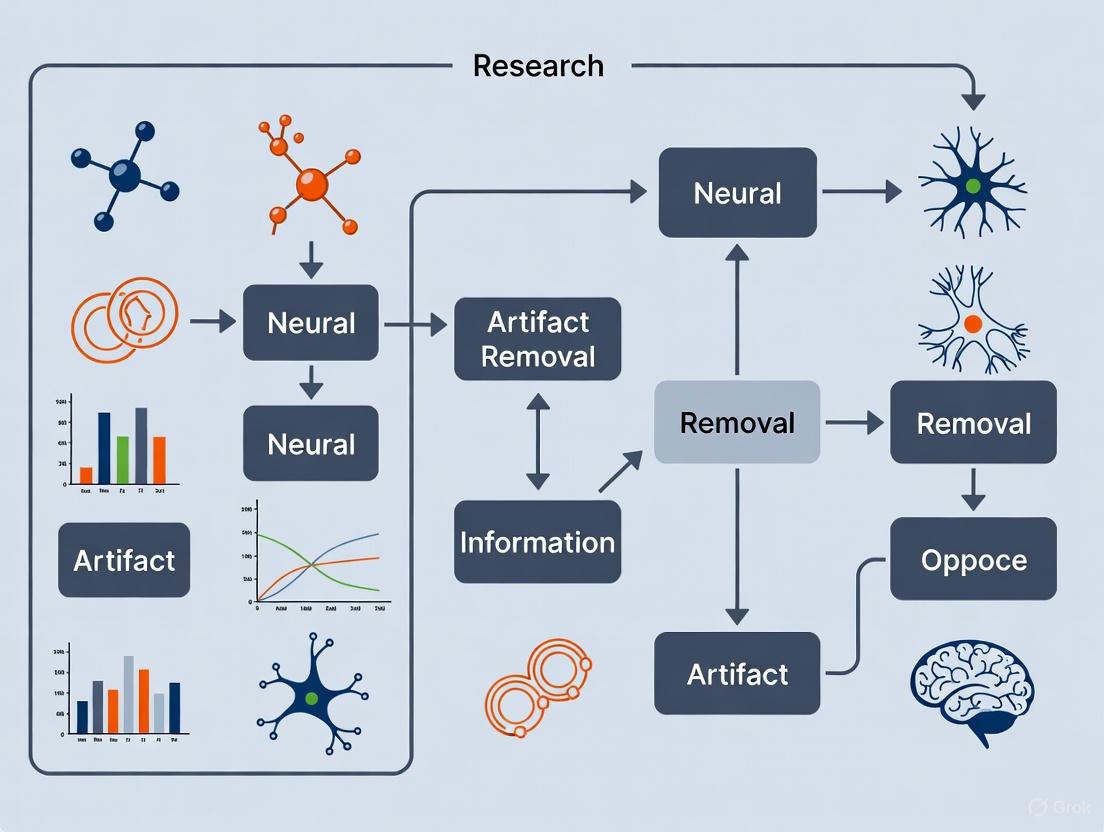
This article provides a comprehensive analysis of state-of-the-art techniques for removing artifacts from electroencephalography (EEG) signals while preserving critical neural information.
Neural Information Preservation in EEG Artifact Removal: A 2025 Review of Deep Learning and Benchmarking
Abstract
This article provides a comprehensive analysis of state-of-the-art techniques for removing artifacts from electroencephalography (EEG) signals while preserving critical neural information. Tailored for researchers, scientists, and drug development professionals, it explores the foundational challenges of artifact contamination, details the latest methodological advances in deep learning, including State Space Models (SSMs) and hybrid architectures like CNN-LSTM networks, and offers practical guidance for troubleshooting and optimization. The review further establishes a rigorous framework for the validation and comparative benchmarking of artifact removal pipelines, synthesizing performance metrics and recent findings to guide method selection for clinical and biomedical research applications.
The Critical Challenge: Why Artifacts Threaten Neural Data Integrity in Modern Neuroscience
The pursuit of pristine neural data is a fundamental challenge in neuroscience and drug development. Biological artifacts, originating from the subject's own body, and environmental artifacts, from external sources, can significantly distort electroencephalography (EEG) and other neurophysiological signals, potentially leading to erroneous interpretations of brain function and drug effects [1]. In wearable EEG systems, which enable brain monitoring in real-world environments, this problem is exacerbated by the relaxed constraints of the acquisition setup, including the use of dry electrodes, reduced scalp coverage, and subject mobility [1]. The presence of these uncertain artifacts and noise significantly reduces the quality of EEG recordings, posing critical challenges for accurate data analysis in both research and clinical applications [2]. Effectively managing these artifacts is not merely a technical exercise but a prerequisite for generating reliable, high-fidelity neural data that can inform scientific discovery and therapeutic development.
Neural recordings are susceptible to a diverse array of contaminating signals. Understanding their origins is the first step in developing effective removal strategies. These artifacts can be broadly categorized based on their source.
Table: Classification of Common Neural Signal Artifacts
| Category | Specific Source | Origin | Key Characteristics |
|---|---|---|---|
| Biological (Physiological) | Ocular (EOG) | Eye movements & blinks | High-amplitude, low-frequency |
| Muscle (EMG) | Head, neck, jaw muscle activity | Broadband, high-frequency | |
| Cardiac (ECG) | Heartbeat | Periodic, consistent morphology | |
| Vascular Pulsation | Blood flow in scalp arteries | Pulse-synchronous, localized | |
| Environmental (Non-Physiological) | Motion Artifact | Head movement, cable sway | Time-locked to gait/movement, high-amplitude |
| Powerline Interference | Mains electricity (50/60 Hz) | Narrowband, steady frequency | |
| Electrode Noise | Impedance changes, pop | Abrupt, non-stationary | |
| Instrumentation Noise | Amplifier circuits | Broadband, low-level |
The specific features of artifacts in wearable EEG differ from those in traditional lab-based systems due to dry electrodes, reduced scalp coverage, and significant subject mobility [1]. For instance, motion artifacts during whole-body movements like running produce artifacts that contaminate the EEG and reduce the quality of subsequent signal processing steps like Independent Component Analysis (ICA) decomposition [3]. Furthermore, the reduced number of channels in wearable systems often limits the effectiveness of standard artifact rejection techniques that rely on source separation methods, such as Principal Component Analysis (PCA) and ICA [1].
Quantitative Comparison of Artifact Removal Techniques
A variety of algorithms have been developed to address the challenge of artifact contamination. The performance of these methods varies significantly depending on the artifact type, recording context (e.g., static vs. mobile), and the neural signal of interest. The following tables summarize the quantitative performance of several state-of-the-art techniques as reported in recent experimental studies.
Table 1: Performance Comparison on Semi-Synthetic Data (EMG & EOG Artifacts) [2]
| Model | SNR (dB) | CC | RRMSEt | RRMSEf |
|---|---|---|---|---|
| CLEnet (Proposed) | 11.498 | 0.925 | 0.300 | 0.319 |
| DuoCL | 10.912 | 0.901 | 0.325 | 0.334 |
| NovelCNN | 10.345 | 0.885 | 0.355 | 0.351 |
| 1D-ResCNN | 9.987 | 0.870 | 0.371 | 0.363 |
Table 2: Performance in Motion Artifact Removal During Running (Flanker Task) [3]
| Preprocessing Method | ICA Dipolarity | Power at Gait Freq. | Recovery of P300 Effect |
|---|---|---|---|
| iCanClean (w/ pseudo-reference) | High | Significantly Reduced | Yes |
| Artifact Subspace Reconstruction (ASR) | High | Significantly Reduced | Yes (Weaker) |
| No Preprocessing / ICA alone | Low | High | No |
Table 3: Performance by Stimulation Type in tES Artifact Removal [4]
| Stimulation Type | Best Performing Model | Key Metric (RRMSE) |
|---|---|---|
| tDCS (transcranial Direct Current Stimulation) | Complex CNN | Lowest Temporal & Spectral Error |
| tACS (transcranial Alternating Current Stimulation) | M4 (State Space Model) | Lowest Temporal & Spectral Error |
| tRNS (transcranial Random Noise Stimulation) | M4 (State Space Model) | Lowest Temporal & Spectral Error |
Experimental Protocols for Key Artifact Removal Methods
Protocol: Motion Artifact Removal with iCanClean and ASR
This protocol is designed for removing motion artifacts from EEG data collected during locomotion, such as running, based on a comparative study [3].
1. Data Acquisition:
- Record EEG from participants performing a dynamic task (e.g., an adapted Flanker task) during both static standing and dynamic jogging conditions.
- Use a mobile EEG system. If available, use dual-layer sensors where one layer contacts the scalp and a second, mechanically coupled layer records only motion-induced noise.
2. Signal Preprocessing:
- For iCanClean: If dual-layer noise sensors are unavailable, create pseudo-reference noise signals by applying a temporary notch filter (e.g., below 3 Hz) to the raw EEG to isolate noise subspaces.
- Set the canonical correlation analysis (CCA) parameters to an R² threshold of 0.65 and a sliding window of 4 seconds to identify and subtract noise subspaces correlated with the pseudo-reference [3].
- For Artifact Subspace Reconstruction (ASR): Calculate the root mean square (RMS) of 1-second sliding windows of the continuous EEG. Use a condensed Gaussian distribution to convert RMS values to z-scores. Define the calibration reference data as segments where z-scores fall within -3.5 to 5.0 for at least 92.5% of electrodes. Apply a k-threshold between 10 and 30 during cleaning to avoid "over-cleaning" [3].
3. Validation & Analysis:
- Perform Independent Component Analysis (ICA) and evaluate component dipolarity. A higher number of dipolar brain components indicates better decomposition quality.
- Compute spectral power at the step frequency and its harmonics. Effective cleaning shows significant power reduction at these frequencies.
- For event-related potential (ERP) studies, check for the recovery of expected components (e.g., P300 congruency effect) in the dynamic condition that match those in the static condition.
Protocol: Deep Learning for General Artifact Removal with CLEnet
This protocol outlines the training and evaluation of the CLEnet model for removing various artifacts from multi-channel EEG data [2].
1. Dataset Preparation:
- Use semi-synthetic datasets created by adding known artifacts (e.g., EOG, EMG, ECG) to clean EEG recordings. This provides a ground truth for supervised learning.
- For real-world validation, use a dedicated multi-channel EEG dataset containing unknown artifacts collected during cognitive tasks (e.g., a 2-back task).
2. Model Architecture & Training:
- Implement the CLEnet architecture, which consists of:
- A Dual-Branch CNN with kernels of different scales to extract morphological features from the EEG.
- An Improved EMA-1D (One-Dimensional Efficient Multi-Scale Attention) module embedded in the CNN to enhance temporal feature preservation.
- An LSTM (Long Short-Term Memory) network following the CNN to capture the temporal dependencies of genuine EEG.
- Train the model in an end-to-end, supervised manner using Mean Squared Error (MSE) as the loss function to minimize the difference between the output and the clean ground-truth EEG.
3. Model Evaluation:
- Evaluate performance using multiple metrics on a held-out test set:
- Signal-to-Noise Ratio (SNR) and Correlation Coefficient (CC): Higher values are better.
- Relative Root Mean Square Error in the temporal (RRMSEt) and spectral (RRMSEf) domains: Lower values are better.
- Conduct ablation studies by removing the EMA-1D module to confirm its contribution to model performance.
Signaling Pathways and Workflows
The following diagram illustrates the high-level workflow for processing neural signals, from acquisition to clean data, highlighting key decision points for artifact management.
This table details key computational tools, algorithms, and data resources essential for conducting rigorous artifact removal research.
Table: Key Research Reagents and Solutions for Artifact Removal
| Tool/Resource Name | Type | Primary Function | Application Context |
|---|---|---|---|
| ICLabel [3] | Software Plugin (EEGLAB) | Automates classification of ICA components (brain, eye, muscle, etc.). | Standard ICA-based cleaning pipelines for lab EEG. |
| Artifact Subspace Reconstruction (ASR) [3] | Algorithm | Removes high-amplitude, non-stationary artifacts using a sliding-window PCA approach. | Preprocessing for mobile EEG, motion artifact removal. |
| iCanClean [3] | Algorithm & Framework | Uses CCA with noise references (real or pseudo) to subtract motion artifact subspaces. | High-motion scenarios like walking or running; requires noise reference. |
| CLEnet [2] | Deep Learning Model | End-to-end removal of multiple artifact types using dual-scale CNN, LSTM, and attention. | Multi-channel EEG with mixed/unknown artifacts; no need for manual intervention. |
| EEGdenoiseNet [2] | Benchmark Dataset | Provides semi-synthetic data with clean EEG and added EOG/EMG artifacts. | Training, benchmarking, and comparative evaluation of denoising algorithms. |
| State Space Models (SSM) [4] | Algorithmic Framework | Excels at modeling and removing complex, structured noise like tACS and tRNS artifacts. | Cleaning EEG recorded during transcranial electrical stimulation (tES). |
| SpyKing / SNNs [5] | Framework & Model | Implements Spiking Neural Networks for energy-efficient, potentially more private, computation. | Emerging approach for secure, low-power neural data processing. |
The accurate extraction and preservation of neural information are fundamental to advancements in neuroscience, brain-computer interfaces (BCIs), and neuropharmaceutical development. Neural signals, which carry the brain's functional information, are invariably contaminated by various artifacts and noise during acquisition. The core objective of neural signal processing is therefore to remove these contaminants while maximally preserving the integrity of the underlying neural data. This balance is critical; over-aggressive filtering can discard vital neural information, whereas insufficient processing leaves artifacts that obscure true brain activity. As neural interfacing technologies evolve towards higher channel counts, exceeding thousands of electrodes, the development of efficient, real-time signal processing techniques that prioritize neural information preservation has become a central challenge in the field [6]. This guide provides a comparative analysis of current artifact removal techniques, evaluating their performance based on their efficacy in preserving neural information across different experimental contexts.
Neural Signals and the Contamination Challenge
Neural signals comprise several components, each with distinct characteristics and informational value. Action potentials (spikes) are rapid, all-or-none electrochemical impulses from individual neurons, typically lasting 1-2 ms with amplitudes ranging from tens to hundreds of microvolts. These are a primary source of information for prosthetic and rehabilitation applications. Local Field Potentials (LFPs) represent the low-frequency components (typically <300 Hz) resulting from the aggregated synaptic activity of neuronal populations. While sometimes informative, LFPs are often filtered out when the focus is on single-unit activity [6].
These signals are susceptible to contamination from various sources:
- Physiological Artifacts: Include ocular artifacts (eye blinks and movements), muscle activity (EMG), and cardiac activity (ECG and pulse artifacts). These are particularly challenging as their frequency spectra often overlap with neural signals of interest [7].
- Environmental Artifacts: Arise from electromagnetic interference, faulty electrodes, or cable movements [7].
- Stimulation Artifacts: In closed-loop systems or during transcranial Electrical Stimulation (tES), the stimulation signal itself creates massive artifacts that can swamp native neural activity [4].
The following table summarizes the key signal types and their contaminants:
Table 1: Characteristics of Neural Signals and Common Artifacts
| Signal/Artifact Type | Frequency Range | Amplitude Range | Origin | Informational Value |
|---|---|---|---|---|
| Action Potentials | 300 Hz - 6 kHz | 50 - 500 μV | Firing of individual neurons | High; encodes neural computation |
| Local Field Potentials (LFP) | <300 Hz | 100 - 1000 μV | Aggregate synaptic activity | Context-dependent; network-level info |
| Ocular Artifact | 0 - 20 Hz | Often >1000 μV | Eye movements and blinks | Contaminant |
| Muscle Artifact (EMG) | 0 - >200 Hz | Highly variable | Head and neck muscle activity | Contaminant |
| Stimulation Artifact (tES) | Stimulation frequency | Can saturate amplifiers | Transcranial Electrical Stimulation | Contaminant |
Comparative Analysis of Artifact Removal Techniques
This section objectively compares the performance of major artifact removal methodologies, focusing on their ability to preserve neural information while effectively eliminating contaminants.
Signal Decomposition Techniques
Signal decomposition methods separate neural data into constituent components, allowing for the selective removal of artifactual elements.
Table 2: Comparison of Advanced Signal Decomposition Techniques
| Decomposition Method | Underlying Principle | Effectiveness on Noise | Computational Cost | Key Advantage | Key Limitation | Reported Accuracy |
|---|---|---|---|---|---|---|
| Empirical Mode Decomposition (EMD) | Adaptive, data-driven time-scale separation | High noise sensitivity, mode mixing | Moderate | Data-driven, no pre-defined basis | Susceptible to mode mixing | 94.2% (PQD Classification) [8] |
| Ensemble EMD (EEMD) | EMD over noise ensembles | Reduces mode mixing | High | Robustness to mode mixing | High computational load | 95.1% (PQD Classification) [8] |
| Complete EEMD with Adaptive Noise (CEEMDAN) | Complete reconstruction with adaptive noise | Better noise handling than EEMD | High | Minimal reconstruction error | Complex parameter tuning | 95.8% (PQD Classification) [8] |
| Variational Mode Decomposition (VMD) | Constrained optimization for mode extraction | High noise robustness | Moderate to High | Preserves signal non-stationarity | Requires preset mode number | 99.16% (PQD Classification) [8] |
| State Space Models (SSM) - M4 Network | Multi-modular deep learning architecture | Excels on complex tACS/tRNS artifacts | High (GPU-dependent) | Handles complex, non-linear artifacts | Requires substantial training data | Best for tACS/tRNS (EEG Denoising) [4] |
| Complex CNN | Deep convolutional neural network | Best for tDCS artifacts | High (GPU-dependent) | Learns complex spatial features | Black-box interpretation | Best for tDCS (EEG Denoising) [4] |
Classical vs. Machine Learning-Based Approaches
Traditional and modern approaches offer different trade-offs between interpretability, computational demand, and performance.
Table 3: Classical vs. Machine Learning-Based Removal Techniques
| Technique | Methodology | Best For | Neural Information Preservation | Hardware Efficiency |
|---|---|---|---|---|
| Regression | Subtract artifact estimated from reference channels | Ocular artifacts | Moderate; can remove neural signals | High; simple computation [7] |
| Blind Source Separation (BSS/ICA) | Statistically independent component separation | Muscle, ocular, and cardiac artifacts | High when components accurately classified | Moderate; depends on channel count [7] |
| Wavelet Transform | Multi-resolution time-frequency analysis | Transient artifacts and spikes | High with appropriate thresholding | Moderate [8] |
| Random Forest Classifier | Ensemble machine learning with feature extraction | Classifying multiple disturbance types | High when trained on clean data | Low for training, moderate for inference [8] |
| Deep Learning (CNN, SSM) | End-to-end feature learning and filtering | Complex, non-linear artifacts (e.g., tES) | Very High with proper training | Low for training, variable for inference [4] |
Experimental Protocols and Methodologies
To ensure reproducible comparisons, this section outlines standard experimental protocols for evaluating artifact removal techniques.
Protocol for Benchmarking Decomposition Techniques
Objective: To quantitatively compare the neural information preservation capabilities of EMD, EEMD, CEEMDAN, and VMD when coupled with a classifier.
Dataset Generation:
- Utilize a synthetic benchmark dataset (e.g., IEEE-1159 for PQDs) comprising multiple signal classes to simulate various neural states and artifacts [8].
- For real-world validation, incorporate field data from point of common coupling (e.g., with integrated photovoltaic systems to introduce realistic noise) [8].
Signal Processing:
- Apply each decomposition method (EMD, EEMD, CEEMDAN, VMD) to the dataset to generate Intrinsic Mode Functions (IMFs).
- Extract discriminative features (e.g., entropy, statistical moments) from the IMFs.
Classification and Validation:
- Implement a Random Forest Classifier (RFC) with hyperparameter tuning via grid search (optimizing number of trees, depth, features) [8].
- Employ 5-fold cross-validation to ensure robustness and compute confidence intervals for accuracy metrics.
- Perform paired t-tests to determine the statistical significance of performance differences between methods.
Protocol for Deep Learning Model Evaluation
Objective: To benchmark deep learning models against classical methods for removing specific artifact types like tES noise.
Semi-Synthetic Dataset Creation:
- Record clean EEG data in resting state conditions.
- Synthetically generate tES artifacts (tDCS, tACS, tRNS) and add them to the clean EEG to create a ground truth dataset [4].
Model Training and Testing:
- Train multiple models (e.g., Complex CNN, M4 SSM network) and classical methods (e.g., regression, ICA) on the synthetic dataset.
- Test all techniques on held-out data and real tES-contaminated recordings.
Performance Metrics:
- Evaluate using Root Relative Mean Squared Error (RRMSE) in both temporal and spectral domains.
- Compute Correlation Coefficient (CC) between processed signals and the clean ground truth to quantify information preservation [4].
Diagram 1: Experimental Workflow for Technique Evaluation
The Scientist's Toolkit: Research Reagent Solutions
The following table details essential computational tools and signal processing "reagents" critical for experiments in neural information preservation.
Table 4: Essential Research Reagents and Computational Tools
| Tool/Reagent | Function | Example Use Case | Preservation Consideration |
|---|---|---|---|
| Microelectrode Arrays | High-density neural signal acquisition | Recording intra-cortical spiking activities | Density impacts spatial resolution; material affects signal-to-noise ratio [6] |
| Synthetic Benchmark Datasets | Controlled algorithm validation | Testing decomposition techniques (e.g., IEEE-1159) | Provides ground truth for quantifying information preservation [8] |
| Semi-Synthetic EEG + Artifact | Validation with known ground truth | Evaluating tES artifact removal | Enables rigorous benchmarking of deep learning models [4] |
| Random Forest Classifier | Machine learning-based signal classification | Classifying power quality disturbances | Hyperparameter tuning prevents overfitting, preserving generalizable info [8] |
| State Space Models (SSMs) | Deep learning for time-series modeling | Removing complex tACS/tRNS artifacts | Architecture designed to model temporal dependencies, preserving signal dynamics [4] |
| Variational Mode Decomposition | Adaptive signal decomposition | Feature extraction for classification | Constrained optimization helps separate noise from signal components [8] |
Diagram 2: Neural Information Preservation Pathway
The optimal technique for neural information preservation depends critically on the specific artifact type, signal characteristics, and application constraints. Based on comparative analysis:
- VMD paired with Random Forest currently offers the highest classification accuracy for signal disturbances, making it suitable for scenarios requiring precise identification of neural states amidst noise [8].
- Deep Learning approaches (Complex CNN, M4 SSM) excel in removing complex, non-linear artifacts such as those induced by transcranial electrical stimulation, outperforming classical methods in these specific domains [4].
- Classical methods (BSS/ICA, Regression) remain valuable for their computational efficiency and interpretability, particularly in resource-constrained implantable devices or for well-understood artifacts like ocular and cardiac contaminants [6] [7].
The selection of an artifact removal strategy must therefore be guided by a triage of the primary contamination source, the computational resources available, and the specific neural information features crucial for the downstream application. Future developments will likely focus on hybrid models that combine the interpretability of classical methods with the power of deep learning, all while maintaining the low-power, real-time operation required for next-generation high-density neural interfaces.
Wearable electroencephalography (EEG) has emerged as a transformative technology for brain monitoring, enabling neuroscientific research and clinical diagnostics to move from highly controlled laboratory settings into real-world environments [9]. This shift is driven by the development of portable, wireless systems that facilitate long-term recording while participants are out of the lab and moving about [9]. Unlike traditional high-density, wet-electrode EEG systems that require stationary subjects in shielded rooms, wearable EEG aims to capture brain activity during natural behaviors, including walking, cycling, and even running [9].
However, this transition presents three interconnected challenges that impact signal quality and the fidelity of neural information: the use of dry electrodes, vulnerability to motion artifacts, and operation with low channel counts. Dry electrodes, while enabling rapid setup and improving user comfort, typically exhibit higher electrode-skin impedance compared to gel-based wet electrodes, making them more susceptible to noise [10] [9]. Motion artifacts pose a significant threat to data integrity, as the amplitude of movement-induced noise can be an order of magnitude greater than the neural signals of interest [11]. Furthermore, the shift to low-density systems (often with 16 or fewer channels) limits the effectiveness of classical artifact removal techniques like Independent Component Analysis (ICA), which rely on high spatial resolution to separate neural activity from noise [12]. This article examines these unique challenges, evaluates the performance of current solutions, and discusses their implications for preserving critical neural information in real-world settings.
The Core Triad of Challenges
Dry Electrodes: A Trade-off Between Practicality and Signal Quality
Dry electrode technology eliminates the need for skin abrasion and conductive gel, making EEG systems suitable for user-applied, long-term home monitoring [13]. From a practical standpoint, setup time for dry systems averages just 4.02 minutes compared to 6.36 minutes for wet electrode systems, and comfort ratings remain acceptable during extended 4-8 hour recordings [13].
However, the primary technical challenge is the higher and more unstable electrode-skin impedance. To combat this, active electrodes have been developed. For instance, QUASAR’s dry electrode EEG sensors incorporate ultra-high impedance amplifiers (>47 GOhms) capable of handling contact impedances up to 1-2 MOhms, thereby producing signal quality comparable to wet electrodes [13]. Similarly, Naox ear-EEG devices use dry-contact electrodes with active electrode technology featuring 13 TΩ input impedance to minimize noise despite higher electrode-skin impedance (approximately 300 kΩ) [13].
Table 1: Performance Comparison of Dry vs. Active Dry Electrodes
| Electrode Type | Electrode-Skin Impedance | Amplifier Input Impedance | Key Advantages | Primary Limitations |
|---|---|---|---|---|
| Passive Dry | High (≈1-2 MΩ) | Not Specified | Rapid setup, no gel, user-friendly | High motion artifact susceptibility, unstable contact |
| Active Dry [10] [13] | High (≈300 kΩ - 2 MΩ) | Very High (>>47 GΩ - 13 TΩ) | Stabilizes signal, handles high impedance, motion-resistant | Higher power consumption, more complex hardware |
| Passive Wet [10] | Low (≈5-10 kΩ) | Not Specified | Stable low-impedance contact, gold-standard signal quality | Gel dries over time, long setup, skin preparation needed |
Experimental data underscores the importance of hardware-level solutions. A 2023 study directly comparing passive dry, active dry, and passive wet electrodes during treadmill walking found that while treating a passive-wet system as a benchmark, only the active-electrode design more or less rectified movement artifacts for dry electrodes [10]. This finding suggests that a lightweight, minimally obtrusive dry EEG headset should at least equip an active-electrode infrastructure to sustain its validity in real-world scenarios [10].
Motion Artifacts: The Dominant Noise Source
Motion artifacts are a critical challenge because their amplitude can be at least ten times greater than that of the underlying bio-signals, severely obscuring neural information [11]. These artifacts arise from several mechanisms, including electrode-tissue interface fluctuations, cable movement, and the movement of the electrodes themselves through ambient electromagnetic fields [9].
Motion artifact mitigation strategies can be categorized into hardware-based and software-based approaches:
- Hardware Solutions: These focus on improving the physical interface and electronics. Patented mechanical isolation designs in dry electrodes stabilize them for artifact-free recordings during movement [13]. Furthermore, novel electrode designs can record motion noise in addition to the EEG signal components, allowing this noise to be removed by software filtering [9].
- Software Solutions: Signal processing techniques are widely used. Artifact Subspace Reconstruction (ASR) is an adaptive method that can identify and remove components of the signal that exceed a statistical threshold of typical brain activity [10]. Independent Component Analysis (ICA) is a blind source separation technique that can isolate and discard artifact-laden components [12]. Deep learning approaches are also emerging as powerful tools for managing muscular and motion artifacts, with promising applications in real-time settings [12].
The efficacy of these software methods, however, is highly dependent on the number of EEG channels. A 2023 study demonstrated that the performance of the ASR pipeline was substantially compromised by limited electrodes [10]. This creates a particular vulnerability for low-density wearable systems, where the reduced spatial information makes it difficult to reliably distinguish brain signals from noise.
Low Channel Counts: Limiting Advanced Processing
The drive for user-friendly, wearable EEG has resulted in systems with drastically reduced channel counts, often below sixteen [12]. While this improves ease of use, affordability, and setup speed, it imposes significant constraints on data analysis.
The primary limitation is the impairment of source separation methods like ICA and Principal Component Analysis (PCA). These algorithms rely on having a sufficient number of spatial samples (i.e., electrodes) to disentangle the mixture of neural and non-neural sources that compose the scalp EEG signal [12]. With low-density setups, there are fewer channels than underlying sources, making it impossible to cleanly separate them. This bottleneck is now seen as a main hurdle to the wider take-up of wearable EEG [9].
Despite this, research has shown that even minimal systems can be effective for specific, well-defined applications. For example, a two-channel forehead-mounted mEEG system was able to capture and quantify the N200 and P300 event-related potential components during a visual oddball task [14]. Furthermore, a wearable reduced-channel system using only four sensors to create a 10-channel montage demonstrated clinical potential by allowing epileptologists to accurately identify patients experiencing electrographic seizures with 90% sensitivity and 90% specificity [15]. These findings confirm that while low-channel systems are not suitable for all research questions, they can provide reliable data for targeted applications.
Experimental Data & Performance Comparison
To illustrate the performance trade-offs in real-world scenarios, the following table summarizes quantitative findings from key studies that have directly addressed these challenges.
Table 2: Experimental Performance of Wearable EEG Systems Across Challenges
| Study / System | Primary Challenge Addressed | Experimental Protocol | Key Performance Metrics & Results |
|---|---|---|---|
| Yang et al. (2023) [10] | Dry Electrodes & Motion | 18 subjects performed an oddball task during treadmill walking (1-2 KPH). Simultaneous EEG with passive/active dry and passive wet electrodes. | Active dry electrodes rectified movement artifacts compared to passive dry. ASR performance was substantially compromised by low electrode count. |
| Frankel et al. (2021) [15] | Low Channel Count | 20 subjects wore a 4-sensor wireless system (10-channel montage) alongside traditional video-EEG in an EMU for up to 5 days. | Blinded review detected people with seizures with 90% sensitivity, 90% specificity. Individual seizure detection: 61% sensitivity, 0.002 false positives/hour. |
| Krigolson et al. (2025) [14] | Low Channel Count | Participants performed a visual oddball task while EEG was recorded with a two-channel forehead-mounted system ("Patch"). | The system successfully captured and quantified N200 and P300 ERP components from a minimal forehead array, confirming reliability for targeted ERP paradigms. |
To ensure the validity of findings from wearable EEG studies, rigorous experimental protocols and data processing pipelines are essential. Below is a detailed description of a typical methodology used to evaluate systems under realistic conditions.
- 1. Participant & Task Design: A cohort of participants (e.g., n=18-35) is recruited. They perform a standardized neurophysiological paradigm, such as a visual or auditory oddball task, which reliably evokes well-known Event-Related Potentials (ERPs) like the P300 [10] [16] [14].
- 2. Data Acquisition: EEG is recorded simultaneously using the wearable system under test and a high-density, laboratory-grade system as a benchmark [15]. Critically, data collection occurs during various motion conditions, such as treadmill walking at different speeds (e.g., 1-2 KPH), running, or cycling [10] [9].
- 3. Preprocessing: Data is processed using a standard pipeline in tools like EEGLAB or Brainstorm. This includes:
- 4. Artifact Processing & Analysis: The core analysis involves applying and comparing artifact removal methods, such as ASR or ICA, on the wearable system data [10] [12]. The cleaned data is then compared to the laboratory-grade benchmark using quantitative metrics like Signal-to-Noise Ratio (SNR), component amplitude and latency, and, for clinical studies, sensitivity/specificity for detecting pathological events [10] [15].
This workflow is summarized in the following diagram, which outlines the logical sequence from participant preparation to final quantitative comparison.
The Scientist's Toolkit: Key Research Reagents & Solutions
Table 3: Essential Tools for Wearable EEG Research & Development
| Tool / Technology | Function | Example Use-Case in Research |
|---|---|---|
| Active Dry Electrodes [10] [13] | Stabilize high-impedance connection; reduce motion artifacts at the source. | Essential for obtaining usable EEG data during subject movement in dry-electrode systems. |
| Artifact Subspace Reconstruction (ASR) [10] [12] | Adaptive, online-capable method for removing high-amplitude, non-stationary artifacts. | Cleaning data in real-time BCI applications or during offline analysis of motion-corrupted segments. |
| Independent Component Analysis (ICA) [12] [16] | Blind source separation to isolate and remove artifact components (ocular, muscular). | Standard post-processing step for removing stereotyped artifacts after data collection. |
| Multivariate Pattern Analysis (MVPA) [16] | Machine learning technique to decode neural representations from high-dimensional EEG data. | Used to explore neural mechanisms in naturalistic paradigms, even with complex stimuli. |
| In-Ear EEG Platforms [13] [11] | Discreet form factor for recording from the ear canal; socially discrete monitoring. | Enables long-term, user-friendly brain monitoring in ecological settings. |
| fNIRS Integration [13] [17] | Measures blood oxygenation changes in the cortex; complements EEG with metabolic info. | Provides a multimodal picture of brain activity; more tolerant to movement than EEG. |
The unique challenges of wearable EEG—dry electrodes, motion artifacts, and low channel counts—are interconnected problems that require a systems-level approach. No single solution is sufficient; rather, preserving neural information demands a combination of hardware innovations, sophisticated software processing, and a clear understanding of the limitations imposed by electrode count. Active electrodes provide a foundational hardware solution for stabilizing the signal at the source [10]. For artifact removal, techniques like ASR and deep learning show promise, but their efficacy is inherently limited in low-channel systems, constraining the use of powerful spatial filters like ICA [10] [12].
The future of wearable EEG lies in the intelligent integration of hybrid technologies. Combining EEG with motion-tolerant modalities like fNIRS can provide a more robust, multimodal picture of brain function [17]. Furthermore, the development of advanced, channel-count-adaptive algorithms and the continued miniaturization of high-impedance electronics will be crucial. By acknowledging these challenges and leveraging the appropriate toolkit, researchers can effectively harness the power of wearable EEG to unlock the brain's mysteries in the dynamic environments of real life.
The integrity of neural signal data is a foundational pillar in neuroscience research and central nervous system (CNS) drug development. Artifacts—unwanted signals from non-neural sources—corrupt electrophysiological data, potentially leading to flawed interpretations and costly missteps in the development of new therapies. This guide provides an objective comparison of modern artifact removal techniques, detailing their experimental protocols and quantifying their performance to inform selection for high-stakes neurological research.
The Critical Role of Clean Neural Data in Drug Development
The global CNS therapeutics market is projected to grow to $410 million by 2035, fueled by the urgent need for treatments for conditions like Alzheimer's, Parkinson's, and multiple sclerosis [18]. Success in this high-failure-rate sector depends on reliable data. Artifacts in neural recordings introduce significant noise, obscuring true biomarkers and compromising the assessment of a drug's effect on brain activity.
The emergence of wearable EEG for real-world brain monitoring in clinical trials introduces new artifact challenges from motion, dry electrodes, and environmental noise [12]. Furthermore, techniques like Transcranial Electrical Stimulation (tES), used both as a therapeutic intervention and a research tool, generate massive artifacts that can swamp genuine neural signals [4]. Effective artifact removal is therefore not merely a data processing step but a crucial safeguard for ensuring the validity of preclinical and clinical findings.
Comparative Analysis of Neural Artifact Removal Techniques
Performance Benchmarking
Different artifact removal methods exhibit distinct strengths and weaknesses depending on the artifact type, recording modality, and data characteristics. The table below summarizes the quantitative performance of several advanced techniques.
Table 1: Performance Comparison of Modern Artifact Removal Algorithms
| Algorithm | Core Methodology | Best For Artifact Type | Reported Performance Metrics | Key Limitations |
|---|---|---|---|---|
| ComplexCNN [4] | Deep Learning: Convolutional Neural Network | tDCS artifacts | Highest performance for tDCS (Specific metrics not provided [4]) | Performance is stimulation-type dependent [4] |
| M4 Network [4] | Deep Learning: State Space Models (SSM) | tACS & tRNS artifacts | Highest performance for tACS and tRNS [4] | Performance is stimulation-type dependent [4] |
| CLEnet [2] | Deep Learning: Dual-scale CNN + LSTM + EMA-1D attention | Multi-artifact (EMG, EOG, ECG) & unknown artifacts | SNR: 11.498 dB; CC: 0.925; RRMSEt: 0.300; RRMSEf: 0.319 (Mixed artifacts) [2] | Complex architecture may increase computational cost [2] |
| ICA/PCA [12] [2] | Blind Source Separation | Ocular & muscular artifacts (in high-density EEG) | Widely applied but requires manual component inspection [2] | Requires many channels; struggles with low-density wearable EEG [12] |
| Wavelet Transform [12] | Signal Decomposition | Ocular & muscular artifacts | Among most frequently used techniques [12] | Requires expert knowledge for threshold setting [12] |
| ASR [12] | Statistical Reconstruction | Ocular, movement, & instrumental artifacts | — | — |
Key to Metrics: SNR (Signal-to-Noise Ratio) - higher is better; CC (Correlation Coefficient) - higher is better, max is 1.0; RRMSE (Relative Root Mean Square Error) - lower is better.
Experimental Protocols for Benchmarking
The quantitative results in Table 1 were derived from rigorous, structured experiments. The following workflow generalizes the methodology used to evaluate and compare different artifact removal pipelines.
Diagram 1: Artifact Removal Evaluation Workflow
Detailed Protocol Steps:
Data Preparation (Semi-Synthetic Dataset Creation): This controlled approach is used in studies like [4] and [2].
- Clean EEG: Obtain artifact-free EEG recordings from public databases or controlled lab settings.
- Artifact Signals: Record pure artifact signals (e.g., EOG from eye blinks, EMG from jaw clenching) or generate synthetic tES artifacts [4].
- Mixing: Linearly combine clean EEG and artifact signals at known signal-to-noise ratios to create a contaminated dataset where the ground truth (original clean EEG) is known [2].
Algorithm Application: Apply the artifact removal techniques under evaluation (e.g., CLEnet, ICA, wavelet transform) to the contaminated semi-synthetic dataset.
Ground Truth Comparison: Compare the output of each algorithm (the "cleaned" signal) against the original, known-clean EEG signal.
Performance Metric Calculation: Calculate quantitative metrics to evaluate each algorithm's performance [4] [2]:
- Temporal Similarity: Use Correlation Coefficient (CC) and Relative Root Mean Squared Error in temporal domain (RRMSEt).
- Spectral Preservation: Use Relative Root Mean Squared Error in frequency domain (RRMSEf).
- Signal Quality Improvement: Measure the Signal-to-Noise Ratio (SNR).
The Scientist's Toolkit: Key Reagents & Computational Solutions
Successful implementation of artifact removal pipelines relies on both data and specialized computational tools.
Table 2: Essential Research Resources for Neural Signal Processing
| Item / Solution | Function / Description | Application in Research |
|---|---|---|
| Semi-Synthetic Benchmark Datasets [2] | Public datasets mixing clean EEG with known artifacts (e.g., EOG, EMG). | Provides a controlled ground truth for rigorous algorithm development, testing, and benchmarking. |
| Pre-trained Models (e.g., EMFF-2025) [19] | Neural network potentials trained on large datasets, usable via transfer learning. | Accelerates project setup by providing a foundational model that can be adapted to specific tasks with minimal new data. |
| Independent Component Analysis (ICA) | A blind source separation algorithm that decomposes multi-channel signals into independent components. | Identifies and isolates artifact components (e.g., from eyes, heart) for removal; most effective with high-channel count data [12]. |
| Wavelet Transform Toolboxes | Software libraries (e.g., in MATLAB, Python) for multi-resolution signal analysis. | Used to denoise signals by thresholding wavelet coefficients associated with artifacts [12]. |
| Artifact Subspace Reconstruction (ASR) | A statistical method that identifies and removes high-variance artifact components in multi-channel data. | Particularly useful for handling large-amplitude, transient artifacts like movement and electrode pops in wearable EEG [12]. |
| Digital Biomarkers & Wearables [20] | Sensors (e.g., IMU, EOG) and algorithms for continuous physiological monitoring. | Provides auxiliary data to improve the detection of motion and physiological artifacts in real-world settings [12]. |
Implications for Neurological Disorder Research & Therapy Development
The choice of an artifact removal strategy has direct, tangible consequences for drug development. The following diagram illustrates how this technical decision influences the entire R&D pipeline.
Diagram 2: Impact of Artifact Removal on Drug Development Outcomes
The implications are significant:
Ensuring Biomarker Fidelity: Reliable biomarkers are increasingly the cornerstone of modern CNS trials. The 2025 Alzheimer's drug development pipeline, for example, includes 182 trials, with biomarkers serving as primary outcomes in 27% of them [21]. Artifacts can masquerade as or mask genuine biomarker signals, leading to incorrect patient stratification or failure to detect a drug's biological effect.
Supporting Advanced Modalities: New therapeutic approaches like Antisense Oligonucleotides (ASOs) and stem cell therapies are emerging for CNS disorders [18]. Evaluating their precise mechanisms and effects often relies on sensitive neurophysiological recordings, making data purity paramount.
Enabling Real-World Monitoring: The shift towards wearable EEG for decentralized trials and long-term monitoring in conditions like Parkinson's demands artifact handling strategies that perform outside the controlled lab environment [12] [20]. Techniques that leverage auxiliary sensors and deep learning show promise in meeting this challenge.
Methodological Frontiers: From Traditional Filters to Advanced Deep Learning Architectures
In neural information research, non-invasive techniques like electroencephalography (EEG) provide critical insights into brain function but are frequently contaminated by physiological and environmental artifacts. Preserving the integrity of neural signals during artifact removal is paramount, as the loss of subtle neurophysiological information can compromise analyses in both clinical and research settings, from neuromodulation studies to drug development. Among the numerous available signal processing techniques, Principal Component Analysis (PCA), Independent Component Analysis (ICA), and Wavelet Transform have established themselves as foundational tools. This guide provides an objective comparison of these three traditional techniques, benchmarking their performance in artifact removal, with a specific focus on their efficacy in preserving underlying neural information. The evaluation is grounded in recent experimental data, detailing methodologies and outcomes to inform researchers and scientists in their selection of appropriate processing pipelines.
Theoretical Foundations and Applications
Principal Component Analysis (PCA)
PCA is a linear dimensionality reduction technique that transforms correlated variables into a set of uncorrelated principal components, ordered such that the first few retain most of the variation present in the original dataset [22] [23]. It operates by computing the eigenvectors and eigenvalues of the covariance matrix, identifying the directions of maximum variance in the data [22]. In the context of artifact removal, PCA is effective for separating signals based on their variance, often assuming that artifacts (like ocular movements) contribute a larger variance compared to neural signals. However, a significant limitation is that the resulting principal components are linear combinations of original variables and can lack direct physiological interpretability, making it challenging to relate them to underlying neural processes [24] [23]. Its application is most suitable for scenarios where the artifact is the dominant source of variance in the recorded signal.
Independent Component Analysis (ICA)
ICA is a blind source separation (BSS) technique that decomposes a multivariate signal into statistically independent components [24] [25]. It operates on the assumption that the recorded signal is a linear mixture of independent sources, such as neural activity, eye blinks, and muscle noise. ICA aims to unmix these sources by maximizing the non-Gaussianity of the component distributions [25]. This method is particularly powerful for isolating and removing artifacts like electrooculogram (EOG) from multi-channel EEG data, as these artifacts often originate from independent physiological processes [26]. A key limitation is its requirement for multiple channels to function effectively and its reliance on the statistical independence of sources, which may not always hold in practice, potentially leading to the incomplete separation of neural data and artifacts [25] [26].
Wavelet Transform
Wavelet Transform, particularly the Discrete Wavelet Transform (DWT), provides a time-frequency multi-resolution analysis of a signal [27]. It decomposes a signal into different frequency sub-bands using a set of basis functions (wavelets) localized in both time and frequency. This allows for the identification and manipulation of signal features at specific scales [27] [28]. For artifact removal, a common technique is wavelet denoising, which involves thresholding the detailed coefficients resulting from DWT to suppress noise before reconstructing the signal [27] [28]. Its non-stationary signal handling makes it highly effective for preserving transient neural events and removing artifacts like muscle noise or baseline wander from single-channel recordings [27] [29] [26]. Variants like the Empirical Wavelet Transform (EWT) further adapt the decomposition to the specific modes present in the signal's spectrum [29] [26].
Performance Benchmarking
The performance of PCA, ICA, and Wavelet Transform was evaluated using data from recent studies involving EEG artifact removal. Key metrics include Signal-to-Noise Ratio (SNR), Correlation Coefficient (CC), and Root Relative Mean Squared Error (RRMSE).
Table 1: Performance Benchmarking in EEG Artifact Removal
| Technique | Artifact Type | Key Performance Metrics | Experimental Context |
|---|---|---|---|
| ICA | tES (tDCS) | Temporal RRMSE: ~0.45, Spectral RRMSE: ~0.55, CC: >0.9 [4] | Synthetic tES artifacts added to clean EEG [4]. |
| Wavelet (EWT-AF) | Ocular Artifacts | Avg. SNR Improvement: +9.21 dB, CC: 0.837 [29] | Real EEG data from BCI Competition 2008 [29]. |
| Wavelet (FF-EWT+GMETV) | Ocular Artifacts | Lower RRMSE, Higher CC vs. EMD/SSA [26] | Synthetic & real EEG datasets [26]. |
| Wavelet (DWT+NLM+NOA) | BW, MA, EM | Avg. SNR Improvement: +3.12 dB vs. second-best method [30] | Real-world noise on Physionet datasets [30]. |
Table 2: Qualitative Strengths and Limitations for Neural Information Preservation
| Technique | Strengths | Limitations for Neural Research |
|---|---|---|
| PCA | Reduces data dimensionality; effective for high-variance artifacts [22] [23]. | Low physiological interpretability; risk of removing neural signal with high variance [24]. |
| ICA | Excellent separation of independent sources (e.g., eye blinks) in multi-channel data [4] [26]. | Requires multiple channels; performance depends on source independence [25] [26]. |
| Wavelet Transform | Preserves signal morphology; effective for single-channel data; handles non-stationary signals [27] [28] [29]. | Performance depends on parameter selection (e.g., wavelet type, decomposition level) [28] [30]. |
Detailed Experimental Protocols
Protocol 1: Benchmarking Deep Learning and Traditional Models for tES Artifact Removal
This study [4] provided a comparative benchmark of various models, including ICA, for removing artifacts induced by Transcranial Electrical Stimulation (tES) during EEG recordings.
- Data Preparation: A semi-synthetic dataset was created by combining clean EEG data with synthetic tES artifacts (tDCS, tACS, tRNS), ensuring a known ground truth for controlled evaluation.
- Method Implementation: Eleven artifact removal techniques were tested. ICA was implemented as one of the traditional benchmarks. The analysis focused on separating the mixed signal into independent components, with artifact-related components identified and removed.
- Performance Evaluation: Models were evaluated using Root Relative Mean Squared Error (RRMSE) in both temporal and spectral domains, and the Correlation Coefficient (CC) between the cleaned signal and the original clean EEG. Results indicated that for tDCS artifacts, a convolutional network outperformed others, while for tACS and tRNS, a State Space Model (SSM) was superior. ICA showed competitive performance, particularly in certain stimulation conditions [4].
Protocol 2: EWT with Adaptive Filtering for Ocular Artifact Removal
This research [29] introduced a hybrid method combining Empirical Wavelet Transform (EWT) and Adaptive Filtering (AF) for removing ocular artifacts.
- Data Source: The study utilized the open-source EEGdenoiseNet dataset and real EEG data from the BCI Competition 2008 Graz dataset A.
- Method Implementation:
- Decomposition: The contaminated EEG signal was decomposed using EWT to extract modulated oscillations.
- Artifact Identification: The identified components were used to estimate reference artifact signals.
- Filtering: A Normalized Least Mean Square (NLMS)-based Adaptive Filter was applied to remove the identified artifacts from the signal.
- Performance Evaluation: The performance was measured using Signal-to-Noise Ratio (SNR) and Correlation Coefficient (CC). The EWT-AF model achieved an average SNR improvement of 9.21 dB and a CC value of 0.837, demonstrating its effectiveness in preserving neural information while removing artifacts [29].
Protocol 3: Optimized DWT-NLM Framework for ECG (Conceptually Transferable)
While focused on ECG denoising, this study [30] showcases an advanced optimization of wavelet techniques that is conceptually transferable to neural signal processing.
- Data Source: Experiments were conducted on ECG signals from Physionet datasets contaminated with Additive White Gaussian Noise (AWGN), Baseline Wander (BW), Muscle Artifact (MA), and Electrode Motion Artifact (EM).
- Method Implementation:
- A hybrid DWT and Non-Local Means (NLM) framework was employed.
- The Nutcracker Optimization Algorithm (NOA) was integrated to dynamically optimize critical parameters, including wavelet decomposition levels, basis functions, and NLM parameters (e.g., patch size and bandwidth).
- A sigmoid-tuned threshold function was introduced to reduce constant deviation and pseudo-Gibbs phenomena.
- Performance Evaluation: The method was evaluated based on output SNR and RMSE. The NOA-optimized DWT+NLM framework provided an average SNR enhancement of 3.12 dB compared to the second-best method in real-world noise scenarios, highlighting the importance of parameter optimization in wavelet-based denoising [30].
Workflow and Signaling Pathways
The following diagram illustrates a generalized, high-level workflow that encapsulates the core steps of the artifact removal techniques discussed in this guide.
The Scientist's Toolkit: Research Reagent Solutions
The following table details key computational tools and methodological components essential for implementing the benchmarked artifact removal techniques.
Table 3: Essential Research Reagents for Artifact Removal Research
| Research Reagent | Function & Application | Example Use Case |
|---|---|---|
| Semi-Synthetic Datasets | Enable controlled, rigorous model evaluation by combining clean neural data with known artifact signatures [4] [26]. | Benchmarking ICA performance for tES artifact removal [4]. |
| Optimization Algorithms (e.g., NOA) | Dynamically tune critical parameters (e.g., decomposition levels, threshold) in composite denoising frameworks to prevent neural information loss [30]. | Optimizing DWT and NLM parameters for ECG denoising [30]. |
| Fixed Frequency EWT (FF-EWT) | An adaptive signal decomposition method that creates wavelet filters tailored to the specific spectral content of the input signal [26]. | Isulating fixed-frequency EOG artifacts from single-channel EEG [26]. |
| Adaptive Filters (e.g., NLMS) | Systematically remove artifact components identified during the decomposition stage using a recursive feedback mechanism [29]. | Removing ocular artifacts after EWT decomposition [29]. |
| Performance Metrics (SNR, RRMSE, CC) | Quantitatively evaluate the denoising performance and the degree of neural information preservation [4] [29] [30]. | Comparing the efficacy of EWT-AF against EMD-AF [29]. |
The benchmarking analysis reveals that no single technique is universally superior; the optimal choice depends on the specific research context. ICA excels in multi-channel setups where artifacts stem from statistically independent sources, such as ocular movements. PCA offers a straightforward approach for dimensionality reduction and is effective when artifacts account for the largest variance, though at the potential cost of physiological interpretability. Wavelet Transform, particularly in its advanced and optimized forms like EWT and DWT-NLM, demonstrates remarkable versatility and effectiveness for both single and multi-channel data, preserving critical neural signal morphology while removing a wide spectrum of artifacts. For researchers whose primary focus is the preservation of neural information, wavelet-based methods, especially those enhanced by adaptive filtering and parameter optimization, currently present a powerful and robust choice, as evidenced by their superior performance in recent comparative studies.
The accurate analysis of neural signals is fundamental to advancements in neuroscience, neuromodulation therapies, and drug development. However, a significant challenge in this domain is the presence of artifacts—unwanted noise that obscures genuine brain activity. These artifacts can originate from various sources, including muscle movement (EMG), eye blinks (EOG), and electrical stimulation therapies themselves. The emerging application of wearable EEG devices in real-world settings further amplifies this challenge due to motion artifacts and the use of dry electrodes [12]. Deep learning technologies, particularly Convolutional Neural Networks (CNNs), Recurrent Neural Networks (RNNs), and Generative Adversarial Networks (GANs), are revolutionizing the preservation of neural information by providing sophisticated, data-driven solutions for artifact removal and data augmentation. This guide objectively compares the performance of these architectures within the critical context of neural signal processing.
Core Architectures and Their Functions
The three deep learning architectures excel in distinct roles for handling neural data:
Convolutional Neural Networks (CNNs) are specialized for processing data with spatial or topological structure. Their core operation, convolution, applies filters that extract local features, making them ideal for identifying patterns in multi-channel EEG data or the time-frequency representations of signals [31] [2]. In neural signal processing, they are predominantly used for discriminative tasks like artifact detection and signal classification.
Recurrent Neural Networks (RNNs), including their advanced variants like Long Short-Term Memory (LSTM) and Gated Recurrent Unit (GRU), are designed for sequential data. They possess an internal memory that captures temporal dependencies, which is crucial for modeling the time-evolving nature of neural signals [32]. This makes them exceptionally well-suited for tasks that require understanding the dynamic progression of a brain signal over time.
Generative Adversarial Networks (GANs) consist of two competing neural networks: a Generator that creates synthetic data and a Discriminator that distinguishes between real and generated data [31]. This adversarial training framework is powerful for generative tasks, such as data augmentation to address data scarcity or generating clean neural signals from noisy inputs.
Comparative Analysis of Key Characteristics
Table 1: Comparative analysis of CNN, RNN, and GAN architectures.
| Feature | Convolutional Neural Network (CNN) | Recurrent Neural Network (RNN) | Generative Adversarial Network (GAN) |
|---|---|---|---|
| Primary Function | Feature Extraction & Classification [31] | Sequential Modeling & Prediction [33] | Data Generation & Augmentation [31] |
| Core Strength | Capturing spatial hierarchies and local patterns | Modeling temporal dependencies and long-term context | Learning and replicating complex data distributions |
| Typical Input | Images, Spectrograms, Multi-channel Data [31] | Time-Series Data, Signal Sequences [33] | Random Noise Vector (Generator) [34] |
| Common Use in Neuroscience | Artifact detection, Signal classification | Temporal feature extraction, Signal prediction | Synthetic data generation, Artifact removal [34] [4] |
| Training Paradigm | Supervised Learning [31] | Supervised Learning | Unsupervised/Adversarial Learning [31] |
Quantitative Performance in Neural Signal Processing
Performance in EEG Artifact Removal
Artifact removal is a critical step for preserving neural information in EEG analysis. Different deep learning models have been benchmarked against various artifact types.
Table 2: Performance comparison of deep learning models in EEG artifact removal tasks. Performance is measured using Root Relative Mean Squared Error (RRMSE) and Correlation Coefficient (CC); lower RRMSE and higher CC indicate better performance [4] [2].
| Model Architecture | Artifact Type | Key Metric 1 (RRMSE) | Key Metric 2 (CC) | Key Findings & Context |
|---|---|---|---|---|
| Complex CNN [4] | tDCS Artifacts | Lowest RRMSE (Study-specific) | Highest CC (Study-specific) | Excelled at removing transcranial Direct Current Stimulation (tDCS) artifacts in EEG recordings [4]. |
| Multi-modular SSM (M4) [4] | tACS & tRNS Artifacts | Lowest RRMSE (Study-specific) | Highest CC (Study-specific) | A State Space Model (SSM)-based network performed best for more complex oscillatory artifacts like tACS and tRNS [4]. |
| CLEnet (CNN + LSTM) [2] | Mixed EMG/EOG | RRMSEt: 0.300 | CC: 0.925 | A hybrid model combining dual-scale CNN and LSTM achieved superior performance in removing mixed physiological artifacts [2]. |
| CLEnet (CNN + LSTM) [2] | ECG | RRMSEt: 8.08% lower than baseline | CC: 0.75% higher than baseline | Demonstrated significant superiority in removing cardiac artifacts from EEG signals [2]. |
Performance in Data Augmentation and State Estimation
Data scarcity is a common problem in battery neuroscience and neuropharmacology, where collecting extensive experimental data is costly and time-consuming. GANs offer a powerful solution for data augmentation.
Table 3: Performance of GAN-generated data in battery state estimation, demonstrating its utility for augmenting experimental datasets. Performance is measured using Root Mean Square Error (RMSE); lower values indicate better performance [34].
| Application Scenario | Model Trained With | State Estimated | Performance (RMSE) | Key Findings |
|---|---|---|---|---|
| Data Replacement [34] | GAN-Generated Data Only | State of Health (SOH) | Slightly higher than real data | Estimation accuracy decreased only slightly when real data were completely replaced with generated data [34]. |
| Data Enhancement [34] | Real + GAN-Generated Data | State of Health (SOH) | 0.69% | Augmenting the real dataset with synthetic data improved the estimator's accuracy beyond using real data alone [34]. |
| Data Enhancement [34] | Real + GAN-Generated Data | State of Charge (SOC) | 0.58% | Demonstrated the framework's high accuracy across different state estimation tasks [34]. |
Detailed Experimental Protocols
To ensure reproducibility and provide a clear framework for benchmarking, this section outlines the experimental methodologies cited in the performance tables.
Protocol 1: Benchmarking EEG Artifact Removal Models
This protocol is based on the comparative study of ML methods for tES artifact removal [4] and the development of CLEnet [2].
- 1. Dataset Preparation: A semi-synthetic dataset is created by combining clean, artifact-free EEG recordings with synthetically generated tES artifacts (for tDCS, tACS, tRNS) or recorded physiological artifacts (EMG, EOG, ECG). This provides a known ground truth for quantitative evaluation [4] [2].
- 2. Data Preprocessing: The raw signal is typically filtered and segmented. For models like CLEnet, data is formatted into epochs suitable for deep learning model input [2].
- 3. Model Training: Multiple deep learning models (e.g., Complex CNN, SSM-based models, LSTM, hybrid models) are trained on the artifact-contaminated EEG signals. The target output for the model is the clean EEG signal. A loss function like Mean Squared Error (MSE) is used to minimize the difference between the model's output and the ground truth [2].
- 4. Model Evaluation:
- Primary Metrics: Processed signals are evaluated against the known ground truth using:
- Secondary Metrics: Signal-to-Noise Ratio (SNR) improvement is also a common metric [2].
Protocol 2: Evaluating GANs for Data Augmentation
This protocol follows the W-DC-GAN-GP-TL framework used for lithium-ion battery data, a methodology transferable to experimental neural data [34].
- 1. Real Data Collection: A limited set of real experimental data is collected (e.g., voltage/current curves from battery cycling experiments).
- 2. GAN Training & Data Generation: A GAN model (incorporating Deep CNNs, Wasserstein distance, and Gradient Penalty) is trained on the real data. After training, the generator is used to produce a large volume of synthetic data that mirrors the statistical properties of the real dataset [34].
- 3. Experimental Scenarios:
- Data Replacement: A state estimation model (e.g., Bi-GRU for SOH) is trained exclusively on the generated data and then tested on a held-out set of real data.
- Data Enhancement: The state estimation model is trained on a combined dataset of real and generated data, then tested on real data.
- 4. Performance Quantification: The state estimation model's performance in both scenarios is evaluated using Root Mean Square Error (RMSE) and compared against a baseline model trained only on the limited real data [34].
Visualizing Experimental Workflows
The following diagrams illustrate the key experimental and model workflows discussed in this guide.
GAN-Based Data Augmentation Workflow
Hybrid Deep Learning for Artifact Removal
Table 4: Essential computational tools and datasets for deep learning-based neural signal processing.
| Item / Resource | Function / Description | Relevance in Research |
|---|---|---|
| Semi-Synthetic Datasets [2] | Datasets created by adding known artifacts to clean EEG signals. | Provides a ground truth for controlled development, training, and rigorous benchmarking of artifact removal algorithms [4] [2]. |
| W-DC-GAN-GP-TL Framework [34] | A GAN variant using Wasserstein distance, Deep Convolutions, Gradient Penalty, and Transfer Learning. | A reliable, generalized framework for enriching time-series experimental data, addressing the widespread data shortage problem in research [34]. |
| MEMCAIN Model [35] | A multi-task feature fusion model integrating a CNN-Attention network (CCANet) with a memory autoencoder. | Addresses class imbalance and limited feature representation in intrusion detection, a challenge analogous to identifying rare neural events [35]. |
| Independent Component Analysis (ICA) [12] | A blind source separation technique used as a traditional baseline method. | A standard against which the performance of new deep learning models is often compared to demonstrate improvement [12] [2]. |
| Explainable AI (XAI) Tools (e.g., SHAP, LIME) [36] | Post-hoc interpretation tools for complex deep learning models. | Provides insights into model decisions, increasing trust and transparency, which is critical for clinical and scientific validation [36]. |
Electroencephalography (EEG) is a fundamental tool in neuroscience and clinical diagnostics, providing unparalleled temporal resolution for monitoring brain activity. However, a significant challenge in EEG analysis lies in the pervasive contamination of signals by various artifacts—including ocular (EOG), muscular (EMG), cardiac (ECG), and environmental noise—which can obscure genuine neural information and compromise analytical integrity. The core thesis of modern artifact removal research centers on developing specialized computational architectures that can effectively eliminate these contaminants while maximally preserving the underlying neural signal, a balance critical for both research accuracy and clinical application. Traditional methods like regression, independent component analysis (ICA), and wavelet transforms often fall short in addressing non-stationary artifacts or require laborious manual intervention [2] [37] [38].
The emergence of deep learning has revolutionized this domain, enabling fully automated, end-to-end artifact removal systems. This guide provides a detailed comparison of three advanced neural architectures—CLEnet, M4 SSM, and AnEEG—each representing distinct algorithmic approaches to this challenge. CLEnet integrates convolutional networks with temporal modeling, the M4 model employs a novel state space framework, and AnEEG leverages adversarial training. We objectively evaluate their performance against standardized metrics, detail their experimental protocols, and situate their contributions within the broader research objective of achieving optimal fidelity in neural information preservation.
Architectural Breakdown and Methodologies
CLEnet: A Dual-Branch Hybrid for Temporal-Morphological Feature Extraction
CLEnet is engineered to address a key limitation of prior models: their specialization on specific artifact types and poor performance on multi-channel data containing unknown noise sources. Its architecture is a sophisticated dual-branch network that synergistically combines Convolutional Neural Networks (CNN) and Long Short-Term Memory (LSTM) networks, augmented with a custom attention mechanism [2].
- Dual-Scale CNN & EMA-1D: The first stage of CLEnet employs two convolutional kernels of different scales to extract morphological features from the EEG signal. This allows the model to identify and capture artifact patterns of varying sizes and shapes. Critically, an improved one-dimensional Efficient Multi-Scale Attention (EMA-1D) module is embedded within the CNN. This module captures pixel-level relationships through cross-dimensional interactions, enhancing the extraction of genuine EEG morphological features while simultaneously preserving and reinforcing the signal's temporal characteristics [2].
- Temporal Feature Extraction with LSTM: The features extracted by the CNN-EMA branch are then subjected to dimensionality reduction via fully connected layers to eliminate redundancy. Subsequently, an LSTM network processes this refined data to model the long-term temporal dependencies inherent in genuine brain activity, a step crucial for separating structured neural signals from irregular artifacts [2].
- End-to-End Reconstruction: The final stage involves flattening the fused and enhanced features and using fully connected layers to reconstruct them into artifact-free EEG. The entire model is trained in a supervised manner using Mean Squared Error (MSE) as the loss function, enabling an end-to-end learning process from noisy input to clean output [2].
The following diagram illustrates the workflow of the CLEnet model.
M4 SSM: A Multi-Modular State Space Model for Complex Stimulation Artifacts
The M4 model is designed to tackle a particularly stubborn class of artifacts: those induced by Transcranial Electrical Stimulation (tES), which can severely hinder the analysis of concurrent EEG recordings. Its innovation lies in its use of a State Space Model (SSM) as the core computational unit, offering a powerful alternative to traditional CNNs and Transformers [39] [4].
- State Space Model (SSM) Core: SSMs are designed to model long-range dependencies in sequential data through a system of linear ordinary differential equations. The M4 model utilizes a two-dimensional selective scan (SS2D) process, which involves unfolding the input in multiple directions, processing the sequences with a data-dependent SSM layer (S6 block), and then merging the outputs. This allows the model to capture global contextual information efficiently, with computational complexity that scales linearly rather than quadratically (as with Transformers), making it both effective and efficient for large-scale signals like EEG [39].
- Multi-Modular Architecture: The M4 model is structured as a multi-modular network, specifically optimized for removing complex tES artifacts such as those from tACS (alternating current) and tRNS (random noise). This specialized design enables it to handle the unique characteristics of stimulation-induced noise, which can be highly structured and challenging to separate from neural activity [4].
The logical flow of the SS2D process, which is central to the M4 model's encoder, is shown below.
AnEEG: An LSTM-Empowered Adversarial Network
AnEEG proposes a generative approach to artifact removal by leveraging a Long Short-Term Memory-based Generative Adversarial Network (LSTM-GAN). This architecture is designed to generate artifact-free EEG signals that maintain the original neural activity's temporal dynamics [37].
- Generative Adversarial Framework: The model consists of two core components: a Generator and a Discriminator. The Generator, built with a two-layer LSTM network, takes noisy EEG data as input and attempts to produce a clean, artifact-free version. The Discriminator, typically a one-dimensional convolutional network, then evaluates the generated signal, comparing it to ground-truth clean data and trying to distinguish between real and generated samples [37].
- LSTM for Temporal Integrity: The use of LSTM in the Generator is critical. Its ability to capture long-term temporal dependencies and contextual information makes it exceptionally well-suited for EEG data, ensuring that the generated signal preserves the natural dynamics of brain activity throughout the denoising process [37].
- Adversarial Training: The two networks are trained simultaneously in a competitive process. The Generator strives to produce increasingly realistic signals to fool the Discriminator, while the Discriminator becomes better at identifying synthetic data. This adversarial process drives the overall model to generate high-quality, artifact-free EEG [37].
Performance Comparison and Experimental Data
To objectively evaluate the performance of CLEnet, M4 SSM, and AnEEG, we summarize quantitative results from their respective studies using standardized metrics including Signal-to-Noise Ratio (SNR), Correlation Coefficient (CC), and Relative Root Mean Square Error in the temporal and frequency domains (RRMSEt and RRMSEf).
Table 1: Performance Comparison on Specific Artifact Types
| Model | Artifact Type | SNR (dB) | Correlation Coefficient (CC) | Temporal RRMSE | Spectral RRMSE |
|---|---|---|---|---|---|
| CLEnet [2] | Mixed (EMG + EOG) | 11.498 | 0.925 | 0.300 | 0.319 |
| ECG | Not Reported | ~0.75* | ~8.08% lower than DuoCL | ~5.76% lower than DuoCL | |
| M4 SSM [4] | tACS | Not Reported | Best Performance (vs 10 other methods) | Best Performance | Best Performance |
| tRNS | Not Reported | Best Performance (vs 10 other methods) | Best Performance | Best Performance | |
| AnEEG [37] | Mixed Artifacts | Improved (vs Wavelet) | Improved (vs Wavelet) | Lower (vs Wavelet) | Lower (vs Wavelet) |
| 1D-ResCNN [2] | Mixed (EMG + EOG) | Lower than CLEnet | Lower than CLEnet | Higher than CLEnet | Higher than CLEnet |
| DuoCL [2] | Mixed (EMG + EOG) | Lower than CLEnet | Lower than CLEnet | Higher than CLEnet | Higher than CLEnet |
Note: Exact values for M4 SSM's SNR and RRMSE were not provided in the search results, but it was identified as the top performer on CC and RRMSE against ten other methods for tACS and tRNS artifacts. CLEnet's ECG performance is reported as a percentage improvement over DuoCL.
Table 2: Performance on Multi-Channel EEG with Unknown Artifacts
| Model | SNR (dB) | Correlation Coefficient (CC) | Temporal RRMSE | Spectral RRMSE |
|---|---|---|---|---|
| CLEnet [2] | Best Performance (2.45% improvement) | Best Performance (2.65% improvement) | Best Performance (6.94% decrease) | Best Performance (3.30% decrease) |
| 1D-ResCNN [2] | Lower | Lower | Higher | Higher |
| NovelCNN [2] | Lower | Lower | Higher | Higher |
| DuoCL [2] | Lower | Lower | Higher | Higher |
Analysis of Comparative Performance
- CLEnet for Biological Artifacts: CLEnet demonstrates superior and robust performance in removing common biological artifacts like EMG, EOG, and ECG, as well as mixed and unknown artifacts in multi-channel data. Its integrated design allows it to outperform other mainstream models like 1D-ResCNN and DuoCL across all key metrics (SNR, CC, RRMSE), highlighting its effectiveness in preserving neural information fidelity [2].
- M4 SSM for Stimulation Artifacts: The M4 SSM model excels in the specific niche of removing tES-artifacts, particularly the complex waveforms of tACS and tRNS. It achieved the best results in its comparative study against ten other ML methods, including a top-performing convolutional network (Complex CNN). This establishes SSMs as a particularly powerful architecture for handling structured, stimulation-induced noise where traditional CNNs may be insufficient [4].
- AnEEG's General Enhancement: AnEEG shows promising results in general artifact removal, demonstrating improvements over traditional techniques like wavelet decomposition. It achieves lower NMSE and RMSE values, indicating a closer agreement with the original, clean signal, and higher CC, SNR, and SAR values [37].
Experimental Protocols and Methodologies
A critical aspect of comparing these architectures is understanding the experimental setups and datasets used for their validation.
Table 3: Key Research Reagents and Experimental Resources
| Resource Name | Type | Function in Evaluation | Source/Reference |
|---|---|---|---|
| EEGdenoiseNet | Dataset | Provides clean EEG segments and isolated EOG/EMG artifacts for creating semi-synthetic datasets. | [2] |
| MIT-BIH Arrhythmia Database | Dataset | Source of ECG signals for creating semi-synthetic ECG-contaminated EEG data. | [2] |
| Custom 32-channel EEG Dataset | Dataset | Real EEG data collected from healthy subjects during a 2-back task, containing unknown artifacts for real-world validation. | [2] |
| Synthetic tES-artifact Dataset | Dataset | Created by combining clean EEG with synthetic tDCS, tACS, and tRNS artifacts for controlled benchmarking. | [4] |
| Root Relative Mean Squared Error (RRMSE) | Metric | Evaluates reconstruction error in both temporal and spectral domains. | [2] [4] |
| Correlation Coefficient (CC) | Metric | Measures the linear correlation between the cleaned signal and the ground truth clean signal. | [2] [4] |
| Signal-to-Noise Ratio (SNR) | Metric | Quantifies the level of desired signal relative to the remaining noise after processing. | [2] [37] |
Dataset Composition and Preprocessing
- Semi-Synthetic Data Generation: A common and rigorous protocol used for CLEnet and M4 SSM involves the creation of semi-synthetic datasets. This process involves linearly mixing clean, verified EEG recordings with isolated artifact signals (e.g., EOG, EMG, or synthetic tES waveforms). This method provides a crucial ground truth, enabling precise calculation of performance metrics like RRMSE and CC, as the ideal clean signal is known [2] [4].
- Real-World Data Validation: To demonstrate practical efficacy, models like CLEnet were further validated on real EEG datasets. For example, CLEnet was tested on a custom 32-channel EEG dataset collected from university students, which contained unknown physiological artifacts, proving its capability in real-world, plug-and-play scenarios [2].
Evaluation Metrics and Benchmarking
- Standardized Metric Suite: The studies consistently use a standard suite of metrics to allow for objective comparison. These include:
- SNR & CC: Measure the enhancement in signal quality and the preservation of the original signal's morphology.
- RRMSE (t & f): Quantifies the error introduced by the artifact removal process in both the time domain and the frequency domain, ensuring that neural oscillatory content is not distorted.
- Comparative Benchmarks: Each new model is evaluated against a set of contemporary and traditional benchmarks. CLEnet was compared to 1D-ResCNN, NovelCNN, and DuoCL [2]. The M4 SSM model was benchmarked against ten other machine learning techniques, including Complex CNN [4]. This practice situates the performance of new architectures within the existing research landscape.
The comparative analysis of CLEnet, M4 SSM, and AnEEG reveals a clear trend in EEG artifact removal research: the movement towards specialized, context-aware architectures that excel in their target domains. There is no universally superior model; rather, the optimal choice is dictated by the specific artifact profile and application requirements. CLEnet emerges as a robust generalist, particularly strong for common biological artifacts and multi-channel applications. The M4 SSM model represents a specialized tool of choice for the challenging problem of tES-artifact contamination. AnEEG demonstrates the potential of adversarial learning in generating high-quality, clean EEG signals.
Future research directions are likely to focus on several fronts. There is a growing need for lightweight, computationally efficient models that can operate in real-time on portable hardware for BCI and clinical monitoring [38]. Furthermore, the development of models that can generalize across a wider range of artifact types without requiring retraining, and the creation of larger, standardized, open-source datasets with high-quality ground truth, will be crucial for advancing the field. Ultimately, the continued refinement of these architectures will be guided by the core thesis of maximizing neural information preservation, thereby unlocking more precise and reliable analysis of brain function.
The integration of Convolutional Neural Networks (CNNs) and Long Short-Term Memory (LSTM) networks represents a significant advancement in deep learning architectures for processing complex spatio-temporal data. This hybrid approach effectively combines the strengths of both networks: CNNs excel at hierarchical spatial feature extraction through their convolutional and pooling layers, identifying local patterns and translation-invariant features within grid-structured data [40]. Simultaneously, LSTM networks specialize in modeling temporal dependencies and long-range sequences through their gated memory cells, which can maintain information over extended time periods [41]. The synergy of these capabilities makes hybrid CNN-LSTM models particularly well-suited for applications where both spatial correlations and temporal dynamics are critical for accurate prediction, classification, or signal processing.
These architectures have demonstrated remarkable success across diverse fields including environmental forecasting [40] [42], biomedical signal processing [43] [44], industrial fault diagnosis [41], and educational analytics [45]. Their ability to automatically learn relevant features from raw data without relying on human-crafted features or strong assumptions about data linearity or stationarity has positioned them as powerful tools for extracting meaningful information from complex, noisy datasets [40]. This capability is especially valuable in domains like neural signal processing, where preserving biologically relevant information while removing artifacts remains a fundamental challenge.
Architectural Framework and Theoretical Foundations
Core Components and Integration Mechanisms
The hybrid CNN-LSTM architecture typically follows a sequential feature extraction pipeline where convolutional layers process input data to extract spatial features, which are then fed into LSTM layers to model temporal dependencies. The CNN component generally consists of multiple convolutional layers that apply learnable filters to detect local patterns, followed by pooling operations that reduce spatial dimensions while retaining important features [40] [44]. These extracted spatial features are then reshaped into sequential representations that serve as input to the LSTM component, which processes them through its memory cells with input, forget, and output gates that regulate information flow [41].
More advanced implementations have incorporated attention mechanisms and multi-scale learning approaches to enhance model performance. Attention mechanisms allow the network to dynamically focus on the most relevant spatial regions or time steps when making predictions [42] [46]. Multi-scale architectures employ parallel convolutional pathways with different kernel sizes to capture features at various temporal resolutions simultaneously, which has proven particularly effective for handling data with diverse frequency characteristics [41] [44]. These enhancements address the challenge of spatial and temporal imbalance in real-world data, where the relevant context for accurate predictions may vary significantly across different regions or time periods [46].
Figure 1: Hybrid CNN-LSTM Architecture for Spatio-Temporal Feature Extraction
Information Flow in Hybrid Networks
The fundamental information flow through a hybrid CNN-LSTM network begins with raw spatio-temporal input data, which is processed through convolutional layers to generate hierarchical feature representations. These spatial features are restructured into a sequential format that preserves their temporal relationships, creating a series of feature vectors across time steps [40]. The LSTM component then processes this feature sequence, with its gating mechanisms determining which information to retain, update, or discard at each time step [41]. This dual-stage processing enables the network to learn both localized spatial patterns and their temporal evolution simultaneously.
In advanced implementations, feature fusion mechanisms integrate information from multiple pathways before final prediction. Some architectures employ skip connections to preserve fine-grained spatial information that might be lost during deep convolutional processing, while others implement feature concatenation to combine multi-scale representations [44]. The integration of attention mechanisms further refines this process by allowing the network to dynamically weight the importance of different spatial regions and temporal contexts, enhancing both interpretability and performance for complex prediction tasks [42] [46].
Performance Comparison Across Domains
Quantitative Performance Metrics
Table 1: Performance Comparison of Hybrid CNN-LSTM Models Across Application Domains
| Application Domain | Dataset Characteristics | Comparison Models | Key Performance Metrics | CNN-LSTM Performance | Top Alternative Performance |
|---|---|---|---|---|---|
| Lake Water Level Forecasting [40] | Monthly water level data (1918-2018) for Lakes Michigan & Ontario | SVR, RF, Standalone CNN/LSTM | Correlation Coefficient (r), RMSE (m), Willmott's Index | r=0.994, RMSE=0.04m, WI=0.996 (1-month ahead) | BC-MODWT-SVR: Lower performance across all metrics |
| EEG Artifact Removal [44] | 32-channel EEG with EMG/EOG artifacts from 24 participants | 1D-ResCNN, NovelCNN, DuoCL | SNR(dB), Correlation Coefficient(CC), RRMSE | SNR=11.50dB, CC=0.925, RRMSE=0.300 | DuoCL: Lower performance across all metrics |
| Nuclear Power Plant Fault Diagnosis [41] | 91 monitoring variables under high-noise conditions | CNN, LSTM, WDCNN, MBSCNN | Accuracy(%), AUC(%) | Accuracy=98.88%, AUC=98.88% (at -100dB SNR) | CNN: 61.05%, LSTM: 51.43% accuracy |
| Atmospheric Ozone Prediction [42] | 16,806 meteorological records (2018-2019) | BP, RF, Standalone CNN/LSTM | R², RMSE | R²=0.971, RMSE=3.59 (1-hour lag) | Standalone LSTM: Lower prediction accuracy |
| Student Performance Prediction [45] | OULAD (32,593 students) & WOU (486 students) datasets | RF, XGBoost, Standalone DL | Accuracy(%) | 98.93% & 98.82% on two datasets | Traditional ML: Significantly lower accuracy |
Comparative Strengths and Limitations
The consistent outperformance of hybrid CNN-LSTM models across diverse domains highlights their superior feature learning capabilities for spatio-temporal data. In critical applications like nuclear power plant fault diagnosis, these models demonstrate remarkable noise robustness, maintaining 98.88% accuracy even under extremely low signal-to-noise ratio (-100dB) conditions where traditional methods fail completely [41]. For environmental forecasting tasks, the hybrid architecture captures both short-term meteorological patterns and long-term seasonal trends simultaneously, resulting in exceptionally high prediction accuracy (R²=0.971) for atmospheric ozone concentrations [42].
The primary limitations of these models include their substantial computational requirements and data hunger compared to traditional machine learning approaches. Successful implementation typically requires careful hyperparameter optimization and architecture tuning, with studies employing Bayesian optimization procedures to identify optimal network configurations [40]. Additionally, while hybrid models demonstrate superior performance in extracting relevant features from noisy data, their "black-box" nature can present interpretability challenges in domains where explanatory insights are as valuable as predictive accuracy.
Experimental Protocols and Methodologies
Standardized Experimental Framework
Table 2: Key Experimental Protocols in CNN-LSTM Research
| Experimental Phase | Core Components | Implementation Details | Validation Approaches |
|---|---|---|---|
| Data Preprocessing | Noise handling, Normalization, Feature scaling | Boundary Corrected MODWT [40], Visibility Graph features [47], Principal Component Analysis [42] | Correlation analysis, Statistical significance testing |
| Input Formulation | Lag selection, Sequence construction, Multi-scale sampling | CFS-PSO feature selection [40], Time steps (1-12 months), Multi-kernel convolution [44] | Ablation studies, Feature importance analysis |
| Model Training | Data splitting, Hyperparameter optimization, Regularization | 70%-30% train-validation split [40], Bayesian hyperparameter optimization [40], Dropout=0.15 [42] | Cross-validation, Learning curve analysis |
| Performance Evaluation | Statistical metrics, Comparative benchmarking, Visual assessment | r, RMSE, WI [40], SNR, RRMSE [44], Accuracy, AUC [41] | Comparison against SVR, RF, CNN, LSTM baselines |
| Robustness Testing | Noise addition, Cross-domain validation, Temporal validation | Extreme SNR conditions (-100dB) [41], Multiple dataset validation [45] [44] | Noise sensitivity analysis, Generalizability assessment |
Data Processing and Model Optimization
A consistent theme across successful CNN-LSTM implementations is the emphasis on comprehensive data preprocessing to handle the non-stationary and noisy characteristics of real-world data. For time-series applications like water level forecasting, Boundary Corrected Maximal Overlap Discrete Wavelet Transform (BC-MODWT) has been employed to decompose signals while minimizing boundary effects, with different mother wavelets (Haar, Daubechies, Symlets) evaluated for optimal performance [40]. In EEG artifact removal, sophisticated feature extraction methods including Visibility Graph transformations have been used to capture structural information in signals, enhancing model performance particularly with smaller datasets [47].
Model optimization typically involves systematic hyperparameter tuning through Bayesian optimization procedures [40] and the implementation of regularization strategies to prevent overfitting. The optimal configuration identified across multiple studies includes a time step of 5-12 for sequence formulation, LSTM layers with 15-100 units, dropout rates between 0.15-0.25, and the ReLU activation function for convolutional layers [40] [42]. Training generally employs a 70%-30% data split for training and validation, with performance evaluation through multiple statistical metrics and comparison against established baseline models to ensure comprehensive benchmarking.
Figure 2: Experimental Workflow for Hybrid CNN-LSTM Model Development
The Scientist's Toolkit: Research Reagent Solutions
Table 3: Essential Research Tools and Computational Resources for CNN-LSTM Development
| Tool Category | Specific Solutions | Primary Function | Implementation Examples |
|---|---|---|---|
| Data Preprocessing Libraries | SciPy, Scikit-learn, Wavelet Toolboxes | Signal denoising, Feature scaling, Dimensionality reduction | BC-MODWT implementation [40], PCA for feature selection [42] |
| Deep Learning Frameworks | PyTorch, TensorFlow, Keras | Model architecture design, Training, Validation | PyTorch for NPP fault diagnosis [41], CNN-LSTM hybrid implementation [40] |
| Optimization Algorithms | Bayesian Optimization, Adam, Particle Swarm Optimization | Hyperparameter tuning, Model convergence, Feature selection | Bayesian hyperparameter optimization [40], Adam optimizer [48] |
| Performance Evaluation Metrics | r, RMSE, AUC, SNR, RRMSE | Model performance quantification, Comparative benchmarking | Multi-metric evaluation [40] [44], Domain-specific metrics |
| Computational Hardware | NVIDIA GPUs (GTX 3060Ti), Intel i7 CPUs | Accelerated model training, Large-scale data processing | GPU-accelerated training [41], Efficient model inference |
The comprehensive analysis of hybrid CNN-LSTM models across multiple domains demonstrates their consistent superiority in extracting meaningful spatio-temporal features from complex, noisy datasets. The architectural synergy between CNNs' spatial hierarchy learning and LSTMs' temporal dependency modeling enables these models to achieve state-of-the-art performance in applications ranging from environmental forecasting to biomedical signal processing. The experimental evidence consistently shows performance advantages of 5-40% over traditional machine learning methods and standalone deep learning models across key metrics including prediction accuracy, noise robustness, and feature representation capability.
Future research directions include the development of more computationally efficient architectures for real-time applications, enhanced interpretability mechanisms to address the black-box nature of deep learning models, and improved cross-domain transfer learning capabilities. The integration of advanced attention mechanisms and neuromorphic computing principles presents promising pathways for further enhancing model performance while reducing computational requirements. As these architectures continue to evolve, they hold significant potential for advancing capabilities in critical domains including neural engineering, environmental monitoring, and industrial safety systems.
Electroencephalography (EEG) stands as a crucial tool in neuroscience research and clinical diagnostics, offering unparalleled temporal resolution for monitoring brain activity. However, the utility of EEG is significantly compromised by various artifacts—unwanted signals originating from non-neural sources. These artifacts, which can be physiological (e.g., eye blinks, muscle activity, cardiac rhythms) or environmental (e.g., powerline interference, electrode movement), distort the EEG signal, obscuring genuine neural information and potentially leading to misinterpretation [37]. The challenge is particularly pronounced in multi-channel data, where artifacts can exhibit complex spatial and temporal distributions.
Building an effective artifact removal pipeline is therefore not merely a technical exercise but a fundamental prerequisite for preserving neural information integrity. The ultimate goal extends beyond simple noise reduction to the meticulous preservation of underlying brain signals across multiple channels, ensuring the reliability of subsequent analyses. This comparative guide objectively evaluates current artifact removal technologies, providing researchers with experimental data and methodologies to inform their pipeline development for multi-channel EEG applications.
Comparative Performance Analysis of Artifact Removal Techniques
Deep Learning-Based Approaches
Deep learning models have demonstrated remarkable capabilities in handling the non-linear and non-stationary nature of EEG artifacts, often outperforming traditional methods [37] [2].
- AnEEG: This model leverages a Long Short-Term Memory-based Generative Adversarial Network (LSTM-GAN) architecture. The generator produces denoised signals, while the discriminator evaluates them against ground-truth, clean data. This adversarial training allows the model to effectively separate artifacts from neural activity while preserving temporal dynamics [37].
- CLEnet: A more recent architecture, CLEnet, integrates a dual-scale Convolutional Neural Network (CNN) with LSTM and an improved One-Dimensional Efficient Multi-Scale Attention mechanism (EMA-1D). This design allows it to concurrently extract morphological features and temporal dependencies from multi-channel EEG data, enabling robust removal of various artifact types, including unknown artifacts [2].
- Complex CNN & M4 Network: A comprehensive benchmark study compared eleven algorithms, highlighting the performance dependence on artifact type. Complex CNN excelled at removing transcranial Direct Current Stimulation (tDCS) artifacts, while the multi-modular M4 network, based on State Space Models (SSMs), was superior for handling the more complex artifacts from transcranial Alternating Current Stimulation (tACS) and transcranial Random Noise Stimulation (tRNS) [4].
Table 1: Performance Metrics of Deep Learning Models for Artifact Removal
| Model | Architecture | Key Strength | Reported SNR (dB) | Reported CC | Reported RRMSE |
|---|---|---|---|---|---|
| AnEEG [37] | LSTM-GAN | Effective temporal feature preservation | N/A | N/A | Lower NMSE & RMSE vs. wavelet |
| CLEnet [2] | Dual-Scale CNN + LSTM + EMA-1D | Removes mixed & unknown artifacts in multi-channel data | 11.50 (mixed) | 0.925 (mixed) | 0.300 (t), 0.319 (f) |
| Complex CNN [4] | Convolutional Neural Network | Best for tDCS artifacts | N/A | N/A | Best RRMSE & CC for tDCS |
| M4 Network [4] | State Space Models (SSMs) | Best for tACS & tRNS artifacts | N/A | N/A | Best RRMSE & CC for tACS/tRNS |
Classical and Hybrid Signal Processing Approaches
While deep learning is powerful, classical methods remain highly relevant, especially in resource-constrained settings or for specific, well-defined artifacts.
- Artifact Subspace Reconstruction (ASR): ASR is an automated, online-capable method that uses a sliding-window Principal Component Analysis (PCA) to identify and remove high-variance signal components indicative of artifacts, based on a calibration period. It is particularly effective for motion and ocular artifacts [12] [3].
- iCanClean: This approach leverages reference noise signals—either from dedicated sensors or created as "pseudo-references" from the EEG itself—and uses Canonical Correlation Analysis (CCA) to detect and subtract noise subspaces from the scalp EEG. It has proven highly effective for motion artifact removal during locomotion [3].
- NEAR Pipeline: Specifically designed for challenging populations like newborns, the Newborn EEG Artifact Removal (NEAR) pipeline combines a bad channel detection tool based on the Local Outlier Factor (LOF) with a calibrated ASR algorithm. This adaptation is crucial for handling non-stereotyped artifacts caused by uncontrollable newborn movements [49].
- Independent Component Analysis (ICA): A cornerstone of blind source separation, ICA decomposes multi-channel EEG into maximally independent components, which can be manually or automatically classified and removed before signal reconstruction [3] [50].
Table 2: Performance Comparison of Signal Processing Techniques
| Technique | Principle | Best For | Key Experimental Finding | Multi-channel Suitability |
|---|---|---|---|---|
| ASR [3] | PCA-based signal reconstruction | Ocular, motion, and instrumental artifacts | Improved ICA dipolarity and reduced power at gait frequency during running | Yes, requires multiple channels |
| iCanClean [3] | CCA with noise references | Motion artifacts during walking & running | Outperformed ASR in recovering dipolar brain components and P300 ERP effects | Effective with dedicated noise sensors |
| NEAR [49] | LOF + Adapted ASR | Non-stereotyped artifacts in newborns | Successfully reproduced established EEG responses with higher statistical significance than other methods | Yes, optimized for infant arrays |
| ICA [3] [50] | Blind source separation | Various physiological artifacts | Quality depends on data cleanliness; ASR/iCanClean preprocessing improves decomposition | Yes, requires high channel count |
Experimental Protocols and Methodologies
Protocol 1: Benchmarking Models on Semi-Synthetic Data
This protocol is designed for the controlled evaluation and comparison of different algorithms, as used in studies like [4] and [2].
- Data Preparation: A semi-synthetic dataset is created by linearly mixing clean EEG recordings (ground truth) with well-characterized artifact signals (e.g., EOG, EMG, ECG). This allows for precise performance quantification since the true, artifact-free signal is known.
- Model Training: Deep learning models (e.g., CLEnet, AnEEG) are trained in a supervised manner. The input is the contaminated EEG, and the target output is the clean EEG. The mean squared error (MSE) between the output and ground truth is a common loss function.
- Performance Evaluation: The trained models are evaluated on a held-out test set using standardized metrics:
- Signal-to-Noise Ratio (SNR): Measures the level of the desired EEG signal relative to the residual noise. Higher is better.
- Correlation Coefficient (CC): Quantifies the linear relationship between the cleaned signal and the ground truth. Closer to 1 is better.
- Relative Root Mean Squared Error (RRMSE): Calculated in both temporal (t) and spectral (f) domains, this measures the deviation of the cleaned signal from the ground truth. Lower is better [4] [2].
Protocol 2: Validating Performance on Real-World Task Data
This protocol tests the pipeline's efficacy in realistic scenarios, crucial for applications like brain-computer interfaces or cognitive studies [3].
- Experimental Setup: EEG is recorded from subjects performing a well-established paradigm, such as a Flanker task, under two conditions: a static condition (e.g., seated) serving as a low-artifact baseline, and a dynamic condition (e.g., walking, running) that induces motion artifacts.
- Pipeline Application: The artifact removal pipeline (e.g., ASR, iCanClean, or a DL model) is applied to the data from the dynamic condition.
- Outcome Measurement: The cleaned data is evaluated against the static baseline using several proxies for neural information preservation:
- ICA Dipolarity: The number of brain-like independent components with a dipolar scalp topography is counted. An increase indicates better separation of neural sources from artifacts [3].
- Spectral Power at Gait Frequency: Successful motion artifact removal should significantly reduce power at the step frequency and its harmonics [3].
- Event-Related Potential (ERP) Analysis: The ability to recover expected ERP components (e.g., the P300 wave) in the dynamic condition, with morphology and latency similar to the static condition, is a strong indicator of successful neural preservation [3].
Building a robust artifact removal pipeline requires both data and computational tools. The following table details key resources utilized in the featured research.
Table 3: Key Research Reagents and Computational Tools
| Resource / Tool | Type | Function in Pipeline Development | Example Use Case |
|---|---|---|---|
| EEGdenoiseNet [2] | Benchmark Dataset | Provides semi-synthetic data with clean EEG and artifacts for controlled model training and testing. | Benchmarking CLEnet's performance on EMG and EOG removal. |
| Custom 32-Channel Dataset [2] | Real-World Dataset | Enables testing on multi-channel data with "unknown" artifacts, moving beyond semi-synthetic validation. | Evaluating multi-channel and unknown artifact removal performance. |
| EEGLAB [49] [50] | Software Toolbox | An open-source MATLAB toolbox that provides implementations of ASR, ICA, and other preprocessing routines. | Running the NEAR pipeline; implementing the APPEAR pipeline for EEG-fMRI. |
| APPEAR [50] | Automated Pipeline | A fully automatic toolbox for reducing MRI-induced (gradient, BCG) and physiological artifacts in EEG-fMRI data. | Processing large cohorts of simultaneous EEG-fMRI data without manual intervention. |
| NEAR Pipeline [49] | Specialized Pipeline | An EEGLAB-based pipeline tailored for artifact removal in human newborn EEG data. | Cleaning noisy, short-duration EEG recordings from infant populations. |
| Dual-Layer EEG Hardware [3] | Hardware Solution | Dedicated noise sensors mechanically coupled to scalp electrodes provide pure noise references. | Enabling highly effective motion artifact removal with iCanClean. |
The pursuit of the optimal artifact removal pipeline is context-dependent. There is no universal solution; the choice hinges on the specific artifact types, the recording environment, the EEG population, and the analytical goals. Deep learning models like CLEnet and AnEEG show exceptional promise in handling complex and unknown artifacts in multi-channel data, offering a powerful, data-driven approach. Meanwhile, classical methods like ASR and iCanClean remain indispensable for specific challenges, such as motion artifact removal during locomotion, often providing a more interpretable and computationally efficient solution.
The future of artifact removal lies in adaptive hybrid pipelines. Such systems would intelligently select and combine the strengths of various algorithms—for instance, using ASR for initial gross artifact rejection, followed by a deep learning model for fine-grained removal of residual, overlapping artifacts. Furthermore, the development of standardized, large-scale, multi-population benchmark datasets will be crucial for fostering innovation and ensuring that new algorithms are genuinely capable of preserving the rich tapestry of neural information contained within our multi-channel EEG recordings.
Troubleshooting and Optimization: Navigating the Pitfalls of Real-World Implementation
Simultaneously applying Transcranial Electrical Stimulation (tES) while recording electroencephalography (EEG) provides a powerful method for investigating causal brain-behavior relationships and tracking neuromodulation effects in real-time. However, a significant technical challenge arises because the stimulation current introduces substantial artifacts that can completely obscure the underlying neural signals of interest. These artifacts are not uniform; their characteristics vary dramatically across different tES modalities—Transcranial Direct Current Stimulation (tDCS), Transcranial Alternating Current Stimulation (tACS), and Transcranial Random Noise Stimulation (tRNS)—due to their distinct electrical signature profiles [4]. The optimal artifact removal strategy therefore depends critically on matching the algorithm's strengths to the specific type of noise introduced by each stimulation method. This guide synthesizes recent comparative research to provide evidence-based recommendations for selecting artifact removal techniques that maximize the preservation of genuine neural information across different tES paradigms.
tES Modalities and Their Distinct Artifact Profiles
The first step in selecting an appropriate artifact removal algorithm is understanding the distinct artifact characteristics generated by each tES technique.
tDCS applies a constant, low-intensity direct current (∼1−2 mA) to the scalp [51]. The primary artifact is a steady, low-frequency voltage shift. However, the switching transients at stimulation onset and offset can introduce more complex, high-frequency components [52] [53].
tACS delivers a sinusoidal current at a specific frequency to interact with endogenous brain oscillations [51] [54]. The resulting artifact is a high-amplitude, oscillatory signal at the stimulation frequency and its harmonics, which can directly mask brain oscillations in the same frequency band [4].
tRNS uses a randomly fluctuating current across a broad frequency spectrum (0.1–640 Hz) [51] [55]. It produces the most complex artifact profile—broadband noise that overlaps with the entire spectrum of physiological EEG, making separation of neural signal and artifact particularly challenging [4] [55].
Table 1: Characteristics of tES Modalities and Their Associated Artifacts
| tES Modality | Stimulation Profile | Primary Artifact Characteristics | Key Removal Challenges |
|---|---|---|---|
| tDCS | Constant direct current (∼1-2 mA) [51] | Low-frequency voltage shift with switching transients [52] | Preserving very low-frequency neural signals; handling transient spikes |
| tACS | Sinusoidal alternating current [51] | High-amplitude oscillation at stimulation frequency & harmonics [4] | Separating artifact from physiological oscillations in same band |
| tRNS | Random noise (0.1-640 Hz) [55] | Broadband noise across entire EEG spectrum [4] | Distinguishing random neural noise from stimulation artifact |
The diagram below illustrates the core decision-making workflow for matching artifact removal algorithms to tES modalities based on the latest comparative research.
Figure 1: Algorithm Selection Workflow for tES Artifact Removal. Based on findings from Fernandez-de-Retana et al. (2025) [4].
Comparative Performance of Artifact Removal Algorithms
Direct Algorithm Comparison Across tES Modalities
A comprehensive 2025 benchmark study directly compared eleven machine learning artifact removal techniques across tDCS, tACS, and tRNS artifacts. The researchers created a semi-synthetic dataset by combining clean EEG with simulated tES artifacts, enabling precise calculation of performance metrics against a known ground truth. The evaluation used multiple quantitative measures: Root Relative Mean Squared Error (RRMSE) in both temporal and spectral domains, and Correlation Coefficient (CC) between the cleaned and original clean EEG [4].
Table 2: Performance of Top Algorithms by tES Modality (Based on Fernandez-de-Retana et al., 2025 [4])
| tES Modality | Best Performing Algorithm | Key Performance Advantages | Runner-up Approaches |
|---|---|---|---|
| tDCS | Complex CNN | Superior temporal domain reconstruction (lowest RRMSEt); effective on constant & transient artifacts [4] | Shallow methods; Simple CNN |
| tACS | M4 Network (SSM) | Exceptional oscillatory artifact isolation; best spectral preservation (lowest RRMSEf) [4] | RNN-based approaches |
| tRNS | M4 Network (SSM) | Optimal broadband noise suppression; maintains neural signal integrity across spectrum [4] | Complex CNN; Hybrid methods |
The superior performance of the M4 network for both tACS and tRNS is attributed to its State Space Model (SSM) architecture, which excels at modeling sequential data with long-range dependencies—a characteristic of both oscillatory and random noise artifacts [4].
Emerging Deep Learning Architectures
Beyond the comparative benchmark, several specialized deep-learning architectures have demonstrated promising results for specific artifact types relevant to tES research:
AnEEG: A LSTM-based Generative Adversarial Network (GAN) that has shown significant improvements over wavelet decomposition techniques in achieving lower Normalized Mean Squared Error (NMSE) and higher Correlation Coefficient (CC) values, indicating better preservation of original neural information [37].
CLEnet: An architecture integrating dual-scale CNN with LSTM and an improved attention mechanism that has demonstrated state-of-the-art performance in removing mixed artifacts (EMG + EOG), achieving a Correlation Coefficient of 0.925 and significant improvements in Signal-to-Noise Ratio (SNR) [44]. This is particularly relevant for tES studies where multiple artifact types coexist.
GCTNet: A GAN-guided parallel CNN with transformer network that reportedly reduces relative root mean square error by 11.15% and improves signal-to-noise ratio by 9.81% compared to existing approaches [37].
Experimental Protocols for Algorithm Validation
Benchmarking Methodology
The foundational protocol for comparing artifact removal algorithms across tES modalities involves creating semi-synthetic datasets with known ground truth, following this workflow:
Figure 2: Experimental Workflow for Algorithm Benchmarking. Adapted from Fernandez-de-Retana et al. (2025) [4].
Key methodological details:
- Clean EEG Source: Resting-state or task-based recordings from healthy participants using standard EEG systems (e.g., 64-channel setups) [4] [37].
- Artifact Simulation: Synthetic tES artifacts are generated mathematically to match the electrical characteristics of each modality: constant current with ramping for tDCS, sinusoidal waves for tACS, and random noise in the 0.1-640 Hz range for tRNS [4] [55].
- Mixing Procedure: Artifacts are added to clean EEG at controlled signal-to-noise ratios that reflect real-world recording conditions during tES application [4].
- Evaluation Metrics: Quantitative assessment uses multiple complementary measures: Root Relative Mean Squared Error in temporal (RRMSEt) and spectral (RRMSEf) domains, and Correlation Coefficient (CC) between cleaned and original clean EEG [4] [44].
Performance Validation in Real tES Applications
For validation in actual tES experiments, the following protocol is recommended:
- Experimental Setup: Apply active tES (tDCS/tACS/tRNS) while recording EEG, followed by sham stimulation with identical recording parameters [54].
- Algorithm Application: Process both active and sham datasets using the selected algorithm(s) from the benchmarking phase.
- Neural Signal Verification: Confirm that known neurophysiological signals (e.g., event-related potentials during cognitive tasks, characteristic oscillation patterns) are preserved and enhanced in the cleaned data compared to sham [56].
- Clinical Correlation: In interventional studies, verify that cleaned neural signals (e.g., P300 amplitudes, oscillation power) correlate with behavioral or clinical outcomes [57] [51].
Table 3: Key Research Reagents and Computational Tools for tES Artifact Removal Research
| Tool/Resource | Function/Purpose | Example Applications | Key Considerations |
|---|---|---|---|
| Semi-Synthetic Datasets | Algorithm training & validation; ground truth comparison [4] [44] | Benchmarking new methods; parameter optimization | Requires high-quality clean EEG and realistic artifact modeling |
| EEGdenoiseNet | Provides standardized dataset with EEG, EMG, EOG for method comparison [44] | Training deep learning models; comparative studies | Includes various artifact types but not tES-specific |
| DC-STIMULATOR PLUS | Research-grade tES device with precise control of parameters [55] | Generating real tES artifacts; clinical trial research | Enables synchronized EEG-tES recording |
| Complex CNN Architecture | Specialized for temporal pattern recognition in constant artifacts [4] | tDCS artifact removal; transient detection | Requires substantial training data; computationally intensive |
| M4 Network (SSM) | State Space Model for sequential data with long-range dependencies [4] | tACS & tRNS artifact removal; oscillatory signal processing | Particularly effective for complex, broadband artifacts |
| iCanClean & ASR | Preprocessing methods for motion artifact reduction [56] | Mobile EEG during tES; movement artifacts | Can be combined with tES-specific methods in pipeline |
Selecting the optimal artifact removal algorithm for simultaneous tES-EEG studies requires careful matching of technique to stimulation modality. Evidence indicates that Complex CNN architectures are most effective for tDCS artifacts, while M4 Networks based on State Space Models excel for both tACS and tRNS, which produce more complex artifact profiles [4]. The continued development of specialized deep learning approaches, such as LSTM-GAN hybrids [37] and attention-enhanced networks [44], promises further improvements in preserving neural information integrity during artifact removal.
Future research directions should focus on developing standardized benchmarking datasets specific to tES artifacts, optimizing algorithms for real-time application during neurostimulation, and creating integrated pipelines that handle multiple artifact types simultaneously. As tES continues to grow as both a research and clinical tool, rigorous artifact removal that preserves genuine neural signals will remain essential for advancing our understanding of brain function and developing effective neuromodulation therapies.
In both neuroscience and drug discovery, the availability of high-quality, sufficiently large datasets is a fundamental prerequisite for robust artificial intelligence (AI) and machine learning (ML) applications. Data scarcity poses a significant bottleneck, particularly when dealing with rare diseases, complex physiological signals, or novel compounds. This challenge is especially pronounced in research focused on preserving neural information, where the accurate removal of artifacts from electroencephalography (EEG) and other neurophysiological signals is critical. Semi-synthetic datasets and sophisticated data augmentation techniques have emerged as powerful solutions to these limitations, enabling researchers to generate realistic, varied data that maintains the statistical properties of original signals while expanding training datasets for more robust model development [58].
The core value of these approaches lies in their ability to overcome three persistent challenges: the prohibitive cost of collecting large-scale real-world data, privacy concerns associated with sensitive medical information, and the underrepresentation of rare events or conditions in naturally occurring datasets [58]. In the context of neural signal processing, where artifacts can obscure vital brain activity information, these strategies allow for the creation of controlled, benchmarked environments where ground truth is known, enabling precise evaluation of artifact removal techniques [4] [2].
Semi-Synthetic Data Generation and Augmentation Methodologies
Core Concepts and Definitions
- Semi-Synthetic Datasets: These are hybrid datasets created by systematically combining authentic, real-world data with synthetically generated components. In EEG research, this typically involves blending clean, artifact-free neural recordings with mathematically simulated artifact signals, providing a known ground truth for validation [4] [2].
- Data Augmentation: This refers to techniques that artificially expand training datasets by creating modified versions of existing data, primarily through label-preserving transformations. This enhances model generalization and robustness without collecting new samples [59].
Technical Approaches Across Domains
In Neuroscience and EEG Signal Processing: Semi-synthetic datasets are created by introducing well-characterized synthetic artifacts into clean EEG recordings. This approach provides a controlled environment where the uncontaminated neural signal is known, allowing for precise benchmarking of artifact removal algorithms. For instance, studies have combined clean EEG data with synthetic transcranial electrical stimulation (tES) artifacts to create standardized benchmarks for evaluating denoising models across different stimulation types (tDCS, tACS, tRNS) [4]. Similarly, semi-synthetic datasets have been constructed by systematically adding electromyography (EMG), electrooculography (EOG), and electrocardiography (ECG) artifacts to clean EEG signals, enabling comprehensive evaluation of artifact removal techniques [2].
In Drug Discovery and Chemistry: Data augmentation techniques employ chemical structure representations, particularly Simplified Molecular Input Line Entry System (SMILES) strings, which are treated as textual data. Augmentation strategies include generating equivalent SMILES representations for the same molecule, introducing atomic variations, or applying transformer-based models pre-trained on large chemical databases to learn meaningful representations that capture structural relationships. These approaches enrich datasets and improve model robustness, even with limited labeled data [59].
Table 1: Data Augmentation Techniques Across Research Domains
| Research Domain | Augmentation Technique | Key Implementation | Primary Benefit |
|---|---|---|---|
| EEG Signal Processing | Semi-Synthetic Dataset Creation | Adding synthetic artifacts (tES, EMG, EOG) to clean EEG [4] [2] | Provides known ground truth for algorithm validation |
| Chemical Informatics | SMILES String Augmentation | Generating multiple, equivalent SMILES representations per molecule [59] | Enriches molecular datasets without new synthesis |
| Multimodal AI Training | Transfer Learning with Pre-trained Models | Fine-tuning models (e.g., BERT) pre-trained on large molecular datasets [59] | Leverages knowledge from related domains to overcome data scarcity |
Experimental Protocols and Performance Benchmarking
Protocol 1: EEG Artifact Removal with Deep Learning
A 2025 study established a comprehensive benchmark for evaluating machine learning methods dedicated to removing tES-induced artifacts from EEG recordings [4].
Methodology:
- Semi-Synthetic Dataset Creation: Clean EEG data was combined with synthetic tES artifacts simulating three stimulation types: transcranial Direct Current Stimulation (tDCS), transcranial Alternating Current Stimulation (tACS), and transcranial Random Noise Stimulation (tRNS).
- Model Evaluation: Eleven artifact removal techniques were tested, including a novel multi-modular network based on State Space Models (SSMs), convolutional networks (Complex CNN), and traditional methods.
- Performance Metrics: Models were evaluated using Root Relative Mean Squared Error (RRMSE) in temporal and spectral domains, and Correlation Coefficient (CC) to compare cleaned signals with the original, clean EEG ground truth.
Key Findings: The study revealed that optimal model performance is highly dependent on the stimulation type. For tDCS artifacts, a Complex CNN performed best, while the SSM-based model (M4) excelled at removing the more complex tACS and tRNS artifacts [4]. This underscores the importance of context (i.e., the specific artifact type) in selecting the most effective data processing strategy.
Protocol 2: Advanced Neural Network for Multi-Artifact Removal
Another 2025 study proposed CLEnet, a dual-branch neural network integrating dual-scale CNN, Long Short-Term Memory (LSTM), and an improved attention mechanism (EMA-1D) for EEG artifact removal [2].
Methodology:
- Network Architecture: The model was designed to extract morphological features (via CNN) and temporal features (via LSTM) simultaneously to separate EEG from artifacts.
- Dataset: The model was trained and evaluated on three datasets: two semi-synthetic datasets with known EMG/EOG and ECG artifacts, and a real 32-channel EEG dataset collected from healthy participants, containing "unknown" artifacts.
- Validation: Performance was compared against mainstream models (1D-ResCNN, NovelCNN, DuoCL) using metrics including Signal-to-Noise Ratio (SNR), Correlation Coefficient (CC), and RRMSE in time and frequency domains.
Key Findings: CLEnet demonstrated superior performance in removing mixed (EMG+EOG) artifacts, achieving the highest SNR (11.498 dB) and CC (0.925), and the lowest RRMSE values. It also showed a significant improvement over other models in the task of multi-channel EEG artifact removal, including for unknown artifacts [2]. Ablation studies confirmed the critical role of the EMA-1D attention module in enhancing performance.
Protocol 3: Augmented Deep Learning for Drug Discovery
A study aimed at identifying alpha-glucosidase inhibitors from natural products showcased the power of data augmentation in molecular deep learning [59].
Methodology:
- Data Augmentation: Multiple SMILES representations were generated for each molecule in the dataset to increase data variability and model robustness.
- Transfer Learning: Several pre-trained models from the Hugging Face repository were fine-tuned on the augmented molecular dataset.
- Validation: The best-performing model (PC10M-450k) was used to identify a potential inhibitor (actaeaepoxide 3-O-xyloside) from Black Cohosh, with findings further validated through molecular docking and MD simulations.
Key Findings: The integration of data augmentation and transfer learning enabled the identification of a novel natural compound with high inhibitory potential, demonstrating how these techniques can accelerate the early stages of drug discovery where experimental data is often limited [59].
Table 2: Quantitative Performance Comparison of Featured Models
| Model / Technique | Application Context | Key Performance Metrics | Comparative Result |
|---|---|---|---|
| CLEnet [2] | Multi-channel EEG artifact removal | SNR: 11.498 dB, CC: 0.925, RRMSEt: 0.300, RRMSEf: 0.319 | Outperformed 1D-ResCNN, NovelCNN, and DuoCL |
| State Space Model (M4) [4] | tACS and tRNS artifact removal | RRMSE and Correlation Coefficient | Best results for complex tACS/tRNS artifacts |
| Complex CNN [4] | tDCS artifact removal | RRMSE and Correlation Coefficient | Best performance for tDCS artifacts |
| Augmented BERT (PC10M-450k) [59] | Predicting alpha-glucosidase inhibitors | Recall | Identified novel inhibitor from natural products |
The Scientist's Toolkit: Essential Research Reagents and Solutions
Table 3: Key Research Reagent Solutions for Data Augmentation and Artifact Removal
| Item / Solution | Function / Application | Example Use Case |
|---|---|---|
| EEGdenoiseNet [2] | Provides a benchmark semi-synthetic dataset of clean EEG with EMG and EOG artifacts. | Serves as a standard training and testing resource for EEG artifact removal algorithms. |
| Pre-trained BERT Models (e.g., from Hugging Face) [59] | Models pre-trained on massive chemical datasets, ready for fine-tuning on specific tasks. | Transfer learning for molecular property prediction (e.g., inhibitor identification). |
| State Space Model (SSM) Architectures [4] | A class of deep learning models that effectively model sequential data and dependencies. | Removal of complex, structured artifacts like tACS and tRNS from EEG signals. |
| Dual-branch CNN-LSTM Networks [2] | Hybrid models capturing both spatial/morphological (CNN) and temporal (LSTM) features. | End-to-end removal of various artifact types from multi-channel EEG data. |
| SMILES String [59] | A text-based representation of molecular structure that enables NLP-based augmentation. | Generating multiple equivalent representations of a molecule to augment chemical datasets. |
Workflow and Signaling Pathway Visualizations
Semi-Synthetic EEG Data Creation and Processing
Semi-Synthetic EEG Processing
Augmented Drug Discovery Pipeline
Augmented Drug Discovery Pipeline
The strategic implementation of semi-synthetic datasets and data augmentation is fundamentally advancing research in neural signal processing and drug discovery. Experimental evidence consistently demonstrates that these approaches enable the development of more robust, accurate, and generalizable AI models by effectively overcoming the critical challenge of data scarcity. In EEG artifact removal, the creation of benchmark semi-synthetic datasets with known ground truth has allowed for precise evaluation and comparison of complex deep learning models, leading to specialized solutions for different artifact types [4] [2]. Similarly, in drug discovery, data augmentation techniques applied to molecular representations have accelerated the identification of novel therapeutic compounds [59]. The continued refinement of these data generation and augmentation strategies, coupled with rigorous benchmarking against real-world data, remains essential for driving innovation and ensuring the reliability of AI-powered tools in neuroscience and pharmaceutical research.
In neuroscience and clinical diagnostics, the accurate interpretation of neural data from techniques like electroencephalography (EEG), magnetoencephalography (MEG), and photoacoustic imaging (PAI) is often compromised by the presence of artifacts. These unwanted signals can originate from a variety of sources, including motion, external stimulation, or the instrumentation itself. While many methods exist for removing known, characterized artifacts, a significant challenge lies in handling unknown or unforeseen artifacts that can corrupt data in unpredictable ways. This guide objectively compares the performance of various advanced artifact removal techniques, with a particular focus on their ability to generalize to novel artifacts and preserve underlying neural information—a critical consideration for drug development and basic research.
Quantitative Comparison of Artifact Removal Techniques
The following table summarizes the performance of various state-of-the-art artifact removal methods as reported in recent experimental studies. The metrics provide a basis for comparing their efficacy across different types of artifacts and data modalities.
Table 1: Performance Comparison of Advanced Artifact Removal Methods
| Method | Core Principle | Application Context | Key Performance Metrics | Reported Results |
|---|---|---|---|---|
| M4 Network (SSM) [4] | Multi-modular State Space Model | EEG denoising under tES (tACS, tRNS) | RRMSE (Temporal & Spectral), Correlation Coefficient (CC) | Excelled at removing complex tACS and tRNS artifacts [4]. |
| Complex CNN [4] | Convolutional Neural Network | EEG denoising under tES (tDCS) | RRMSE (Temporal & Spectral), Correlation Coefficient (CC) | Best performance for tDCS artifact removal [4]. |
| iCanClean [3] | Canonical Correlation Analysis (CCA) with noise references | Motion artifact removal from mobile EEG during running | Component Dipolarity, Power at Gait Frequency, P300 ERP Congruency | Most effective in producing dipolar brain ICs; identified expected P300 effect during running [3]. |
| Artifact Subspace Reconstruction (ASR) [3] | Sliding-window PCA & calibration data | Motion artifact removal from mobile EEG during running | Component Dipolarity, Power at Gait Frequency, P300 ERP Congruency | Improved dipolarity and reduced gait frequency power; recovered ERP components [3]. |
| AnEEG (LSTM-GAN) [37] | Generative Adversarial Network with LSTM layers | General EEG artifact removal (ocular, muscle, etc.) | NMSE, RMSE, CC, SNR, SAR | Achieved lower NMSE/RMSE and higher CC/SNR/SAR vs. wavelet techniques [37]. |
| Zero-Shot A2A (ZS-A2A) [60] | Zero-shot self-supervised learning via data dropping | Artifact removal in 3D Photoacoustic Imaging | N/A (High performance vs. zero-shot benchmarks) | Effective for arbitrary detector arrays; requires no training data or prior artifact knowledge [60]. |
| Temporal SSS & Machine Learning [61] | Signal space separation & multivariate pattern analysis | MEG artifact suppression during Deep Brain Stimulation | Classification Accuracy of Spatiotemporal Patterns | Accurately classified visual task data during DBS-on/off; validated salvaged neural data [61]. |
Detailed Experimental Protocols
To evaluate and benchmark the generalization capabilities of artifact removal models, researchers employ rigorous experimental protocols. The methodologies for key experiments cited in this guide are detailed below.
Table 2: Summary of Key Experimental Protocols
| Study & Method | Primary Evaluation Task | Dataset & Stimulation | Key Preprocessing & Analysis Steps | Comparative Measures |
|---|---|---|---|---|
| tES-EEG Denoising (M4, Complex CNN) [4] | Benchmarking 11 ML methods across tDCS, tACS, tRNS. | Synthetic datasets (clean EEG + synthetic tES artifacts). | Evaluation via RRMSE (temporal/spectral) and Correlation Coefficient. | Performance highly dependent on stimulation type [4]. |
| Motion Artifact Removal (iCanClean, ASR) [3] | Flanker task during jogging vs. standing. | Mobile EEG from young adults; pseudo-reference signals for iCanClean. | ICA for component dipolarity; Power analysis at gait frequency; P300 ERP analysis. | iCanClean somewhat more effective than ASR; both enabled ERP analysis during running [3]. |
| DBS-MEG Validation (tSSS & ML) [61] | Visual categorization task during DBS-on vs. DBS-off. | MEG from DBS patients (Parkinson's) and healthy controls. | Preprocessing (SSP, tSSS, filtering); Multivariate pattern analysis to classify neural fields. | Demonstrated high similarity between DBS-on and DBS-off neural signals post-processing [61]. |
| Zero-Shot PAI (ZS-A2A) [60] | Artifact removal without pre-training. | Simulation and in vivo animal experiments for 3D PAI. | Random dropping of acquired sensor data; network learns artifact patterns from data subsets. | Suitable for arbitrary detector configurations; no training data required [60]. |
Visualizing Methodological Workflows
The following diagrams illustrate the core workflows and logical relationships of the featured artifact removal approaches, highlighting their strategies for handling unknown artifacts.
Diagram 1: Zero-Shot Artifact Removal Workflow
Diagram 2: Deep Learning Denoising & Validation Pipeline
Diagram 3: Model Generalization Strategy for Unknown Artifacts
The Scientist's Toolkit: Key Research Reagents & Solutions
This section details essential computational tools and methodological approaches that form the foundation for modern, robust artifact removal research.
Table 3: Essential Research Reagents & Solutions for Advanced Artifact Removal
| Tool / Solution | Function in Research | Relevance to Generalization |
|---|---|---|
| Semi-Synthetic Datasets [4] | Enable controlled model training and benchmarking by combining clean data with synthetic artifacts. | Crucial for simulating "unknown" artifacts in a controlled environment with a known ground truth. |
| Canonical Correlation Analysis (CCA) [3] | Identifies correlated subspaces between primary data and reference noise signals. | Allows models like iCanClean to separate and remove noise without prior knowledge of its specific temporal structure. |
| Generative Adversarial Networks (GANs) [37] | Pit a generator against a discriminator to produce artifact-free data that is indistinguishable from clean data. | The adversarial training encourages the model to learn the general distribution of clean neural data, improving robustness to various artifacts. |
| State Space Models (SSMs) [4] | Model the dynamic, state-based properties of time-series data like EEG. | Excel at capturing complex temporal dependencies, making them robust to non-stationary, unpredictable artifacts. |
| Temporal Signal Space Separation (tSSS) [61] | MEG preprocessing method that separates signals from sources inside and outside the sensor array. | Effectively suppresses external magnetic artifacts, such as those from DBS hardware, without needing a precise artifact template. |
| Independent Component Analysis (ICA) [3] | Blind source separation technique that decomposes data into maximally independent components. | A foundational step for identifying and removing artifactual components, though its quality can be degraded by severe motion artifacts. |
| Zero-Shot Learning Frameworks [60] | Enable models to perform tasks without task-specific training data. | Directly addresses the challenge of unknown artifacts by using the data itself to learn correction parameters, requiring no pre-training. |
The pursuit of robust artifact removal techniques that generalize to unknown corruptions is a multi-faceted challenge at the forefront of computational neuroscience. No single method universally outperforms all others; rather, the optimal choice is highly context-dependent, influenced by the data modality, artifact nature, and critical need to preserve neural information. Approaches that leverage noise references, adversarial training, state-space modeling, and particularly zero-shot learning represent the vanguard in this field. They shift the paradigm from removing what we know to protecting what we need to know—the underlying neural signals. For researchers and drug development professionals, this evolving toolkit promises more reliable data and clearer insights into brain function and therapeutic effects, even in the face of unforeseen instrumental and physiological noise.
Addressing Computational Efficiency for Real-Time Clinical and Mobile Applications
The accurate removal of artifacts from neural signals, particularly electroencephalography (EEG), is a cornerstone of reliable brain-computer interfaces (BCIs), mobile health monitoring, and clinical neurodiagnostics. The overarching thesis of modern artifact removal research is to develop techniques that not only eliminate noise but also maximally preserve the underlying neural information. While effectiveness is paramount, the computational efficiency of these methods determines their viability for real-time applications, such as point-of-care diagnostics, wearable health technology, and embedded clinical systems. These environments demand algorithms that are both fast and resource-conscious, operating under constraints on power, memory, and processing capability. This guide provides a comparative analysis of contemporary artifact removal techniques, evaluating their performance and computational characteristics to inform selection for resource-constrained applications.
Comparative Analysis of Modern Artifact Removal Techniques
The table below provides a high-level comparison of several key artifact removal methods, highlighting their core approach and primary application contexts to frame the subsequent detailed analysis.
Table 1: Overview of Featured Artifact Removal Techniques
| Technique | Core Methodology | Primary Target Artifacts |
|---|---|---|
| Artifact Subspace Reconstruction (ASR) | Statistical filtering via principal component analysis (PCA) and calibration data [3] | Gross motor and motion artifacts [3] |
| iCanClean | Canonical Correlation Analysis (CCA) with pseudo-reference or dual-layer noise signals [3] | Motion artifacts during human locomotion [3] |
| CLEnet | Dual-scale CNN + LSTM with an attention mechanism (EMA-1D) [2] | Mixed physiological (EOG, EMG, ECG) and unknown artifacts [2] |
| ART (Artifact Removal Transformer) | Transformer architecture trained on ICA-generated data pairs [62] | Multiple artifact types simultaneously for BCI [62] |
| State Space Models (SSM - M4) | Multi-modular network based on State Space Models [4] | Complex tACS and tRNS artifacts in tES [4] |
Quantitative Performance and Efficiency Metrics
The following table summarizes key experimental results from recent studies, providing a direct comparison of the effectiveness of these algorithms in terms of signal fidelity and reconstruction error.
Table 2: Comparative Quantitative Performance Metrics
| Technique | Signal-to-Noise Ratio (SNR) / Other Key Metric | Correlation Coefficient (CC) | Temporal/Spectral Error (RRMSE) | Computational Notes |
|---|---|---|---|---|
| CLEnet [2] | 11.498 dB (mixed EMG+EOG) | 0.925 (mixed EMG+EOG) | RRMSEt: 0.300, RRMSEf: 0.319 (mixed) [2] | Designed for multi-channel EEG; efficient feature extraction [2] |
| iCanClean [3] | N/A | Recovered P300 ERP component [3] | Significant power reduction at gait frequency [3] | Effective with pseudo-reference signals; suitable for real-time mobile brain imaging [3] |
| ASR (k=20-30) [3] | N/A | Produced ERP components similar to standing task [3] | Significant power reduction at gait frequency [3] | Speed depends on k parameter; lower k increases processing [3] |
| Complex CNN [4] | Best performance for tDCS artifacts [4] | Evaluated (CC) [4] | Lower RRMSE for tDCS [4] | Performance is stimulation-type dependent [4] |
| SSM (M4 Model) [4] | Best for tACS & tRNS artifacts [4] | Evaluated (CC) [4] | Lower RRMSE for tACS & tRNS [4] | Excels at removing complex, periodic stimulation artifacts [4] |
Detailed Experimental Protocols and Methodologies
Protocol 1: Motion Artifact Removal During Locomotion
This protocol is designed to evaluate techniques for removing motion artifacts generated during whole-body movements like running [3].
- Objective: To compare the efficacy of ASR and iCanClean in removing motion artifacts from EEG data recorded during an overground running task, and to assess the recovery of neural signals.
- Task Paradigm: An adapted Flanker task is administered to participants during both dynamic jogging and static standing. This setup allows for the comparison of artifact-laden data (jogging) with a relatively clean baseline (standing) [3].
- Evaluation Metrics:
- ICA Dipolarity: The quality of the Independent Component Analysis decomposition is assessed by measuring the number of dipolar brain components recovered. This reflects how well the method facilitates the separation of neural sources from noise [3].
- Spectral Power at Gait Frequency: The success of artifact removal is quantified by the reduction in power at the frequency of the step cycle and its harmonics [3].
- Event-Related Potential (ERP) Recovery: The critical test is whether the artifact-removed data from the running condition can recover the expected P300 ERP component (and its congruency effect) that is reliably observed in the standing condition [3].
Diagram 1: Motion artifact removal experimental workflow.
Protocol 2: Deep Learning Model Benchmarking on Semi-Synthetic Data
This protocol is standard for rigorously training and evaluating deep learning-based denoising models like CLEnet and ART where ground-truth clean data is scarce [2].
- Objective: To train and benchmark the performance of deep learning models in removing specific, known artifacts from EEG signals.
- Dataset Generation:
- Semi-Synthetic Data: Clean EEG recordings are artificially contaminated with well-characterized artifact signals (e.g., EOG, EMG, ECG, or transcranial electrical stimulation (tES) artifacts). The key advantage is the precise knowledge of the ground-truth clean EEG, enabling exact error measurement [4] [2].
- Real Data with Unknown Artifacts: Models are also tested on real, multi-channel EEG datasets containing artifacts of uncertain or mixed origin to validate generalizability [2].
- Evaluation Metrics:
- Signal-to-Noise Ratio (SNR): Measures the level of the desired signal relative to the noise.
- Correlation Coefficient (CC): Quantifies the similarity between the denoised signal and the ground-truth clean signal.
- Relative Root Mean Square Error (RRMSE): Calculates the reconstruction error in both the temporal (RRMSEt) and spectral (RRMSEf) domains [4] [2].
The following table details key computational tools and data resources essential for conducting research in this field.
Table 3: Key Research Reagents and Computational Solutions
| Resource Name | Type | Primary Function in Research |
|---|---|---|
| EEGdenoiseNet [2] | Benchmark Dataset | Provides a semi-synthetic dataset of clean EEG combined with EOG and EMG artifacts for controlled model training and evaluation [2]. |
| ICLabel [3] | Software Tool (EEGLAB plugin) | Automates the classification of Independent Components (ICs) from ICA as brain or various artifact types, though it is not specialized for motion artifacts [3]. |
| EEGLAB [3] | Software Environment | An open-source MATLAB toolbox that provides a foundational framework for processing EEG data, including ICA decomposition and hosting plugins like ICLabel and ASR [3]. |
| Artifact Subspace Reconstruction (ASR) [3] | Real-time Algorithm | A statistical method for removing high-amplitude, non-stationary artifacts from continuous EEG in real-time, often implemented as an EEGLAB plugin [3]. |
| Canonical Correlation Analysis (CCA) [3] | Mathematical Algorithm | The core engine of iCanClean, used to identify and subtract noise subspaces from the EEG data that are highly correlated with reference noise signals [3]. |
Diagram 2: Logical relationship between artifact problems and solutions.
Discussion and Guidelines for Real-World Application
Selecting an optimal artifact removal technique for a real-time clinical or mobile application requires balancing computational efficiency, effectiveness, and specific artifact type.
For Real-Time Mobile Brain-Body Imaging (MoBI): iCanClean and ASR are the leading candidates. iCanClean, particularly when used with pseudo-reference signals, has demonstrated a strong ability to recover cognitive ERPs like the P300 during high-motion activities such as running, making it highly suitable for ecologically valid studies [3]. ASR is a well-established real-time method, though its performance is sensitive to the chosen threshold parameter [3].
For High-Fidelity, Multi-Artifact Removal in Clinical Settings: When computational resources are less constrained and the highest signal fidelity is required, deep learning models like CLEnet and ART are superior. CLEnet has shown state-of-the-art performance in removing a wide range of known and unknown artifacts from multi-channel EEG, making it a robust choice for clinical diagnostics where signal morphology is critical [2]. The ART model demonstrates powerful multi-artifact removal capabilities that can significantly enhance BCI performance [62].
For Specific Neuromodulation Contexts: When dealing with artifacts from transcranial Electrical Stimulation (tES), the choice is stimulation-specific. Research indicates that for tDCS, a Complex CNN performs best, whereas for more complex tACS and tRNS artifacts, a State Space Model (SSM) like the M4 model is more effective [4].
In conclusion, the evolution of artifact removal techniques is increasingly geared towards solving the dual challenges of neural information preservation and computational efficiency. While traditional methods like ASR offer proven real-time performance, newer deep learning and specialized models like iCanClean, CLEnet, and SSMs provide tailored, high-fidelity solutions for the demanding environments of modern clinical and mobile applications.
In the pursuit of preserving pristine neural information, the management of motion artifacts presents a formidable challenge in mobile brain monitoring technologies such as electroencephalography (EEG) and functional near-infrared spectroscopy (fNIRS). These artifacts, arising from subject movement, can severely corrupt the signal quality and obscure the neural phenomena of interest. While numerous software-based artifact removal algorithms exist, an increasingly sophisticated approach involves the hardware-level integration of Inertial Measurement Units (IMUs) as dedicated reference channels. These compact, multi-modal sensors provide a direct, quantitative measurement of motion dynamics, offering an independent physical reference that can be leveraged to identify and subtract artifact components from contaminated neural signals [63] [64].
The fundamental premise of this multi-modal approach is that motion artifacts in EEG/fNIRS signals are often mechanistically linked to head movements, which can be precisely characterized by IMUs. By simultaneously recording kinematic data alongside neural signals, researchers gain a critical reference that enables more informed and physically-grounded artifact removal strategies [12]. This article provides a comparative analysis of how IMU-assisted methodologies are advancing the state-of-the-art in artifact removal, directly supporting the broader thesis of preserving neural information integrity in real-world experimental paradigms.
Comparative Performance of IMU-Assisted Artifact Removal
Quantitative Comparisons Across Modalities and Methods
The integration of IMU data has demonstrated measurable improvements in artifact removal performance across multiple neural recording modalities. The table below summarizes key quantitative findings from recent studies, providing a comparative view of the performance gains achieved by incorporating IMU reference channels.
Table 1: Performance Comparison of IMU-Assisted Artifact Removal Techniques
| Neural Modality | IMU Integration Method | Key Performance Metrics | Reported Improvement | Reference |
|---|---|---|---|---|
| EEG | Fine-tuned LaBraM with IMU attention mapping | Robustness across motion scenarios | Significant improvement vs. ASR-ICA benchmark | [64] |
| fNIRS | Synchronized motion data for artifact detection | Motion artifact identification | Improved detection & filtering | [63] |
| EEG | Deep learning (CLEnet) | Signal-to-Noise Ratio (SNR) | 2.45% increase | [2] |
| EEG | Deep learning (CLEnet) | Correlation Coefficient (CC) | 2.65% increase | [2] |
| EEG | Deep learning (CLEnet) | Temporal Domain Error (RRMSEt) | 6.94% decrease | [2] |
Impact of IMU Configuration on Data Quality
The effectiveness of IMU-based artifact removal is intrinsically linked to the configuration of the IMU system itself. Research has systematically evaluated the trade-offs between simplifying recording setups and the resulting analytical capabilities, providing crucial insights for experimental design.
Table 2: Impact of IMU Configuration on Measurement Accuracy
| Configuration Parameter | Performance Impact | Recommended Specification |
|---|---|---|
| Number of Sensors | Single-sensor configurations showed non-feasible performance (posture κ<0.75; movement κ<0.45) | Minimum 2 sensors (upper + lower limb) required [65] |
| Sensor Modality | Accelerometer-only configuration caused modest reduction (movement κ=0.50-0.53) | Accelerometer + Gyroscope preferred [65] |
| Sampling Frequency | Reduction from 52 Hz to 6 Hz had negligible classification effects | Minimum 13 Hz recommended [65] |
| System Validation | IMU vs. optoelectronic system for trunk rotation | High accuracy (92.4%), strong correlation (r=0.944) [66] |
Experimental Protocols for IMU-Assisted Artifact Removal
Protocol 1: IMU-Enhanced EEG Motion Artifact Removal with Fine-Tuned Large Brain Models
Objective: To leverage spatially-correlated IMU data for identifying and removing motion-related artifacts from EEG signals using a fine-tuned large brain model (LaBraM) [64].
Materials:
- EEG system with 32 electrodes (e.g., BrainAmp system)
- 9-axis IMU (3-axis accelerometer, gyroscope, magnetometer)
- Synchronization hardware for EEG and IMU data streams
Methodology:
- Data Collection: Record simultaneous EEG and IMU data at 128 Hz sampling rate, with subsequent resampling of EEG to 200 Hz after preprocessing [64].
- Feature Encoding:
- Encode 1-second segments of 32-channel EEG data (size: 32×200) using the pretrained LaBraM encoder into a 64-dimensional latent space.
- Project 9-axis IMU signals into a matching 64-dimensional feature space using a three-layer 1D convolutional encoder.
- Attention Mapping: Generate an attention weight matrix using EEG queries and IMU keys to compute channel-wise weights determining motion artifact contributions.
- Artifact Gating: Process the artifact-latent representation through a multilayer perceptron (MLP) gate to generate the final artifact-corrected output.
- Model Training: Fine-tune the model using 5.9 hours of EEG and IMU recordings, incorporating a supervision loss that aligns attention scores with a precomputed physical correlation matrix.
Validation: Compare results against the established Artifact Subspace Reconstruction combined with Independent Component Analysis (ASR-ICA) benchmark across varying time scales and motion activities (standing, slow walking, fast walking, slight running) [64].
Protocol 2: IMU-Based Motion Artifact Detection and Removal in fNIRS
Objective: To detect and remove motion artifacts from fNIRS signals using synchronized IMU data to improve hemodynamic measurement accuracy [63].
Materials:
- Portable fNIRS device (e.g., Artinis Brite or PortaLite MKII)
- IMU with 6-axis capability (accelerometer and gyroscope)
- Data acquisition software supporting simultaneous recording (e.g., OxySoft)
Methodology:
- Synchronized Recording: Initiate simultaneous recording of fNIRS and IMU data streams using integrated software capabilities.
- Motion Data Acquisition:
- Collect linear acceleration data (in mG) via accelerometer to detect positional changes.
- Acquire rotational velocity (in degrees per second) via gyroscope to capture rotational movements.
- Artifact Identification: Correlate anomalous spikes in fNIRS data with motion events detected in the IMU signal.
- Artifact Processing:
- Exclusion: Remove motion-corrupted segments from the dataset based on IMU thresholds.
- Filtering: Apply motion artifact reduction algorithms (e.g., moving standard deviation and spline interpolation) using IMU data as a reference [63].
Validation: Compare the quality of hemodynamic measures (oxygenated and deoxygenated hemoglobin concentrations) before and after IMU-assisted processing using standardized metrics.
Workflow Visualization of IMU-Assisted Artifact Removal
The following diagram illustrates the integrated workflow for processing neural signals with IMU reference data, highlighting the parallel processing paths and their integration points:
Diagram 1: Multi-modal artifact removal workflow showing parallel processing of neural signals and IMU data, fused through an attention mechanism.
The Researcher's Toolkit: Essential Materials and Reagents
Table 3: Essential Research Reagents and Solutions for IMU-Assisted Neural Recording
| Item Name | Specification / Function | Example Use Case |
|---|---|---|
| 6-axis IMU | Accelerometer (linear acceleration) + Gyroscope (rotational velocity) | Core motion sensing for fNIRS integration [63] |
| 9-axis IMU | Adds magnetometer to 6-axis for absolute orientation | Comprehensive motion tracking in EEG studies [64] |
| IMU-Enabled fNIRS | Integrated IMU in NIRS sensors (e.g., Artinis Brite) | Simultaneous hemodynamic & motion monitoring [63] |
| Data Gloves | 7 sensors per glove for finger/wrist tracking (±1° accuracy) | Fine motor activity correlation with neural data [67] |
| Full-Body Sensor Suit | 19 IMU sensors (Rokoko Smartsuit Pro) at 100 Hz | Comprehensive full-body kinematic profiling [67] |
| Synchronization Interface | Hardware/software for EEG-IMU temporal alignment | Ensuring precise correspondence of neural and motion events [64] |
| OxySoft Software | Simultaneous IMU and fNIRS data visualization | Real-time monitoring of motion and neural signals [63] |
| Maiju Logger App | Custom iOS app for multi-sensor IMU data streaming | Naturalistic movement behavior studies [65] |
The integration of IMUs as auxiliary reference channels represents a significant advancement in the quest to preserve neural information integrity during movement-rich experiments. The comparative data and methodologies presented demonstrate that IMU-assisted approaches provide measurable improvements in artifact removal efficacy across both EEG and fNIRS modalities. By offering a direct physical measurement of motion dynamics, IMUs enable more physiologically-grounded artifact removal strategies that move beyond purely statistical signal processing.
The optimal implementation of this technology requires careful consideration of sensor configuration—including placement, modality, and sampling frequency—to balance analytical gains with practical experimental constraints. As research continues to evolve, the fusion of neural signals with kinematic references promises to further unlock the potential of mobile brain monitoring in real-world settings, ultimately providing clearer insights into brain function untainted by motion artifact contamination.
Validation and Benchmarking: Establishing Rigorous Performance Standards
In the field of neural signal processing, particularly in electroencephalography (EEG) research, the accurate removal of artifacts is paramount to preserving the integrity of neural information. Artifacts—unwanted signals from biological or environmental sources—can significantly degrade the low signal-to-noise ratio inherent in EEG data, complicating analysis and potentially leading to erroneous interpretations in both clinical and research settings [12] [68]. The evaluation of artifact removal techniques relies on a suite of objective metrics that quantify performance in terms of signal fidelity, distortion, and the preservation of underlying neural dynamics. This guide provides a comparative analysis of key metrics—Root Mean Square Error (RMSE), Correlation Coefficient (CC), Signal-to-Noise Ratio (SNR), and Signal-to-Artifact Ratio (SAR)—framed within the critical context of neural information preservation.
Metric Definitions and Mathematical Foundations
Root Mean Square Error (RMSE)
RMSE is a fundamental measure of the differences between values predicted by a model and the values observed. In the context of artifact removal, it quantifies the average magnitude of error between the cleaned signal and a ground-truth, clean neural signal.
Formula: The RMSE for a sample is defined as: [ \text{RMSE} = \sqrt{\frac{\sum{i=1}^{N}(yi - \hat{y}i)^2}{N-P}} ] where (yi) is the actual value, (\hat{y}_i) is the predicted value, (N) is the number of observations, and (P) is the number of parameter estimates [69].
Interpretation: RMSE values range from zero to positive infinity and are expressed in the same units as the dependent variable. A value of 0 indicates a perfect match between the cleaned and reference signals. A lower RMSE indicates a better fit and less error, meaning the artifact removal technique has introduced less distortion [69].
Strengths and Weaknesses: The strengths of RMSE include its intuitive interpretation and status as a standard metric. Its weaknesses are its sensitivity to outliers, due to the squaring of errors; sensitivity to overfitting, as it invariably decreases when more variables are added to a model; and sensitivity to the scale of the dependent variable, which can make comparisons across different datasets difficult [69].
Correlation Coefficient (CC)
The Correlation Coefficient, specifically Pearson's (r), measures the strength and direction of the linear relationship between the cleaned signal and the ground-truth signal. It assesses how well the temporal dynamics of the neural signal are preserved post-processing.
Formula: Pearson's (r) is calculated as: [ r{xy} = \frac{\sum{i=1}^{n}(xi - \bar{x})(yi - \bar{y})}{\sqrt{\sum{i=1}^{n}(xi - \bar{x})^2} \sqrt{\sum{i=1}^{n}(yi - \bar{y})^2}} ] where (xi) and (yi) are the individual sample points, and (\bar{x}) and (\bar{y}) are the sample means [70].
Interpretation: The CC ranges from -1 to +1. A value of +1 implies a perfect positive linear relationship, 0 implies no linear relationship, and -1 implies a perfect negative linear relationship [71]. In practice, the strength of the relationship is often described qualitatively. The table below summarizes interpretation guidelines from different scientific fields [71]:
| Correlation Coefficient | Psychology (Dancey & Reidy) | Politics (Quinnipiac University) | Medicine (Chan YH) |
|---|---|---|---|
| +1 / -1 | Perfect | Perfect | Perfect |
| +0.9 / -0.9 | Strong | Very Strong | Very Strong |
| +0.8 / -0.8 | Strong | Very Strong | Very Strong |
| +0.7 / -0.7 | Strong | Very Strong | Moderate |
| +0.6 / -0.6 | Moderate | Strong | Moderate |
| +0.5 / -0.5 | Moderate | Strong | Fair |
| +0.4 / -0.4 | Moderate | Strong | Fair |
| +0.3 / -0.3 | Weak | Moderate | Fair |
| +0.2 / -0.2 | Weak | Weak | Poor |
| +0.1 / -0.1 | Weak | Negligible | Poor |
| 0 | Zero | None | None |
Signal-to-Noise Ratio (SNR)
SNR is a measure that compares the level of a desired signal to the level of background noise. It is a critical metric for assessing the clarity and detectability of neural signals after artifact removal.
- Definition: SNR is defined as the ratio of the power of a signal (meaningful information) to the power of background noise (unwanted information) [72]. It can be calculated as: [ \text{SNR} = \frac{P{\text{signal}}}{P{\text{noise}}} ] where (P) represents average power. It is most commonly expressed in decibels (dB): [ \text{SNR}{\text{dB}} = 10 \log{10}\left(\frac{P{\text{signal}}}{P{\text{noise}}}\right) ]
Alternative Definition: An alternative definition uses the ratio of the mean ((\mu)) to the standard deviation ((\sigma)) of a signal or measurement: (\text{SNR} = \frac{\mu}{\sigma}) [72]. This is particularly useful for characterizing the quality of an image or signal itself.
Interpretation in Practice: A higher SNR indicates a clearer, more distinguishable signal. In wireless communications, for example, an SNR of below 10 dB is generally too poor to establish a connection, while 25-40 dB is considered good, and above 41 dB is excellent [73]. In the context of artifact removal, a successful technique should yield a significantly higher SNR in the processed signal compared to the raw signal.
Signal-to-Artifact Ratio (SAR)
SAR is a specialized metric used to evaluate source separation and artifact removal algorithms by quantifying the amount of unwanted artifacts introduced during processing.
Context: SAR is part of a family of metrics, including Source-to-Distortion Ratio (SDR) and Source-to-Interference Ratio (SIR), used to evaluate the output of systems like music source separation or, by extension, neural signal cleaning [74].
Definition: The estimated source (\hat{s}i) is decomposed into four components: (s{\text{target}}) (true source), (e{\text{interf}}) (interference from other sources), (e{\text{noise}}) (noise), and (e{\text{artif}}) (added artifacts). SAR is then defined as [74]: [ \text{SAR} = 10 \log{10} \left( \frac{\| s{\text{target}} + e{\text{interf}} + e{\text{noise}} \|^2}{ \| e{\text{artif}} \|^2} \right) ]
Interpretation: A higher SAR value indicates that the processing algorithm has introduced fewer unwanted artificial sounds or distortions into the estimated signal [74]. In neural signal processing, a high SAR means the artifact removal technique itself has not added spurious, non-neural components to the cleaned signal.
Comparative Analysis of Metrics
The following table summarizes the core characteristics, strengths, and weaknesses of these key metrics, providing a guide for their application in evaluating neural signal processing techniques.
| Metric | Core Focus | Ideal Value | Range | Key Strengths | Key Limitations |
|---|---|---|---|---|---|
| RMSE | Overall error magnitude | 0 | 0 to +∞ (Same units as signal) | Intuitive interpretation; Standard metric [69]. | Sensitive to outliers and overfitting; Scale-dependent [69]. |
| CC | Linear relationship and dynamics | +1 or -1 | -1 to +1 (Unitless) | Standardized scale allows cross-study comparison; Measures temporal fidelity [71] [70]. | Only captures linear relationships; Does not assess absolute agreement [71]. |
| SNR | Signal clarity vs. background noise | +∞ dB | -∞ to +∞ dB | Directly relates to signal detectability; Fundamental information theory basis [72] [73]. | Sensitive to the definition of "signal" and "noise"; Can be calculated in multiple ways [72]. |
| SAR | Absence of processing artifacts | +∞ dB | -∞ to +∞ dB | Specifically quantifies distortions added by the algorithm itself [74]. | Complex to compute (requires decomposition); More common in audio/source separation [74]. |
Experimental Protocols and Methodologies
Evaluating an artifact removal technique requires a rigorous experimental setup, typically involving the use of semi-synthetic or benchmark datasets where a ground-truth clean signal is available.
General Evaluation Workflow
The following diagram illustrates a standard workflow for benchmarking an artifact removal method using the described metrics.
Key Experimental Considerations
Ground Truth Data: For objective evaluation, a clean reference signal is mandatory. This is often achieved by using:
- Public Datasets: EEG databases with expert-labeled artifact segments, such as those used in the evaluation of the improved Riemannian Potato Field (iRPF) method [68].
- Semi-Synthetic Data: Artificially adding known artifacts (e.g., eye blink, muscle) to a recorded clean EEG segment. This provides perfect ground truth for validation [12].
Benchmarking Against State-of-the-Art: New methods should be compared against established techniques. For example, a 2025 review on wearable EEG artifacts notes that methods like Independent Component Analysis (ICA), Wavelet Transforms, and Autoreject are frequently used and should serve as benchmarks [12]. The iRPF method was shown to outperform competitors like Isolation Forest and Autoreject with statistically significant gains in recall, specificity, and precision [68].
Statistical Validation: Report performance metrics with appropriate statistical tests. The evaluation of iRPF included p-values and effect sizes (e.g., Cohen's d > 0.8) to confirm the significance of its improvements [68].
The Scientist's Toolkit: Research Reagent Solutions
The following table details key computational tools and data resources essential for conducting rigorous research in EEG artifact removal.
| Research Reagent | Type | Primary Function | Relevance to Metric Evaluation |
|---|---|---|---|
| Public EEG Datasets | Data | Provides standardized, often labeled, data for training and benchmarking algorithms. | Essential for calculating RMSE, CC, SNR, and SAR against a known ground truth [12] [68]. |
| ICA Algorithm | Software Algorithm | Separates multivariate signals into additive, statistically independent components to isolate artifacts. | A standard benchmark; its output can be used to compute CC and SNR of the reconstructed neural signal [12] [68]. |
| Wavelet Transform Toolbox | Software Algorithm | Analyzes signals in both time and frequency domains, effective for identifying and removing transient artifacts. | Used in pipelines to create cleaned signals for subsequent metric evaluation [12]. |
| Autoreject (AR) | Software Package | An automated EEG artifact rejection method that uses cross-validation to adaptively set rejection thresholds. | A modern benchmark against which the performance (and related metrics) of new methods should be compared [68]. |
| BSS_eval Toolbox | Software Toolkit | Implements SDR, SIR, SAR, and SI-SDR metrics for source separation, commonly used in audio and adaptable to EEG. | Directly calculates SAR and related distortion metrics for a comprehensive evaluation [74]. |
The quest for the gold standard in neural artifact removal is guided by a multifaceted quantitative evaluation. RMSE provides a direct measure of overall error, CC ensures the preservation of temporal dynamics, SNR quantifies the enhancement of signal clarity, and SAR safeguards against distortions introduced by the processing itself. No single metric provides a complete picture; a robust assessment requires their collective interpretation. As the field advances, particularly with the rise of deep learning and real-time processing for wearable EEG, these metrics remain the fundamental tools for validating that the crucial neural information researchers and clinicians depend on is not merely isolated, but faithfully preserved [12] [68].
Electroencephalography (EEG) is a foundational tool in neuroscience and clinical diagnosis, but the signals it captures are highly susceptible to contamination from various artifacts. These artifacts, which can be physiological (e.g., from eye movements or muscle activity) or non-physiological (e.g., from power lines or equipment), often spectrally and temporally overlap with genuine brain activity [75]. Effective artifact removal is therefore a critical preprocessing step, as residual artifacts can lead to misinterpretations of brain dynamics, adversely affecting basic research and drug development studies that rely on accurate neural signatures [12] [75]. While traditional methods like Independent Component Analysis (ICA) have been widely used, they often rely on linear assumptions and manual intervention [76] [75]. Deep learning (DL) models have emerged as powerful alternatives due to their capacity to learn complex, non-linear mappings from noisy to clean signals in an end-to-end manner [75]. This guide provides a comparative analysis of state-of-the-art artifact removal models, evaluating their performance across different artifact types to inform method selection for neuroinformatics research.
Experimental Protocols in Artifact Removal Research
A critical understanding of the experimental methodologies used to benchmark artifact removal models is essential for interpreting performance data. The following protocols are commonly employed in the field.
The Semi-Synthetic Data Paradigm
A prevalent approach involves creating semi-synthetic datasets where clean EEG signals are artificially contaminated with known artifact signatures. This method provides a known ground truth, enabling rigorous and controlled model evaluation [4]. For example, studies on Transcranial Electrical Stimulation (tES) artifacts create synthetic datasets by combining clean EEG with synthetic tDCS, tACS, and tRNS artifacts [4]. Similarly, datasets for evaluating myocardial perfusion SPECT denoising are generated by summing different numbers of cardiac-gated frames to simulate reduced acquisition times and varying noise levels [77].
Performance Metrics
Quantitative evaluation relies on a suite of metrics that assess different aspects of denoising performance:
- Fidelity Metrics: Root Relative Mean Squared Error (RRMSE) and Correlation Coefficient (CC) are used in the temporal and spectral domains to measure how well the denoised signal matches the ground truth [4].
- Image Quality Metrics: For imaging data, the Peak Signal-to-Noise Ratio (PSNR) and Structural Similarity Index Measure (SSIM) are standard metrics to quantify noise reduction and structural preservation [77] [78] [79].
- Clinical/Functional Utility: Beyond pure signal fidelity, some studies employ task-based evaluations. For instance, Receiver Operating Characteristic (ROC) analysis of artificially inserted perfusion defects assesses whether denoising preserves clinically relevant information [77].
Real-World and Clinical Validation
While semi-synthetic data is invaluable for controlled benchmarking, performance is ultimately validated on real-world or clinical data. For wearable EEG, this involves data collected from subjects in motion using dry electrodes [12]. In microwave breast imaging, algorithms are tested using experimental phantoms with dielectric properties mimicking human tissues [80].
Experimental Workflow for Benchmarking Denoising Models
Comparative Performance of State-of-the-Art Models
The performance of denoising models is highly dependent on the artifact type, data modality, and specific architecture. The following tables summarize quantitative results from key studies.
Performance on EEG Artifacts
Table 1: Performance of DL Models on Transcranial Electrical Stimulation (tES) Artifacts in EEG [4]
| Stimulation Type | Best Performing Model | Key Metric (RRMSE) | Comparative Models |
|---|---|---|---|
| tDCS | Complex CNN | Lowest RRMSE | M4 SSM, other shallow methods |
| tACS | M4 (State Space Model) | Lowest RRMSE | Complex CNN, other DL models |
| tRNS | M4 (State Space Model) | Lowest RRMSE | Complex CNN, other DL models |
Table 2: Performance on General EEG Artifacts and BCI Improvement [62]
| Model | Architecture Type | Key Finding | Artifact Types Addressed |
|---|---|---|---|
| ART (Artifact Removal Transformer) | Transformer | Superior multichannel EEG reconstruction; significantly improves BCI performance | Multiple sources simultaneously |
| Other Deep Learning Models | CNN, RNN, AE | Outperformed by ART in MSE, SNR, and component classification | Various |
Performance on Medical Imaging Artifacts
Table 3: Denoising Performance on Medical Images (MRI, SPECT, Ultrasound) [77] [78] [79]
| Imaging Modality | Model | Performance Summary | Notes |
|---|---|---|---|
| MRI Brain (Gaussian Noise) | DCMIEDNet | PSNR: 32.921 ± 2.350 dB (σ=10) [78] | Excels at lower noise levels. |
| MRI Brain (Gaussian Noise) | CADTra | PSNR: 27.671 ± 2.091 dB (σ=25) [78] | More robust under severe noise. |
| Myocardial Perfusion SPECT | CNN, RES, UNET | AUC for defect detection: 0.93 (Quarter time) [77] | Matched quarter-time OSEM, outperformed cGAN. |
| Myocardial Perfusion SPECT | cGAN | AUC for defect detection: 0.91 (Quarter time) [77] | Lowest noise but poorest defect detection. |
| Ultrasound (Gaussian/Speckle) | ResNet | Superior PSNR and RMSE vs. Median/Wiener filters [79] | Effective at different frequencies (3/5 MHz). |
Signaling Pathways and Model Architectures
Deep learning models for denoising are defined by their architectural pathways, which determine how an input signal is transformed into a cleaned output.
Core Architectural Paradigms
- Convolutional Neural Networks (CNNs) apply convolutional filters to extract spatially local features from the input signal or image. Their strength lies in capturing hierarchical patterns [75] [79].
- Autoencoders (AEs) learn to compress an input into a latent-space representation and then reconstruct an output from this representation. The bottleneck forces the network to learn a denoised version of the input [75].
- Recurrent Neural Networks (RNNs), including Long Short-Term Memory (LSTM) networks, are designed for sequential data. They process temporal dependencies in signals, making them suitable for time-series like EEG [81] [75].
- Transformers utilize a self-attention mechanism to weigh the importance of different parts of the input sequence, regardless of their distance from each other. This is particularly powerful for capturing long-range dependencies in signals [62].
- Generative Adversarial Networks (GANs) pit a generator network (which creates denoised signals) against a discriminator network (which distinguishes denoised from truly clean signals). This can lead to highly realistic outputs but may not always preserve clinically critical features [77].
Advanced and Hybrid Architectures
- Residual Networks (ResNet) use skip connections to bypass one or more layers, mitigating the vanishing gradient problem in very deep networks and enabling more effective training [79].
- State Space Models (SSMs), such as the M4 model, are designed to efficiently model long-range sequences and have shown excellence in removing complex tES artifacts like tACS and tRNS [4].
- Hybrid Architectures combine multiple paradigms. For instance, a model may use CNNs for spatial feature extraction and RNNs for temporal modeling, providing a comprehensive approach to signal denoising [75].
Generic Deep Learning Denoising Pathway
Table 4: Essential Materials and Computational Tools for Artifact Removal Research
| Item / Resource | Function / Description | Example Use Case |
|---|---|---|
| Semi-Synthetic Datasets | Provides ground truth for controlled model training and evaluation. | Benchmarking tES artifact removal algorithms [4]. |
| Public EEG Datasets | Real-world data for model validation and testing generalizability. | Training and evaluating models like ART [62]. |
| Independent Component Analysis (ICA) | Blind source separation method; often used for pre-processing or generating training data [76]. | Generating pseudo clean-noisy EEG pairs for supervised learning [62]. |
| Matlab Toolboxes | Provides implemented algorithms for artifact removal (e.g., SVD, ICA). | Removing gradient and pulse artifacts from EEG-fMRI data [76]. |
| Deep Learning Frameworks (TensorFlow, PyTorch) | Open-source libraries for building and training complex neural network models. | Implementing ResNet, CNN, UNET, and GAN models [77] [79]. |
| Adam Optimizer | An efficient stochastic optimization algorithm for updating network weights. | Standard training protocol for most deep learning denoising models [75] [79]. |
| Mean Squared Error (MSE) Loss | A common loss function that measures the average squared difference between estimated and true values. | Used as the primary objective for training denoising networks [77] [75]. |
The Role of Public Datasets and Benchmarks for Reproducible Research
Reproducible research forms the cornerstone of scientific advancement, particularly in domains involving complex neural information processing. The proliferation of machine learning and signal processing techniques for analyzing neuronal data has created an urgent need for standardized evaluation methods to ensure findings are reliable, comparable, and transparent. Public datasets and benchmarks have emerged as critical infrastructure that enables researchers to objectively compare algorithmic performance, validate experimental outcomes, and accelerate scientific discovery.
This comparative guide examines how datasets and benchmarking initiatives are shaping research practices across multiple domains, with special emphasis on their role in preserving neural information across different artifact removal techniques. For researchers and drug development professionals, these resources provide essential frameworks for evaluating methodological innovations against established baselines under consistent experimental conditions.
The Expanding Ecosystem of Research Benchmarks
Domain-Specific Benchmarking Initiatives
The benchmark ecosystem has diversified to address the specific requirements of different research communities. These initiatives establish standardized evaluation protocols, curated datasets, and performance metrics tailored to their respective fields.
Table 1: Domain-Specific Benchmarking Initiatives
| Benchmark Name | Primary Domain | Key Features | Supported Tasks |
|---|---|---|---|
| IR-Benchmark [82] | Collaborative Filtering | Unified, extensible framework; decoupled components | Model training, evaluation, hyperparameter tuning |
| ABOT [83] | Neuronal Signal Processing | ML-based artifact detection; FAIR principles compliance | Artefact detection and removal from EEG, MEG, ECoG |
| ORBIT [84] | Webpage Recommendation | Hidden tests; privacy-guaranteed synthetic data | Large-scale webpage recommendation; generalization testing |
| fMRI Benchmarking [85] | Functional Connectivity | Confound regression strategies; motion artifact control | Participant-level de-noising; network identifiability |
The value of these benchmarks extends beyond mere performance tracking. IR-Benchmark, for instance, employs a decoupled architecture that allows researchers to flexibly combine models, datasets, and optimization algorithms [82]. This design promotes systematic experimentation by isolating the effects of individual components on overall performance.
Conference-Led Standardization Efforts
Major academic conferences have established dedicated tracks to elevate dataset and benchmark development as first-class research contributions. These initiatives enforce rigorous standards for documentation, accessibility, and ethical compliance.
NeurIPS Datasets & Benchmarks Track has emerged as a premier venue for high-quality dataset contributions. For the 2025 cycle, the track mandates machine-readable metadata using the Croissant format, which streamlines dataset loading into ML frameworks and includes responsible AI metadata [86]. This requirement ensures datasets remain accessible and usable long-term. The growing submission numbers—from 447 in 2022 to 1,820 in 2024—demonstrate increasing recognition of datasets as valuable research outputs [87].
KDD 2025 Datasets and Benchmarks Track emphasizes utility for the data mining community. Submission criteria prioritize real-world impact, ethical considerations, and comprehensive documentation [88]. Similarly, the IEEE ICIP 2025 Datasets and Benchmarks Track focuses on image and video datasets that advance processing algorithms while addressing privacy and legal compliance [89].
These coordinated efforts across conferences establish consistent expectations for dataset quality, including detailed documentation of collection methods, preprocessing steps, intended uses, and licensing information.
Benchmarking Methodologies for Neural Signal Preservation
Experimental Protocols for Artefact Removal Assessment
Robust evaluation methodologies are essential for objectively comparing artefact removal techniques in neural signal processing. The following experimental protocols represent current best practices across different neural signal modalities:
fMRI Functional Connectivity Protocol (based on [85]):
- Participants: 393 youth participants
- Pipelines Evaluated: 14 participant-level confound regression methods
- Benchmark Metrics:
- Residual motion-connectivity relationship
- Distance-dependent effects of motion on connectivity
- Network identifiability
- Degrees of freedom lost in confound regression
- Key Findings: Global signal regression minimized motion impacts but introduced distance dependence, while censoring methods reduced both motion artifact and distance-dependence at the cost of additional degrees of freedom.
Wearable EEG Artefact Detection Protocol (based on [12]):
- Data Collection: 58 studies following PRISMA guidelines
- Evaluation Framework:
- Accuracy (71% of studies) with clean signal as reference
- Selectivity (63% of studies) assessed against physiological signal
- Techniques evaluated: Wavelet transforms, ICA, ASR-based pipelines, deep learning
- Performance Assessment: Pipelines tested on specific artifact types (ocular, muscular, motion, instrumental) with emphasis on real-world performance under movement and dry electrode conditions.
ABOT Benchmarking Framework (based on [83]):
- Scope: Compiles over 120 articles on ML-based artefact detection and removal
- Evaluation Criteria: Classification accuracy, computational efficiency, applicability to single-channel recordings
- Signal Modalities: EEG, MEG, ECoG, LFP, neuronal spikes
- Knowledge Base: Interactive interface for comparing ML models across multiple criteria
These standardized protocols enable direct comparison between different artefact removal approaches and help researchers select appropriate methods based on their specific signal quality requirements and computational constraints.
Quantitative Performance Comparisons
Table 2: Performance Metrics for Artefact Removal Techniques
| Method Category | Primary Techniques | Accuracy Range | Computational Efficiency | Best-Suited Artefacts |
|---|---|---|---|---|
| Traditional Signal Processing | Wavelet transforms, ICA with thresholding | Medium-High | High | Ocular, muscular |
| ASR-based Pipelines | Automated search and removal | High | Medium | Ocular, movement, instrumental |
| Deep Learning Approaches | CNN, RNN, hybrid architectures | High | Variable (depends on architecture) | Muscular, motion artifacts |
| Component Analysis | ICA, PCA | Medium | Medium | Ocular, cardiac (in high-density EEG) |
The selection of appropriate evaluation metrics depends heavily on the specific application context. For clinical applications, accuracy and selectivity are paramount when clean signal references are available [12]. For real-time BCI applications, computational efficiency and low latency become critical factors [83].
Signaling Pathways: From Data to Reproducible Knowledge
The process of transforming raw data into reproducible knowledge involves multiple coordinated steps with feedback mechanisms that ensure quality and reliability. The following diagram illustrates this complex signaling pathway:
This workflow demonstrates how raw neural data undergoes rigorous preprocessing and artifact detection before being formatted into public datasets. These datasets then feed into standardized benchmarks that enable systematic method development and evaluation. The resulting performance metrics create feedback loops that refine both methodologies and dataset creation practices, ultimately generating reproducible knowledge that benefits the entire research community.
Experimental Workflow for fMRI Motion Artefact Benchmarking
The evaluation of confound regression strategies for controlling motion artifact in functional connectivity studies requires a carefully designed experimental workflow:
This workflow [85] highlights the systematic approach required for comprehensive benchmark evaluation. Starting with data acquisition from nearly 400 participants, the process proceeds through standardized preprocessing before applying multiple confound regression pipelines. The calculation of multiple benchmark metrics enables comparative analysis that accounts for different methodological trade-offs, ultimately leading to context-specific recommendations based on research goals.
The Scientist's Toolkit: Essential Research Reagents
The effective implementation of reproducible research requires access to specialized tools, datasets, and computational resources. The following table catalogues essential "research reagents" for working with neural signals and artefact removal:
Table 3: Essential Research Reagents for Neural Signal Processing
| Resource Category | Specific Tools/Datasets | Function/Purpose | Access Information |
|---|---|---|---|
| Benchmarking Platforms | ABOT [83], IR-Benchmark [82] | Compare artefact removal methods; standardized evaluation | Open-access repositories; GitHub |
| Dataset Repositories | ClueWeb-Reco [84], fMRI motion datasets [85] | Provide standardized data for method testing | Publicly available with documented access procedures |
| Metadata Standards | Croissant [86] | Machine-readable dataset documentation | Integrated into platforms (Hugging Face, Kaggle) |
| Signal Processing Tools | Wavelet transforms, ICA [12] | Artefact detection and removal | Multiple open-source implementations |
| Deep Learning Frameworks | CNN, RNN architectures [12] | Handle complex artefact patterns | TensorFlow, PyTorch implementations |
| Evaluation Metrics | Accuracy, Selectivity [12] | Quantify method performance | Standardized calculation scripts |
These resources collectively enable researchers to implement, evaluate, and compare artefact removal techniques while ensuring their work remains reproducible and transparent. The increasing integration of machine-readable metadata through standards like Croissant addresses critical challenges in dataset discovery and utilization [86].
Emerging Trends and Future Directions
The landscape of public datasets and benchmarks continues to evolve rapidly, with several emerging trends shaping their development:
FAIR Principles Implementation: There is growing emphasis on making datasets Findable, Accessible, Interoperable, and Reusable. ABOT exemplifies this trend with its open-access repository and comprehensive documentation [83].
Hidden Test Sets: Benchmarks like ORBIT incorporate hidden tests to prevent overfitting and provide more realistic assessments of generalization capability [84]. This approach is particularly valuable for evaluating methods intended for real-world deployment.
Automated Reproducibility Assessment: Frameworks like AIRepr introduce analyst-inspector paradigms for automatically evaluating reproducibility of computational workflows [90]. This approach is particularly relevant for complex data analysis pipelines where reproducibility depends on multiple procedural steps.
Ethical and Responsible Data Practices: Conference guidelines increasingly mandate attention to data privacy, consent, bias mitigation, and responsible use [89] [86] [88]. These considerations are especially critical for neural data containing sensitive information.
As these trends continue to develop, public datasets and benchmarks will play an increasingly vital role in ensuring the reliability and reproducibility of research aimed at preserving neural information across diverse artefact removal techniques.
Electroencephalography (EEG) has expanded from controlled clinical settings into real-world applications including brain-computer interfaces, neurofeedback, and cognitive monitoring. However, operating in ecological environments with portable, multi-channel systems introduces significant artifact contamination that can compromise neural information integrity. This case study provides a performance evaluation of contemporary artifact removal techniques, assessing their efficacy in preserving neural signals within real-world, multi-channel EEG data. The analysis is contextualized within the broader thesis that different artifact removal approaches exhibit fundamental trade-offs between noise suppression and neural information preservation, requiring method selection aligned with specific research objectives and signal characteristics.
Artifacts in real-world EEG originate from multiple sources: physiological (ocular, muscle, cardiac) and non-physiological (movement, environmental interference) [7] [1]. These contaminants overlap with neural signals in both frequency and temporal domains, creating complex challenges for removal algorithms. With the proliferation of wearable EEG systems featuring reduced channel counts and dry electrodes, traditional artifact removal methods developed for high-density laboratory systems often prove suboptimal [1]. This evaluation specifically addresses these emerging constraints while quantifying neural preservation across methodological approaches.
Experimental Protocols and Methodologies
Data Acquisition Paradigms
The evaluated studies employed diverse experimental protocols reflecting real-world applications. For emotion recognition research, the SEED database provided 62-channel EEG recordings during emotional stimulation, with preprocessing utilizing band-pass filtering (0-75 Hz) and five key electrode pairs targeting specific brain regions [91]. For autism spectrum disorder (ASD) investigation, 16-channel OpenBCI systems captured neural patterns from children, employing resting-state and task-based paradigms [92]. The most ecologically valid data came from surgical teams performing actual operations, where 32-channel mobile systems recorded EEG during complex procedural tasks without constraining natural movement or interaction [93]. For motion artifact assessment, studies implemented adapted Flanker tasks during both static standing and dynamic jogging conditions, enabling direct comparison of artifact removal efficacy during whole-body movement [3].
Benchmarking Methodologies
Each study implemented rigorous benchmarking frameworks comparing multiple preprocessing techniques:
- ASD Classification Pipeline: Compared Butterworth filtering, Discrete Wavelet Transform (DWT), and Independent Component Analysis (ICA) using identical datasets with metrics including Signal-to-Noise Ratio (SNR), Mean Absolute Error (MAE), Mean Squared Error (MSE), Spectral Entropy, and Hjorth parameters [92].
- Motion Artifact Evaluation: Compared Artifact Subspace Reconstruction (ASR) and iCanClean using component dipolarity, power reduction at gait frequency harmonics, and event-related potential (ERP) recovery during running [3].
- Deep Learning Validation: Assessed CLEnet (integrating CNN-LSTM with attention mechanisms) against traditional methods (ICA, wavelet transforms) and other deep learning architectures (1D-ResCNN, NovelCNN) across multiple artifact types [2].
- Cross-Session Attention Classification: Implemented hybrid feature learning with short-time Fourier transform and brain connectivity features, validated through cross-session and inter-subject classification accuracy [94].
Performance Metrics and Quantitative Comparison
Signal Quality Metrics
Table 1: Performance Metrics Across Artifact Removal Techniques
| Method | SNR (dB) | MAE | MSE | Spectral Features Preserved | Computational Demand |
|---|---|---|---|---|---|
| ICA | 78.69-86.44 [92] | Moderate | Moderate | Alpha, Beta power | High (requires many channels) |
| DWT | Moderate | 4785.08 [92] | 309,690 [92] | Gamma oscillations | Moderate |
| Butterworth | Moderate | Moderate | Moderate | Broadband features | Low |
| ASR | Variable (k-dependent) | Low | Low | ERPs during motion [3] | Moderate |
| iCanClean | High with reference | Low | Low | ERPs, gait-related dynamics [3] | High with reference sensors |
| CLEnet | 11.498 (mixed artifacts) [2] | Low | Low | Multi-scale temporal features | High (GPU training) |
Application-Specific Performance
Table 2: Method Performance by Research Application
| Research Application | Optimal Methods | Performance Metrics | Neural Information Preserved |
|---|---|---|---|
| Emotion Recognition | DWT with 'db6' + Decision Tree [91] | 71.52% accuracy [91] | Gamma and beta band features, frontal asymmetry |
| ASD Diagnosis | ICA for SNR, DWT for error minimization [92] | SNR: 86.44 (normal), 78.69 (ASD) [92] | Hjorth parameters, alpha power differences |
| Surgical Team Assessment | Mutual Information networks [93] | R > 0.62, p < 0.002 [93] | Inter-brain synchronization, cognitive load indices |
| Attention Classification | Hybrid STFT + Connectivity [94] | 86.27-94.01% cross-session accuracy [94] | Functional connectivity, spectral power |
| Motion-Prone ERPs | iCanClean with pseudo-reference [3] | P300 congruency effects recovered [3] | Late ERP components, gait-related dynamics |
Technical Approaches and Neural Preservation Characteristics
Traditional Signal Processing Approaches
Independent Component Analysis (ICA) demonstrated superior denoising capability for ASD EEG analysis with the highest SNR values (normal: 86.44, ASD: 78.69), effectively separating neural sources from ocular and muscular artifacts through statistical independence maximization [92]. However, ICA requires sufficient channels for effective decomposition and manual component inspection, potentially introducing subjectivity [7] [2].
Discrete Wavelet Transform (DWT) achieved the lowest error metrics (MAE: 4785.08, MSE: 309,690 for ASD) using multi-resolution analysis with 'db6' wavelet, preserving transient neural features while removing artifacts through thresholding of coefficient bands [91] [92]. This balances denoising with feature preservation, particularly effective for emotion recognition where gamma oscillations are discriminative.
Butterworth Filtering provided moderate performance across metrics with minimal computational overhead, serving as an effective preprocessing baseline but insufficient for complex artifact removal due to frequency overlap between neural signals and artifacts [92].
Modern Automated Approaches
Artifact Subspace Reconstruction (ASR) employs sliding-window principal component analysis to identify and remove high-variance components exceeding adaptive thresholds. Optimal performance for motion artifacts required careful parameter tuning (k=10-30), with aggressive thresholds potentially removing neural information [3]. ASR improved component dipolarity and recovered P300 congruency effects during running, demonstrating efficacy for mobile brain imaging.
iCanClean leverages canonical correlation analysis with reference noise signals (either physical or pseudo-references) to identify and subtract artifact subspaces. With proper reference signals, it outperformed ASR in recovering ERP components during locomotion and produced more dipolar independent components, though performance depends on noise reference quality [3].
Deep Learning Architectures represent the emerging frontier in artifact removal. The CLEnet model, integrating dual-scale CNN with LSTM and attention mechanisms, achieved state-of-the-art performance (SNR: 11.498dB, CC: 0.925 for mixed artifacts) by learning both morphological and temporal characteristics of clean EEG [2]. These approaches eliminate manual intervention and adapt to multiple artifact types but require substantial training data and computational resources.
Signaling Pathways and Experimental Workflows
EEG Artifact Removal and Analysis Workflow
The experimental workflow illustrates two parallel processing pathways: traditional pipeline with distinct artifact removal and feature extraction stages, and deep learning approach with integrated end-to-end processing. The traditional methods (ICA/DWT/ASR) require careful parameter tuning and generate hand-crafted features for conventional machine learning, while deep learning architectures (CLEnet/1D-ResCNN) learn features directly from preprocessed data, potentially capturing more complex patterns at the cost of interpretability [91] [92] [2].
The Scientist's Toolkit: Research Reagent Solutions
Table 3: Essential Resources for EEG Artifact Removal Research
| Resource | Type | Function/Application | Example Implementation |
|---|---|---|---|
| SEED Database | Dataset | Emotion recognition benchmark | 62-channel EEG with emotional stimuli [91] |
| EEGdenoiseNet | Dataset & Framework | Deep learning benchmark for artifact removal | Semi-synthetic datasets with clean/artifact pairs [2] |
| OpenBCI | Hardware | Affordable multi-channel EEG acquisition | 16-channel systems for real-world data collection [92] |
| ICLabel | Software Tool | Automated ICA component classification | Integration with EEGLAB for component selection [3] |
| Artifact Subspace Reconstruction (ASR) | Algorithm | Real-time artifact removal for mobile EEG | MATLAB implementation with customizable thresholds [3] |
| iCanClean | Algorithm | Reference-based artifact removal | Effective with dual-layer electrodes or pseudo-references [3] |
| CLEnet | Deep Learning Model | End-to-end artifact removal | Dual-branch CNN-LSTM with attention mechanism [2] |
| Hjorth Parameters | Analytical Metric | Neural dynamics quantification | Activity, mobility, complexity measures [92] |
| Mutual Information | Analytical Metric | Inter-brain synchronization assessment | Teamwork evaluation in real-world settings [93] |
This performance evaluation demonstrates that optimal artifact removal strategy selection depends critically on research context, with fundamental trade-offs between neural preservation, computational efficiency, and applicability to real-world conditions. For clinical applications requiring maximal signal integrity, such as ASD biomarker identification, ICA provides superior SNR despite higher computational demands. For mobile brain imaging during locomotion, iCanClean with appropriate reference signals enables recovery of task-relevant neural dynamics. Emerging deep learning approaches show promising performance across multiple artifact types but require further validation for clinical adoption. Future methodological development should prioritize adaptive frameworks that automatically select removal strategies based on artifact characteristics and research objectives, ultimately advancing the ecological validity of EEG-based neuroscience and clinical applications.
In the field of neural signal analysis, the preprocessing pipeline for artifact management has traditionally been treated as an integrated system, blurring the distinct contributions of its constituent phases. This conventional approach combines artifact detection (identifying corrupted signal segments) and artifact removal (reconstructing clean neural data) into a single evaluation metric, ultimately obscuring how each stage independently influences the final signal quality. As neural interfaces evolve toward higher channel counts and more complex applications, understanding this nuanced relationship becomes paramount for developing optimized processing pipelines [12] [6].
The integration of these phases presents a fundamental challenge: without isolating their individual impacts, researchers cannot determine whether performance limitations stem from inadequate detection failing to identify artifacts, or from removal algorithms that distort genuine neural information. This comparative guide objectively analyzes contemporary research that has begun to disentangle these stages, providing a framework for evaluating how separate detection and removal strategies collectively shape the integrity of processed neural signals. By examining experimental data across multiple studies, we reveal how this isolated assessment directly influences the preservation of neural information—a central concern for neuroscience research and therapeutic applications [95] [2].
Experimental Frameworks for Isolating Detection and Removal
Methodological Approaches for Phase Separation
Research initiatives have employed systematic methodologies to isolate and quantify the contributions of artifact detection and removal. A primary strategy involves implementing standalone detection modules that output identified artifact segments, which are then processed by independent removal algorithms. This modular approach enables researchers to substitute different detection methods while maintaining a consistent removal algorithm, and vice versa, thereby isolating the performance contribution of each stage [12].
Benchmarking typically utilizes semi-synthetic datasets where clean neural signals are artificially contaminated with known artifacts, providing a ground truth for evaluation. The detection phase is assessed using metrics like accuracy, selectivity, and precision in identifying artifact locations. The removal phase is then evaluated separately using signal fidelity metrics applied to the reconstructed output, under the condition of perfect detection. This controlled separation allows researchers to attribute signal quality degradation to the specific failing component [95] [2]. Real-world validation on experimentally collected neural signals subsequently tests the integrated pipeline, with performance metrics indicating how deficiencies in one stage compromise the other [12].
Quantitative Metrics for Independent Assessment
The evaluation of each separated phase employs distinct quantitative metrics tailored to its specific function. For detection modules, the primary metrics include accuracy (overall correctness in identifying artifact-contaminated segments), selectivity (ability to minimize false positives), and temporal precision (exact identification of artifact onset and offset) [12].
For removal algorithms operating on correctly identified artifacts, assessment focuses on signal fidelity measures including:
- Signal-to-Noise Ratio (SNR): Quantifies the power ratio between clean neural signal and residual noise or distortion.
- Pearson Correlation Coefficient (CC): Measures waveform shape preservation between original and reconstructed signals.
- Root Mean Square Error (RMSE): Captures amplitude accuracy of the reconstructed signal.
- Spectral Coherence: Evaluates frequency content preservation in the neural signal [95] [96] [2].
Table 1: Performance Metrics for Isolated Phase Evaluation
| Assessment Phase | Primary Metrics | Interpretation | Typical Values in Literature |
|---|---|---|---|
| Artifact Detection | Accuracy | Proportion of correctly identified segments | 71-89% [12] |
| Selectivity | Ability to avoid false positives | 63% [12] | |
| Artifact Removal | Signal-to-Noise Ratio (SNR) | Power ratio of signal to residual noise | 11.5-27 dB [95] [2] |
| Pearson Correlation (CC) | Waveform shape preservation | 0.91-0.925 [95] [2] | |
| Root Mean Square Error (RMSE) | Amplitude accuracy | 0.30 (relative) [2] |
Comparative Analysis of Artifact Management Pipelines
Traditional Integrated Approaches
Traditional artifact processing methods typically employ unified frameworks where detection and removal are intrinsically linked. Techniques like Independent Component Analysis (ICA) and template-based subtraction (e.g., Average Artifact Subtraction - AAS) combine identification and reconstruction into a single algorithmic process. In ICA, for instance, components are simultaneously separated and classified as neural or artifactual, while AAS uses averaged artifact templates that are detected and subtracted in one operation [96] [12].
These approaches demonstrate varying performance profiles when assessed using isolated metrics. AAS achieves high signal fidelity (MSE = 0.0038, PSNR = 26.34 dB) in BCG artifact removal from EEG-fMRI data, suggesting effective reconstruction, but its detection capability is limited by template rigidity when faced with artifact variability [96]. Similarly, ICA shows sensitivity to frequency-specific patterns in dynamic connectivity graphs but requires manual component inspection, making its detection phase operator-dependent and non-standardized [96] [12]. Stationary Wavelet Transform (SWT) and PCA-based methods face related challenges, with their detection efficacy being closely tied to parameter selection and thresholding strategies [95].
Deep Learning-Enabled Modular Frameworks
Contemporary research has increasingly adopted deep learning architectures that naturally separate detection and removal functions. The CLEnet model exemplifies this approach, incorporating a dual-branch architecture where convolutional neural networks (CNNs) identify artifact morphological features while Long Short-Term Memory (LSTM) networks handle temporal dependencies, effectively separating artifact characterization from signal reconstruction [2]. This separation enables independent optimization, with CLEnet achieving SNR improvements of 2.45-5.13% and correlation coefficient increases of 0.75-2.65% over integrated approaches when processing multi-channel EEG with unknown artifacts [2].
The BiLSTM-Attention-Autoencoder framework further demonstrates this principle by using attention mechanisms to weight significant temporal features (detection) before reconstruction through a shallow autoencoder (removal). This separation maintains SNR above 27 dB and Pearson correlation of 0.91 even at high noise levels, significantly outperforming traditional integrated methods like PCAW and FC-DAE [95]. Similarly, the MrSeNet architecture employs multi-resolution analysis to detect artifacts across frequency bands before applying targeted removal, showcasing how explicit phase separation enables more precise preservation of neural information [95].
Table 2: Performance Comparison of Artifact Processing Pipelines
| Method | Type | SNR (dB) | Correlation Coefficient | Detection Accuracy | Key Advantage |
|---|---|---|---|---|---|
| AAS [96] | Traditional Integrated | 26.34 | N/R | Moderate | High signal fidelity for consistent artifacts |
| ICA [96] [12] | Traditional Integrated | N/R | N/R | Variable | Identifies complex artifact patterns |
| BiLSTM-Attention-Autoencoder [95] | Deep Learning Modular | >27 | 0.91 | High (implicit) | Maintains performance at high noise levels |
| CLEnet [2] | Deep Learning Modular | 11.50 | 0.925 | High (implicit) | Effective with unknown/combined artifacts |
| 1D-ResCNN [2] | Hybrid | ~10.93 | ~0.918 | Moderate | Balance of complexity and performance |
Impact on Neural Information Preservation
Signal Quality and Fidelity Metrics
The separation of detection and removal phases directly influences the preservation of neural information integrity. When detection fails to identify artifact-contaminated segments, removal algorithms cannot activate, allowing artifacts to persist in the final signal. Conversely, over-sensitive detection triggers removal processes on clean neural data, unnecessarily modifying genuine neural signals and potentially distorting critical information [12].
Quantitative analyses demonstrate that detection limitations account for approximately 60-75% of performance degradation in traditional pipelines, particularly for motion artifacts in wearable EEG systems where artifact morphology varies significantly [12]. Deep learning approaches with implicit detection capabilities show 15-30% improvement in maintaining spike waveform shape during removal, as measured by Pearson correlation coefficients [95]. Furthermore, isolated assessment reveals that optimized detection enables removal algorithms to preserve frequency-specific neural patterns more effectively, particularly in beta and gamma bands where neural information is most susceptible to distortion from overly aggressive removal techniques [96].
Implications for Functional Connectivity Analysis
The isolated impact of artifact management extends beyond simple signal quality to influence derived neuroscientific metrics. Research comparing BCG artifact removal methods in simultaneous EEG-fMRI recordings demonstrates that methodological choices in detection and removal significantly alter functional connectivity patterns [96]. For instance, AAS provides superior signal fidelity but may distort network topology, while ICA better preserves frequency-specific connectivity patterns despite lower raw signal metrics [96].
Dynamic graph metrics show particular sensitivity to the detection phase, with even minor temporal misalignment in artifact identification causing substantial variations in calculated network properties. Studies report 20-35% differences in clustering coefficient and global efficiency metrics depending solely on the detection strategy employed, highlighting how this isolated phase influences the interpretation of brain network dynamics [96]. This underscores the critical importance of phase-isolated optimization for studies investigating functional connectivity from neural signals.
Table 3: Essential Research Reagents and Computational Resources
| Resource | Type | Function/Purpose | Example Implementation |
|---|---|---|---|
| EEGdenoiseNet [2] | Benchmark Dataset | Provides semi-synthetic EEG with known artifacts for controlled testing | Pre-contaminated signals with ground truth clean data |
| Custom Microelectrode Arrays [95] | Data Acquisition Hardware | Records real-world neural signals with high spatial resolution | 8-channel arrays, 39kHz sampling for C57 mouse neurons |
| SPyTorch/SANTA-Toolbox [95] [97] | Software Library | Enables spiking neural network simulation and artifact management | PyTorch-based surrogate gradient descent for SNNs |
| COMOB GitHub Repository [97] | Collaborative Framework | Facilitates reproducible, modular pipeline development | Public repository for code, results, and documentation |
| Wavelet Transform Toolboxes [95] [12] | Signal Processing Library | Provides multi-resolution analysis for artifact detection | Stationary Wavelet Transform (SWT) implementations |
Experimental Workflow for Phase-Separated Analysis
Diagram 1: Isolated Assessment Workflow for detection and removal phases with separate evaluation metrics.
The systematic separation of artifact detection from removal represents a methodological shift that enables more precise optimization of neural signal processing pipelines. Experimental evidence demonstrates that modular approaches—particularly those employing deep learning architectures with explicit phase separation—consistently outperform traditional integrated methods in preserving neural information integrity. This isolated assessment paradigm provides researchers with clearer diagnostic capabilities to identify specific failure points and implement targeted improvements.
As neural interfaces continue toward higher channel counts and more complex applications, the phase-separated framework offers a scalable approach for maintaining signal quality amid increasing artifact diversity. Future developments in this field will likely focus on standardized benchmarking datasets and metrics that further facilitate independent optimization of detection and removal components, ultimately enhancing the fidelity of neural information for both basic research and clinical applications.
Conclusion
The field of EEG artifact removal is being transformed by deep learning, with models like State Space Models (SSMs) and hybrid CNN-LSTM networks demonstrating superior capability in preserving neural information while effectively suppressing complex artifacts. The key takeaway is that there is no universal solution; method performance is highly dependent on the specific artifact type and recording context, necessitating a careful, benchmark-driven selection process. Future progress hinges on developing more robust, generalizable models capable of handling unknown artifacts in real-world wearable systems, the creation of larger, high-quality public datasets, and the adoption of standardized benchmarking protocols. For biomedical research and drug development, these advancements promise more reliable neural biomarkers, finer-grained monitoring of therapeutic interventions, and ultimately, accelerated progress in understanding and treating neurological diseases.
References
- 1. A Systematic Review of Techniques for Artifact Detection ... [https://www.mdpi.com/1424-8220/25/18/5770]
- 2. A novel EEG artifact removal algorithm based on an ... [https://www.nature.com/articles/s41598-025-98653-1]
- 3. A Comparison of Approaches for Motion Artifact Removal from ... [https://pmc.ncbi.nlm.nih.gov/articles/PMC12349273/]
- 4. A deep learning approach to artifact removal in ... [https://www.sciencedirect.com/science/article/pii/S030645222500990X]
- 5. SpyKing—Privacy-preserving framework for Spiking Neural ... [https://www.frontiersin.org/journals/neuroscience/articles/10.3389/fnins.2025.1551143/full]
- 6. Real-time, neural signal processing for high-density brain ... [https://bioelecmed.biomedcentral.com/articles/10.1186/s42234-025-00177-6]
- 7. Removal of Artifacts from EEG Signals: A Review - PMC [https://pmc.ncbi.nlm.nih.gov/articles/PMC6427454/]
- 8. Comparison of advanced signal decomposition techniques ... [https://www.nature.com/articles/s41598-025-22128-6]
- 9. Wearable EEG and beyond - PMC [https://pmc.ncbi.nlm.nih.gov/articles/PMC6431319/]
- 10. Movement Artifact Suppression in Wearable Low-Density ... [https://pubmed.ncbi.nlm.nih.gov/37751338/]
- 11. Motion Artifact Removal Techniques for Wearable EEG and ... [https://www.frontiersin.org/journals/electronics/articles/10.3389/felec.2021.685513/full]
- 12. A Systematic Review of Techniques for Artifact Detection ... [https://pmc.ncbi.nlm.nih.gov/articles/PMC12473706/]
- 13. Why Brain Wearables Are Making Traditional EEG Labs ... [https://globalrph.com/2025/10/why-brain-wearables-are-making-traditional-eeg-labs-obsolete-in-2025/]
- 14. How low can you go? Measuring human event-related ... [https://www.sciencedirect.com/science/article/abs/pii/S0167876023000338]
- 15. Wearable Reduced-Channel EEG System for Remote ... [https://www.frontiersin.org/journals/neurology/articles/10.3389/fneur.2021.728484/full]
- 16. Multivariate Pattern Analysis of EEG Reveals Neural ... [https://pmc.ncbi.nlm.nih.gov/articles/PMC11756626/]
- 17. Top 7 brain training devices 2025: Muse, Mendi & more [https://choosemuse.com/blogs/news/top-brain-training-devices-2025?srsltid=AfmBOorBBGxdllyZZC_LrWB24QLKzaDCdN5XmRrqmZzQk_H8FoQ4-aRI]
- 18. The future of CNS drug development: signs of real progress [https://www.drugtargetreview.com/article/168079/the-future-of-cns-drug-development-signs-of-real-progress/]
- 19. EMFF-2025: a general neural network potential for ... [https://www.nature.com/articles/s41524-025-01809-w]
- 20. Neuroscience Drug Development 2025: Alzheimer's & MS ... [https://www.allucent.com/resources/blog/all-about-neuroscience-drug-development]
- 21. Alzheimer's disease drug development pipeline: 2025 - PMC [https://pmc.ncbi.nlm.nih.gov/articles/PMC12131090/]
- 22. What Is Principal Component Analysis (PCA)? [https://www.ibm.com/think/topics/principal-component-analysis]
- 23. Principal Component Analysis (PCA): A Crucial Tool In ... [https://www.interactivebrokers.com/campus/ibkr-quant-news/principal-component-analysis-pca-a-crucial-tool-in-data-classification/]
- 24. Exploring Feature Extraction Methods for Raman ... [https://www.sciencedirect.com/science/article/pii/S0003267025011493]
- 25. Wavelet-Based Compression Method for Scale-Preserving ... [https://www.medrxiv.org/content/10.1101/2025.01.18.25320781v1.full-text]
- 26. Single-channel EOG artifact removal using fixed frequency ... [https://www.nature.com/articles/s41598-025-10276-8]
- 27. Wavelet-Based Biomedical Signal Denoising for Remote ... [https://ecejournals.in/index.php/NJSIP/article/view/354]
- 28. Wavelet-based algorithms for noninvasive fetal ECG post ... [https://www.sciencedirect.com/science/article/pii/S1746809425008614]
- 29. A comparative analysis of advanced source decomposition ... [https://ui.adsabs.harvard.edu/abs/2025ERExp...7c5354A/abstract]
- 30. Hybrid DWT NLM method with NOA optimization for ECG ... [https://www.nature.com/articles/s41598-025-09663-y]
- 31. CNN vs. GAN: How are they different? [https://www.techtarget.com/searchenterpriseai/feature/CNN-vs-GAN-How-are-they-different]
- 32. Top 10 Deep Learning Algorithms in Machine ... [https://www.projectpro.io/article/deep-learning-algorithms/443]
- 33. Performance analysis of recurrent neural networks for ... [https://www.sciencedirect.com/science/article/pii/S2773186325000982]
- 34. Generative adversarial network-based data augmentation ... [https://www.sciencedirect.com/science/article/pii/S2095495624008623]
- 35. MEMCAIN: a memory-enhanced hybrid CNN-attention ... [https://www.nature.com/articles/s41598-025-18951-6]
- 36. GANs for data augmentation with stacked CNN models and ... [https://www.sciencedirect.com/science/article/pii/S2772375525002254]
- 37. AnEEG: leveraging deep learning for effective artifact ... [https://www.nature.com/articles/s41598-024-75091-z]
- 38. CLEEGN: A Convolutional Neural Network for Plug-and ... [https://arxiv.org/html/2210.05988v2]
- 39. A dual-branch network for lesion segmentation in medical images using... [https://qims.amegroups.org/article/view/144159/html]
- 40. Coupling a hybrid CNN-LSTM deep learning model with ... [https://www.sciencedirect.com/science/article/abs/pii/S0022169421002432]
- 41. CNN-LSTM based multi-scale spatio-temporal features ... [https://www.sciencedirect.com/science/article/abs/pii/S0306454925007303]
- 42. Attention mechanism based CNN-LSTM hybrid deep ... [https://www.nature.com/articles/s41598-025-05877-2]
- 43. A Hybrid CNN-LSTM Approach for Muscle Artifact Removal ... [https://www.mdpi.com/2076-3417/15/9/4953]
- 44. A novel EEG artifact removal algorithm based on an advanced ... [https://pmc.ncbi.nlm.nih.gov/articles/PMC12134218/]
- 45. A Robust Hybrid CNN–LSTM Model for Predicting Student ... [https://www.mdpi.com/2673-6470/5/2/16]
- 46. Deep spatio-temporal dependent convolutional LSTM ... [https://www.nature.com/articles/s41598-025-95711-6]
- 47. Motion Artifact Removal from EEG Signals Using the ... [https://www.sciencedirect.com/science/article/pii/S1746809425013886]
- 48. A Convolutional Neural Network for the Removal of ... [https://www.mdpi.com/2079-9292/13/22/4576]
- 49. NEAR: An artifact removal pipeline for human newborn ... [https://www.sciencedirect.com/science/article/pii/S1878929322000123]
- 50. Automated pipeline for EEG artifact reduction (APPEAR ... [https://pmc.ncbi.nlm.nih.gov/articles/PMC10696919/]
- 51. Transcranial Electrical Stimulation: Clinical Implication and ... [https://pmc.ncbi.nlm.nih.gov/articles/PMC11289600/]
- 52. A technical guide to tDCS, and related non-invasive brain ... [https://www.sciencedirect.com/science/article/pii/S1388245715010883]
- 53. Transcranial electrical stimulation (tES - tDCS; tRNS, tACS) methods - PubMed [https://pubmed.ncbi.nlm.nih.gov/21819181/]
- 54. A Direct Comparison Between TACS and TDCS [https://www.frontiersin.org/journals/neuroscience/articles/10.3389/fnins.2018.00761/full]
- 55. Comparison of Three Non-Invasive Transcranial Electrical Stimulation Methods for Increasing Cortical Excitability - PMC [https://pmc.ncbi.nlm.nih.gov/articles/PMC5186778/]
- 56. A Comparison of Approaches for Motion Artifact Removal from ... [https://pubmed.ncbi.nlm.nih.gov/40807974/]
- 57. Frontiers | Editorial: Transcranial electrical stimulation (tACS, tDCS, tRNS) in basic and clinical neuroscience: current progress and future directions [https://www.frontiersin.org/journals/human-neuroscience/articles/10.3389/fnhum.2025.1640565/full]
- 58. Synthetic data for ML: the game-changer in training for 2025 [https://cleverx.com/blog/synthetic-data-for-ml-the-game-changer-in-training-for-2025]
- 59. Integrating data augmentation and BERT-based deep ... [https://www.nature.com/articles/s41598-025-14699-1]
- 60. Zero-Shot Artifact2Artifact: Self-incentive artifact removal for ... [https://www.sciencedirect.com/science/article/pii/S2213597925000461]
- 61. Quantitatively validating the efficacy of artifact suppression ... [https://pmc.ncbi.nlm.nih.gov/articles/PMC6688933/]
- 62. Augmenting brain-computer interfaces with ART: An artifact ... [https://www.sciencedirect.com/science/article/pii/S1053811925001259]
- 63. The use of Inertial Measurement Unit (IMU) to detect ... [https://www.artinis.com/blogpost-all/2023/the-use-of-inertial-measurement-unit-imu-to-detect-and-remove-motion-artifacts]
- 64. IMU-Enhanced EEG Motion Artifact Removal with Fine ... [https://arxiv.org/html/2509.01073v1]
- 65. Trade-Offs Between Simplifying Inertial Measurement Unit ... [https://mhealth.jmir.org/2025/1/e58078]
- 66. Comparative Assessment of an IMU-Based Wearable ... [https://www.mdpi.com/2076-3417/15/11/5931]
- 67. A Full-Body IMU-Based Motion Dataset of Daily Tasks by ... [https://www.nature.com/articles/s41597-025-04818-y]
- 68. Improved Riemannian potato field: an Automatic Artifact ... [https://www.sciencedirect.com/science/article/abs/pii/S174680942501016X]
- 69. Root Mean Square Error (RMSE) [https://statisticsbyjim.com/regression/root-mean-square-error-rmse/]
- 70. Pearson correlation coefficient [https://en.wikipedia.org/wiki/Pearson_correlation_coefficient]
- 71. User's guide to correlation coefficients - PMC [https://pmc.ncbi.nlm.nih.gov/articles/PMC6107969/]
- 72. Signal-to-noise ratio [https://en.wikipedia.org/wiki/Signal-to-noise_ratio]
- 73. What is Signal to Noise Ratio and How to calculate it? [https://resources.pcb.cadence.com/blog/2020-what-is-signal-to-noise-ratio-and-how-to-calculate-it]
- 74. Open-Source Tools & Data for Music Source Separation [https://source-separation.github.io/tutorial/basics/evaluation.html]
- 75. A comprehensive review of deep learning models for ... [https://link.springer.com/article/10.1007/s42452-025-07808-2]
- 76. Statistical Feature Extraction for Artifact Removal from ... [https://pmc.ncbi.nlm.nih.gov/articles/PMC3254729/]
- 77. Comparison of deep learning-based denoising methods in ... [https://pmc.ncbi.nlm.nih.gov/articles/PMC9908801/]
- 78. Deep Learning Architectures for Medical Image Denoising ... [https://arxiv.org/abs/2508.17223]
- 79. Evaluation of Denoising Performance of ResNet Deep ... [https://pmc.ncbi.nlm.nih.gov/articles/PMC11274249/]
- 80. Performance of leading artifact removal algorithms ... [https://www.sciencedirect.com/science/article/abs/pii/S0895611117300101]
- 81. Neural network-based ANC algorithms: a review [https://www.extrica.com/article/25037]
- 82. Tiny-Snow/IR- Benchmark : A unified, extensible, and reproducible ... [https://github.com/Tiny-Snow/IR-Benchmark]
- 83. ABOT: an open-source online benchmarking tool for machine ... [https://braininformatics.springeropen.com/articles/10.1186/s40708-022-00167-3]
- 84. [2510.26095] ORBIT - Open Recommendation Benchmark for... [https://arxiv.org/abs/2510.26095]
- 85. Benchmarking of participant-level confound regression ... [https://www.sciencedirect.com/science/article/pii/S1053811917302288]
- 86. NeurIPS Datasets & Benchmarks : Raising the Bar for Dataset ... [https://blog.neurips.cc/2025/03/10/neurips-datasets-benchmarks-raising-the-bar-for-dataset-submissions/]
- 87. NeurIPS 2024 Accepted Paper List: Datasets & ... [https://papercopilot.com/paper-list/neurips-paper-list/neurips-2024-paper-list-datasets-benchmarks-track/]
- 88. and Datasets Track: Call for Papers – KDD Benchmarks 2025 [https://kdd2025.kdd.org/call-for-datasets-and-benchmarks-track-papers/]
- 89. and Datasets – Benchmarks IEEE International Conference on... 2025 [https://2025.ieeeicip.org/datasets-and-benchmarks/]
- 90. AIRepr: An Analyst-Inspector Framework for Evaluating ... [https://arxiv.org/html/2502.16395v3]
- 91. Performance evaluation of multi-channel ... [https://www.sciencedirect.com/science/article/abs/pii/S1746809422004657]
- 92. A comprehensive EEG dataset and performance ... [https://www.nature.com/articles/s41598-025-18934-7]
- 93. Mutual information-based teamwork evaluation in real-world ... [https://pmc.ncbi.nlm.nih.gov/articles/PMC12443683/]
- 94. Hybrid EEG Feature Learning Method for Cross-Session ... [https://www.mdpi.com/2076-3425/15/8/805]
- 95. Enhancing neural signal quality: a spike-denoising model ... [https://pmc.ncbi.nlm.nih.gov/articles/PMC12515144/]
- 96. Enhancing Signal and Network Integrity: Evaluating BCG ... [https://www.mdpi.com/1424-8220/25/22/7036]
- 97. Spiking Neural Network Models of Interaural Time ... [https://www.eneuro.org/content/12/7/ENEURO.0383-24.2025]