The AI Neurologist: How Artificial Intelligence is Revolutionizing Brain Science
From decoding neural symphonies to predicting neurological disorders, AI is transforming how we understand and treat the human brain.
When Two Titans Meet
Imagine a world where we could identify specific types of brain cells with over 95% accuracy just by reading their electrical signatures, or where paralyzed patients could control robotic arms through mere thought. This isn't science fiction—it's the emerging reality of modern neuroscience, powered by artificial intelligence. The collaboration between AI and neuroscience represents one of the most exciting frontiers in science today, where the study of the biological brain is being transformed by creations of the digital brain 1 .

Artificial intelligence analyzing neural connections and brain activity patterns
For clinicians, this convergence is particularly transformative. The human brain, with its approximately 86 billion neurons forming trillions of synaptic connections, represents perhaps the most complex system in the known universe 3 . Understanding its functions—from basic reflexes to consciousness itself—relies on processing vast amounts of data that often overwhelm traditional analytical methods. AI technologies, particularly deep learning and neural networks, are now enabling physicians and researchers to decode these complexities in ways previously unimaginable 3 .
"The integration of AI into neuroscience represents a paradigm shift in how we approach the complexity of the human brain, offering unprecedented insights into its structure and function."
This article explores how AI is reshaping neuroscience from a clinician's viewpoint, examining both the groundbreaking advances and practical applications that are beginning to transform how we diagnose, understand, and treat neurological conditions.
How AI Reads the Brain's Language
From Images to Electrical Signals
The brain communicates through a complex language of electrical signals and chemical transmissions. For neurologists, interpreting this language has always been challenging, but AI is now providing the translation tools we desperately need.
Signal Decoding
Recurrent neural networks (RNNs) have enhanced our ability to interpret EEG data and predict seizure onset in epilepsy patients by decoding electrophysiological signals 3 .
The Pattern Recognition Powerhouse
What makes AI particularly valuable to clinicians is its ability to find meaning in data that seems overwhelmingly complex. The brain generates enormous amounts of information, and AI excels at identifying subtle patterns within this chaos.
Pattern Detection Accuracy
Detect Hidden Connections
AI can identify relationships between neural activation patterns and specific diseases that are not apparent through traditional analysis 3 .
Predict Treatment Responses
Machine learning models can forecast how patients will respond to treatments based on their unique brain network characteristics 3 .
Identify Early Biomarkers
AI systems can detect subtle changes that signal neurological decline before obvious symptoms emerge, enabling earlier intervention 3 .
Spotlight: The Neuron Identification Breakthrough
Cracking the Brain's Cellular Code
In May 2025, researchers at University College London (UCL) published a landmark study that solved a decades-old challenge in neuroscience: how to identify different types of neurons in action using only their electrical signatures 2 .
"For decades, neuroscientists have struggled with the fundamental problem of reliably identifying the many different types of neurons that are simultaneously active during behaviour." - Dr. Maxime Beau, UCL 2
Before this advance, scientists could record electrical 'spikes' from individual neurons but remained 'blind' to what types of cells they were monitoring.

Microscopic view of neurons showing complex connections
Methodology: A Multi-Step Approach
The research team employed an ingenious multi-step process that combined biological techniques with AI analysis:
Optogenetic Tagging
Using brief pulses of blue light to trigger spikes in specific types of genetically targeted neurons 2 .
Signature Library
Creating a comprehensive library of distinct 'electrical signatures' for each cell type 2 .
Results and Implications: Seeing the Neural Symphony
The results were striking—the AI algorithm could automatically recognize five different types of neurons with 95% accuracy 2 .
"Just as many different instruments in an orchestra contribute to the sound of a symphony, the brain relies on many distinct neuron types to create the complex behaviour that humans and other animals exhibit. Our work is analogous to learning the sound that each instrument makes and then teaching an algorithm to recognise the contribution of each of them to a symphony." - Professor Beverley Clark, UCL 2
| Neuron Type | Identification Accuracy | Clinical Relevance |
|---|---|---|
| Type 1 |
|
Motor control |
| Type 2 |
|
Sensory processing |
| Type 3 |
|
Memory formation |
| Type 4 |
|
Emotional regulation |
| Type 5 |
|
Sleep-wake cycles |
Neuron Identification Performance Metrics
For neurologists, this technology offers unprecedented insight into what Professor Clark describes as the 'neural symphony' of the brain in action 2 . The ability to identify which specific types of neurons are malfunctioning in conditions like epilepsy, autism, or dementia could revolutionize our understanding and treatment of these disorders.
The Scientist's Toolkit: Essential Resources for AI-Neuroscience Research
The integration of AI into neuroscience research requires specialized tools and resources. For clinicians and researchers entering this field, understanding the available toolkit is essential.
| Tool/Resource | Function | Clinical/Research Application |
|---|---|---|
| Optogenetics | Precise control of specific neuron types using light 2 | Mapping neural circuits and testing their functional roles |
| Silicon Probe Recording | High-resolution recording of neural electrical activity 2 | Monitoring activity of multiple neurons simultaneously in behaving animals |
| Deep Learning Algorithms | Pattern recognition in complex neural data 2 3 | Identifying neuron types, analyzing brain scans, predicting outcomes |
| Convolutional Neural Networks (CNNs) | Image analysis and pattern recognition 3 | Processing neuroimaging data (MRI, CT, PET scans) |
| Recurrent Neural Networks (RNNs) | Analysis of sequential data 3 | Interpreting EEG signals and predicting seizure risk |
| Digital Biomarkers | Continuous monitoring of brain function in real-world settings 7 | Tracking disease progression and treatment response outside clinic |
| Brain-Computer Interfaces (BCIs) | Bridging neural activity with external devices 3 | Restoring function in paralysis, controlling prosthetic limbs |
AI in Clinical Practice: From Lab to Bedside
Transforming Neurological Disorder Management
Seizure Prediction
In epilepsy treatment, AI algorithms can analyze prolonged EEG monitoring to predict seizure onset, allowing for preemptive interventions 3 .
Stroke Rehabilitation
In stroke care, AI-powered imaging analysis can precisely delineate affected brain regions and predict recovery potential 7 .
Tailored Treatments
AI can integrate data from neuroimaging, genetic profiling, and clinical assessments to develop tailored treatment plans 3 .
Brain-Computer Interfaces and Neurorehabilitation
Perhaps one of the most dramatic applications of AI in neuroscience is in the development of brain-computer interfaces (BCIs). These systems, which create direct communication pathways between the brain and external devices, are already showing remarkable results.
Researchers at the UCSF Weill Institute for Neurosciences have enabled a paralyzed man to control a robotic arm using a neural implant for a record seven months 2 .
AI plays a crucial role in these systems by decoding neural signals in real-time and translating them into commands for external devices 3 . The recent UCL breakthrough in identifying neuron types could further enhance BCIs by more accurately recording which specific cells are involved in particular actions 2 .

Brain-computer interface technology enabling neural control of external devices
Accelerating Drug Discovery and Development
The pharmaceutical dimension of neurology is also being transformed by AI. The traditional drug development process for neurological conditions is notoriously slow and expensive, with approximately nine out of ten therapeutic molecules failing in Phase II clinical trials 4 .
AI Impact on Drug Development Timeline
AI is addressing this challenge through:
- Virtual screening of compounds to identify promising drug candidates 6
- Predicting drug properties and potential toxicity before synthesis 4
- Drug repurposing by identifying new therapeutic applications for existing drugs 8
The Future of AI in Neurology: Opportunities and Challenges
Emerging Trends and Technologies
Explainable AI (XAI)
Becoming increasingly important as clinicians need to understand the rationale behind AI-generated predictions to trust and appropriately implement them 3 .
AI Co-Scientist
AI acting as a collaborative partner in scientific discovery, generating novel hypotheses and research proposals 8 .
Ethical Considerations and Implementation Challenges
Perceived Challenges in Clinical AI Implementation
Despite the exciting potential, significant challenges remain:
Data Privacy and Security
Paramount when dealing with sensitive neural information 3 .
Algorithmic Bias
Particularly concerning if AI systems are trained on non-representative datasets 9 .
Clinical Workflow Integration
How these technologies will be integrated into clinical practice while maintaining the neurologist's role in interpreting AI-generated insights.
A New Era of Brain Medicine
The integration of artificial intelligence into neuroscience represents more than just technological progress—it marks a fundamental shift in how we understand and treat the human brain. From identifying individual neurons in the "neural symphony" to enabling paralyzed patients to control external devices with their thoughts, AI is opening frontiers in brain medicine that were previously unimaginable.
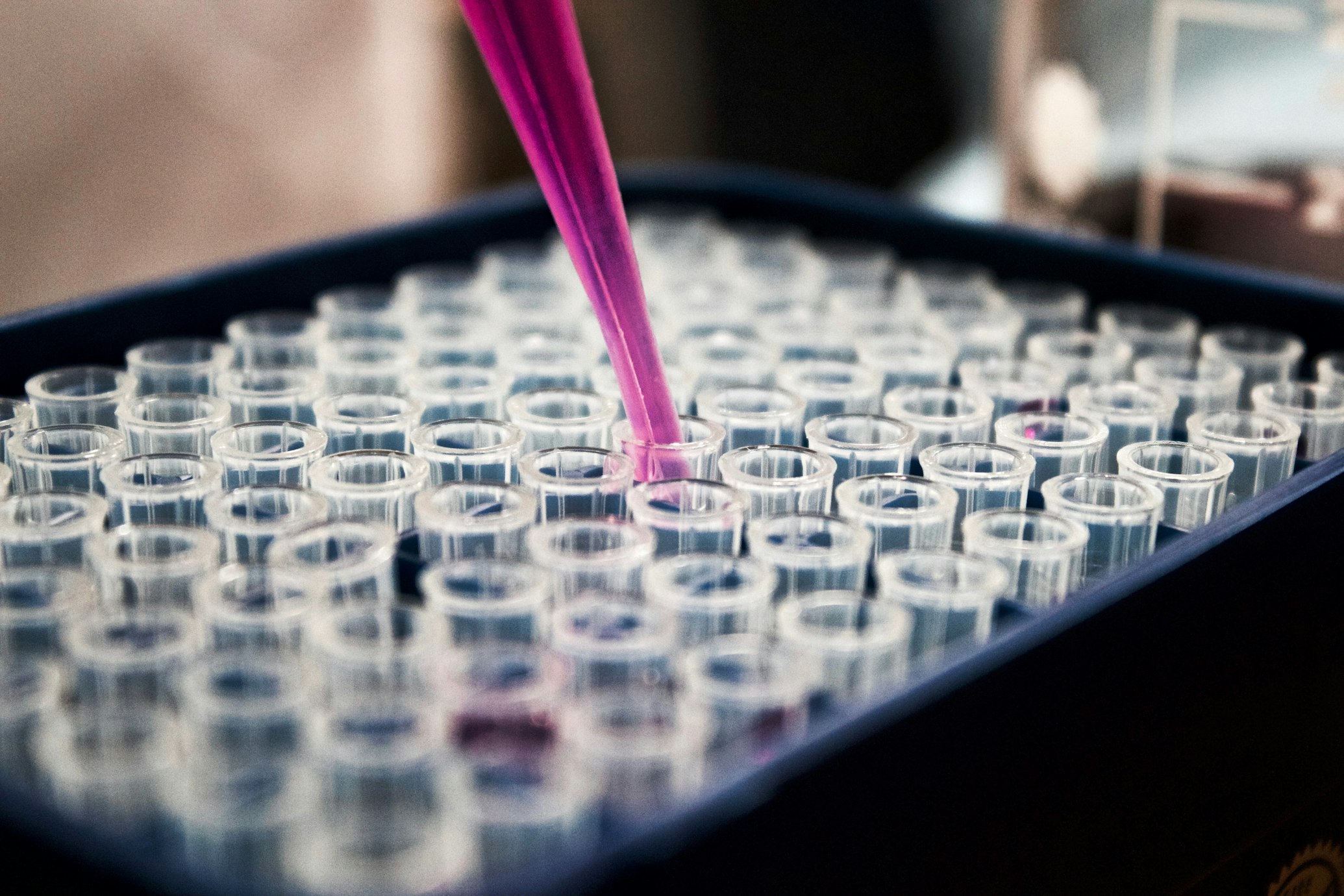
The intersection of artificial intelligence and human expertise in medicine
For clinicians, these advances promise not to replace the neurologist, but to augment our capabilities, providing powerful new tools to understand, diagnose, and treat neurological conditions. The challenge ahead lies in responsibly guiding this technology toward equitable applications that benefit all patients.
As we stand at this intersection of artificial and biological intelligence, we're witnessing the beginning of a new era in neuroscience—one that will undoubtedly bring both unexpected discoveries and transformative treatments for the countless patients affected by neurological conditions.
The future of brain medicine is being written today through the powerful collaboration between human clinical expertise and artificial intelligence.